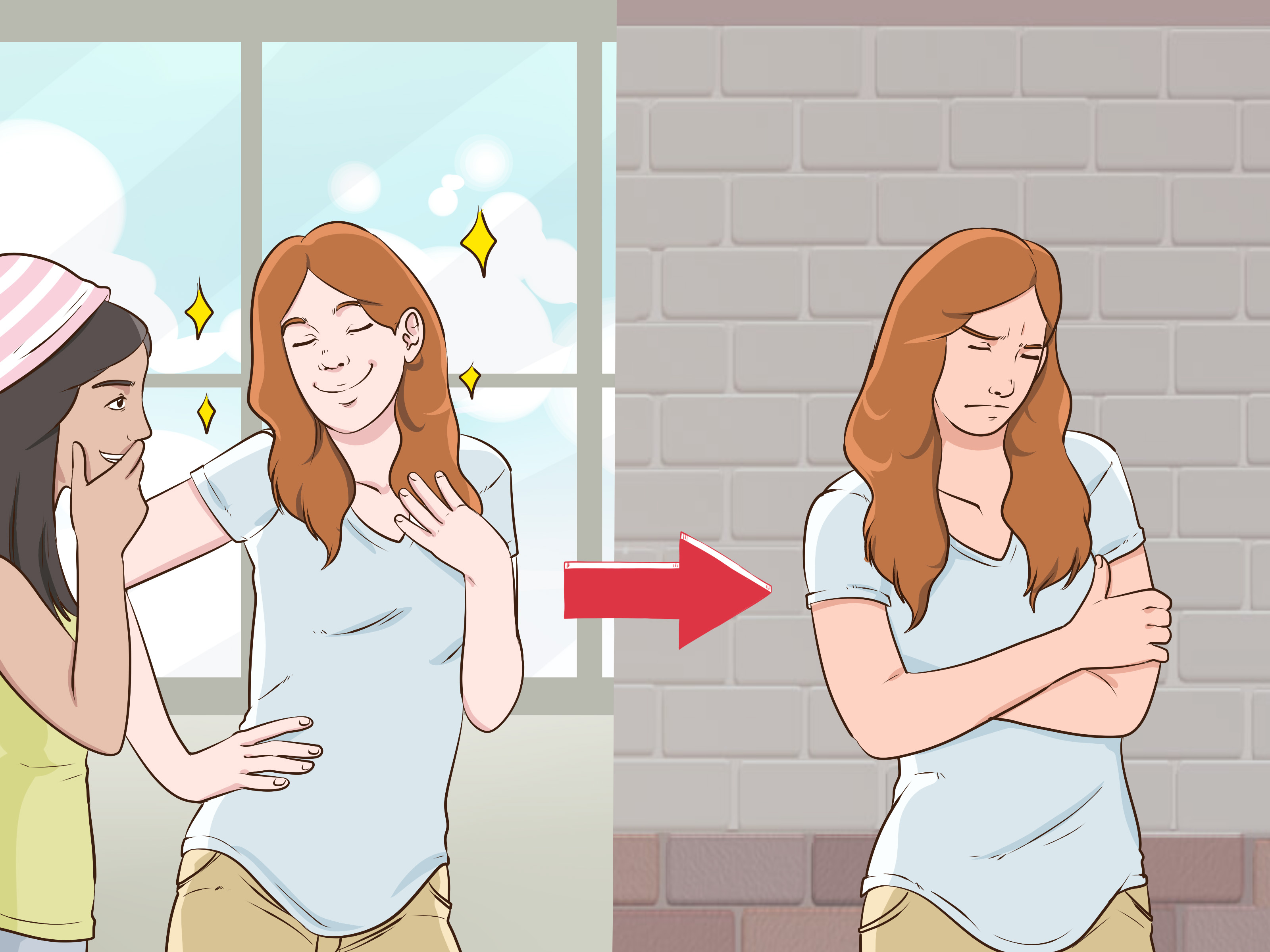
Some days, emotions show up like polite guests. Other days, they kick open the front door, raid the fridge, and start rearranging the furniture in your brain. That is exactly why emotion management matters. It is not about becoming a robot, pretending everything is fine, or turning your heart into a customer service desk that says, “Your feelings are important to us,” while doing absolutely nothing. It is about learning how to notice what you feel, understand what is driving it, and respond in a way that helps instead of hurts.
Strong emotions are not the enemy. Anger can point to a boundary that was crossed. Anxiety can signal uncertainty or overload. Sadness can show that something mattered. Even frustration, that spicy little emotion, often tells you that your expectations and reality are currently not on speaking terms. The goal of emotional regulation is not to erase these feelings. The goal is to keep them from running the whole show.
In real life, managing emotions usually looks less dramatic than a movie montage and more like a set of repeatable skills. You pause before firing off a text. You take a walk before a small annoyance becomes a full courtroom drama in your mind. You name what you feel instead of saying, “I’m just in a mood.” You challenge a thought before it turns into a story. Over time, those small choices build emotional steadiness.
Below are six practical emotion management strategies to try. They are simple, grounded, and flexible enough for everyday life. You do not need to use all six at once. In fact, trying everything at once is a terrific way to create a brand-new emotion to manage.
Why Emotion Management Matters More Than People Think
When emotions go unmanaged, they tend to leak into everything. They can affect sleep, focus, communication, decision-making, appetite, relationships, and even how your body feels. You may become irritable, shut down, overreact, avoid important tasks, or spiral into worst-case-scenario thinking. Suddenly, one rough conversation becomes an all-day mental replay with bonus imaginary arguments in the shower.
On the other hand, building emotion management skills can improve resilience, communication, and self-control. It can help you recover faster from stress, stay clearer under pressure, and make choices that match your values instead of your most intense moment. Think of it as upgrading from “emotional weather vane” to “emotional navigator.” The storm may still roll in, but you are better equipped to steer.
1. Name the Emotion Before It Starts Driving the Car
Why it works
One of the fastest ways to reduce emotional chaos is to identify what you are actually feeling. People often say they feel “bad,” “off,” or “stressed,” but those words are broad. Are you disappointed, embarrassed, jealous, overwhelmed, lonely, angry, or ashamed? The more specifically you can name the emotion, the easier it becomes to respond effectively.
How to try it
Pause and finish this sentence: “Right now, I feel _____ because _____.” Keep it simple. You are not writing a legal brief. You are creating clarity. You can also rate the intensity from 1 to 10. That number matters because a level-3 irritation usually needs a different response than a level-9 panic surge.
It also helps to separate primary and secondary emotions. For example, anger may be the loud emotion, but underneath it might be hurt or fear. That deeper feeling usually holds the useful information.
Example
Imagine your friend does not text back for hours. You think you are angry. But after checking in with yourself, you realize you actually feel unimportant and anxious. That shift matters. Anger might push you toward a sarcastic message. Anxiety and hurt might lead you to ask a clear question or wait until you are calmer.
2. Use Breathing and Grounding to Calm Your Body First
Why it works
When emotions surge, your body often reacts before your mind catches up. Your heart speeds up, your muscles tense, your breathing gets shallow, and your thoughts become louder, faster, and less helpful. Trying to reason with yourself at that point can feel like negotiating with a smoke alarm. First, calm the system.
How to try it
Start with one minute of slow breathing. Breathe in through your nose, exhale longer than you inhale, and repeat. Long exhales tend to signal safety to the body. If your thoughts are racing, add grounding. Try the classic sensory check-in: name five things you see, four things you feel, three things you hear, two things you smell, and one thing you taste. This brings attention back to the present moment instead of letting it sprint into imagined disasters.
You can also try quick physical grounding. Press your feet into the floor. Hold a cold glass of water. Relax your shoulders. Unclench your jaw. Stretch your hands. These tiny physical cues tell your nervous system that you do not need to stay in full-alert mode.
Example
Before a difficult conversation, your brain may start writing an Oscar-worthy script in which everything goes terribly. Rather than believing every thought, you take 90 seconds to breathe, loosen your shoulders, and feel your feet on the ground. The problem does not vanish, but your body is no longer acting like a fire drill.
3. Reframe the Thought Instead of Worshipping It
Why it works
Emotions are influenced by the meaning we assign to events. Two people can face the same situation and feel very different because they interpret it differently. That is why cognitive reframing, sometimes called cognitive restructuring, can be so useful. It helps you question thoughts that intensify distress without pretending everything is wonderful.
How to try it
When you notice a strong emotional reaction, ask:
- What am I telling myself right now?
- Is this fact, fear, or a mix of both?
- What is another explanation?
- What would I say to a friend in this situation?
The goal is not to replace every negative thought with glittery optimism. It is to replace distorted thinking with fairer thinking. “This meeting went awkwardly, so I am terrible at my job” can become “That meeting was uncomfortable, but one awkward moment does not define my ability.” That is not denial. That is perspective.
Example
You send an email and do not get a reply by the end of the day. Your first thought is, “They are upset with me.” A more balanced thought might be, “They may be busy, distracted, or waiting to respond thoughtfully.” Notice how the second thought lowers emotional intensity without making unrealistic promises.
4. Support Your Mood With Movement, Sleep, and Routines
Why it works
Emotional management is not just a mind game. Your body is a major player. Lack of sleep, poor routines, too much screen time, skipped meals, and chronic inactivity can leave your emotional skin feeling about one molecule thick. In that state, minor problems start arriving with blockbuster energy.
How to try it
Use the basics as emotional support tools, not boring chores. Move your body most days, even if it is a brisk walk, stretching session, dance break in your kitchen, or a short workout. Protect sleep as much as possible. Eat regularly enough that your blood sugar is not auditioning for chaos. Create small routines around waking, working, eating, and winding down.
If your emotions tend to spike at certain times, look for physical patterns. Are you usually more irritable when tired? More anxious when you have not eaten? More overwhelmed after several hours of nonstop stimulation? Emotional insight gets easier when you stop treating your body like an afterthought.
Example
Someone who feels “mysteriously emotional” every afternoon may realize the mystery is actually coffee, no lunch, five browser tabs of bad news, and zero breaks since 9 a.m. That is not a character flaw. That is data.
5. Write It Out or Talk It Through
Why it works
Emotions often grow louder when they stay trapped in your head. Journaling and supportive conversation can help organize thoughts, reduce pressure, and make feelings easier to understand. Sometimes you do not need an answer. You need a place for the feeling to land.
How to try it
If you journal, keep it low-pressure. Write for five to ten minutes without worrying about grammar, structure, or sounding wise. Focus on what happened, what you felt, what you needed, and what may help next. You can also use prompts like:
- What triggered me?
- What story did my mind create?
- What do I need right now?
- What is one helpful next step?
If you prefer to talk, choose someone safe. Not every listener deserves front-row seats to your emotional life. Look for people who can listen without turning your feelings into gossip, judgment, or a competitive speech about how they once had it worse in 2009.
Example
After a tense workday, you might spend ten minutes writing about what upset you. By the end, you realize you are not only stressed; you are also disappointed that you did not speak up. That insight can help you plan a better response tomorrow instead of just carrying the emotional residue into the evening.
6. Build a Pause Plan for Difficult Moments
Why it works
When emotions run high, people often fall into familiar habits: snapping, withdrawing, doom-scrolling, overeating, saying yes to avoid conflict, or replaying the same thought loop until their brain deserves overtime pay. A pause plan gives you a script to follow before impulse takes over.
How to try it
Create a short plan you can use when emotions rise. For example:
- Pause for 60 seconds.
- Breathe slowly.
- Name the feeling.
- Ask what I need most: space, clarity, food, rest, movement, or support.
- Choose one healthy action before responding.
Add self-compassion to the plan. That does not mean letting yourself off the hook for bad behavior. It means responding to your own distress like a decent human instead of a hostile narrator. You can say, “This is a hard moment,” “I am allowed to slow down,” or “I do not need to solve everything in the next five minutes.”
Example
During a family disagreement, your usual habit may be to react instantly. With a pause plan, you step away, breathe, drink water, and return once your volume and blood pressure have both filed for peaceful negotiation.
What to Do When These Strategies Are Not Enough
Sometimes emotions feel bigger than your current toolkit. That does not mean you are failing. It means you may need more support. If sadness, anxiety, anger, numbness, or overwhelm keeps interfering with daily life, relationships, school, or work, it may help to talk with a licensed mental health professional. Therapy can teach emotion regulation skills in a more structured way and help identify patterns you may not see on your own.
Seeking help is not dramatic, weak, or evidence that you have lost at being a person. It is often the most practical move in the room.
Experience-Based Insights: What Emotion Management Looks Like in Real Life
People often imagine emotion management as a calm, elegant process. In reality, it usually starts in a messy moment. A person gets criticism at work and spends the next hour bouncing between embarrassment, defensiveness, and a strong urge to move to a cabin where Wi-Fi cannot find them. Another person has a simple disagreement with a partner and suddenly feels ten years old, unheard, and ready to bring up every unresolved issue since the invention of text messages. These moments are where emotional skills stop being theory and start becoming useful.
A common experience is realizing that the emotion on the surface is not the whole story. Someone may swear they are furious, only to discover that underneath the anger is fear of rejection or disappointment in themselves. That shift can be powerful. Once the real feeling is identified, the response changes. Instead of sending a sharp message, they might ask for reassurance, take a walk, or wait until their body settles.
Many people also notice that grounding techniques feel almost too simple at first. Taking a breath? Holding something cold? Naming things in the room? It can seem silly until it works. But in highly emotional moments, simple is often exactly what the nervous system needs. People frequently report that slowing down their breathing or focusing on sensory details creates just enough space to stop an impulsive reaction. It does not erase the feeling, but it lowers the volume.
Journaling brings another kind of experience. At first, people often write in circles. They repeat the event, complain about the same person three different ways, and feel like nothing has changed. Then, somewhere in the middle of a paragraph, clarity appears. They notice a pattern. They admit what hurt. They recognize what they need. The page becomes less of a complaint box and more of a mirror.
Reframing thoughts is also deeply practical. People who practice it often describe a moment when they catch themselves building a dramatic narrative out of limited information. A delayed reply becomes proof of abandonment. One mistake becomes proof of incompetence. A hard day becomes proof that life is permanently broken. Learning to challenge those interpretations can feel awkward at first, but over time it creates emotional breathing room. You stop treating every thought like a fact stamped by the universe.
Another real-life lesson is that physical habits matter more than most people want to admit. Plenty of emotional spirals look philosophical but are actually fueled by exhaustion, overstimulation, hunger, or stress overload. People who start sleeping better, taking breaks, moving their bodies, and reducing constant input often say the same thing: they still have feelings, but the feelings no longer hit with the same force. Their emotional system becomes less fragile.
Perhaps the most important experience of all is this: progress rarely looks dramatic. It looks like catching yourself five minutes sooner. Recovering in one hour instead of one day. Saying, “I need a minute,” instead of exploding. Asking for support before reaching a breaking point. These are not tiny wins. They are the foundation of emotional strength. Managing emotions does not mean becoming unbothered. It means becoming more aware, more intentional, and more capable of choosing your next move with care.
Final Thoughts
Emotion management is not about suppressing what you feel or pretending you have achieved permanent inner peace. It is about building skills that help you respond wisely when life pokes, pressures, disappoints, confuses, or flat-out annoys you. Some days, these methods will work beautifully. Some days, you will remember them halfway through an overreaction. That still counts. Emotional health is not a perfection contest. It is a practice.
Start small. Name the feeling. Breathe. Reframe one thought. Move your body. Write one page. Use a pause plan. Over time, those small methods become habits, and those habits become a steadier way of living. The emotions still visit. They just stop redecorating your entire house.