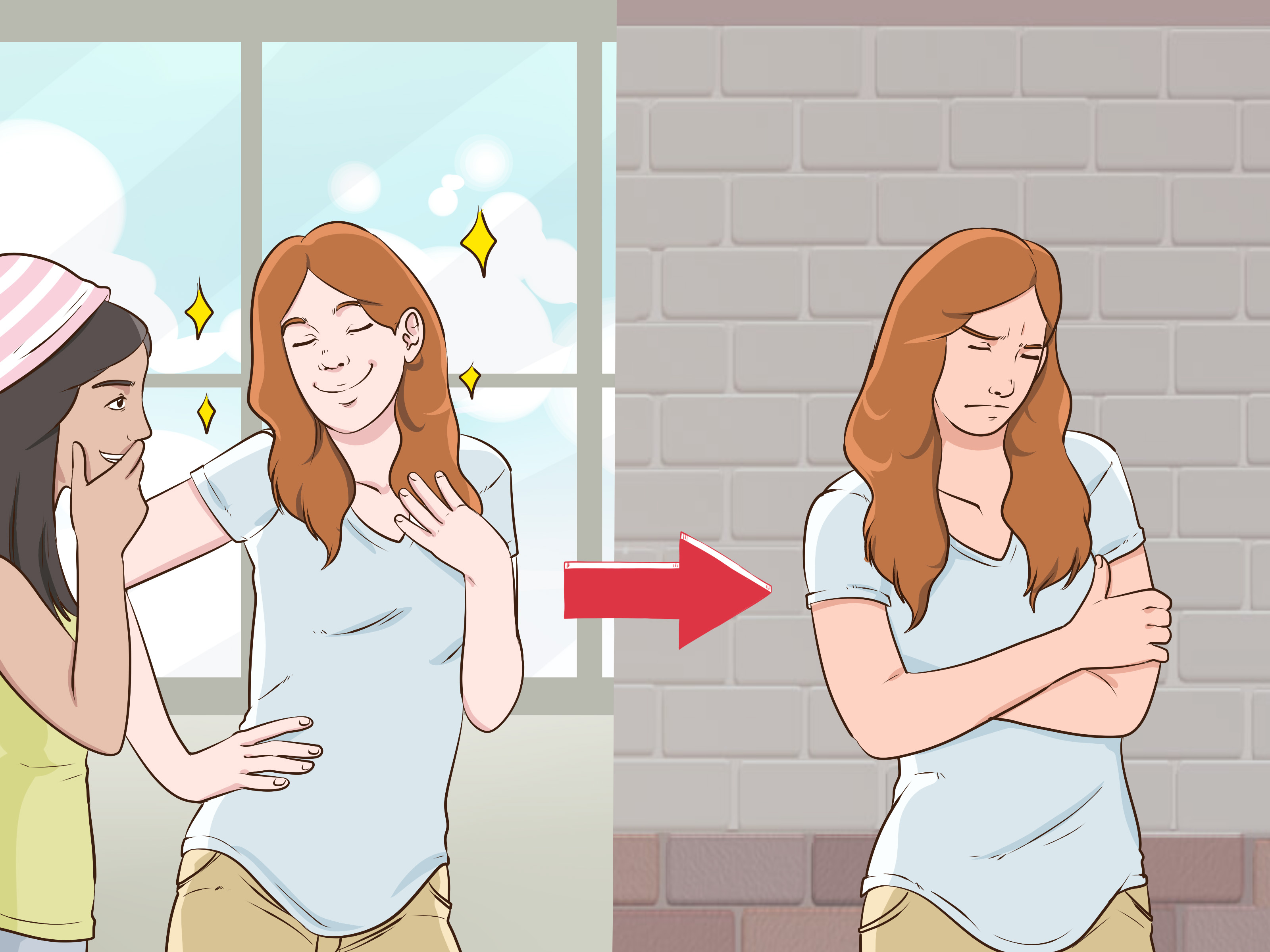
Finding out that people are talking about you behind your back can feel like stepping on an emotional Lego: small, sharp, and weirdly personal. One minute you are drinking coffee, minding your business, pretending your inbox does not exist. The next, someone says, “I thought you knew what they were saying,” and suddenly your brain opens seventeen browser tabs at once.
Gossip hurts because it attacks something we all care about: our reputation, our belonging, and our sense of control. Whether it happens at school, work, in a friend group, at church, online, or in a family chat that should have been retired in 2018, being talked about behind your back can make you feel angry, embarrassed, anxious, or even tempted to launch a dramatic group-text press conference. Please do not do that. At least not before reading this.
The good news is that you do not have to panic, retaliate, or turn into a full-time detective with a hoodie and a suspicious notebook. There are healthier, smarter ways to respond. The goal is not to control every whisper. That is impossible, and frankly, exhausting. The goal is to protect your peace, clarify the truth when needed, set boundaries, and keep your character intact.
Below are four practical ways to deal with people talking about you behind your back, with real-life examples, calm scripts, and a little humor because emotional maturity should not have to wear beige.
Why People Talk Behind Your Back
Before we get into the four strategies, it helps to understand why gossip happens. Not because the behavior is always acceptable, but because understanding it keeps you from assuming every whisper means the world is ending.
People gossip for many reasons. Sometimes they are bored. Sometimes they are insecure. Sometimes they are trying to bond with others by creating an “us versus them” moment. Sometimes they are confused and filling in blanks with imagination, which is rarely a reliable research department. In other cases, the gossip may be a clumsy attempt to discuss a real issue indirectly because the person lacks the courage or communication skills to speak to you directly.
Gossip can also happen in environments where tension is not addressed openly. In a workplace with poor leadership, a friend group with unclear boundaries, or a family where direct conversations are treated like extreme sports, people may talk around problems instead of through them.
Still, there is a difference between harmless chatter and damaging rumor-spreading. Someone saying, “I wonder why she left early,” is not the same as someone inventing a story that harms your reputation. Your response should match the seriousness of the situation.
1. Pause Before You React
Your first instinct may be to confront everyone immediately, post a vague quote online, or text “LOL interesting” to the person who started it. While emotionally satisfying for about twelve seconds, reacting too quickly can make the situation messier.
When you hear that people are talking about you behind your back, pause. Take a breath. Walk around. Drink water. Write down what you heard. Do anything that gives your nervous system time to stop treating gossip like a bear attack.
Ask Yourself What You Actually Know
Before responding, separate facts from assumptions. Ask yourself:
- Who told me this?
- Did they hear it directly, or is this third-hand information?
- What exactly was said?
- Was it a rumor, criticism, misunderstanding, or private concern?
- Is this affecting my relationships, work, safety, or reputation?
This matters because not all gossip deserves the same energy. If someone made a silly comment that will disappear by lunch, giving it a dramatic reaction may accidentally feed it. Gossip loves attention the way houseplants love sunlight.
On the other hand, if the talk is false, repeated, harmful, or affecting your job, friendships, school life, or mental well-being, it deserves a more direct response.
Control the First Move
Your first move should be calm, not explosive. Calm does not mean weak. Calm means you are driving the car instead of letting your emotions grab the steering wheel and aim for a ditch.
Try saying to yourself: “I do not have to respond immediately. I can decide what is worth addressing.” That one sentence can save you from sending a message you later wish you could retrieve with a fishing pole.
If you are upset, talk privately with someone you trust who will not pour gasoline on the situation. Choose a person who helps you think clearly, not someone whose life motto is “Let’s make this worse.”
2. Address the Person Directly, Calmly, and Privately
If the gossip is serious enough to address, speak to the person directly when possible. Direct communication is often the fastest way to stop a rumor from growing extra legs and running around town.
The key is to approach the conversation with curiosity and confidence, not accusation. You are not walking into a courtroom. You are trying to find out what happened, correct misinformation, and set a standard for how you expect to be treated.
Use a Simple Conversation Script
Here is a calm script you can adapt:
“I heard that something was said about me, and I wanted to check with you directly instead of assuming. Is there something you wanted to talk to me about?”
This works because it does three things. First, it shows maturity. Second, it gives the other person a chance to explain. Third, it makes it clear that you are not available for behind-the-back communication games.
If they deny it, you can say:
“Okay. I just want to be clear that if there is ever a concern involving me, I would rather hear it directly.”
If they admit it, you can say:
“I appreciate you being honest. I wish you had come to me first. What part of this do we need to clear up?”
Notice the tone: direct, respectful, and not dripping with sarcasm. Sarcasm feels delicious in the moment, but it usually makes people defensive. Save it for choosing paint colors or reviewing bad movie sequels.
Stick to Specifics
Avoid vague accusations like, “You are always talking about me.” Instead, focus on the behavior:
“I heard that you told people I lied about the project. That is not true, and I want to clear it up.”
Specific language prevents the conversation from turning into a fog machine. It also gives the other person less room to dodge the issue.
Do Not Beg for Approval
When someone talks about you, it can trigger the urge to explain everything, prove your goodness, and hand out emotional résumés. Resist that urge. You can clarify the truth without auditioning for someone’s approval.
Your goal is not to make everyone like you. Your goal is to communicate clearly and protect your integrity. There is a difference, and it is a very expensive lesson if you learn it late.
3. Set Boundaries and Refuse to Join the Gossip Cycle
One of the best ways to deal with people talking about you behind your back is to become the kind of person who does not reward gossip. That means you do not spread counter-rumors, recruit allies to attack someone, or host a “truth meeting” that somehow turns into a roast.
Boundaries are not dramatic walls. They are simple rules for what you will and will not participate in. When gossip enters the room, boundaries help you leave with your dignity still wearing shoes.
Use Boundary Statements
If someone tries to involve you in gossip about another person, you can say:
“I am not comfortable talking about them when they are not here.”
Or:
“That sounds like something you should bring up with them directly.”
Or, in a workplace setting:
“I want to stay focused on the work. If there is a real issue, we should handle it professionally.”
These statements are short for a reason. The longer your explanation, the more room people have to argue. A boundary does not need a PowerPoint presentation.
Do Not Feed the Rumor
If someone tells you, “People are saying something about you,” avoid demanding a full guest list of everyone involved unless you truly need it. Sometimes the messenger wants to help. Other times, the messenger is enjoying the drama while pretending to deliver community service.
You can respond with:
“Thanks for letting me know. I am going to handle it calmly. I do not want this to become a bigger gossip chain.”
This keeps you from becoming the next link in the rumor machine.
Limit Access to Personal Information
If certain people repeatedly twist your words, reduce what you share with them. You do not have to announce it. Just stop handing them raw material.
Think of your personal life like a VIP section. Not everyone gets a wristband. Some people can know your favorite pizza topping. Fewer people get access to your fears, plans, relationships, private conflicts, or next big move.
This is not being fake. It is being wise. Privacy is not secrecy. It is self-respect with better lighting.
4. Protect Your Reputation With Consistent Character
When gossip is unfair, you may want to correct every person who heard it. Sometimes that is necessary, especially if the rumor is damaging. But in many cases, your strongest long-term defense is consistent character.
People may hear rumors, but they also watch patterns. If you are generally respectful, reliable, honest, and calm, false gossip has a harder time sticking. It is difficult to convince people that you are secretly terrible when your daily behavior keeps submitting evidence to the contrary.
Correct False Information When It Matters
If the gossip affects your job, school, business, safety, or important relationships, address it with the right people. That might mean speaking to a manager, teacher, HR representative, group leader, parent, mentor, or trusted adult depending on the situation.
Keep records if the gossip is repeated, threatening, discriminatory, or part of bullying. Save screenshots, dates, names, and examples. Documentation is not being dramatic; it is being organized. Drama is screaming, “Everyone is against me!” Documentation is saying, “Here are the dates, messages, and facts.” One gets ignored. The other gets taken seriously.
If you need to correct someone, keep it brief:
“I heard there may be confusion about what happened. I want to clarify that I did not say or do that. Here is what actually happened.”
Then stop. Do not over-explain unless the situation requires it. Over-explaining can make truthful people sound guilty simply because they are exhausted.
Build Strong Relationships Before Problems Happen
Your reputation is not built in one crisis. It is built in everyday moments: showing up, keeping promises, apologizing when needed, treating people with respect, and not using private information as entertainment.
When people know your character, gossip has less power. It may still sting, but it will not define you.
Know When to Walk Away
Sometimes the healthiest response is distance. If a person repeatedly spreads rumors, mocks your boundaries, or enjoys creating conflict, they may not be someone you need close access to your life.
Walking away does not mean you lost. It means you stopped volunteering for emotional dodgeball.
You can be polite without being available. You can be civil without being close. You can forgive someone and still decide they no longer get front-row seats in your personal world.
What Not to Do When People Talk About You
Handling gossip well is partly about what you do and partly about what you refuse to do. Here are a few tempting responses that usually backfire.
Do Not Start a Revenge Campaign
Spreading gossip about the person who gossiped about you may feel fair, but it puts you on the same level. It also gives people a reason to say, “See? They are dramatic.” Do not hand your critics free marketing material.
Do Not Post Vague Social Media Messages
Posts like “Funny how fake people reveal themselves” rarely solve anything. They usually invite more questions, more speculation, and at least one aunt commenting, “You okay, sweetie?”
If something needs to be addressed, address it directly and privately when possible.
Do Not Chase Every Opinion
Some people misunderstand you because they lack information. Others misunderstand you because they are committed to the hobby. You cannot spend your life correcting people who enjoy being wrong.
Choose your battles. Protect what matters. Let the rest pass by like a weird parade.
How to Emotionally Recover From Gossip
Even if you handle the situation perfectly, being talked about can still hurt. Give yourself permission to feel that. You are not “too sensitive” for caring about your reputation or relationships. Humans are social creatures. Belonging matters.
Try these recovery steps:
- Talk to one trustworthy person who can help you process calmly.
- Journal what happened and what you can control.
- Take a break from checking social media or group chats.
- Do something grounding, such as walking, cleaning, exercising, cooking, or listening to music.
- Remind yourself of your values: honesty, kindness, courage, patience, or whatever matters most to you.
Do not let gossip shrink your life. Keep showing up. Keep doing your work. Keep laughing. Keep being kind. Nothing annoys petty people more than your peaceful continuation.
Real-Life Examples of Handling Gossip
Example 1: A Friend Group Rumor
Imagine a friend says, “People think you are mad at everyone because you did not come to dinner.” Instead of spiraling, you might say, “I was exhausted and needed rest. I wish someone had asked me directly. I am not upset with anyone.”
This response is short, clear, and drama-free. You correct the story without accusing the entire friend group of emotional crimes.
Example 2: Workplace Gossip
A coworker says you are trying to take credit for a project. You can speak directly to the coworker or your manager: “I heard there may be confusion about the project. I want to clarify my role and make sure everyone is credited correctly.”
This keeps the conversation professional. It focuses on facts, not personality.
Example 3: Family Gossip
A relative tells everyone you are “acting distant.” You can respond, “I am not trying to be distant. I have been busy and also setting aside more personal time. If anyone is concerned, they can talk to me directly.”
Family gossip can be tricky because relatives often treat boundaries like expired coupons: they refuse to honor them. Stay calm anyway.
Personal Experiences and Lessons Related to Being Talked About Behind Your Back
Most people have experienced gossip at some point, even if they do not always admit it. One common experience is discovering that someone misunderstood a simple action and turned it into a full fictional miniseries. You did not reply quickly, so you must be angry. You left early, so you must hate the group. You got a new opportunity, so you must think you are better than everyone. Amazing how some people can produce an entire plot with no budget and no facts.
One useful lesson from these situations is that silence creates space, and people often fill space with assumptions. That does not mean you owe everyone constant explanations. It does mean that when something matters, a simple clarification can prevent confusion. For example, saying, “I am quiet today because I am tired, not upset,” can save a friend group from unnecessary guessing. Clear communication is not weakness. It is maintenance, like changing the oil in a car before the engine starts making sounds that require a mechanic and prayer.
Another experience many people have is learning that not every person who reports gossip is being helpful. Sometimes a person says, “I just thought you should know,” but they deliver the news with the excitement of someone carrying a birthday cake. Over time, you learn to notice the difference between a trustworthy messenger and a drama distributor. A trustworthy person gives you facts, cares about your well-being, and does not pressure you to react. A drama distributor adds seasoning, repeats emotional details, and looks disappointed if you stay calm.
It is also common to discover that confronting gossip does not always produce a perfect apology. Some people deny, deflect, minimize, or say, “I was just joking.” That can be frustrating. But the purpose of confrontation is not always to get a confession. Sometimes it is simply to show that you are aware, that you prefer direct communication, and that you will not quietly accept disrespect. Even if the other person never gives you the mature response you hoped for, you still practiced self-respect.
Another major lesson is that your reaction becomes part of the story. If you explode, people may forget the original gossip and remember the explosion. If you respond calmly, you make it harder for others to paint you as unreasonable. This does not mean you should suppress your feelings. Be angry in a safe place. Cry if you need to. Vent to one trusted person. But when you address the situation, choose a response that your future self will not have to clean up with a shovel.
Many people also learn the value of privacy after being gossiped about. Oversharing with the wrong crowd can turn personal details into public entertainment. A painful gossip experience can teach you to share slowly, observe carefully, and trust people based on patterns rather than charm. Someone can be funny, friendly, and still not safe with your private information. A person’s ability to make you laugh is not the same as their ability to protect your confidence.
Finally, one of the most powerful experiences is realizing that gossip does not have to define you. At first, it may feel huge. You may imagine everyone thinking about it constantly. Usually, they are not. Most people are busy worrying about their own lives, their own problems, and whether they sent that email with the attachment actually attached. Time passes. The noise fades. What remains is how you handled yourself.
Being talked about behind your back can become a strange kind of teacher. It can teach you who is trustworthy, how to communicate, when to set boundaries, and how to stop confusing popularity with peace. You may not be able to prevent every rumor, but you can become someone who responds with clarity, confidence, and class. That is a reputation no gossip can easily destroy.
Conclusion
Dealing with people talking about you behind your back is never fun, but it does not have to control you. Start by pausing before you react. Then decide whether the situation needs to be addressed directly. Set clear boundaries, refuse to participate in the gossip cycle, and protect your reputation through consistent character.
Some rumors deserve correction. Some deserve documentation. Some deserve a calm conversation. And some deserve nothing more than your silence, your distance, and your continued success.
The biggest truth is this: you cannot control every conversation about you, but you can control the kind of person you choose to be. Stay honest. Stay grounded. Speak up when it matters. Walk away when it is wise. And remember, people who talk behind your back are, quite literally, behind you. Keep moving.
Note: This article is written for general educational and self-improvement purposes. If gossip becomes harassment, bullying, discrimination, threats, or affects your safety, school, or job, consider speaking with a trusted adult, supervisor, counselor, HR representative, or appropriate authority.