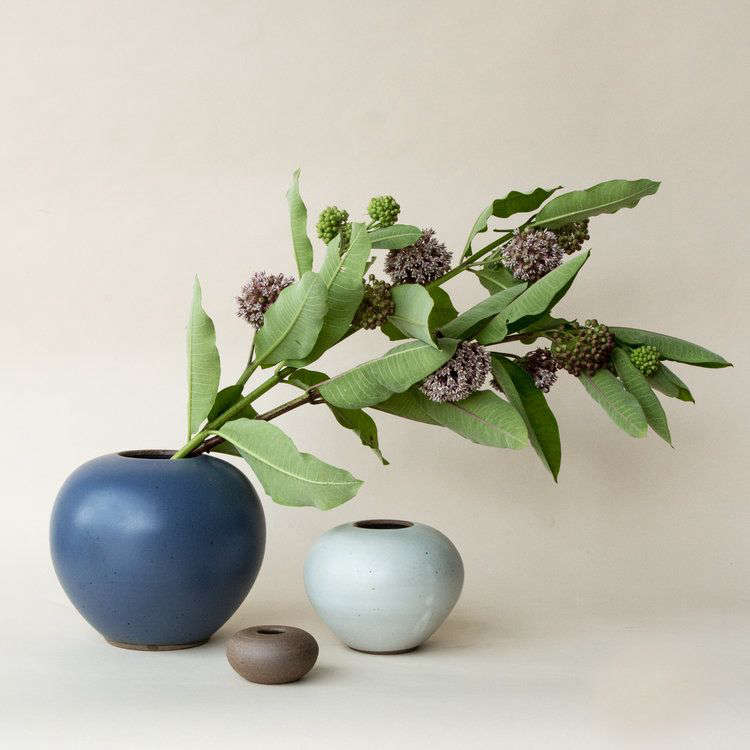
Some home objects whisper. Some politely introduce themselves. And then there is East Fork Pottery’s Small Urchin, a tiny ceramic bud vase that looks like it crawled out of a tide pool, took a ceramics apprenticeship in North Carolina, and decided to become the most quietly charming thing on your shelf.
The Small Urchin is no longer part of East Fork’s regular lineup, which only makes collectors lean in closer. Originally listed as a small bud vase from East Fork Pottery, it measured about 3.25 inches wide by 2.25 inches high and was priced at $24. Inspired by sea urchins, the piece was designed as a sculptural little vessel: useful enough for a single flower, handsome enough to sit empty, and small enough to make you say, “Wait, why do I suddenly care deeply about bud vases?”
This article explores what made East Fork Pottery’s Small Urchin special, why the discontinued vase still has design appeal, how it fits into East Fork’s broader pottery story, and how to style, care for, and appreciate a small object with surprisingly big personality.
What Is East Fork Pottery’s Small Urchin?
East Fork Pottery’s Small Urchin is a compact ceramic bud vase designed with an organic, sea-inspired form. The original product description connected the vase to long beach walks in Los Angeles, where Alex Matisse, East Fork’s founding potter, drew inspiration from sea urchins. That origin story matters because the object does not feel like a random decorative accessory. It feels observed.
The vase has a low, rounded body and a small opening, making it ideal for a single stem, a tiny cutting, a dried grass sprig, or nothing at all. In fact, part of its charm is that it does not beg for decoration. The Small Urchin can sit on a windowsill, nightstand, bookshelf, coffee table, or kitchen ledge and still do its job: adding texture, color, and a little handmade punctuation to a room.
Small Size, Strong Shape
The Small Urchin’s proportions are modest, but the form has presence. At just over three inches wide, it is not a centerpiece in the traditional “make room, everyone, I have arrived” sense. Instead, it works like a visual comma. It softens a hard corner. It breaks up a stack of books. It makes a simple table setting feel more personal without performing a full Broadway number.
Its shape also explains why collectors often enjoy grouping it with medium and large Urchin forms. A trio creates rhythm: small, medium, large; low, taller, tallest; quiet, quieter, “I may now be emotionally attached to pottery.”
Why the Small Urchin Still Matters
The Small Urchin has been discontinued, but discontinued does not mean irrelevant. In the world of handcrafted ceramics, retired forms often gain a second life among collectors, decorators, and people who enjoy owning pieces with a story. East Fork has built a loyal following because its pottery sits at the intersection of daily utility, thoughtful design, and material honesty.
While many East Fork pieces are dinnerware staplesmugs, bowls, plates, serving piecesthe Small Urchin belongs to the more sculptural side of the brand. It is not about eating cereal or serving pasta. It is about the little domestic moment: a flower from the yard, a stem from a farmers market bouquet, a tiny object that makes the kitchen counter look cared for even when there are three unopened bills nearby.
A Bud Vase With Personality
Bud vases are easy to underestimate. They are small, affordable compared with larger ceramic vessels, and often treated as decorative extras. But a good bud vase can change the mood of a room faster than a throw pillow and with far less fluff-related drama.
The Small Urchin works because it brings together three desirable qualities: organic inspiration, handmade character, and practical scale. It is not fragile-looking in a fussy way. It is simple, sturdy, and tactile. The form says “coastal,” but not in the predictable seashell-on-a-bathroom-shelf way. It says “I noticed nature, but I also own a good chair.”
East Fork Pottery: The Brand Behind the Urchin
East Fork is based in Asheville, North Carolina, and is known for contemporary ceramic dinnerware and home goods made with regional materials. Founded by potters, the company has grown from a small pottery operation into one of the most recognizable American ceramics brands, admired for durable forms, rich glazes, and a clear point of view.
The company is also a Certified B Corporation, which means its business model is evaluated against social and environmental standards. That context adds another layer to pieces like the Small Urchin. It is not just “a cute vase.” It is part of a larger approach to making objects that are designed to last, made with care, and connected to a community of makers.
Regional Clay and Everyday Durability
East Fork is associated with regional stoneware clay, lead-free glazes, and pottery intended for real use. Its dinnerware is known for being dishwasher and microwave safe, though decorative and discontinued forms should always be handled with common sense. The Small Urchin, as a bud vase, does not need to survive lasagna night or a toddler’s spoon percussion solo. But it still comes from a design language rooted in durability rather than delicacy for delicacy’s sake.
One reason East Fork pieces photograph so well is their balance of texture and restraint. The glazes tend to have depth without screaming for attention. That makes them especially friendly to food styling, tabletop photography, and quiet interiors. A Small Urchin in the right glaze can hold its own beside linen napkins, handmade plates, wood cutting boards, or a stack of design books.
Design Analysis: Why the Urchin Shape Works
The sea urchin is a clever source of inspiration. In nature, urchins are small, radial, textured, and strangely elegant. They are also a little odd, which is always useful in design. Too much perfection can make a room feel like a furniture showroom where nobody is allowed to eat chips. A touch of oddness makes a space feel alive.
East Fork Pottery’s Small Urchin borrows from that natural vocabulary without copying it literally. The result is more mid-century modern than beach souvenir. Its rounded body, compact stance, and small mouth create a sculptural silhouette that feels calm but not boring.
Texture Without Clutter
Texture is one of the easiest ways to make a room feel finished. The Small Urchin brings texture through form, glaze, and surface variation. Because it is small, it does not overwhelm a vignette. It can sit near a lamp, beside a framed print, or on a floating shelf and add a subtle handmade note.
That is the secret: the Small Urchin is decorative, but it is not needy. It does not require a whole styling strategy, a mood board, or a spiritual awakening at a flea market. Place it somewhere with light, add one stem if you feel fancy, and let it do its tiny ceramic job.
How to Style East Fork Pottery’s Small Urchin
Because the vase is small, it rewards thoughtful placement. It can disappear if buried among larger objects, so give it a little breathing room. Think of it as a supporting actor with excellent timing.
1. Use It With a Single Stem
A single flower is the classic choice. Try a ranunculus, cosmos, chamomile stem, small dahlia, clipped herb flower, or wild grass. The narrow opening helps keep the arrangement minimal. No floral foam, no complicated mechanics, no wrestling with eucalyptus like it owes you money.
2. Pair It With Books
Place the Small Urchin on top of two or three stacked books. Choose art, cooking, gardening, or travel books with warm covers and natural textures. The vase adds height and softness while the books provide a visual platform.
3. Create a Trio
If you are lucky enough to have the medium or large Urchin forms, group all three. Vary the direction slightly so the grouping feels collected rather than staged. A trio works beautifully on a mantel, sideboard, entry table, or open kitchen shelf.
4. Let It Sit Empty
Not every vase needs flowers. The Small Urchin has enough sculptural character to stand alone. Empty, it becomes more about shape and glaze. This is useful for minimal interiors or for anyone who buys flowers with great ambition and then forgets them in the car.
5. Mix It With Other East Fork Pieces
East Fork’s bowls, mugs, plates, and serving pieces share a visual language. A Small Urchin near an East Fork mug or breakfast bowl can make a morning setup look intentional. Coffee, toast, bud vase, sunlight: suddenly your kitchen is giving magazine shoot, even if the sink is giving reality television.
Buying a Discontinued Small Urchin
Since East Fork Pottery’s Small Urchin has been discontinued, it may be difficult to buy directly from the brand. Collectors may find it through resale marketplaces, vintage home shops, design resale groups, estate sales, or community exchanges devoted to East Fork pottery.
When shopping secondhand, check the condition carefully. Look for chips around the mouth, cracks along the body, glaze flaws beyond normal handmade variation, and signs of repair. Because the vase is small, even a tiny chip can affect its appearance. That said, handmade ceramics often include natural variations, and those should not automatically be treated as defects. The goal is to distinguish character from damage.
What to Ask Before Buying
Ask the seller for clear photos from multiple angles, including the top opening, bottom stamp, side profile, and any marks or flaws. Confirm the approximate dimensions. If the seller has the original packaging or purchase information, that can add confidence, though it is not always available for older decorative pottery.
Because discontinued East Fork pieces can attract collectors, prices may vary. The original listing price gives a historical reference point, but resale value depends on condition, glaze color, rarity, and demand. A hard-to-find glaze may command more attention than a common color. In other words, your wallet may suddenly develop opinions.
Care Tips for a Small Ceramic Bud Vase
Although East Fork pottery is generally associated with durable stoneware, a bud vase deserves gentle care. Rinse it after using fresh flowers, especially if stems have left residue. Avoid letting dirty water sit for days. Old vase water is not “patina.” It is soup with regrets.
Use warm water and mild dish soap. A small bottle brush can help clean the interior. Let the vase dry fully before storing it, and avoid placing it where it can be knocked over easily. Because the Small Urchin is low and stable, it is less tippy than tall bud vases, but gravity remains undefeated.
Where Not to Put It
Do not place it too close to the edge of a shelf, next to an enthusiastic cat, or in a cluttered bathroom where it may meet a tragic end during a toothpaste search. If you use it on a dining table, keep it low and simple so guests can still see each other. The Small Urchin is charming, but it should not become the third person in every conversation.
Why Collectors Love Small East Fork Forms
Small forms are approachable. They are easier to display, easier to store, and easier to collect over time. For East Fork fans, a piece like the Small Urchin represents a snapshot of the brand’s design history. It shows East Fork’s interest not only in functional dinnerware but also in sculptural tabletop objects.
Collectors often enjoy pieces that connect to a specific era, glaze, or retired shape. The Small Urchin has all three possibilities. It is linked to Alex Matisse’s design sensibility, inspired by natural form, and no longer widely available. That combination gives it charm beyond its physical size.
Experience: Living With East Fork Pottery’s Small Urchin
Living with a small ceramic vase sounds simple until you realize how often you move it around just to see where it looks best. The East Fork Pottery Small Urchin has the kind of flexible presence that encourages experimentation. One week it belongs on the kitchen windowsill with a sprig of rosemary. The next week it is on a bedside table holding a single dried flower. Then it migrates to the bookshelf, where it sits beside a novel and somehow makes you look like the kind of person who dusts regularly.
The best experience with the Small Urchin is probably not dramatic. It is not the sort of object that transforms your house overnight. Instead, it improves small corners. A tiny vase can make a rental apartment feel more personal, a work-from-home desk feel less corporate, or a breakfast table feel less like a place where emails happen. Its scale is friendly. You do not need a giant bouquet or a professional floral arrangement. One stem is enough.
There is also pleasure in the tactile quality. Handmade pottery invites touch in a way mass-produced décor often does not. You notice the curve, the weight, the glaze, the foot, the mouth. The Small Urchin encourages that kind of attention. It is small enough to pick up and turn in your hand, and that physical interaction makes it feel more intimate than a larger vase that mostly stays put and looks important.
In everyday use, the Small Urchin works especially well for people who like low-effort beauty. Clip a tiny branch from the yard. Save one flower from a fading bouquet. Add a dried stem from a walk. Even a little weed can look poetic in the right vase, which is excellent news for those of us with more enthusiasm than floristry training.
It also plays nicely with changing seasons. In spring, it can hold a small blossom. In summer, a wildflower. In fall, a dried grass stem. In winter, a bare twig that looks intentional if you stand confidently enough. The vase does not lock you into one aesthetic. It can go rustic, modern, coastal, earthy, minimalist, or cozy depending on what surrounds it.
The most satisfying thing about the Small Urchin is that it reminds you design does not have to be loud to be meaningful. A room is built from small decisions: the mug you reach for, the bowl you leave on the counter, the vase that catches morning light. East Fork Pottery’s Small Urchin belongs to that category of object. It is not essential in the survival sense. You can live without it. But once you understand its charm, you may not want to.
Conclusion
East Fork Pottery’s Small Urchin is a small ceramic bud vase with lasting design appeal. Inspired by sea urchins and shaped with East Fork’s understated sensibility, it offers texture, warmth, and sculptural presence in a compact form. Though discontinued, it remains interesting for collectors, design lovers, and anyone who appreciates handmade objects that bring quiet joy to everyday spaces.
Its beauty lies in restraint. It does not need a grand bouquet, a dramatic pedestal, or a complicated explanation. It needs a shelf, a little light, maybe one flower, and someone willing to notice the details. That is the magic of the Small Urchin: it proves that a tiny vase can still make a room feel more alive.