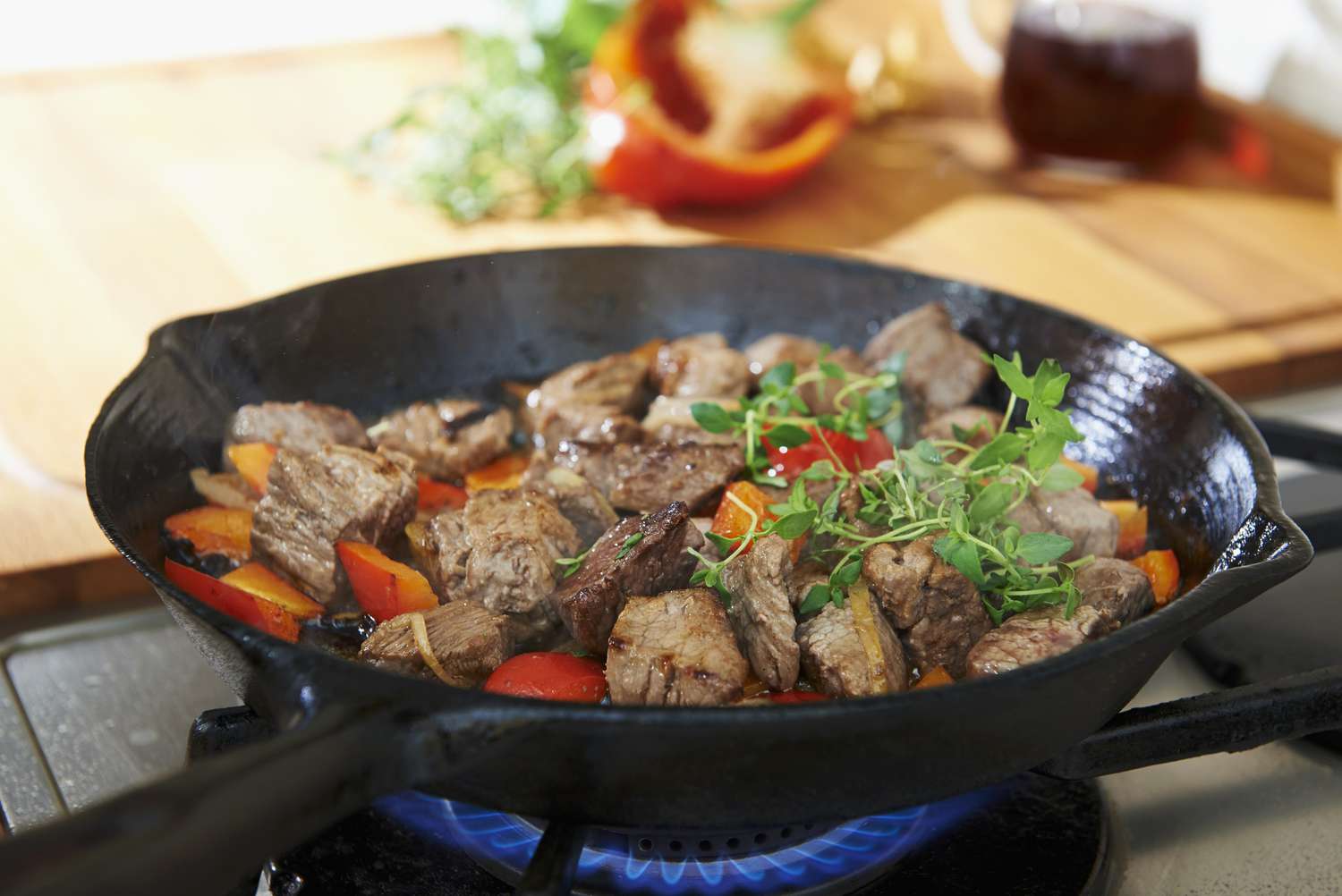
Dry heat cooking is basically the culinary version of “no pool noodles allowed.” There’s no added water-based liquid doing the heavy liftingjust hot air, hot metal, hot oil, hot coals, or a top broiler that stares down at your dinner like it owes it money.
Why do we love it? Because dry heat is the fast lane to browning, crisping, blistering, and that “how is this so good?” aroma. It’s how bread gets toast, chicken gets crackly skin, and vegetables go from “meh” to “please make these again.”
What Counts as “Dry Heat,” Exactly?
A method is generally considered dry heat when food cooks primarily through:
- Hot air (baking, roasting, convection roasting)
- Radiant heat (broiling, grilling)
- Direct contact with a hot surface (searing, sautéing, griddling)
- Hot fat as the heat-transfer medium (pan-frying, stir-frying, deep-frying)
Moisture still exists inside the food (and sometimes in marinades or sauces), but the cooking environment isn’t a bath, a steam room, or a simmering spa day. Dry heat is more like a tanning bed: intense, transformative, and you should keep an eye on it.
The Flavor Science: Browning Is a Love Language
Dry heat shines because it creates flavors you simply can’t get from boiling or steaming. Two big players are:
1) The Maillard Reaction
This is the complex set of reactions between proteins (amino acids) and sugars that produces deep brown color and savory, roasted flavors. Think: seared steak crust, toasted bread, golden dumplings, or that “burger shop” smell that makes you forget your budget.
2) Caramelization
This is sugar doing its own delicious chemistry under heat. It’s especially noticeable in onions, carrots, and dessertsanything that can go from sweet to toffee-like with enough time and temperature.
The catch: browning needs the surface to dry out. If your food is wet (or crowded so it steams itself), you’ll get pale, sad results. Dry heat rewards patience and space.
Oven-Based Dry Heat Methods
Baking
Baking uses steady hot air in an enclosed oven to cook food evenly. It’s typically associated with breads, cookies, cakes, casseroles, and anything you want to set gently without aggressive charring.
Best for: cookies, quick breads, lasagna, baked fish, sheet-pan dinners, and anything that likes consistency.
Pro move: Preheat fully. “Preheating” isn’t a suggestion; it’s the difference between crisp edges and confused mush.
Roasting
Roasting is oven cooking too, but often at higher heat than baking and usually for savory foods. The goal is browning and flavor concentration. Roasting vegetables drives off water, concentrates sweetness, and builds those irresistible browned edges.
Best for: whole chickens, pork tenderloin, salmon, potatoes, Brussels sprouts, squash.
Pro move: Use a rack (for meats) or spread food in a single layer (for veggies) so hot air can circulate and surfaces can brown.
Broiling
Broiling is intense, direct radiant heat from abovelike grilling’s indoor cousin who wears a blazer and still shows up late. It’s fast and fantastic for surface browning, melting, blistering, and finishing.
- Use it when: you want quick color on thin cuts (fish fillets, chops), bubbly cheese, or crisping chicken skin at the end.
- Watch-out: it can go from “golden” to “charcoal” in a minute if you wander off.
Grilling: Dry Heat With Bonus Drama
Grilling cooks with direct radiant heat (and sometimes convective heat) usually from below. It’s all about char, smoke, and that outdoor flavor that makes even zucchini feel like it has a personality.
Direct vs. Indirect Grilling
- Direct heat: Food sits over the flame/coals. Great for burgers, steaks, skewers, thin veggies.
- Indirect heat: Food cooks beside the fire, lid closed, like a smoky oven. Great for thicker cuts and whole birds.
A key grilling reality: food can brown quickly on the outside while still undercooked inside. The smartest grill accessory is not a new spatulait’s a food thermometer.
Stovetop Dry Heat: Where the Magic (and Splatter) Happens
Searing
Searing is short, high-heat cooking designed to brown the surface. It’s often a first step before finishing in the oven (or before braising) because browning adds depth.
Best for: steaks, chops, scallops, chicken thighs, mushrooms.
Pro move: Pat food dry. Moisture is the arch-nemesis of a great sear.
Sautéing
Sautéing is quick cooking over medium-high to high heat with a small amount of fat, usually while moving or tossing the food. It’s ideal for smaller pieces where you want light browning and speed.
Best for: sliced chicken, shrimp, chopped veggies, greens, aromatics like onions and garlic.
Pro move: Keep ingredients moving, but not franticallytoo much stirring can prevent browning.
Stir-Frying
Stir-frying is high heat plus constant motion, usually in a wok or large skillet. The goal is crisp-tender texture and quick cooking, often with a flavorful sauce added at the end.
Best for: thinly sliced meats, quick-cooking vegetables, noodles, rice.
Pro move: Prep everything first. Stir-fry doesn’t wait for you to “just chop one more thing.”
Griddling and Pan-Searing
Griddling uses a flat hot surface (cast iron griddle, plancha, or skillet) to brown evenly. It’s how diners make pancakes legendary and how smash burgers become a crunchy-edged masterpiece.
Best for: pancakes, grilled cheese, tortillas, burgers, thin vegetables.
Pan-Frying (Shallow Frying)
Pan-frying uses more oil than sautéingenough to come partway up the foodso you get a crisp exterior without fully submerging the item. It’s the sweet spot for cutlets and fritters.
Best for: chicken cutlets, pork chops, latkes, fish, tofu.
Pro move: Maintain steady heat and don’t crowd the pan, or the oil temperature drops and crispness disappears.
Deep-Frying
Deep-frying fully submerges food in hot oil for fast, even cooking and maximum crunch. It’s not everyday cooking for everyone, but it’s a legitimate technique when you want the kind of crisp that makes people stop talking mid-bite.
Best for: fries, donuts, wings, tempura, fried chicken.
Pro move: Fry in batches and let oil return to temperature between rounds for consistent results.
How to Pick the Right Dry Heat Method
Choosing the best technique is less about culinary “rules” and more about matching your ingredient to the result you want:
- Want a crust? Sear, grill, broil, pan-fry.
- Want even cooking through? Roast, bake, indirect grill, or sear then finish in the oven.
- Want crisp-tender veggies? Roast or stir-fry.
- Want maximum crunch? Deep-fry or pan-fry.
- Want “set it and do something else” energy? Baking and roasting have your back.
Common Dry-Heat Mistakes (and How to Fix Them)
Mistake: Crowding the Pan
When food is packed tightly, steam builds up and your “sear” becomes “sad simmer.” Fix: Cook in batches. Space is not wasted; it’s flavor real estate.
Mistake: Starting With a Cold Pan (When You Need Browning)
For searing and many sauté jobs, heat matters. Fix: Preheat the pan, then add oil, then add food. You want a confident sizzle, not a timid whisper.
Mistake: Wet Food
Surface moisture delays browning. Fix: Pat proteins and vegetables dry. If you’re marinating, let excess drip off before hitting the heat.
Mistake: Flipping Too Soon (or Too Often)
Browning needs contact time. Fix: Let the food release naturally. If it’s stuck, it probably isn’t ready yet.
Food Safety: Dry Heat Doesn’t Mean “Guessing Game”
High heat can brown the outside quickly, especially on grills and under broilers. Color is not a safety guarantee. A food thermometer is the most reliable way to confirm doneness for meats, poultry, and fish.
Quick Safe-Temperature Cheatsheet (Examples)
Always follow official food safety guidance for the most current recommendations, but these common targets are widely used:
- Poultry: 165°F
- Ground meats: 160°F
- Whole cuts of beef/pork/veal/lamb: 145°F + rest time
- Fish: 145°F (or opaque and flakes easily)
- Eggs: cook until yolk and white are firm
Grill-Specific Safety Habits
- Thaw meats safely (refrigerator, cold water, or microwave if cooking immediately afterward).
- Use separate plates/utensils for raw and cooked foods.
- Clean grill grates and prevent cross-contamination like your cookout reputation depends on it.
Health Notes: Browning Is DeliciousBalance Is Smart
Dry heat methods can increase the formation of certain compounds (like advanced glycation end products, or AGEs) compared with gentler, moist-heat cooking. This doesn’t mean you need to break up with grillingjust keep balance: mix in roasted vegetables and grilled proteins with plenty of fresh foods, use marinades (especially with acidic ingredients like lemon or vinegar), and avoid burning or heavy charring whenever possible.
Putting It All Together: A Few Real-World Examples
Example 1: Weeknight Chicken Thighs, No Tears
Sear thighs skin-side down to render fat and build crispness, then finish in the oven to cook evenly through. You get the best of both worlds: stovetop browning + oven consistency.
Example 2: Vegetables That Convert “I Don’t Like Veggies” People
Roast broccoli or Brussels sprouts hot and spread out. Oil + salt + space gives you browned edges and tender centers. Finish with lemon and a sprinkle of cheese or toasted nuts for instant bragging rights.
Example 3: Broiled Fish That Tastes Like You Know What You’re Doing
Use broiling for thin fillets or to finish a glaze. Keep the rack positioned so the top browns without scorching. Pair with a quick salad and pretend it was “effortless” (because it mostly was).
Kitchen Stories: of Dry-Heat Reality (The Fun Part)
Everyone has that one early dry-heat moment: you put a “searing hot” pan on the stove, get distracted for thirty seconds, and suddenly your kitchen smells like toasted regret. Dry heat is powerful like thatfast, dramatic, and deeply rewarding when you’re paying attention.
One of the most common “aha” experiences happens the first time you stop overcrowding the pan. You toss mushrooms in, they release water, and instead of browning they look like they’re taking a tiny sauna. The fix is almost comically simple: give them space. Cook them in batches. The moment you do, they start turning golden and meaty, and you realize the stove wasn’t the problemyou were. (It’s okay. We’ve all been there.)
Grilling has its own highlight reel. You learn quickly that burgers aren’t impressed by your confidence. They will brown beautifully on the outside while staying suspiciously undercooked in the center if you rely on color alone. The day you use a thermometer and nail doneness without guesswork is the day grilling stops feeling like a gamble and starts feeling like a skill.
Broiling teaches humility, too. You put nachos under the broiler, think “I’ll just answer this text,” and come back to an archaeological layer of carbon where cheese once lived. Broiling rewards the kind of focus usually reserved for defusing bombs in movies: close enough to watch, calm enough not to panic, and ready to pull the tray the second it hits peak bubbly glory.
Then there’s roastingthe cozy, reliable friend. Roasting is where you learn that vegetables aren’t boring; they were just underheated. Toss carrots or cauliflower with oil, salt, and pepper, roast until browned, and suddenly you’re snacking straight off the pan like it’s a hobby. Add a squeeze of lemon or a drizzle of something tangy at the end and it tastes restaurant-level with almost disrespectful ease.
And deep-frying? That’s the “special occasion” technique that teaches respect for preparation. Dry food, steady temperature, small batches, and patience. Do it right and you get crispness that sings. Do it wrong and you get greasy sadness. The best part is that these experiences stack: once you understand heat, space, dryness, and timing, every dry-heat method gets easier, and your food starts tasting like you planned iteven when you absolutely did not.
Conclusion
Dry heat cooking methods are the backbone of bold flavor: browning, crisping, charring, and caramelizing. Whether you’re roasting a sheet pan of vegetables, searing a steak, broiling for a fast finish, or pan-frying for crunch, the core principles stay the samecontrol heat, manage moisture, give food space, and verify doneness safely. Master those, and your kitchen turns into a place where “simple” doesn’t mean “boring.”