Constipation is one of those topics nobody brings up at dinner, yet almost everyone has dealt with it at some point. You feel bloated, uncomfortable, and slightly betrayed by your own digestive system. Then someone says, “Drink Gatorade. It’ll help.” Suddenly, the bright blue sports drink in your fridge starts looking less like a post-workout beverage and more like a possible bathroom miracle.
So, does Gatorade help with constipation, or is it just another wellness rumor wearing a sweatband? The short answer: Gatorade may help indirectly if dehydration is part of the problem, but it is not a true constipation treatment or laxative. It can replace fluids and electrolytes, but it does not contain fiber, stool-softening medicine, or ingredients specifically designed to stimulate bowel movements.
In other words, Gatorade might support hydration, but it will not politely knock on your colon’s door and say, “Time to get moving.” Let’s break down what it can do, what it cannot do, and what actually works when constipation refuses to leave the building.
What Is Constipation?
Constipation generally means having fewer than three bowel movements per week, passing hard or dry stool, straining, or feeling like you cannot completely empty your bowels. Some people go every day and still feel constipated because the stool is difficult to pass. Others naturally go less often but feel perfectly fine. Your “normal” matters.
Common constipation symptoms include:
- Hard, lumpy, or dry stools
- Straining during bowel movements
- Bloating or abdominal discomfort
- A feeling of incomplete emptying
- Needing extra time on the toilet
- Fewer bowel movements than usual
Constipation can happen for many reasons. A low-fiber diet, not drinking enough fluid, lack of physical activity, stress, travel, ignoring the urge to go, pregnancy, certain medications, and some medical conditions can all slow things down. Sometimes the digestive system is like a printer: everything looks fine, but nothing comes out when you need it.
Why Hydration Matters for Constipation
Water plays a major role in stool consistency. As food waste moves through the colon, the body absorbs water from it. If stool sits too long or the body is short on fluid, the stool can become dry, firm, and harder to pass. That is why dehydration can make constipation worse.
Drinking enough fluids helps keep stool softer and easier to move. However, hydration alone is not always enough. If your constipation is mainly caused by low fiber, medication side effects, a slow gut, pelvic floor issues, or an underlying condition, simply adding more liquid may not solve the problem.
This is where the Gatorade question comes in. Since Gatorade is a fluid and contains electrolytes, it may help if dehydration is contributing to constipation. But that does not mean it is the best or most effective choice for everyone.
What Is in Gatorade?
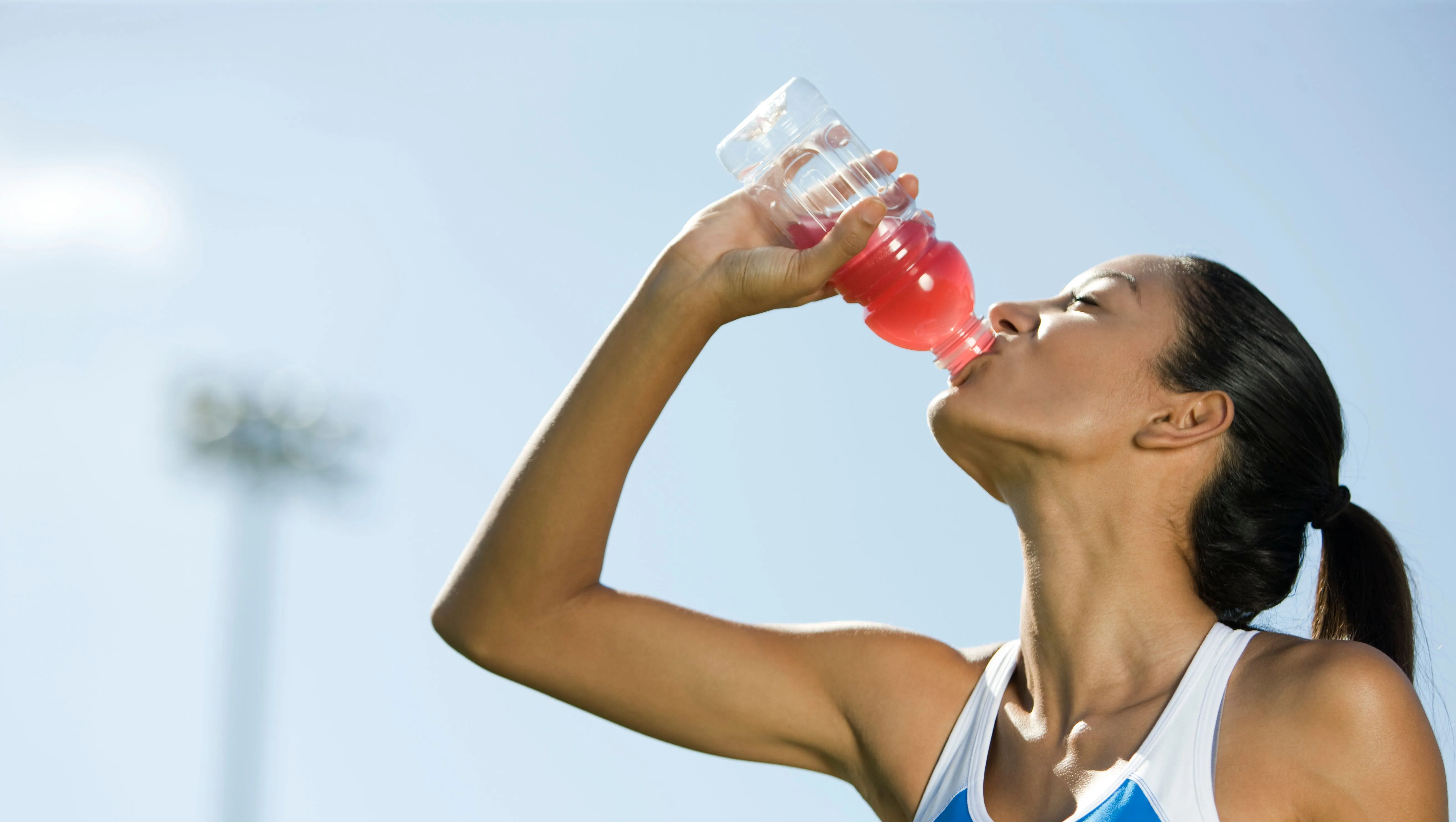
Gatorade is a sports drink designed to help replace fluids, carbohydrates, and electrolytes lost during sweating. Traditional Gatorade Thirst Quencher contains water, sugar, sodium, potassium, flavorings, and color additives. Some versions have less sugar, no sugar, or additional electrolytes.
The key ingredients related to hydration are:
- Water: Supports overall hydration.
- Sodium: Helps the body retain fluid and replace salt lost through sweat.
- Potassium: Supports normal muscle and nerve function.
- Sugar: Provides quick carbohydrates for exercise, but also adds calories.
What Gatorade does not contain is just as important. Standard Gatorade has no dietary fiber, no stool softener, no stimulant laxative, and no proven constipation-specific ingredient. It was created for hydration during sports and intense activity, not for rescuing a sluggish bowel.
Does Gatorade Help With Constipation?
Gatorade can help with constipation only in a limited, indirect way. If you are constipated because you have not been drinking enough fluids, sweating heavily, spending time in hot weather, or recovering from mild fluid loss, drinking Gatorade may improve hydration. Better hydration may help soften stool and support normal bowel movements.
But if you are already well hydrated, Gatorade is unlikely to provide special constipation relief. It does not work like polyethylene glycol, magnesium citrate, psyllium, prune juice, or other commonly used constipation remedies. It also does not add bulk to stool or directly stimulate the intestines.
A realistic way to think about it is this: Gatorade may help fill the “fluid” part of the constipation puzzle, but constipation usually has more than one puzzle piece. Fiber, movement, timing, gut motility, medications, and medical history can all matter.
When Gatorade Might Be Helpful
Gatorade may be useful in certain situations where fluid and electrolyte replacement are needed. For example, if you exercised hard, sweated a lot, worked outside in the heat, or drank very little water during the day, a sports drink may help restore fluid balance. If dehydration is making your stool harder, correcting that dehydration can support bowel regularity.
It may also be easier for some people to drink than plain water because it has flavor. If someone refuses water but will sip a sports drink, that fluid still counts. The best drink is not always the “perfect” drink; sometimes it is the one a person will actually drink.
However, for everyday constipation relief, water is usually the better first choice. It hydrates without added sugar, artificial coloring, or extra calories. Unsweetened beverages, broths, warm tea, and water-rich foods like fruits and vegetables can also contribute to fluid intake.
When Gatorade Is Probably Not the Best Choice
Gatorade may not be ideal if you are drinking it frequently, watching your sugar intake, managing diabetes, limiting sodium, or trying to reduce sugary beverages. Traditional Gatorade contains added sugar, and drinking it throughout the day can add up quickly. Your colon may not mind, but your overall nutrition plan might raise an eyebrow.
People with kidney disease, heart failure, high blood pressure, or conditions requiring sodium or fluid restriction should ask a healthcare professional before using electrolyte drinks regularly. Children should not rely on sports drinks as a daily beverage unless a clinician recommends it. For routine hydration, water is usually the MVP.
Also, Gatorade Zero or low-sugar sports drinks may contain electrolytes but still do not provide fiber. Switching to a zero-sugar version does not magically make it a constipation remedy. It simply changes the sugar and calorie content.
Gatorade vs. Water for Constipation
For most people, water is the better everyday drink for constipation prevention. It is simple, inexpensive, calorie-free, and effective for hydration. If constipation is related to low fluid intake, increasing water may help soften stool over time.
Gatorade may be more useful than water after heavy sweating or prolonged exercise because it replaces sodium and potassium. But if you are sitting at a desk, mildly constipated, and hoping a neon-colored drink will perform digestive wizardry, water plus fiber is usually a more practical plan.
A helpful routine might look like this: drink water regularly, eat fiber-rich foods, move your body daily, and use evidence-based remedies when needed. Gatorade can fit occasionally, but it should not be the star of your constipation strategy.
What Actually Helps Constipation?
If you want real constipation relief, focus on habits and remedies that target stool texture, bowel movement frequency, and gut movement.
1. Increase Fiber Gradually
Fiber adds bulk to stool and helps it hold water. Good sources include beans, lentils, oats, chia seeds, berries, pears, apples with skin, vegetables, and whole grains. The key word is gradually. Going from low fiber to “I ate a bucket of bran” overnight can cause gas, bloating, and regret.
2. Drink Enough Fluids
Fiber works best when paired with fluid. Without enough liquid, fiber can make stool bulkier but still hard to pass. Water, herbal tea, broth, and water-rich fruits all help. Gatorade can count as fluid, but it is usually not necessary unless you need electrolyte replacement.
3. Try Prunes or Prune Juice
Prunes are famous for a reason. They contain fiber and sorbitol, a natural sugar alcohol that can help draw water into the bowel. A small serving of prunes or prune juice may help some people without needing medication.
4. Move Your Body
Physical activity helps stimulate intestinal movement. Walking, stretching, cycling, swimming, or even light household chores can help get things moving. Your gut appreciates motion, even if your couch does not.
5. Build a Bathroom Routine
Try sitting on the toilet at the same time each day, especially after breakfast. The gastrocolic reflex, which is the body’s natural urge to move the bowels after eating, is often strongest in the morning. Give yourself time. Rushing is not a digestive love language.
6. Consider Over-the-Counter Options Carefully
Some people benefit from fiber supplements, stool softeners, osmotic laxatives, or stimulant laxatives. Polyethylene glycol is commonly recommended for constipation because it helps draw water into stool. Stimulant laxatives may be useful short term, but they should not be overused without medical guidance.
Foods and Drinks Better Than Gatorade for Constipation
If constipation relief is the goal, these options are usually more targeted than Gatorade:
- Water: Best daily hydration choice.
- Prune juice: Contains sorbitol and fluid.
- Warm beverages: Coffee or warm tea may stimulate bowel movement in some people.
- Chia pudding: Chia seeds absorb water and provide soluble fiber.
- Kiwi: Provides fiber, fluid, and digestion-supporting compounds.
- Beans and lentils: High-fiber foods that support regularity.
- Oatmeal: A gentle fiber-rich breakfast option.
- Vegetable soups: Combine fluid, fiber, and warmth.
Gatorade hydrates. These foods and drinks do more constipation-specific work.
Can Too Much Gatorade Cause Digestive Problems?
For some people, drinking too much Gatorade may cause stomach discomfort, especially because of the sugar content. Large amounts of sugary drinks can contribute to bloating, loose stools, or calorie overload. While that is not the same as healthy constipation relief, it can still upset your digestive rhythm.
Regularly replacing water with sugary sports drinks may also make it harder to maintain a balanced diet. Sports drinks have a purpose, especially for athletes, heavy sweaters, or people exercising for long periods. But for casual sipping, water usually wins the gold medal.
Is Gatorade Good for Kids With Constipation?
Children can get constipated for many reasons, including low fiber intake, not drinking enough, toilet training stress, holding stool, and changes in routine. Gatorade is not a standard treatment for childhood constipation. Water, age-appropriate fiber-rich foods, regular bathroom habits, and pediatric guidance are better starting points.
If a child has ongoing constipation, painful bowel movements, stool withholding, blood in the stool, vomiting, poor growth, or severe belly pain, a pediatrician should be involved. Giving sports drinks may add sugar without fixing the underlying problem.
What About Gatorade and Electrolytes?
Electrolytes are minerals that help regulate fluid balance, nerve signals, and muscle function. Sodium and potassium are the main electrolytes in many sports drinks. They matter during heavy sweating, prolonged exercise, heat exposure, vomiting, or diarrhea.
Constipation, however, is not usually an electrolyte deficiency problem. It is more often related to stool water content, fiber intake, bowel movement habits, activity level, medications, or gut motility. Unless dehydration is part of the issue, electrolytes alone are unlikely to produce meaningful constipation relief.
Simple Constipation Relief Plan
If you are mildly constipated and do not have red flag symptoms, try this practical approach:
- Drink water regularly throughout the day.
- Add fiber slowly with fruits, vegetables, beans, oats, or whole grains.
- Take a 10- to 20-minute walk after meals.
- Try a warm morning drink.
- Do not ignore the urge to go.
- Use prune juice or prunes if tolerated.
- Ask a pharmacist or clinician about over-the-counter options if symptoms continue.
You can include Gatorade occasionally if you enjoy it or need electrolytes after sweating, but do not rely on it as your main constipation remedy.
When to See a Doctor
Most occasional constipation improves with diet, fluids, activity, and short-term over-the-counter support. But some symptoms need medical attention. Contact a healthcare professional if constipation is new and persistent, lasts more than a couple of weeks, or keeps coming back.
Seek care promptly if you have severe abdominal pain, vomiting, blood in the stool, black stools, unexplained weight loss, fever, anemia, inability to pass gas, or a sudden major change in bowel habits. These symptoms do not mean something serious is definitely happening, but they should not be ignored.
Personal Experiences and Real-Life Examples: Does Gatorade Help or Not?
In everyday life, people often discover the Gatorade-and-constipation question by accident. Someone goes on a long hike, sweats through their shirt, forgets to drink enough water, then feels backed up the next day. After drinking Gatorade, they finally have a bowel movement and assume the drink “cured” the constipation. But the more likely explanation is that their body needed fluids after dehydration. Gatorade helped rehydrate them, and better hydration helped the stool become easier to pass.
Another common experience happens during travel. A person spends all day in airports, drinks coffee instead of water, eats salty snacks, sits for hours, and ignores the urge to use the restroom because public bathrooms are, well, public bathrooms. By evening, constipation appears like an unwanted souvenir. If they drink Gatorade, they may feel a little better because they are finally getting fluids. But the real causes were travel disruption, low fiber, sitting too long, and delayed bathroom urges.
Some people also reach for Gatorade after being sick. If they had a fever, poor appetite, or mild dehydration, a sports drink may feel refreshing and easier to tolerate than plain water. In that situation, Gatorade may support recovery by improving fluid intake. Still, if constipation follows illness, it may also be related to eating less food, taking certain medicines, resting more, or changes in routine. The sports drink is only one small part of the story.
On the other hand, many people drink Gatorade and notice no constipation relief at all. That makes sense. If the real issue is low fiber, a medication side effect, irritable bowel syndrome with constipation, pelvic floor dysfunction, or chronic slow-transit constipation, a bottle of sports drink will probably not do much. It is like trying to fix a flat tire by washing the car. Nice effort, wrong tool.
There are also people who feel worse after drinking sugary beverages. Some may notice bloating, stomach gurgling, or discomfort. Others may find that sweet drinks make them crave more sweet foods, pushing fiber-rich foods further off the plate. If Gatorade replaces water, fruits, vegetables, and balanced meals, it may become part of the problem instead of part of the solution.
A practical example: imagine someone who eats white toast for breakfast, fast food for lunch, pasta for dinner, and drinks very little water. If they add one Gatorade at night, they may still be constipated because their diet remains low in fiber. Now imagine that same person drinks water throughout the day, eats oatmeal with berries, adds a bean soup at lunch, takes a walk after dinner, and has a few prunes. That plan is much more likely to help because it addresses multiple constipation triggers.
The best real-world lesson is this: Gatorade may help when constipation is connected to dehydration, especially after heat or heavy sweating. But it is not a magic bathroom button. For lasting relief, most people need a combination of fluid, fiber, movement, and consistent habits. Your gut likes routine. It does not require a parade, but it does appreciate daily maintenance.
Final Verdict: Effective Relief or Myth?
So, does Gatorade help with constipation? The fair answer is: sometimes, but only indirectly. Gatorade can help hydrate you, and hydration can support softer stools. If dehydration is contributing to constipation, it may help. But Gatorade is not a laxative, not a fiber source, and not a medically proven constipation treatment.
For most people, water, fiber-rich foods, physical activity, prunes, healthy bathroom habits, and appropriate over-the-counter treatments are more effective. Gatorade can be useful after sweating, exercise, or mild fluid loss, but it should not be your main constipation plan. Think of it as a hydration sidekick, not the superhero.
If constipation is severe, persistent, painful, or paired with warning symptoms, talk with a healthcare professional. Your digestive system may be trying to send a message, and unlike a spam email, this one is worth opening.