Sapo: COVID-19 did more than move lectures to Zoom and turn every campus hallway into a hand-sanitizer obstacle course. It changed how students viewed health science careers, reshaped enrollment patterns, exposed clinical training bottlenecks, and forced colleges to rethink how they recruit and support the next generation of healthcare workers.
How COVID-19 Changed the Health Science Enrollment Story
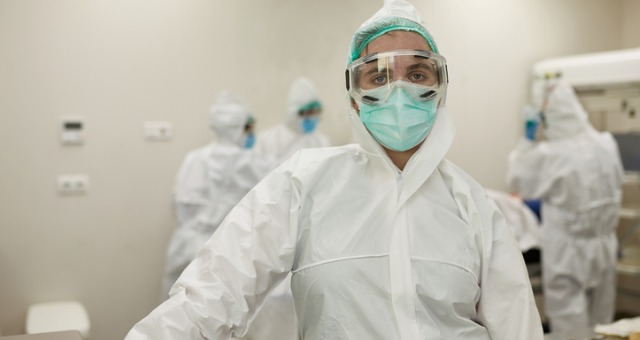
Before the pandemic, many students entered health science disciplines with familiar motivations: stable careers, meaningful work, family influence, strong job prospects, or the noble dream of wearing scrubs without looking like they slept in them. Then COVID-19 arrived, and suddenly the entire healthcare system became front-page news. Nurses, physicians, respiratory therapists, public health experts, pharmacists, laboratory professionals, and emergency responders were no longer background heroes. They were the main characters.
That visibility changed student interest in complicated ways. Some students became more inspired than ever to join healthcare. Others looked at the stress, burnout, infection risk, political tension, and financial uncertainty and quietly said, “Maybe I’ll major in something with fewer N95 marks on the face.” The result was not one simple enrollment trend but a patchwork of gains, losses, delays, and course corrections across health science programs.
Medical schools and public health programs saw noticeable surges in interest during the early pandemic period. Nursing programs continued to attract strong demand but ran into major capacity barriers. Community colleges, which are crucial pipelines for allied health careers, experienced broader enrollment declines that affected many potential future healthcare students. Dental, pharmacy, respiratory care, and other clinical programs faced practical disruptions because hands-on training cannot be fully replaced by a cheerful professor saying, “Please practice this procedure on your couch pillow.”
The “Fauci Effect” and the Medical School Application Boom
One of the clearest early pandemic enrollment shifts appeared in medical school applications. As physicians became highly visible in hospitals, news briefings, research labs, and public health debates, many students felt called toward medicine. Admissions leaders described this as the “Fauci effect,” a shorthand for the way public-facing medical experts inspired a new generation of applicants.
Medical school applications rose sharply for the 2021 cycle. That increase did not necessarily mean every applicant had suddenly discovered a stethoscope under their pillow and heard destiny whispering through it. Several practical factors also played a role. College courses moved online, extracurricular calendars changed, gap-year plans were interrupted, and some applicants had more time to complete essays, study for entrance exams, or reconsider career goals.
Still, the emotional pull was real. Students watched healthcare professionals take risks, make decisions under pressure, comfort families, interpret fast-changing science, and keep showing up. For many, medicine looked less like a prestigious career and more like a public service mission. That shift matters because enrollment decisions are not only economic. They are also identity decisions: “Who do I want to become when the world is on fire?”
More Applications Did Not Mean More Seats Overnight
Here is the enrollment catch: health science programs cannot expand as easily as a streaming service adding another row of documentaries. Medical education requires faculty, clinical sites, simulation labs, accreditation standards, and supervised patient care. More applicants can increase selectivity, but unless schools have enough capacity, the number of enrolled students may grow only modestly.
This distinction is essential for understanding COVID-19’s impact. Interest in health science disciplines rose in some areas, but enrollment depends on infrastructure. A student can be ready. A program can be excited. But if there are not enough clinical placements, lab spaces, faculty members, or preceptors, the enrollment funnel turns into a traffic jam wearing a lab coat.
Nursing Enrollment: High Demand Meets Capacity Limits
Nursing education became one of the most important enrollment stories of the pandemic. Nurses were everywhere: intensive care units, vaccination clinics, testing sites, schools, long-term care facilities, telehealth lines, and public health campaigns. The profession’s visibility soared, but so did public awareness of nurse burnout, staffing shortages, and emotional strain.
Many students remained strongly interested in nursing because the career offers purpose, mobility, and strong workforce demand. However, U.S. nursing schools have long faced a frustrating paradox: plenty of qualified applicants, but not enough seats. Faculty shortages, limited clinical placements, budget constraints, and competition for training sites make expansion difficult.
During and after COVID-19, this capacity challenge became even more obvious. Some programs saw steady or rising interest, while others struggled with enrollment in advanced pathways or degree-completion tracks. Many qualified nursing applicants were turned away nationally, not because they lacked potential, but because programs lacked the resources to admit them. That is a painful sentence for a country that keeps saying it needs more nurses.
Why Nursing Students Reconsidered Their Timelines
The pandemic also changed student decision-making. Some students accelerated their plans because they wanted to join the workforce quickly. Others paused because of family caregiving, job loss, health concerns, mental fatigue, or uncertainty about clinical requirements. Associate degree pathways, practical nursing programs, and accelerated programs became attractive to students who wanted a faster route into healthcare employment.
In plain English: COVID-19 made time feel expensive. Students who were already balancing work, tuition, childcare, and transportation became even more sensitive to program length and cost. A four-year plan that looked manageable in 2019 sometimes looked like climbing a mountain in flip-flops by 2021.
Public Health Programs Had Their Main Character Moment
If there was one field that went from “important but often invisible” to “please explain everything on television by 6 p.m.,” it was public health. Epidemiology, health policy, biostatistics, community health, environmental health, and health communication became dinner-table topics. Suddenly, terms like “flatten the curve,” “community transmission,” and “test positivity” were floating around like confetti at a very anxious parade.
Public health graduate programs saw a notable surge in applications after the onset of the pandemic. Students recognized that health is not only about hospitals and clinics. It is also about data, policy, trust, communication, housing, transportation, misinformation, and whether communities can access care before a crisis explodes.
However, later research suggested that the surge in interest may have been immediate but not fully sustained. That makes sense. The pandemic showcased the importance of public health, but it also revealed the field’s pressures: political conflict, underfunded agencies, public criticism, and the emotional strain of communicating science in real time. Public health education gained attention, but programs now face the challenge of turning crisis-inspired curiosity into long-term commitment.
Health Communication Became a Career Path, Not Just a Soft Skill
COVID-19 also elevated health communication. Students saw that data alone does not save lives if people do not understand it, trust it, or know what to do with it. Schools began emphasizing risk communication, misinformation management, community engagement, and culturally responsive messaging. For health science enrollments, this broadened the definition of who belongs in the healthcare workforce. Not every hero carries a scalpel. Some carry spreadsheets, plain-language fact sheets, and the supernatural patience required to explain vaccine safety for the 400th time.
Community Colleges and Allied Health Pipelines Took a Hit
Community colleges are essential to health science education. They train many future nurses, respiratory therapists, radiologic technologists, dental hygienists, medical assistants, laboratory technicians, emergency medical technicians, and other allied health professionals. When community college enrollment declined during the pandemic, the health workforce pipeline felt the tremor.
Many community college students are older, working, parenting, supporting relatives, or paying tuition without a large financial cushion. COVID-19 disrupted jobs, childcare, transportation, housing stability, and mental health. Even students who wanted health science careers sometimes had to delay enrollment because survival outranked semester planning. No admissions brochure can compete with “my child’s school is closed and my shift just changed.”
Some allied health courses continued in person because they were considered essential, especially when they trained workers needed for the pandemic response. But other hands-on courses were delayed, reduced, or moved into awkward hybrid formats. Programs requiring labs, patient contact, or equipment could not simply become fully online without losing the very skills students came to learn.
Clinical Placement Became the Golden Ticket
Clinical placements became one of the biggest bottlenecks. Hospitals and clinics were overwhelmed, visitor restrictions were common, and many facilities limited student access to protect patients, staff, and learners. That meant some students could complete theory courses online but had trouble finishing required clinical hours on schedule.
For enrollment managers, this created a tough puzzle. Recruiting students is one thing. Promising them a smooth path to graduation is another. If clinical sites are limited, programs may hesitate to admit larger cohorts. Health science enrollment is therefore tied not only to student interest but also to the capacity of the local healthcare ecosystem.
Dental Education: Clinics, Costs, and Delayed Hands-On Learning
Dental education faced a particularly tricky version of pandemic disruption. Dental schools operate clinics where students learn by treating patients under supervision. COVID-19 restrictions, aerosol concerns, infection-control requirements, and patient safety protocols reduced clinic activity. Fewer clinic visits meant fewer training opportunities and less clinical revenue.
Dental schools invested heavily in personal protective equipment, screening tools, ventilation improvements, technology, barriers, and other safety measures. These investments were necessary, but they were not cheap. At the same time, students worried about delayed clinical experiences, graduation timelines, board examinations, and the financial return on an already expensive education.
The pandemic did not erase interest in dentistry, but it made the path feel less predictable. That unpredictability matters. Health science students are willing to work hard. They know the road includes exams, clinical evaluations, and occasional coffee that tastes like printer ink. But they need confidence that the road actually leads somewhere on time.
Pharmacy, Respiratory Care, and Other Health Science Disciplines
COVID-19 affected different disciplines in different ways. Respiratory therapy gained visibility because respiratory therapists were critical in caring for patients with severe breathing problems. The profession’s role in ventilator management, oxygen therapy, pulmonary testing, and emergency care became more widely understood. That visibility may help recruitment, especially as job projections remain strong.
Pharmacy education faced a more complex situation. Pharmacists played major roles in vaccination, medication counseling, testing access, and community health services. Yet pharmacy schools have also faced enrollment challenges connected to job-market perceptions, tuition, workload, and concerns about working conditions. The pandemic highlighted the value of pharmacists, but it also exposed stress in retail and health-system pharmacy environments.
Laboratory science, radiologic technology, emergency medical services, occupational therapy, physical therapy, and physician assistant programs also had to adapt. Some benefited from increased awareness of healthcare careers. Others struggled with delayed labs, reduced shadowing opportunities, limited volunteer experiences, and fewer chances for applicants to explore careers before applying.
The Shadowing Problem
Before COVID-19, many students explored health science disciplines through shadowing, volunteering, campus clubs, hospital work, and informational interviews. During the pandemic, many of those opportunities disappeared or moved online. That created a quieter enrollment problem: students had less exposure to careers before making decisions.
A student cannot fall in love with radiologic technology, respiratory care, or clinical laboratory science if they have never seen those professionals at work. Programs that relied on informal exposure suddenly needed stronger digital recruitment, virtual open houses, alumni panels, simulation demonstrations, and career videos that did more than show smiling students holding clipboards.
Why Some Students Were Inspired While Others Stepped Back
The pandemic created two powerful reactions at the same time. One group of students felt inspired by healthcare workers and wanted to serve. Another group felt alarmed by the risks and stress they saw. Both reactions were rational.
COVID-19 showed healthcare at its best: teamwork, courage, innovation, compassion, rapid research, and public service. It also showed healthcare at its hardest: burnout, moral distress, staffing shortages, misinformation, grief, and long shifts that seemed to bend the laws of time. Health science enrollment sits right in the middle of those realities.
For colleges, the lesson is simple but uncomfortable: inspiration is not enough. Students need advising, financial support, mental health resources, flexible scheduling, career transparency, and honest conversations about what healthcare work is really like. Sugarcoating the profession helps no one. Neither does scaring students away with a doom slideshow. The better approach is clear-eyed encouragement.
How Schools Can Rebuild and Strengthen Health Science Enrollment
Health science programs cannot control every workforce trend, but they can control how they recruit, admit, support, and retain students. The pandemic made several strategies more urgent.
1. Build Stronger Pathways From High School to Healthcare
Early exposure matters. High school partnerships, dual-enrollment courses, health career academies, summer bridge programs, and simulation lab visits can help students imagine themselves in healthcare before college decisions become urgent. Programs should especially focus on first-generation students and communities historically underrepresented in health professions.
2. Expand Clinical Partnerships
Clinical placement capacity is enrollment capacity. Schools need deeper partnerships with hospitals, clinics, long-term care facilities, public health departments, dental clinics, pharmacies, and community organizations. Creative scheduling, shared simulation resources, and regional placement agreements can help reduce bottlenecks.
3. Support Faculty Recruitment and Retention
Faculty shortages limit program growth. Experienced clinicians often earn more in practice than in teaching, which makes academic recruitment difficult. Competitive pay, flexible faculty roles, loan repayment, professional development, and joint appointments can help bring more practitioners into education.
4. Offer Flexible but Rigorous Learning Models
Students appreciate flexibility, but health science education must remain skill-based and safe. Hybrid learning works best when online coursework supports, rather than replaces, hands-on practice. Simulation, virtual case studies, telehealth training, and digital anatomy tools can strengthen learning when used thoughtfully.
5. Be Honest About Costs and Career Outcomes
Students are increasingly practical. They want to know tuition costs, program length, licensure requirements, expected salaries, job demand, and advancement options. Clear information builds trust. Vague promises like “many opportunities await” sound nice, but students also need numbers, timelines, and someone to explain financial aid without using mysterious wizard language.
Experience-Based Reflections: What the Pandemic Felt Like for Health Science Students
To understand COVID-19’s impact on enrollments in health science disciplines, it helps to look beyond charts and imagine the student experience. Picture a first-year nursing student in 2020 who expected anatomy labs, campus study groups, and clinical rotations. Instead, she got recorded lectures, changing safety rules, a family member who lost work, and a clinical schedule that seemed to update more often than her phone apps. Her commitment may have remained strong, but her path became heavier.
Now picture a community college student aiming for respiratory therapy. Before the pandemic, he was not completely sure which health career fit him. Then COVID-19 filled the news with stories about oxygen levels, ventilators, breathing treatments, and overwhelmed ICUs. Suddenly respiratory therapy felt urgent and meaningful. But when he tried to enroll, he discovered prerequisites had shifted online, advising appointments were remote, and clinical spots were limited. Inspiration opened the door, but logistics stood in the hallway checking IDs.
Another student may have been drawn to public health after watching epidemiologists explain outbreaks and seeing how health misinformation spread faster than a rumor in a group chat. She applied to an MPH program because she wanted to work on health equity, community education, and emergency preparedness. Yet she also worried about public hostility toward health officials. Her enrollment decision was not only about career interest; it was about resilience, safety, and whether institutions would support people doing difficult public-facing work.
Dental students had their own version of uncertainty. Imagine paying for a demanding professional program where clinical practice is the heart of training, then learning that patient visits are reduced and safety protocols are changing. Students understood the reasons. Nobody wanted dental education to become a viral distribution center with fluoride. But delayed procedures, fewer patient encounters, and altered board requirements made planning stressful.
For pharmacy students, the pandemic offered both pride and warning signs. Pharmacists became essential access points for vaccines, medication guidance, and public health information. At the same time, many students saw the pressure placed on pharmacy teams, especially in high-volume settings. A career that looked stable also looked exhausting. Programs that want to recruit future pharmacists must speak honestly about expanded clinical roles, workplace challenges, and new opportunities in ambulatory care, informatics, public health, and specialty pharmacy.
Faculty experienced the enrollment shock from another angle. Instructors had to redesign courses quickly, teach online, protect students, preserve academic standards, and reassure applicants. Many became part professor, part IT support, part counselor, and part motivational speaker. “Can you see my screen?” became the unofficial anthem of health science education. Behind the humor, faculty carried serious pressure: if students dropped out or delayed graduation, local healthcare employers would feel it later.
Admissions teams also had to adapt. Traditional campus tours, hospital volunteer hours, entrance interviews, and shadowing experiences were disrupted. Programs learned to recruit through webinars, virtual labs, student ambassador videos, online advising, and digital information sessions. Some of these tools worked surprisingly well. A student who could not drive two hours to campus could attend a virtual open house from the kitchen table. The challenge now is to keep the best digital options while bringing back meaningful hands-on career exploration.
The biggest lesson from these experiences is that enrollment is personal. A national trend may say applications rose or fell, but each student makes a decision inside a real life. They ask: Can I afford this? Will I be safe? Is the career worth it? Can I manage childcare? Will clinical rotations be available? Do I belong here? Will this program help me finish? COVID-19 made those questions louder.
Health science disciplines still offer some of the most meaningful and needed careers in the United States. But the pandemic proved that interest alone cannot sustain enrollment. Students need visible pathways, flexible support, trustworthy advising, and programs that respect both their ambition and their exhaustion. The future healthcare workforce will not appear by magic, although at this point most deans would probably accept a magic wand if it came with accreditation approval.
Conclusion: The Pandemic Did Not Break Health Science EnrollmentIt Revealed Its Weak Spots
COVID-19 reshaped enrollments in health science disciplines by doing two things at once: inspiring many students to pursue healthcare and making the path harder to complete. Medical school and public health interest surged. Nursing demand remained strong but ran into capacity limits. Community college declines threatened allied health pipelines. Dental and other clinical programs struggled with hands-on training disruptions. Pharmacy and respiratory care saw both new visibility and renewed questions about working conditions, career value, and student support.
The core lesson is clear. The United States needs more healthcare workers, but health science enrollment cannot grow sustainably without investment in faculty, clinical sites, advising, financial aid, mental health support, and flexible learning models. Students are still interested in meaningful healthcare careers. They simply need programs built for the real world they now understand better than any generation before them.
The pandemic gave health science education a stress test. Some parts held. Some parts wobbled. A few parts made noises no one wants to hear from a system responsible for the future workforce. The opportunity now is to rebuild smarter, recruit honestly, and help students move from pandemic-inspired interest to graduation, licensure, and long-term service.