Note: This article is written for web publication and synthesizes practical reuse, recycling, gardening, organizing, and home DIY guidance into original content.
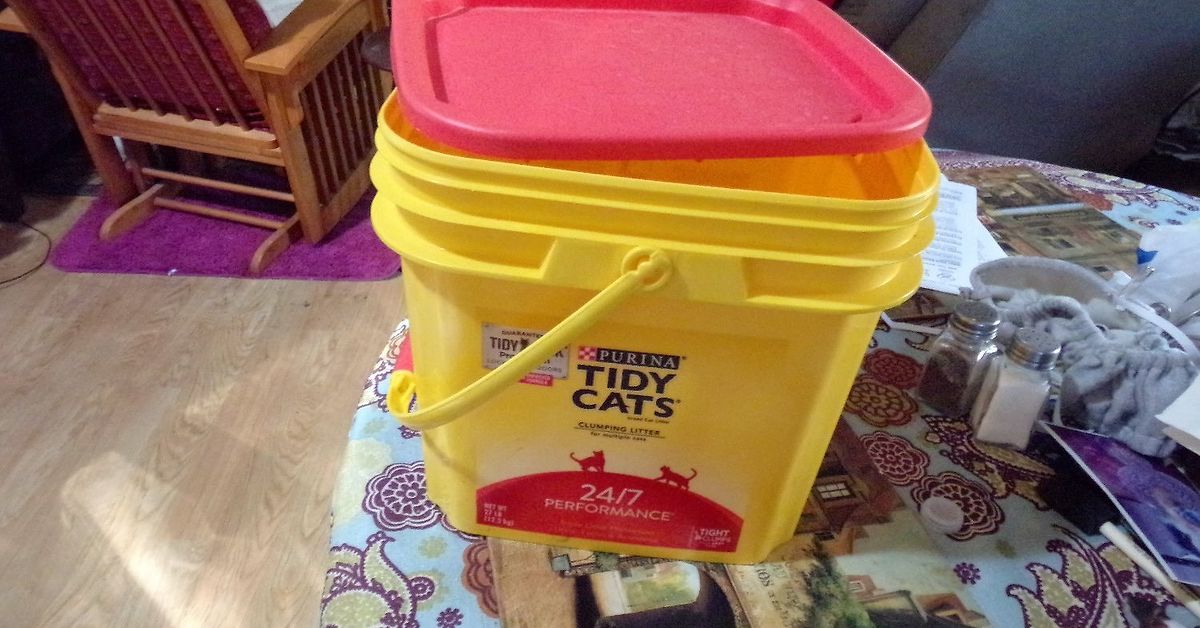
Every cat owner knows the quiet mystery of the empty cat litter bucket. One day it is filled with litter. The next day it sits there, square-shouldered and oddly useful, staring at you like it knows you are about to throw away a perfectly good container. And honestly? The bucket has a point.
Cat litter bucket reuse is one of those simple home habits that feels small but can make a surprisingly big difference. These sturdy plastic pails often come with tight lids, built-in handles, stackable shapes, and enough durability to survive a small domestic earthquake. Instead of sending them straight to the trash, you can turn them into storage bins, garden planters, emergency kits, cleaning caddies, compost helpers, and even outdoor organizers.
The key is using them wisely. Not every bucket should become a food container, and not every project needs glitter, chalk paint, and a three-hour commitment. Sometimes the best reuse idea is simply: wash it, label it, and let it hold the chaos that was previously living under your sink.
Why Reuse Cat Litter Buckets?
Cat litter buckets are usually designed to carry a heavy product, which means they are stronger than many flimsy household containers. Most have wide openings, secure lids, and handles that make them easy to move. That makes them perfect for practical jobs around the house, garage, garden, basement, porch, laundry room, and car.
Reusing them also supports a more sustainable lifestyle. Recycling is helpful when your local program accepts the plastic, but reuse often gives the bucket a longer working life before it ever needs to enter the recycling stream. Think of it as giving the bucket a second career. First job: holding litter. Second job: organizing your entire garage like a tiny plastic manager with a lid.
How to Clean a Cat Litter Bucket Before Reusing It
Before starting any cat litter bucket reuse project, clean the bucket well. Empty out all remaining litter dust, shake it outdoors, and rinse it with warm water. Add dish soap and scrub the inside, lid, handle area, and corners. Cat litter dust can cling to plastic, especially near the seams.
For odor control, use a mixture of warm water and white vinegar, then let the bucket air-dry completely in the sun if possible. Sunlight helps reduce lingering smells, and full drying prevents musty odors later. If the bucket has a strong fragrance from scented litter, leave the lid off for a few days before using it indoors.
Safety Tip: Do Not Use It for Food Storage
Even if the bucket looks clean, avoid using old cat litter buckets for storing drinking water, human food, pet food, flour, rice, sugar, or anything edible. The bucket was not sold as a food-storage container, and the plastic may have absorbed fragrance, dust, or product residue. Use it for non-food purposes instead. Your future sandwich deserves better than “Fresh Scent Clumping Memories.”
Best Cat Litter Bucket Reuse Ideas for the Home
1. Turn It Into a Cleaning Supply Caddy
A cat litter bucket makes an excellent cleaning caddy. Store spray bottles, microfiber cloths, gloves, sponges, scrub brushes, trash bags, and extra soap inside. The handle makes it easy to carry from bathroom to kitchen without doing the awkward “twelve bottles under one arm” shuffle.
For extra organization, place smaller containers inside the bucket to separate items. Keep bathroom cleaners in one bucket, floor-cleaning products in another, and car-cleaning supplies in a third. Label each one clearly so no one mistakes glass cleaner for plant spray.
2. Make a Laundry Room Organizer
Laundry rooms collect odd items like dryer sheets, stain sticks, mesh bags, clothespins, lost socks, and mysterious coins that apparently reproduce in pockets. A reused litter bucket can hold all of them. Add a label such as “Stain Treatment,” “Rags,” or “Lost Socks: Population Growing.”
If you want a cleaner look, cover the bucket with peel-and-stick wallpaper, contact paper, or plastic-friendly spray paint. A simple makeover can turn a branded litter pail into a neat utility bin that does not scream “cat bathroom product” every time you reach for detergent.
3. Create Toy Storage
Cat litter buckets are great for storing small toys, building blocks, sidewalk chalk, bubbles, toy cars, bath toys, and craft supplies. Because many buckets have lids, they help contain clutter quickly. This is especially useful when guests are coming and you need to perform the ancient ritual known as “panic cleaning.”
For children’s rooms, decorate the bucket with stickers or paint. You can also attach a picture label to the front so younger kids know what belongs inside.
4. Use It as a Bathroom Trash Can
With a little cleanup and decoration, a cat litter bucket can become a small bathroom trash can. The lid helps hide waste, and the handle makes emptying easier. If the bucket is too tall, use it in a garage bathroom, laundry area, or pet room where function matters more than magazine-cover elegance.
Cat Litter Bucket Reuse Ideas for the Garage
5. Store Ice Melt or Sidewalk Salt
One of the most practical reuse ideas is storing ice melt. Cat litter buckets are sturdy, moisture-resistant, and easy to carry outside. The lid helps keep salt dry, and the wide opening makes scooping simple. Keep one near the garage door or porch during winter.
This is a perfect example of practical upcycling: no paint, no ribbon, no crafting degree required. Just a bucket doing bucket things.
6. Organize Tools and Hardware
Loose tools multiply when unsupervised. Use empty cat litter buckets to store hand tools, extension cords, paint rollers, sanding blocks, work gloves, garden ties, bungee cords, and small hardware. For screws, nails, anchors, and washers, place smaller jars or plastic cups inside the bucket.
You can also drill holes near the top edge and attach zip ties, hooks, or clips to hold frequently used items. Label each bucket by project type: “Painting,” “Electrical,” “Car Wash,” “Garden Repair,” or “Things I Bought at the Hardware Store While Pretending I Had a Plan.”
7. Make a Portable Car Care Kit
A clean litter bucket can hold car-washing supplies such as sponges, microfiber towels, tire brushes, glass cleaner, wax, and interior wipes. Keep the bucket in the garage or trunk. When it is time to wash the car, everything is already together.
Because the bucket is water-resistant, it can also carry soapy water for exterior cleaning. Just do not use the same bucket for harsh chemicals and delicate car finishes unless it has been thoroughly cleaned.
Cat Litter Bucket Garden Ideas
8. Make a Bucket Planter
A cat litter bucket can become a tough, movable planter for herbs, flowers, peppers, lettuce, or small ornamentals. Drill drainage holes in the bottom before adding soil. Without drainage, water collects around roots and creates the sad swamp of plant failure.
For best results, add several holes across the bottom and raise the bucket slightly on bricks, pot feet, or scrap wood so water can escape. If the bucket will sit on a deck or patio, place a tray underneath to catch runoff.
9. Grow Potatoes or Tomatoes
Large litter buckets can work for container gardening when the plant’s root needs match the container size. Potatoes, dwarf tomatoes, peppers, and herbs can do well in bucket-style containers with good drainage and enough sunlight. Potatoes are especially fun because growing them in buckets feels like performing a magic trick with dirt.
Use quality potting mix rather than dense garden soil. Garden soil can compact inside containers, reducing airflow and drainage. Potting mix stays lighter and helps roots develop better.
10. Build a Mini Compost Collector
A cat litter bucket can serve as a small collector for garden scraps, dry leaves, weeds without seeds, or finished compost. If using it for kitchen scraps before transferring them to an outdoor compost pile, keep the lid on and empty it regularly to avoid odor.
For a simple outdoor compost helper, drill small air holes around the upper sides and use it to collect brown materials such as leaves, shredded paper, and dry plant matter. The bucket will not replace a full compost system, but it can make composting tidier and easier.
11. Store Birdseed or Garden Amendments
Use a cleaned bucket to store non-food garden materials like potting mix, perlite, plant labels, twine, gloves, or fertilizer. If storing birdseed, be cautious: only use a bucket that is extremely clean, dry, and odor-free, and keep it sealed to discourage pests. If the bucket still smells like scented litter, skip the birdseed idea.
Outdoor and Emergency Uses
12. Create an Emergency Car Bucket
A reused cat litter bucket can become a compact emergency kit for your vehicle. Fill it with jumper cables, a flashlight, work gloves, a small first aid kit, bottled water for non-drinking emergency use, reflective triangles, a rain poncho, and a blanket. In winter, add traction material, an ice scraper, and hand warmers.
The bucket keeps supplies together and prevents them from rolling around the trunk like tiny survival maracas.
13. Use It for Camping or Picnics
For camping, a litter bucket can hold tent stakes, rope, lanterns, bug spray, trash bags, fire starters, and dishwashing supplies. At a picnic, it can carry napkins, paper towels, reusable plates, outdoor games, and cleanup items. Once empty, it can become a temporary trash container.
Again, avoid direct food storage. Use it for gear, not sandwiches.
14. Make a Pet Supply Station
Cat litter bucket reuse naturally works well for pet supplies. Use one bucket for grooming tools, flea combs, pet shampoo, towels, nail clippers, and waste bags. Use another for outdoor toys, leashes, harnesses, and travel bowls.
You can even keep a bucket near the litter box to hold clean scoops, liners, deodorizing products, and extra trash bags. It is a tidy way to organize the least glamorous corner of cat ownership.
How to Decorate a Cat Litter Bucket
If you want your bucket to look less like packaging and more like a purposeful storage bin, decoration helps. Clean and dry the plastic first. Lightly scuff glossy surfaces with fine sandpaper if you plan to paint. Use spray paint made for plastic or apply a plastic-compatible primer before painting.
For a no-paint option, try contact paper, waterproof labels, adhesive vinyl, stencils, rope wrapping, or fabric sleeves. Chalkboard labels are useful if the bucket’s job changes often. One month it holds potting soil; the next month it holds Halloween candy wrappers you swear you are saving for “a project.”
What Not to Do With Cat Litter Buckets
Cat litter buckets are useful, but they are not magic. Do not use them for storing edible goods unless the bucket is specifically labeled food-safe and has never held non-food products. Do not use them for gasoline, solvents, or hazardous chemicals unless the container is rated for that material. Do not use cracked buckets for heavy loads, and do not stack them so high that they become a garage avalanche waiting for one innocent sneeze.
Also avoid using dark-colored buckets as planters in extreme heat without monitoring soil moisture. Plastic containers can warm quickly in direct sun, and plants may need more frequent watering.
Can Cat Litter Buckets Be Recycled?
Many plastic cat litter buckets may be recyclable depending on the plastic type and local recycling rules. Look for the resin identification code on the bottom of the bucket, then check your city or county recycling guidelines. Some curbside programs accept rigid plastic containers, while others do not accept bulky pails or containers with handles.
Before recycling, remove leftover litter, rinse the bucket, and let it dry. If the label, lid, or handle is made from a different material, your local program may have specific instructions. When in doubt, reuse first and recycle later. A bucket that stores tools for five years has already done more good than a bucket tossed away after five minutes of guilt.
Real-Life Experience: What Actually Works When Reusing Cat Litter Buckets
The best thing about cat litter bucket reuse is that the most successful ideas are usually the least fancy. In real homes, people do not always need a Pinterest-perfect transformation. They need a container that closes, carries weight, and stops random objects from spreading across the house like a tiny rebellion.
One of the most useful experiences is turning a clean bucket into a garage “grab-and-go” kit. Put work gloves, pruning shears, a small trowel, zip ties, a measuring tape, and a few rags inside. Suddenly, weekend chores become easier because you are not searching six drawers for the one tool you definitely owned last spring. The bucket becomes a portable command center. It is not glamorous, but neither is crawling under a porch looking for a missing screwdriver.
Another practical experience is using cat litter buckets for seasonal storage. Holiday lights, extension cords, garden clips, plant markers, and outdoor decorations fit neatly inside. The lid keeps dust out, and the square shape often stacks better than round buckets. Add a big label on the front and top so you can identify the contents whether the bucket is on a shelf or stacked under other containers.
In the garden, bucket planters can be surprisingly satisfying. Drill drainage holes, add potting mix, plant herbs or peppers, and place the bucket where sunlight is strong. The handle makes it easier to move the plant if a storm is coming or if the afternoon sun becomes too intense. This flexibility is especially helpful for renters, balcony gardeners, or anyone who wants plants without committing to permanent raised beds.
However, experience also teaches a few lessons. First, drainage matters more than enthusiasm. A bucket with no holes is not a planter; it is a plastic pond with basil in it. Second, decoration is optional. If the bucket will live in the shed, do not spend an entire weekend making it look like farmhouse decor unless that brings you joy. Third, odors can linger in scented litter buckets. If a bucket smells strongly perfumed after washing and airing out, use it outdoors or in the garage instead of storing towels or craft supplies.
For families, reused buckets are excellent for activity kits. One bucket can hold sidewalk chalk and bubbles. Another can hold beach toys. Another can hold sports balls, jump ropes, or water balloons. Kids can carry them easily, and cleanup becomes simple: everything goes back into the bucket. This is the rare organizing system that does not require a label maker, a spreadsheet, or a personality transplant.
The biggest lesson is to match the bucket to the job. A clean, sturdy pail with a tight lid is perfect for dry storage, tools, craft supplies, and garden gear. A cracked bucket can still hold weeds temporarily but should not carry heavy items. A strongly scented bucket is better for outdoor storage. A bucket with a damaged lid can become a planter or trash container. Once you start thinking this way, every empty litter bucket feels less like waste and more like a free storage solution wearing a handle.
Conclusion
Cat litter bucket reuse is simple, budget-friendly, and surprisingly satisfying. With a good cleaning and a little imagination, an empty bucket can become a planter, tool bin, cleaning caddy, emergency kit, toy container, garden helper, or garage organizer. The best projects are practical, safe, and suited to the bucket’s condition.
Reuse does not have to be complicated to be valuable. Sometimes sustainability looks like a beautifully painted planter. Sometimes it looks like a bucket full of sidewalk salt by the back door. Either way, that empty cat litter pail has potential. Give it a second life before you send it off to recycling or the trash. Your home gets more organized, your wallet gets a break, and the bucket finally gets the respect it has clearly been demanding from the corner of the laundry room.