Some desk objects politely do their job and then disappear into the scenery. The Carl Auböck Studio Brass Square Paperweight is not one of them. It holds paper, yes, but it also holds attention. Made in the spirit of the legendary Viennese workshop known as Werkstätte Carl Auböck, this solid brass desk accessory turns a simple office task into a tiny design ceremony. You do not merely place it on a stack of notes; you give your desk a monocle and a tailored jacket.
The appeal of the Carl Auböck Studio Brass Square Paperweight sits at the intersection of function, sculpture, and collectible design. It is minimal without being cold, practical without being boring, and refined without acting as if it owns the building. In an age when most desks are crowded with plastic cables, blinking screens, and pens that mysteriously vanish, a brass paperweight feels like a rebellion in excellent taste.
What Is the Carl Auböck Studio Brass Square Paperweight?
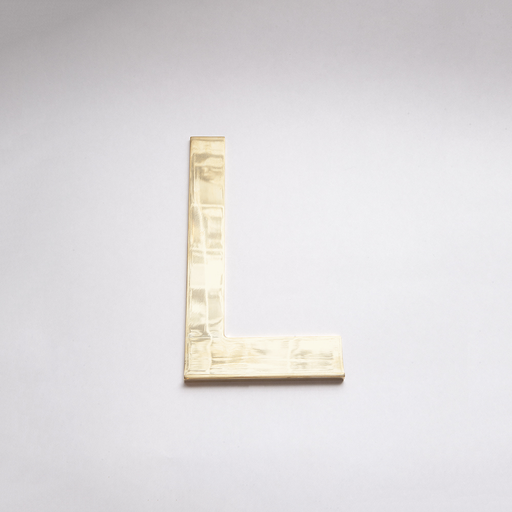
The Carl Auböck Studio Brass Square Paperweight is a solid brass desk object designed to weigh down papers, notes, drawings, letters, and the small avalanche of loose documents that every workspace seems to produce. The square form is part of its quiet genius. Instead of imitating an animal, a hand, a fruit, or one of the workshop’s more playful shapes, it echoes the geometry of the desk itself: paper corners, notebook edges, architectural drawings, envelopes, and rectangles of thought waiting to become something useful.
Product listings commonly describe the piece as measuring about 7 by 4 inches and weighing around 8 ounces. That size gives it enough presence to feel substantial while keeping it easy to move. It is not a doorstop pretending to be sophisticated. It is a precise, elegant desktop tool with enough weight to keep papers from performing their little wind ballet near an open window.
A Simple Shape With a Lot of Design Confidence
The square paperweight succeeds because it does not try too hard. There are no decorative acrobatics, no unnecessary flourishes, and no “look at me, I studied design theory” drama. The shape is restrained, but the material does the talking. Polished brass brings warmth, depth, and a glow that changes throughout the day. Morning light makes it crisp; afternoon light makes it mellow; evening lamplight turns it into a small golden landmark.
That is the magic of a good brass desk accessory. It does not need to shout. It simply sits there, aging gracefully, reflecting its surroundings, and making your to-do list look slightly more important than it probably is.
The Carl Auböck Legacy: Viennese Craft Meets Modern Wit
To understand why this paperweight matters, it helps to know the story behind the name. Werkstätte Carl Auböck grew out of Vienna’s rich tradition of metalwork and decorative arts. The workshop is associated with multiple generations of the Auböck family, especially Carl Auböck II, whose education at the Bauhaus helped shape the studio’s distinctive blend of modernism, craftsmanship, and humor.
Auböck objects often blur the line between sculpture and utility. A corkscrew may hide inside a key. A paperweight may take the form of a foot, hand, egg, walnut, paperclip, chain, or clothespin. These pieces are useful, but they also wink at the user. They seem to say, “Yes, I can hold down a receipt, but I can also improve your personality by association.”
Why Collectors Care About Auböck Desk Objects
Collectors are drawn to Auböck pieces because they combine several qualities that rarely arrive in the same package: handmade tradition, modernist clarity, sculptural charm, and everyday usefulness. Many design objects are beautiful but helpless. They sit on a shelf and demand admiration like tiny aristocrats. Auböck’s work is different. His objects are meant to be touched, moved, used, and enjoyed.
The brass square paperweight fits that tradition perfectly. It does not need a museum pedestal. Its natural habitat is a desk, writing table, studio, library shelf, reception counter, or home office. It improves the view while doing actual work, which is more than can be said for many decorative accessories and at least three coworkers in every office.
Material Matters: Why Brass Works So Well
Brass is one of the reasons the Carl Auböck Studio Brass Square Paperweight feels special. As an alloy of copper and zinc, brass has a warm yellow-gold tone that looks luxurious without sliding into flashy territory. It is sturdy, satisfying in the hand, and capable of developing a patina over time. That patina is not a flaw. For many owners, it is the best part.
Unlike materials that look worse with use, brass often gains character. Fingerprints, light oxidation, and subtle color changes become part of the object’s story. A brand-new polished brass paperweight looks crisp and gallery-ready. A well-used one looks lived-in, confident, and quietly wise, like it has seen several drafts, two tax seasons, and one dramatic resignation letter.
Polished Brass vs. Patina
Some owners prefer a gleaming polished finish. Others allow brass to darken naturally. Both approaches can be beautiful, but they create different moods. Polished brass is bright, reflective, and formal. Patinated brass is softer, warmer, and more relaxed. The right choice depends on your taste and how you want the object to live on your desk.
If you love a clean modern workspace, occasional gentle cleaning may keep the paperweight looking sharp. If you prefer objects that show time and use, let the brass age naturally. Either way, avoid aggressive polishing. Brass may be strong, but repeated abrasive cleaning can gradually reduce surface detail and alter the finish. In other words, do not treat your paperweight like a frying pan after a pancake emergency.
Design Analysis: Why the Square Form Works
The square format makes this paperweight especially versatile. Round paperweights can look charming, but they sometimes feel visually separate from the documents beneath them. The Auböck square form aligns with the language of paper: straight edges, right angles, margins, folders, blueprints, receipts, and cards. It feels as if it belongs to the document world rather than simply sitting on top of it.
This is where the design becomes clever. The object is not just heavy; it is visually logical. On a stack of papers, it creates order. On a desk, it creates a small architectural moment. On a shelf, it becomes a minimal brass sculpture. It can live in a traditional office, a minimalist home, a creative studio, or a collector’s cabinet without looking lost.
Minimalism With Warmth
Many minimalist desk accessories can feel sterile. They look as if they were designed inside a very expensive refrigerator. The Carl Auböck brass square paperweight avoids that problem because brass brings human warmth to a strict geometric shape. The result is clean but not cold, elegant but not stiff.
That balance is part of the Auböck language. The studio’s best-known pieces often combine disciplined craftsmanship with a sense of humor or tactility. Even when the square paperweight is more restrained than the workshop’s whimsical hand or foot designs, it still carries that family DNA: useful, sculptural, and quietly memorable.
How to Style the Carl Auböck Brass Square Paperweight
The easiest way to style this paperweight is also the most obvious: place it on a stack of papers you actually use. A brass square on cream stationery, handmade paper, architectural sketches, or a leather desk pad looks instantly intentional. It says, “I have a system,” even if the system is mostly hoping the important bill is somewhere under the coffee mug.
For a modern office, pair it with black, walnut, glass, or stone surfaces. Brass loves contrast. On a dark desk, it becomes a bright focal point. On light oak or maple, it feels warm and Scandinavian-adjacent without pretending to be from a cabin. On marble or travertine, it looks polished and architectural.
Best Places to Use It
The paperweight works beautifully in a home office, study, library, entry console, boutique counter, design studio, or executive desk. It can hold mail near the front door, keep menus in place at a restaurant host stand, anchor stationery in a guest room, or add a refined touch to a bookshelf. It is also a smart gift for architects, writers, designers, lawyers, editors, professors, collectors, and anyone who owns too many notebooks but insists they are all “for different projects.”
Because the piece is visually simple, it can support many aesthetics: mid-century modern, contemporary, traditional, industrial, eclectic, academic, and luxury minimalism. It is not trendy in the disposable sense. It has the kind of quiet staying power that outlasts color-of-the-year announcements and suspiciously tiny accent chairs.
How It Compares With Other Auböck Paperweights
The Auböck workshop is famous for imaginative desk objects, including brass hands, feet, eggs, paperclips, clothespins, chains, hearts, walnuts, and other playful forms. Compared with those more figurative designs, the brass square paperweight is more understated. It does not immediately announce itself as a joke, symbol, or conversation piece. Instead, it rewards closer attention.
That makes it ideal for someone who appreciates the Auböck legacy but wants a cleaner, more architectural piece. The hand paperweight may steal the show. The foot paperweight may start conversations. The square paperweight simply improves the room, like excellent lighting or a perfectly tailored blazer.
Why Choose the Square Version?
Choose the square paperweight if you want a design that feels timeless, mature, and easy to integrate. It is less whimsical than some Auböck classics, but that restraint is its advantage. It can sit on a serious desk without looking novelty-driven, yet it still carries the collectible appeal of the Carl Auböck name.
It is also easier to style in pairs or with other desk objects. A brass square next to a fountain pen, notebook, letter opener, or leather tray creates a neat desktop composition. Add a small lamp and a cup of coffee, and suddenly your desk looks as if important novels are written there, even if the main project is answering emails with heroic restraint.
Care Tips for a Brass Paperweight
Caring for a brass paperweight is not complicated, but it does require a little restraint. First, dust it regularly with a soft, dry cloth. This prevents grit from building up and reduces the need for heavier cleaning. Second, handle it with clean hands when possible, especially if you prefer a polished finish. Oils and moisture from fingers can leave marks, though many owners accept this as part of brass’s natural aging.
If you want to polish it, use the gentlest method available and test carefully. Avoid harsh abrasives, rough pads, or overenthusiastic polishing routines. With collectible brass objects, more shine is not always better. A soft glow often looks richer than a mirror finish that has been scrubbed within an inch of its life.
Should You Remove Patina?
Before removing patina, ask yourself whether the aged surface adds character. On many brass pieces, patina is part of the charm and can even enhance the sense of history. If the object is vintage, rare, signed, or part of a design collection, aggressive polishing may reduce its appeal. When in doubt, clean gently rather than polish dramatically.
For everyday use, a simple routine is enough: dust, wipe with a soft cloth, keep it dry, and avoid leaving it in damp environments. If the paperweight sits on delicate paper, leather, or pale stone, occasionally check the underside to make sure no residue transfers. Brass is charming, but it does not need to leave autographs everywhere.
Buying Considerations: What to Look For
When considering a Carl Auböck Studio Brass Square Paperweight, pay attention to material, finish, dimensions, condition, and seller credibility. Newer pieces may come from authorized retailers or design shops. Vintage examples should be examined more carefully for markings, provenance, casting quality, surface wear, and signs of excessive polishing.
Look for clean edges, good weight, a convincing finish, and a quality of construction consistent with fine metalwork. If buying online, review photos from multiple angles, especially the underside and edges. A trustworthy seller should provide clear measurements, condition notes, and accurate attribution. If the listing is vague, blurry, or priced like either a miracle or a trap, proceed with the caution of a cat inspecting a cucumber.
Is It Worth the Price?
The value of the paperweight depends on what you expect from it. If you only need something heavy to stop papers from moving, a coffee mug can technically do the job. But if you want a functional design object connected to a respected workshop, handmade metal tradition, and the enduring appeal of Viennese modernism, the Carl Auböck brass square paperweight offers more than utility.
It is a piece for people who enjoy small daily luxuries. You see it whenever you sit down to work. You touch it when organizing papers. You watch it change as light moves across the room. That kind of pleasure is difficult to measure, but easy to understand once the object is in use.
Experience Section: Living With the Carl Auböck Studio Brass Square Paperweight
The first thing you notice about the Carl Auböck Studio Brass Square Paperweight is its calmness. That may sound odd, because paperweights are not generally known for their emotional range. Still, this one has a way of making a desk feel more settled. Place it on a messy stack of papers and the pile suddenly looks less like evidence of procrastination and more like a curated work in progress. It does not solve the paperwork problem, of course, but it gives the paperwork better posture.
In daily use, the rectangular shape is more practical than it first appears. It covers a meaningful area of paper without taking up too much room. It can hold down a folded letter, a small stack of invoices, a sketch, or a few index cards. Because it is slim and easy to grip, moving it around becomes natural. You pick it up, shift it, slide a document underneath, and place it back down. The motion feels deliberate, almost ritualistic, which is a pleasant upgrade from slapping your phone on top of a receipt and hoping for the best.
The brass surface also changes how you experience the object. On day one, it may feel bright and formal, like it has just arrived from a very tasteful dinner party. After weeks of handling, it begins to relax. Tiny marks and tonal shifts appear. The surface becomes less showroom-perfect and more personal. This is where the paperweight becomes yours. It records use without looking worn out. A laptop gets scratched and looks tired; brass gets touched and starts telling stories.
There is also a psychological benefit. A beautiful paperweight can make a workspace feel intentional, even on days when your browser has twelve tabs open and none of them are helping. It creates a small anchor point. Writers may use it to hold draft pages. Designers may use it on mood boards or print samples. Architects may appreciate its geometric discipline. Students may use it to pin down notes, though it may also silently judge late assignments with Viennese elegance.
As a gift, the paperweight has unusual strength. It feels personal without being risky. You do not need to know someone’s clothing size, fragrance preference, or opinion on decorative pillows. A brass desk object suits many personalities: the minimalist, the collector, the executive, the professor, the stationery lover, the design nerd, and the friend who claims they “do not need anything” while secretly appreciating excellent objects.
Over time, the best experience comes from not treating it as precious. Use it. Move it. Let it sit in the sun. Let it hold real papers, not just staged ones. A Carl Auböck brass square paperweight is refined, but it is not fragile in spirit. Its beauty comes from function, touch, and the quiet satisfaction of an object doing exactly what it was made to do, while looking ridiculously good at it.
Conclusion
The Carl Auböck Studio Brass Square Paperweight proves that a small desk object can carry a large design story. It connects everyday work with Viennese craftsmanship, Bauhaus-influenced modernism, solid brass materiality, and the Auböck workshop’s long-standing talent for turning useful things into collectible objects. Its square shape is simple, but not plain. Its brass finish is elegant, but not fussy. Its purpose is humble, but its presence is unmistakable.
For anyone building a thoughtful workspace, collecting mid-century modern design, or searching for a gift that feels tasteful without trying too hard, this paperweight deserves attention. It keeps papers in place, gives the desk a visual anchor, and adds the kind of quiet luxury that improves everyday routines. In a world of disposable office supplies, the Carl Auböck brass square paperweight feels refreshingly permanent.
Note: This original article was written for web publication in standard American English and is based on real publicly available information about Carl Auböck Studio, Werkstätte Carl Auböck, brass paperweights, and responsible brass care.