A 12 in. braising skillet is the cookware equivalent of that friend who can host dinner, fix a sink, and somehow still remember everyone’s birthday. It sears like a skillet, simmers like a shallow braiser, finishes beautifully in the oven, and saves you from washing three extra pans after dinner. That alone deserves a standing ovation from anyone who has ever stared into a sink full of “I’ll clean it later” regret.
At first glance, a 12-inch braising skillet may look like a large covered frying pan. But the magic is in the shape: a wide cooking surface, moderately high sides, and a fitted lid. That combination lets you brown chicken thighs, build a sauce, add a splash of broth or wine, cover the pan, and let everything relax into tenderness. It is not just a pan. It is a weeknight dinner strategy.
This guide explains what a 12 in. braising skillet is, how it compares with other pans, what materials matter, what you can cook in it, and how to choose one that earns its cabinet space. Because cookware should work hard, look good, and not require a user manual thicker than a lasagna.
What Is a 12 in. Braising Skillet?
A 12 in. braising skillet is a wide, shallow pan designed for browning food and then gently cooking it with a small amount of liquid. The 12-inch size is measured across the top rim, not the bottom cooking surface, which matters because the base is usually slightly smaller. Still, it gives you enough room to cook for two to four people without crowding the pan.
The best versions usually include a lid. That lid is what turns a skillet into a braising tool. Without it, moisture escapes quickly. With it, steam and heat stay inside, helping tougher cuts of meat, firm vegetables, grains, and sauces cook evenly. Think golden sear first, cozy steam bath second.
The shape sits somewhere between a frying pan, a sauté pan, and a traditional braiser. A standard skillet has lower sloped sides and is great for quick frying. A sauté pan has straight sides and more capacity. A Dutch oven has tall walls and excels at soups, stews, and big batches. A braising skillet borrows from all of them but stays lower and wider, which makes browning and sauce reduction easier.
Why the 12-Inch Size Matters
A 10-inch pan is useful, but it can feel cramped when you are cooking chicken pieces, pork chops, meatballs, cabbage wedges, or enough vegetables to convince yourself dinner is “balanced.” A 12-inch covered skillet gives food breathing room. That is important because crowded food steams instead of browns.
Browning is not just about color. It creates savory flavor on the surface of meat and vegetables. When the pan is too small, moisture builds up, the temperature drops, and your beautiful chicken thighs become pale, nervous little things. A 12-inch braising skillet gives you more surface area, which means better searing and fewer batches.
The size also works well for one-pan meals. You can brown sausage, add onions and peppers, stir in beans or grains, cover the skillet, and let everything cook together. It is large enough to be useful but not so massive that storing it feels like adopting a cast-iron turtle.
Braising Skillet vs. Frying Pan vs. Dutch Oven
Braising Skillet vs. Frying Pan
A frying pan is excellent for eggs, pancakes, quick sautés, and crisping foods. But many frying pans do not come with lids, and their lower sides make saucy dishes more risky. One enthusiastic stir and suddenly your tomato sauce is redecorating the stovetop.
A braising skillet gives you more depth and better moisture control. You can still sear, sauté, and fry, but you also get the ability to simmer and braise without switching pans.
Braising Skillet vs. Sauté Pan
A sauté pan usually has straight sides and a wide flat bottom. It is great for shallow frying, reducing sauces, and cooking larger amounts of food. A braising skillet often has slightly sloped or rounded sides, which makes stirring and serving easier. It may also look better on the table, which is helpful when dinner tastes amazing but your dining room is actually your desk.
Braising Skillet vs. Dutch Oven
A Dutch oven is deeper and better for soups, stews, bread baking, and liquid-heavy recipes. A braising skillet is shallower and better for recipes that start with a sear and finish with a modest amount of liquid. For short ribs, chicken thighs, meatballs in sauce, pork chops with apples, or braised greens, the braising skillet often feels faster and more efficient.
Best Materials for a 12 in. Braising Skillet
Stainless Steel
A stainless steel braising skillet is a favorite for cooks who love browning, fond, and pan sauces. Fond is the browned layer that sticks to the bottom of the pan after searing. It may look like trouble, but it is actually flavor waiting for a splash of broth, wine, vinegar, or stock.
Fully clad stainless steel, especially tri-ply or five-ply construction, distributes heat more evenly than thin stainless pans. It is durable, oven-friendly, and great for acidic ingredients like tomatoes, lemon, and wine. The trade-off is that stainless steel requires technique. Preheat the pan, add oil, and let food release naturally before flipping.
Enameled Cast Iron
An enameled cast iron braiser is excellent for steady heat, slow cooking, and handsome table presentation. It holds warmth well and is forgiving for gentle braises. The enamel surface also means you do not have to season it like bare cast iron.
The downside is weight. A 12-inch enameled cast iron braising skillet with a lid can feel like a small gym membership. Large handles help, especially when moving the pan from stovetop to oven.
Bare Cast Iron
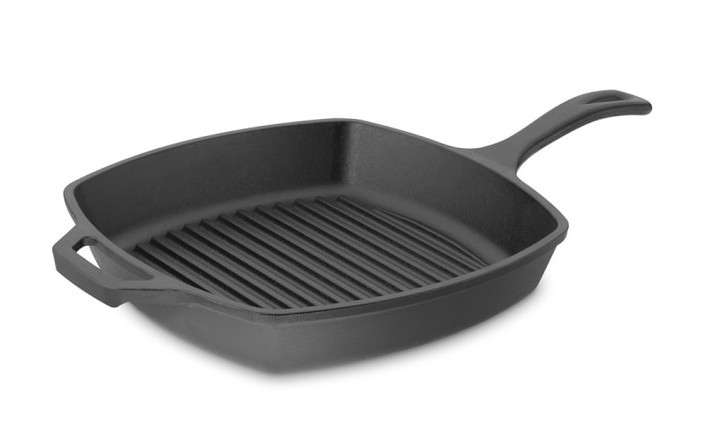
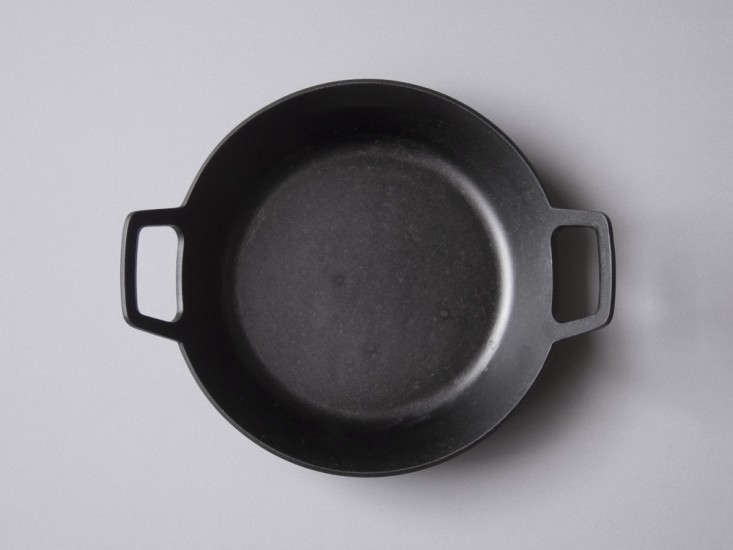
Bare cast iron is affordable, nearly indestructible, and great for searing. It can braise, bake, fry, and roast. However, acidic sauces can affect seasoning if cooked for long periods, and the pan needs proper drying and oiling after washing.
If you like rustic cooking, cornbread, crispy potatoes, steak, and chicken thighs, cast iron earns its keep. Just do not leave it soaking overnight unless you enjoy cookware drama.
Hard-Anodized Nonstick
A nonstick or hard-anodized covered skillet is convenient for lower-fat cooking and easy cleanup. It works well for delicate foods, saucy vegetables, rice dishes, and quick braises. The limitation is high-heat searing. Nonstick surfaces generally should not be overheated, and metal utensils can damage the coating.
Choose this material if convenience matters most. Choose stainless steel or cast iron if you want deeper browning and long-term durability.
What Can You Cook in a 12 in. Braising Skillet?
The short answer: a lot. The long answer: dinner, leftovers, and the occasional dessert that makes everyone suspiciously quiet.
Chicken Thighs with Pan Sauce
Sear bone-in or boneless chicken thighs until browned. Remove them, sauté onions and garlic, deglaze with broth or wine, then return the chicken to the pan. Cover and simmer gently until cooked through. Finish uncovered to reduce the sauce.
Meatballs in Tomato Sauce
A 12-inch braising skillet has enough surface area to brown meatballs before they simmer. Add tomato sauce, cover, and let the meatballs cook gently. The wide pan helps the sauce thicken without tasting watery.
Pork Chops with Apples and Onions
Sear pork chops, then cook sliced onions and apples in the same pan. Add a little stock, mustard, or cider vinegar, cover briefly, and finish until the pork is tender. It tastes like fall, even if you are eating it in sweatpants in April.
Risotto, Paella, and Grain Dishes
The wide base is useful for rice and grains because liquid evaporates evenly. You can toast grains, add aromatics, pour in liquid, and simmer under the lid. A glass lid is especially handy because you can monitor progress without releasing heat every two minutes like an anxious helicopter parent.
Braised Greens and Vegetables
Kale, collards, cabbage, fennel, carrots, leeks, and green beans all do well in a braising skillet. Start with oil and aromatics, add vegetables, splash in liquid, cover, and cook until tender. Remove the lid at the end to concentrate flavor.
Skillet Desserts
A 12-inch oven-safe braising skillet can handle a skillet cookie, fruit crisp, cornbread, or upside-down cake. If the pan has non-metal parts, check the manufacturer’s oven limit first. Dessert should be dramatic, not dangerously melty.
How to Use a 12 in. Braising Skillet Like a Pro
Step 1: Preheat Properly
Give the pan time to warm up before adding food. For stainless steel, a proper preheat helps reduce sticking. For cast iron, it helps distribute heat more evenly. For nonstick, use moderate heat and avoid blasting the pan empty for too long.
Step 2: Brown in Batches if Needed
Even a 12-inch skillet has limits. If food touches edge to edge, brown in batches. This is not extra work; it is flavor insurance.
Step 3: Build Flavor with Aromatics
After searing, add onions, garlic, shallots, celery, carrots, ginger, peppers, or herbs. These ingredients pick up the browned bits and create the base of the dish.
Step 4: Deglaze the Pan
Add a small amount of liquid and scrape the bottom with a wooden spoon or silicone spatula. Broth, wine, cider, coconut milk, tomato sauce, or even water can work, depending on the recipe.
Step 5: Cover and Simmer Gently
Braising is not boiling with confidence. Keep the heat low to medium-low so the liquid bubbles gently. Too much heat can make meat tough and sauces harsh.
Step 6: Finish Uncovered
Once the food is tender, remove the lid and reduce the sauce until it coats a spoon. This final step turns a good dish into a “who made this?” dish.
Buying Guide: What to Look For
A Tight-Fitting Lid
A lid is essential for braising. Stainless lids are durable and oven-friendly. Glass lids let you peek without lifting, but they may have lower oven-safe limits. Always check the product instructions.
Oven-Safe Construction
A good braising skillet should move from stovetop to oven. All-metal stainless steel and cast iron pans usually tolerate higher temperatures than pans with plastic, silicone, or wood components. If you plan to broil, verify that the pan and lid are broiler-safe.
Comfortable Handles
A 12-inch skillet can get heavy when full of food. Look for a helper handle or two loop handles. Wide handles are especially useful with oven mitts.
Enough Depth
The skillet should be deep enough for liquid, vegetables, and sauce, but not so deep that it acts like a stockpot. Around 2 to 3 inches of side height is often practical for everyday braising.
Cooktop Compatibility
If you use induction, confirm the pan is induction-compatible. Stainless steel with a magnetic exterior, cast iron, and many clad pans work well on induction. Some aluminum nonstick pans need a special magnetic base.
Common Mistakes to Avoid
Using Too Much Liquid
Braising usually uses less liquid than stewing. The food should not always be fully submerged. Too much liquid can dilute flavor and turn your skillet into a soup audition.
Skipping the Sear
Browning creates depth. If you add everything to the pan and cover it immediately, the dish may cook, but it will lack the rich flavor that makes braising special.
Cooking at a Hard Boil
A covered pan traps heat quickly. Once the liquid is simmering, lower the heat. Gentle cooking is the point.
Ignoring Food Safety
Use a thermometer for meat and poultry. Braised dishes can look done before they are safely cooked, especially when sauce covers everything like a delicious disguise.
Choosing the Wrong Pan for the Job
If you mainly cook eggs and fish, a nonstick skillet may be better. If you make soups every week, a Dutch oven may be more useful. But if you like seared proteins, saucy dinners, oven finishes, and one-pan meals, a 12 in. braising skillet is a strong choice.
Cleaning and Care Tips
For stainless steel, let the pan cool slightly, then soak with warm water if food is stuck. A gentle scrub and a stainless cleaner can remove discoloration. Avoid harsh scraping that damages the finish.
For enameled cast iron, avoid sudden temperature changes. Do not pour cold water into a screaming-hot pan. Use nonabrasive tools and let stubborn residue soak. Enamel is tough, but it is not a superhero cape.
For bare cast iron, wash, dry completely, and apply a thin layer of oil. Never leave it wet. Rust is basically cast iron’s way of sending a strongly worded complaint.
For nonstick, use silicone, nylon, or wooden utensils. Keep heat moderate and avoid aerosol cooking sprays if the manufacturer warns against them. Hand washing often extends the life of the coating.
Is a 12 in. Braising Skillet Worth It?
Yes, if you want a pan that can handle weeknight meals and weekend cooking projects. A 12 in. braising skillet is especially useful for small families, couples who like leftovers, or anyone who enjoys one-pan recipes. It can replace several pieces of cookware for certain meals, which is great if your kitchen cabinets already sound like a drum solo every time you open them.
It is less essential if you already own a large sauté pan, Dutch oven, and covered skillet that you love. But even then, the braising skillet’s wide base and lid make it uniquely convenient. It is not a gimmick pan. It is a practical hybrid.
Real Kitchen Experience with a 12 in. Braising Skillet
Using a 12 in. braising skillet regularly changes how you think about dinner. The biggest difference is flow. Instead of cooking protein in one pan, sauce in another, and vegetables somewhere else, you start building meals in layers. First comes the sear, then the aromatics, then the liquid, then the lid. It feels organized, even when the kitchen counter is covered with onion skins and one measuring spoon has mysteriously vanished.
One of the most satisfying experiences is cooking chicken thighs. In a smaller pan, they often crowd together, and the skin softens before it browns. In a 12-inch braising skillet, the pieces have room. The skin gets color, the fat renders, and the browned bits on the bottom become the beginning of the sauce. Add garlic, lemon slices, thyme, and a little stock, then cover the pan and let it simmer gently. The result tastes slow-cooked, but the process feels relaxed.
The pan is also excellent for vegetables that need both browning and tenderness. Cabbage wedges are a perfect example. Sear them cut-side down until dark golden, add broth and a splash of vinegar, cover, and cook until the cores soften. Remove the lid and reduce the liquid until glossy. Suddenly cabbage goes from “responsible side dish” to “why did I not make more?”
Another real-world advantage is portion control. A 12-inch braising skillet is large enough for four servings but not so huge that you accidentally make enough food for a neighborhood committee. It works well for pasta bakes, saucy beans, shrimp with tomatoes, turkey meatballs, skillet lasagna, and rice dishes. When the pan is attractive enough to go to the table, serving becomes easier too. Fewer dishes, fewer transfers, fewer chances to drop a meatball onto the floor and pretend nobody saw it.
There are small annoyances. A fully loaded cast iron or enameled pan can be heavy. Stainless steel may require patience before food releases. Nonstick versions are easier to clean but not as strong for deep browning. A glass lid is convenient, but it may limit oven temperature. These details matter, but they are manageable if you choose the material that matches your cooking style.
The best experience comes from treating the pan as a flavor-building tool, not just a container. Let food brown. Do not rush the simmer. Taste the sauce before serving. Finish with acid, herbs, butter, or olive oil. A 12 in. braising skillet rewards these small steps. It turns ordinary ingredients into meals that feel thoughtful, hearty, and a little restaurant-like, without requiring tweezers, foam, or a chef yelling in the background.
Conclusion
A 12 in. braising skillet is one of the most useful pans for home cooks who want big flavor without complicated cleanup. Its wide surface encourages browning, its sides hold sauce, and its lid makes gentle braising possible. Whether you choose stainless steel, enameled cast iron, bare cast iron, or hard-anodized nonstick, the right pan can handle chicken, pork, vegetables, grains, meatballs, and even desserts.
The best choice depends on how you cook. Stainless steel is ideal for searing and pan sauces. Enameled cast iron is excellent for steady heat and table presentation. Bare cast iron is rugged and affordable. Nonstick is convenient and easy to clean. But in any material, the 12-inch size gives you the space and flexibility that smaller pans often lack.
If your kitchen needs one pan that can brown, simmer, bake, serve, and reduce the number of dishes glaring at you after dinner, a 12 in. braising skillet deserves serious consideration. It may not do your grocery shopping, but honestly, give cookware technology a few more years.