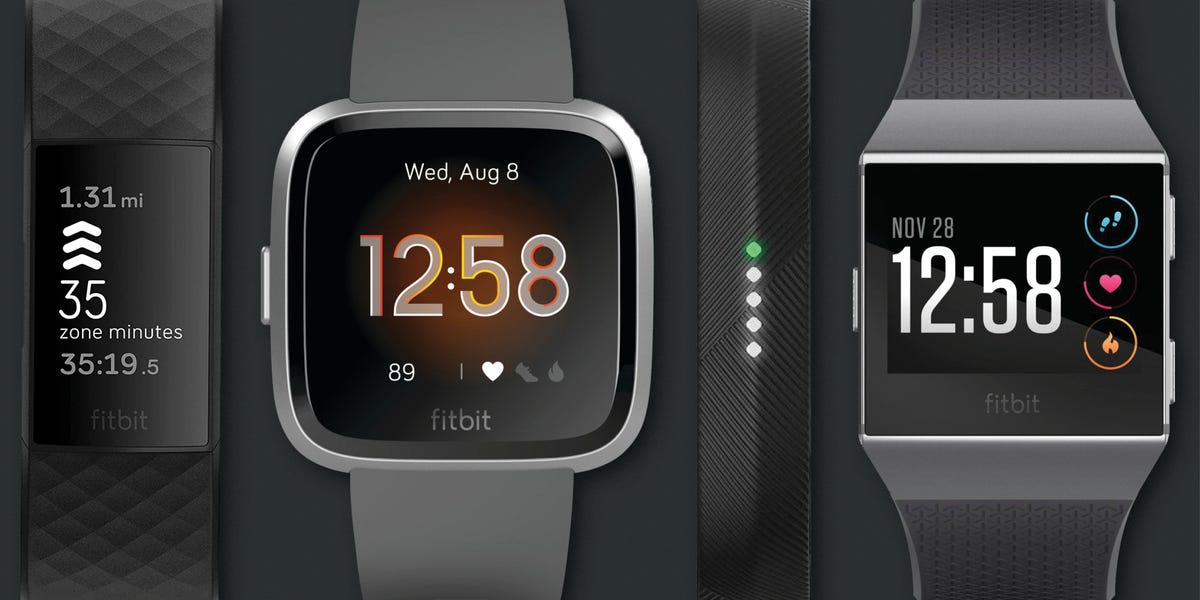
Choosing the best Fitbit in 2021 was a little like walking into a smoothie shop with 47 flavors and pretending you already knew what you wanted. Fitbit had sleek fitness bands, full smartwatch-style wearables, kid-friendly trackers, stress-focused health watches, and one very fashionable little bracelet that looked ready to attend brunch. The good news? There really was a Fitbit for almost every kind of user. The tricky part was knowing which one actually fit your life instead of simply looking shiny in a product photo.
In 2021, the Fitbit lineup was especially interesting because the brand was moving beyond basic step counting. Yes, the classic “how many steps did I take today?” question still mattered. But Fitbit devices were also leaning harder into sleep tracking, heart-rate monitoring, stress management, built-in GPS, Active Zone Minutes, SpO2 estimates, ECG tools, and subscription-based wellness insights through Fitbit Premium. In other words, your wrist was no longer just counting steps; it was politely judging your sleep schedule, your workouts, and possibly your decision to have coffee at 9:45 p.m.
This guide breaks down the best Fitbits of 2021 by real-world use case: best overall tracker, best smartwatch, best health-focused option, best budget pick, best stylish Fitbit, best for runners, and best Fitbit for kids. Whether you wanted a simple activity tracker or a feature-packed smartwatch, these were the models worth knowing.
Quick Verdict: The Best Fitbits of 2021
- Best overall Fitbit: Fitbit Charge 5
- Best Fitbit smartwatch: Fitbit Versa 3
- Best advanced health Fitbit: Fitbit Sense
- Best budget Fitbit: Fitbit Inspire 2
- Best stylish Fitbit: Fitbit Luxe
- Best value for runners: Fitbit Charge 4
- Best Fitbit for kids: Fitbit Ace 3
1. Fitbit Charge 5: Best Fitbit Overall in 2021
The Fitbit Charge 5 was the star of the 2021 lineup, and for good reason. It took the slim fitness tracker format and stuffed it with features that previously felt reserved for more expensive smartwatches. It had built-in GPS, a bright color AMOLED display, 24/7 heart-rate tracking, sleep tracking, Active Zone Minutes, an EDA sensor for stress response, and ECG support. For a device that still looked like a fitness band instead of a miniature smartphone strapped to your arm, that was impressive.
The Charge 5 was especially appealing for people who wanted serious health and fitness features without going full smartwatch. It was slimmer and more polished than the Charge 4, and the color display made everyday use much more pleasant. Checking stats, starting workouts, and reading notifications felt less like using a tiny calculator from 2008 and more like using a modern wearable.
Who should buy the Fitbit Charge 5?
The Charge 5 was ideal for walkers, gym-goers, casual runners, sleep trackers, and anyone who wanted a powerful fitness tracker with a premium feel. It was also a strong choice for users who cared about stress and recovery. Fitbit’s Daily Readiness Score, available through Fitbit Premium, aimed to help users understand whether they were ready for a hard workout or better off taking a recovery day.
What were the downsides?
The Charge 5 was not perfect. It removed some features from the Charge 4, including Spotify controls, which annoyed users who liked managing music from the wrist. It also lacked physical buttons, so navigation depended on taps and swipes. If your fingers were sweaty after a workout, this could feel like trying to unlock a phone with a slice of ham. Still, for most people, the Charge 5 was the best Fitbit of 2021.
2. Fitbit Versa 3: Best Fitbit Smartwatch in 2021
The Fitbit Versa 3 was the best choice for people who wanted a Fitbit that felt more like a smartwatch. It had a larger display than the fitness bands, built-in GPS, 24/7 heart-rate tracking, Active Zone Minutes, sleep tracking, SpO2 monitoring, Google Assistant, Amazon Alexa, Bluetooth calls, app notifications, and Fitbit Pay. It also offered more than six days of battery life, which made many traditional smartwatches look like needy houseplants.
The big improvement over the Versa 2 was built-in GPS. That meant runners, walkers, and cyclists could track pace and distance without carrying a phone. For many users, this was the missing piece that finally made the Versa line feel complete.
Who should buy the Fitbit Versa 3?
The Versa 3 was best for users who wanted fitness tracking plus smartwatch convenience. If you wanted a bigger screen, voice assistant support, wrist-based calls, notifications, and a more watch-like design, the Versa 3 made more sense than the Charge 5.
What were the downsides?
The Versa 3 did not include the advanced ECG and EDA features found on the Fitbit Sense. Its capacitive side button also divided opinions. Some users adjusted quickly; others treated it like a mysterious secret door that only opened when it felt emotionally ready. Still, the Versa 3 offered one of the best balances of fitness tracking, smart features, battery life, and price in the 2021 Fitbit family.
3. Fitbit Sense: Best Fitbit for Advanced Health Tracking
The Fitbit Sense was the most advanced health-focused Fitbit available in 2021. It shared many features with the Versa 3, including built-in GPS, voice assistants, notifications, Fitbit Pay, workout tracking, and strong battery life. But the Sense added more advanced health sensors, including ECG, EDA stress tracking, and skin temperature trends.
This made the Sense appealing for users who wanted more than basic fitness stats. It was not a medical device replacement, and it could not diagnose health problems on its own. However, it gave users more data about their body, stress, sleep, and heart rhythm than any other Fitbit at the time.
Who should buy the Fitbit Sense?
The Sense was best for people who wanted Fitbit’s most complete health dashboard in 2021. If you were interested in stress patterns, sleep quality, heart-rate trends, breathing rate, SpO2 estimates, and ECG readings, the Sense was the premium pick.
What were the downsides?
The Sense cost more than the Versa 3, and not everyone needed the extra sensors. If your main goals were counting steps, tracking workouts, checking sleep, and seeing notifications, the Versa 3 or Charge 5 delivered better value. The Sense made the most sense for data lovers. Yes, that sentence was unavoidable.
4. Fitbit Inspire 2: Best Budget Fitbit in 2021
The Fitbit Inspire 2 was the best budget Fitbit of 2021 because it focused on the basics and did them well. It tracked steps, distance, calories, sleep, heart rate, Active Zone Minutes, and exercise. It also offered up to 10 days of battery life, which was excellent for anyone who did not want another device begging for a charger every night.
The Inspire 2 was slim, lightweight, and comfortable enough to wear all day and all night. It did not have built-in GPS, NFC payments, or a color display, but that was part of the point. It was a simple fitness tracker for people who wanted to build healthier habits without turning their wrist into mission control.
Who should buy the Fitbit Inspire 2?
The Inspire 2 was ideal for beginners, budget-conscious buyers, students, casual walkers, and anyone who wanted a low-maintenance tracker. It was also a smart option for people who cared more about sleep and daily activity than advanced workout metrics.
What were the downsides?
The monochrome screen felt basic compared with the Charge 5 and Luxe. The lack of built-in GPS meant outdoor workout tracking depended on your phone. But for the price, battery life, and simplicity, the Inspire 2 was one of the easiest Fitbits to recommend in 2021.
5. Fitbit Luxe: Best Stylish Fitbit in 2021
The Fitbit Luxe was Fitbit’s fashion-forward tracker, designed for people who wanted health tracking without the “I am training for a triathlon at the grocery store” look. It had a slim stainless-steel case, a colorful AMOLED display, sleep tracking, heart-rate monitoring, stress management tools, Active Zone Minutes, and a polished design that worked better with everyday outfits than chunkier fitness bands.
The Luxe was not the most powerful Fitbit, but it was one of the best-looking. It proved that a fitness tracker could look like jewelry instead of a rubberized reminder that you skipped leg day.
Who should buy the Fitbit Luxe?
The Luxe was best for users who wanted a discreet, attractive, comfortable tracker for daily wellness. It was especially appealing for people who cared about design, sleep tracking, stress management, and light fitness features.
What were the downsides?
The Luxe lacked built-in GPS, so runners and cyclists needed to carry a phone for route tracking. Its battery life was also shorter than the Inspire 2. If you wanted maximum features per dollar, the Charge 5 was better. If you wanted the prettiest Fitbit of 2021, the Luxe wore the crown.
6. Fitbit Charge 4: Best Older Value Fitbit for Runners
Even after the Charge 5 arrived, the Fitbit Charge 4 still deserved attention in 2021. It had built-in GPS, heart-rate tracking, sleep tracking, Active Zone Minutes, Spotify controls, Fitbit Pay on supported editions, and solid battery life. It did not have the brighter color display or newer sensors of the Charge 5, but it remained a practical choice, especially when discounted.
The Charge 4 was particularly good for runners and walkers who wanted GPS in a smaller tracker. Its screen looked dated beside the Charge 5, but its core fitness features remained useful.
Who should buy the Fitbit Charge 4?
The Charge 4 made sense for bargain hunters who found it on sale. It was also a good choice for users who wanted built-in GPS but did not care about ECG, EDA, or a color screen.
What were the downsides?
By late 2021, the Charge 5 was clearly the more modern device. The Charge 4’s grayscale display and older design made it feel less premium. Still, if the price was right, it remained one of the best Fitbit deals of the year.
7. Fitbit Ace 3: Best Fitbit for Kids
The Fitbit Ace 3 was built for kids ages 6 and up. It tracked activity and sleep, offered animated clock faces, supported family challenges, and had up to eight days of battery life. It was also swimproof, which was important because children and water have a mysterious magnetic relationship.
The Ace 3 was less about advanced health data and more about motivation. It encouraged kids to move, earn virtual badges, participate in challenges, and build healthy habits in a playful way. Parents could manage the experience through a family account, making it a safer and more age-appropriate option than giving a child a full smartwatch.
Who should buy the Fitbit Ace 3?
The Ace 3 was best for families who wanted a simple activity tracker for kids. It was a good option for encouraging movement without adding calling, texting, apps, or other distractions.
Fitbit Comparison Table for 2021
| Fitbit Model | Best For | Key Strength | Main Limitation |
|---|---|---|---|
| Fitbit Charge 5 | Most users | Advanced tracker with GPS, ECG, EDA, and color display | No physical button and no Spotify controls |
| Fitbit Versa 3 | Smartwatch fans | Large screen, GPS, voice assistants, calls, and long battery life | No ECG or EDA sensor |
| Fitbit Sense | Advanced health tracking | ECG, EDA, skin temperature trends, and premium wellness data | Higher price |
| Fitbit Inspire 2 | Budget buyers | Simple tracking and up to 10 days of battery life | No built-in GPS or color screen |
| Fitbit Luxe | Style-conscious users | Slim design, color display, and wellness tracking | No built-in GPS |
| Fitbit Charge 4 | Discount shoppers and runners | Built-in GPS and strong fitness basics | Older grayscale display |
| Fitbit Ace 3 | Kids | Fun activity tracking and kid-friendly battery life | No advanced smartwatch features |
How to Choose the Best Fitbit in 2021
Choose a fitness tracker if you want comfort and battery life
Fitbit’s fitness bands, including the Charge 5, Inspire 2, Luxe, and Charge 4, were lighter and easier to wear overnight than larger smartwatches. If sleep tracking mattered to you, this was a major advantage. A tracker you actually wear to bed beats a smartwatch sitting on the nightstand charging like a tiny exhausted robot.
Choose a smartwatch if you want a bigger screen
The Versa 3 and Sense were better for users who wanted notifications, voice assistants, calls, larger text, and a more traditional watch shape. They were also better if you liked glancing at stats during workouts without squinting.
Pay attention to GPS
Built-in GPS mattered if you wanted to track outdoor runs, walks, hikes, or bike rides without carrying your phone. The Charge 5, Charge 4, Versa 3, and Sense had built-in GPS. The Inspire 2 and Luxe relied on connected GPS through a phone.
Think about health sensors honestly
Advanced sensors sound exciting, but not everyone needs them. ECG and EDA tools were useful for people who wanted deeper health and stress insights. But if your main goal was to move more, sleep better, and close your daily activity goals, the Inspire 2 or Luxe could do the job without overwhelming you with graphs.
Understand Fitbit Premium
Fitbit Premium added guided workouts, deeper sleep insights, wellness reports, mindfulness tools, and advanced scores such as Daily Readiness. Some 2021 devices included trial memberships. The hardware still worked without Premium, but the subscription unlocked more of the Fitbit ecosystem.
Which Fitbit Was Best for Most People in 2021?
For most users, the Fitbit Charge 5 was the best Fitbit in 2021. It hit the sweet spot between fitness tracker comfort and smartwatch-level health features. It had built-in GPS, a bright display, advanced sensors, sleep tracking, stress tools, and strong battery life. It was not the cheapest Fitbit, but it delivered the best overall package.
The Versa 3 was the better choice if you wanted a smartwatch. The Sense was the better choice if you wanted Fitbit’s most advanced health features. The Inspire 2 was the best affordable pick. The Luxe was the best-looking option. The Charge 4 was the best discounted older tracker. And the Ace 3 was the obvious choice for kids.
Real-World Experience: Living With a Fitbit in 2021
The biggest lesson from using a Fitbit-style tracker in 2021 was simple: the best wearable is not the one with the longest feature list. It is the one you forget you are wearing until it gives you useful information. A fitness tracker should blend into your day. It should survive grocery runs, sweaty walks, lazy Sundays, questionable sleep habits, and that one ambitious week when you decide you are “becoming a morning workout person.” We have all met that version of ourselves. It usually lasts until Thursday.
In everyday use, the Charge 5 felt like the most balanced Fitbit experience. It was small enough to wear overnight but advanced enough to feel worth the upgrade. The color screen made a bigger difference than expected because quick glances became easier. Checking heart rate during a workout, reviewing steps at lunch, or seeing a sleep score in the morning felt smooth. The stress features were also useful, not because a wristband magically fixes stress, but because it reminds you to notice patterns. If your sleep score drops after three late nights and your resting heart rate creeps up, the Fitbit app quietly tells a story your brain may be trying to ignore.
The Versa 3 felt better for people who wanted a watch first and a tracker second. The larger display made notifications, timers, and workout screens easier to read. It was especially convenient for walks and runs because built-in GPS meant you could leave your phone behind. That sounds small until you experience the joy of jogging without a rectangular brick bouncing in your pocket like an angry Pop-Tart.
The Inspire 2 was the easiest Fitbit to recommend to people who did not want complexity. Its long battery life made it feel dependable. You could wear it for days, forget the charger existed, and still get useful activity and sleep data. It lacked premium polish, but that was part of its charm. It did not try to be a tiny phone. It just tracked your habits and stayed out of the way.
The Luxe offered a different kind of experience. It was the Fitbit for people who wanted wellness tracking without the sporty look. It paired better with nicer outfits, felt comfortable, and made fitness tracking feel less like gym equipment. The tradeoff was practicality: no built-in GPS and shorter battery life than the Inspire 2. Still, for daily steps, sleep, heart rate, and stress tools, it was a lovely little tracker.
The Sense was fascinating for data lovers. It gave users more information about stress, heart rhythm, sleep, and body trends. But it was also the kind of device that worked best for people who actually wanted to look at that data. If you love charts, the Sense was a buffet. If you just want to know whether you walked enough today, it may have been more Fitbit than necessary.
Overall, the best Fitbit experience in 2021 depended on personality as much as specifications. The Charge 5 was the smart all-rounder. The Versa 3 was the practical smartwatch. The Sense was the health-data powerhouse. The Inspire 2 was the quiet overachiever. The Luxe was the stylish minimalist. The Ace 3 made movement fun for kids. Fitbit’s strength was not that one model ruled them all; it was that each model served a different kind of user.
Conclusion
The best Fitbits of 2021 showed how far fitness trackers had evolved. These devices were no longer simple pedometers with tiny screens. They tracked sleep, workouts, stress, heart rate, active minutes, and recovery. Some offered built-in GPS, ECG readings, EDA scans, voice assistants, and smartwatch features. The Fitbit Charge 5 stood out as the best overall choice because it combined advanced health features with a slim, comfortable design. The Versa 3 was the best smartwatch-style Fitbit, while the Sense offered the deepest health insights. For budget buyers, the Inspire 2 remained a reliable favorite, and the Luxe proved that a tracker could be both useful and stylish.
If you were shopping in 2021, the smartest move was to start with your habits instead of the spec sheet. Runners needed GPS. Sleep-focused users needed comfort. Data lovers needed advanced sensors. Beginners needed simplicity. Kids needed fun. Once you matched the Fitbit to the person, the right choice became much easier.