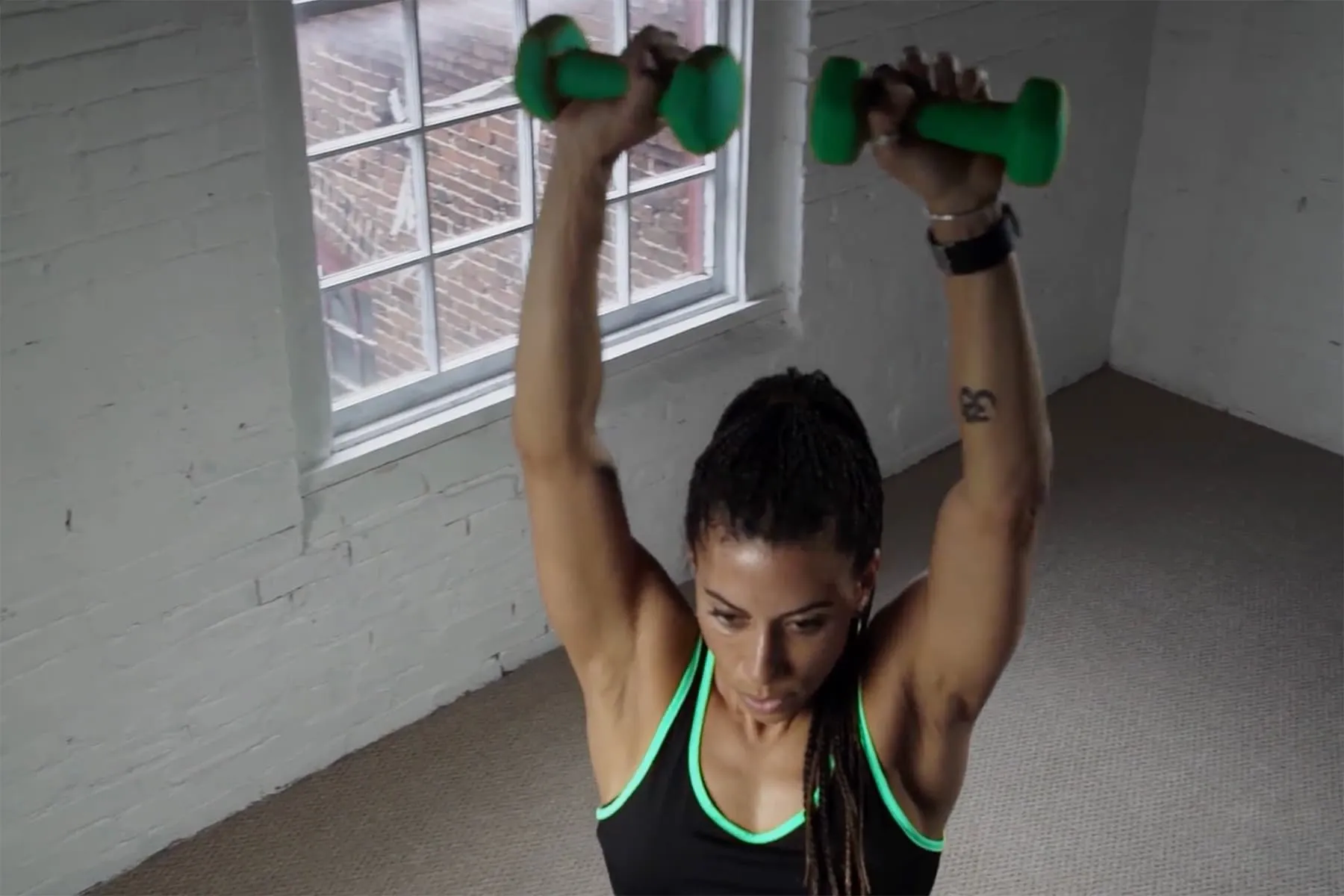
An advanced full-body workout is not just a random pile of squats, push-ups, burpees, and regret. It is a structured training session designed to challenge multiple muscle groups, build strength, improve conditioning, sharpen coordination, and leave you feeling like you just negotiated peace between your legs, lungs, and ego.
Unlike beginner routines that focus mainly on learning movement patterns, an advanced full-body workout asks more from your body. It combines compound exercises, unilateral movements, explosive power drills, core stability, controlled tempo, and short bursts of conditioning. In simple English: you train hard, but you train smart. The goal is not to crawl out of the gym like a dramatic movie character. The goal is to stimulate progress without turning recovery into a full-time job.
This guide breaks down how to build an effective advanced full-body workout, what exercises to include, how to progress safely, and how to structure your weekly routine. Whether you train at a gym, in a garage, or in that heroic corner of your living room where dumbbells live beside laundry, this plan will help you train with purpose.
What Makes a Full-Body Workout “Advanced”?
A full-body workout trains the major muscle groups in one session: legs, hips, back, chest, shoulders, arms, and core. An advanced version goes beyond simply “hitting everything.” It uses more demanding exercise variations, heavier resistance, higher training density, complex movement patterns, and planned progression.
Advanced does not always mean heavier. Sometimes it means better control. A slow eccentric split squat can humble a strong lifter faster than a motivational poster. Advanced training may include heavier loads, explosive movements, supersets, metabolic finishers, tempo work, and exercises that require balance and coordination.
Key Features of an Advanced Full-Body Workout
- Compound lifts: Squats, deadlifts, presses, rows, lunges, and pull-ups recruit several muscle groups at once.
- Progressive overload: The workout becomes gradually harder through more weight, reps, sets, time under tension, or improved technique.
- Balanced movement patterns: Push, pull, squat, hinge, lunge, rotate, carry, and stabilize.
- Conditioning: Short, intense intervals improve work capacity and cardiovascular fitness.
- Recovery planning: Hard sessions are paired with rest, nutrition, mobility, and sleep.
Benefits of an Advanced Full-Body Workout
The biggest advantage of advanced full-body training is efficiency. Instead of dividing your week into chest day, back day, leg day, and “I forgot core again” day, you train the whole body several times per week. This can be especially useful for busy people who want strength, muscle, athleticism, and conditioning without living inside a gym locker.
1. Builds Functional Strength
Functional strength means your training carries over to real life. Deadlifts help with picking things up. Rows help posture and pulling strength. Lunges help single-leg control. Carries help grip, core stability, and the ability to bring all the groceries inside in one trip because apparently we all need to prove something.
2. Improves Muscle Balance
Advanced full-body workouts usually include both bilateral and unilateral movements. Bilateral exercises, such as squats and bench presses, allow you to move heavier loads. Unilateral exercises, such as single-leg Romanian deadlifts and one-arm rows, help reduce side-to-side imbalances. That matters because your stronger side should not be doing all the work while your weaker side quietly files a complaint.
3. Boosts Conditioning
When planned correctly, full-body training can elevate your heart rate while still building strength. Circuits, complexes, sled pushes, kettlebell swings, battle ropes, and interval finishers can improve stamina and metabolic conditioning. The result is a body that is not only strong but also ready to move, sprint, climb, carry, and recover.
4. Supports Long-Term Fitness
Strength training supports muscle mass, bone health, balance, and daily function. Advanced training simply takes those benefits and adds more challenge, more structure, and more performance focus. The trick is respecting recovery. Progress comes from the workout plus recovery, not from pretending soreness is a personality trait.
Before You Start: Who Is This Workout For?
This advanced full-body workout is best for people who already understand basic exercise form and have been training consistently for several months or longer. You should be comfortable with squats, hinges, presses, rows, planks, and lunges before adding heavier loads or explosive movements.
If you are recovering from an injury, managing a medical condition, pregnant, returning after a long break, or unsure about technique, speak with a qualified healthcare professional or certified trainer before attempting an advanced routine. Confidence is great. Guessing your way through heavy deadlifts is less great.
The Advanced Full-Body Workout Structure
A smart advanced full-body workout has five parts: warm-up, power or skill work, strength work, accessory training, and conditioning. This structure keeps the most technical movements early, when your nervous system is fresh, and places fatigue-based work later, where it belongs.
Part 1: Dynamic Warm-Up
Warm up for 8 to 12 minutes. The goal is to raise body temperature, activate key muscles, and prepare your joints for harder work. Do not skip this unless you enjoy hearing your hamstrings speak in legal language.
- Jumping jacks or light cardio: 2 minutes
- World’s greatest stretch: 5 reps per side
- Glute bridges: 12 reps
- Bodyweight squats: 15 reps
- Band pull-aparts: 15 reps
- Inchworm walkouts: 6 reps
- Light kettlebell swings or hip hinges: 10 reps
Part 2: Power Primer
Power work should be explosive but controlled. Keep the reps low and the quality high. You are training speed and force, not auditioning for a blooper reel.
Choose one:
- Box jumps: 4 sets of 3 reps
- Medicine ball slams: 4 sets of 5 reps
- Kettlebell swings: 4 sets of 8 reps
- Broad jumps: 4 sets of 3 reps
Rest 60 to 90 seconds between sets. Stop each set while the movement still looks athletic.
Advanced Full-Body Workout Plan
The following workout is designed for experienced exercisers. Use challenging loads while keeping proper form. For strength exercises, aim for an effort level of 7 to 9 out of 10, meaning you finish each set with about 1 to 3 good reps left in the tank.
Block A: Heavy Strength Pair
A1. Front Squat or Back Squat
4 sets of 4 to 6 reps
A2. Weighted Pull-Up or Lat Pulldown
4 sets of 5 to 8 reps
Rest 90 to 150 seconds after each pair. This block trains lower-body strength, upper-body pulling power, core bracing, and total-body tension. If pull-ups are not available, use a heavy cable pulldown or assisted pull-up machine.
Block B: Hinge and Press
B1. Romanian Deadlift
3 sets of 6 to 8 reps
B2. Dumbbell Bench Press or Barbell Bench Press
3 sets of 6 to 8 reps
Rest 90 seconds between rounds. The Romanian deadlift targets hamstrings, glutes, and spinal erectors, while the press builds chest, shoulders, and triceps. Keep the hinge controlled and avoid bouncing at the bottom. Your lower back is not a trampoline.
Block C: Unilateral Strength and Shoulder Stability
C1. Bulgarian Split Squat
3 sets of 8 reps per side
C2. Single-Arm Dumbbell Row
3 sets of 8 to 10 reps per side
C3. Half-Kneeling Landmine Press or Dumbbell Overhead Press
3 sets of 8 reps per side
Rest 60 to 90 seconds between rounds. This block trains balance, core control, single-leg strength, pulling volume, and shoulder-friendly pressing. It is also where your legs may start sending strongly worded emails.
Block D: Core and Carry Finisher
D1. Farmer’s Carry
4 rounds of 30 to 45 seconds
D2. Hanging Knee Raise or Ab Wheel Rollout
4 sets of 8 to 12 reps
D3. Side Plank With Reach-Through
3 sets of 8 reps per side
This section trains anti-rotation, grip strength, trunk stability, and real-world resilience. Carries are simple but sneaky. You pick up heavy things, walk with excellent posture, and discover which muscles have been freeloading.
Conditioning Finisher: 8-Minute Full-Body Burn
After the strength work, add a short conditioning finisher if recovery allows. This should be intense but not sloppy. Set a timer for 8 minutes and complete as many quality rounds as possible:
- 8 kettlebell swings
- 8 push-ups
- 8 alternating reverse lunges
- 8 calories on a rower, bike, or ski erg
No machine? Replace the cardio with 30 seconds of mountain climbers or jump rope. Keep breathing steady, move with control, and do not sacrifice form to win an imaginary championship against yourself.
Weekly Schedule for Advanced Full-Body Training
Most advanced exercisers do well with two to four full-body strength sessions per week. The exact number depends on training age, sleep, stress, nutrition, and whether life is currently behaving itself.
Three-Day Advanced Full-Body Split
- Monday: Heavy full-body strength
- Tuesday: Mobility, walking, or light cardio
- Wednesday: Full-body hypertrophy and unilateral work
- Thursday: Rest or active recovery
- Friday: Full-body power and conditioning
- Saturday: Optional easy cardio, stretching, or recreational activity
- Sunday: Rest
Four-Day Advanced Full-Body Split
- Day 1: Squat emphasis plus push and pull
- Day 2: Hinge emphasis plus upper-body volume
- Day 3: Power, unilateral work, and core
- Day 4: Moderate-load full-body conditioning
If performance drops, sleep suffers, joints ache, or motivation vanishes faster than snacks at a party, reduce volume. Advanced athletes do not train hard every day. They train hard, recover hard, and adjust before small problems become dramatic plot twists.
How to Progress an Advanced Full-Body Workout
Progressive overload is the engine of training. Without it, your body has no reason to adapt. However, overload should be gradual. Adding too much too soon is like updating your phone during a road trip: technically possible, emotionally risky.
Progression Methods
- Add weight: Increase load by 2.5 to 10 pounds when all sets feel controlled.
- Add reps: Move from 6 reps to 8 reps before increasing weight.
- Add sets: Increase total volume carefully, especially on big lifts.
- Slow the tempo: Use a 3-second lowering phase to increase time under tension.
- Reduce rest: Shorter rest periods increase training density.
- Improve range of motion: Cleaner, deeper, safer movement is progress too.
Simple Four-Week Progression
- Week 1: Establish baseline weights and technique.
- Week 2: Add 1 rep per set or a small amount of weight.
- Week 3: Push intensity on the main lifts while keeping form sharp.
- Week 4: Deload by reducing volume or load by 20% to 30%.
A deload week is not weakness. It is maintenance for the machine. Race cars take pit stops, and nobody calls them lazy.
Common Mistakes to Avoid
Mistake 1: Turning Every Workout Into a Survival Test
Advanced workouts should be challenging, not chaotic. If every session ends with you lying on the floor questioning your hobbies, you may be confusing fatigue with effectiveness. Quality reps beat sloppy suffering.
Mistake 2: Ignoring Pulling Movements
Many people press more than they pull, which can contribute to shoulder discomfort and posture issues. Balance pushing exercises with rows, pull-ups, face pulls, and rear-delt work.
Mistake 3: Skipping Mobility
Mobility work helps you access better positions. Better positions help you lift safely and effectively. Spend time on hips, ankles, thoracic spine, shoulders, and wrists. Your future self will send a thank-you card.
Mistake 4: Poor Recovery
Muscles grow and adapt between workouts, not during the set where your face looks like it is buffering. Prioritize sleep, protein, hydration, rest days, and stress management. Recovery is not the opposite of training; it is part of training.
Nutrition Tips for Advanced Full-Body Workouts
Training hard requires fuel. A balanced diet that includes protein, carbohydrates, healthy fats, and enough total calories supports performance and recovery. Protein helps repair muscle tissue. Carbohydrates refill glycogen, which powers hard training. Fats support hormones and overall health.
Before training, choose a meal or snack that digests well and provides energy. Examples include Greek yogurt with fruit, oatmeal with protein, rice with chicken, or a banana with peanut butter. After training, aim for protein plus carbohydrates within a few hours. No magic window panic is required. Your muscles are not holding a stopwatch and judging you.
Equipment Options
This advanced full-body workout works best with a gym setup, but you can adapt it based on available equipment.
Gym Equipment
- Barbell and plates
- Dumbbells
- Kettlebells
- Pull-up bar
- Cable machine
- Bench
- Medicine ball
- Rower, bike, or sled
Home Equipment
- Adjustable dumbbells
- Resistance bands
- Kettlebell
- Suspension trainer
- Pull-up bar
- Weighted backpack
If you train at home, replace barbell squats with goblet squats, pull-ups with band rows, bench press with floor press, and sled pushes with loaded carries or step-ups. The best equipment is the equipment you use consistently.
Experience Notes: What Advanced Full-Body Training Really Feels Like
Advanced full-body training has a special way of teaching humility. The first time you pair heavy squats with weighted pull-ups, you may feel like a superhero. By the third round, you may feel like a superhero who forgot breakfast and made questionable life choices. That is normal. The key is learning how to manage intensity instead of letting intensity manage you.
One of the most valuable experiences with advanced full-body workouts is discovering that pacing matters. Many motivated lifters attack the first block too aggressively. They load the bar heavy, fly through warm-ups, and chase personal records before the body has fully entered the chat. A better approach is to build gradually. Let the first working set feel strong, clean, and confident. Save the dramatic music for the final set, not the first rep.
Another lesson is that smaller exercises often reveal bigger weaknesses. A lifter may deadlift impressively but wobble during single-leg Romanian deadlifts. Someone may bench press well but struggle with slow push-ups or overhead carries. These are not failures. They are information. Advanced training is like a fitness detective story, except the clues are tight hips, lazy glutes, and a core that disappears during lunges.
Full-body workouts also teach respect for recovery. When you train legs, back, chest, shoulders, arms, and core in one session, your body needs resources to rebuild. Sleep becomes more than a nice idea. Hydration becomes noticeable. Protein stops being a buzzword and starts being dinner. If you ignore recovery, your next workout will report you to management.
The best advanced sessions usually feel hard but controlled. You should leave knowing you worked, not wondering whether you need a rescue team. A successful workout might include heavy effort on the main lifts, focused accessory work, and a conditioning finisher that challenges your lungs without wrecking your form. You may be tired, sweaty, and slightly offended by stairs, but you should still feel athletic.
Over time, advanced full-body training improves more than strength. You start moving better. Your warm-ups feel smoother. Carries feel stronger. Your posture improves. Everyday tasks become easier. Carrying luggage, climbing stairs, moving furniture, playing sports, or chasing a dog that stole a sock all become less dramatic.
The most underrated experience is confidence. Not loud, mirror-flexing confidence, but quiet physical confidence. You know your body can push, pull, squat, hinge, brace, rotate, and recover. That confidence follows you outside the gym. And yes, it also makes opening stubborn jars feel like a personal victory parade.
Conclusion
An advanced full-body workout is one of the most efficient ways to build strength, muscle, conditioning, and athletic performance in a single training plan. The best routines are not random collections of brutal exercises. They are structured sessions built around compound lifts, unilateral training, core stability, power work, conditioning, and recovery.
To get the most from this style of training, focus on quality movement, balanced programming, progressive overload, and smart recovery. Train hard, but do not confuse exhaustion with progress. Your goal is to become stronger, more capable, and more resilientnot to turn every workout into a documentary about poor decisions.
Use the plan in this guide as a foundation, adjust it to your equipment and goals, and track your progress over time. With consistency, patience, and a reasonable relationship with rest days, an advanced full-body workout can help you build a body that performs as well as it looks.