History is usually presented after it has showered, changed clothes, and hired a portrait painter. We see polished palaces, brave explorers, elegant dresses, and important men pointing at maps. What often disappears is the ordinary physical reality: the stink, pain, hunger, exhaustion, and danger that surrounded people who never made it into official portraits.
The most unsettling parts of everyday life in history were not always dramatic enough for chronicles. A king’s death earned a page; thousands of laborers coughing through a workweek did not. A battle received a monument; a contaminated neighborhood pump became background scenery. Yet for most people, history was experienced through sore muscles, unsafe food, crowded rooms, untreated infections, and jobs that could kill before lunch.
1. The World Smelled Like Waste Because Waste Was Everywhere
Modern cities conceal an astonishing amount of human biology. Toilets flush, drains carry water away, garbage disappears, and most people rarely have to negotiate with a bucket of sewage. Earlier urban residents were not so lucky. Chamber pots, backyard privies, cesspits, animal manure, rotting food, industrial scraps, and household garbage all competed for space in streets and courtyards.
In crowded tenement districts, a single outdoor privy might serve several families. Many late nineteenth-century apartments had no bathtub, and some had limited access to clean water. Washing clothes, bathing children, preparing food, and disposing of waste became complicated daily operations rather than minor chores. The phrase “spring cleaning” sounds charming until one remembers that winter could mean months of soot, damp bedding, stale air, vermin, and people living almost on top of one another.
Dirty Water Was More Than Disgusting
The danger was not merely bad smell. When sewage reached wells, pumps, rivers, or poorly protected water supplies, disease could spread through entire neighborhoods. Cholera and typhoid flourished where sanitation systems failed. Before germ theory gained acceptance, many officials blamed foul air, personal weakness, weather, or moral character. That meant people could be drinking the source of an epidemic while authorities debated whether the breeze was suspicious.
Reformers who inspected poor neighborhoods documented how overcrowding, inadequate garbage collection, unsafe privies, and limited bathing facilities helped illness move rapidly through communities. Modern plumbing is easy to treat as boring infrastructure, but it is one of civilization’s greatest magic tricks: it keeps yesterday’s dinner from returning as tomorrow’s medical emergency.
2. Medical Treatment Could Be Almost as Terrifying as the Disease
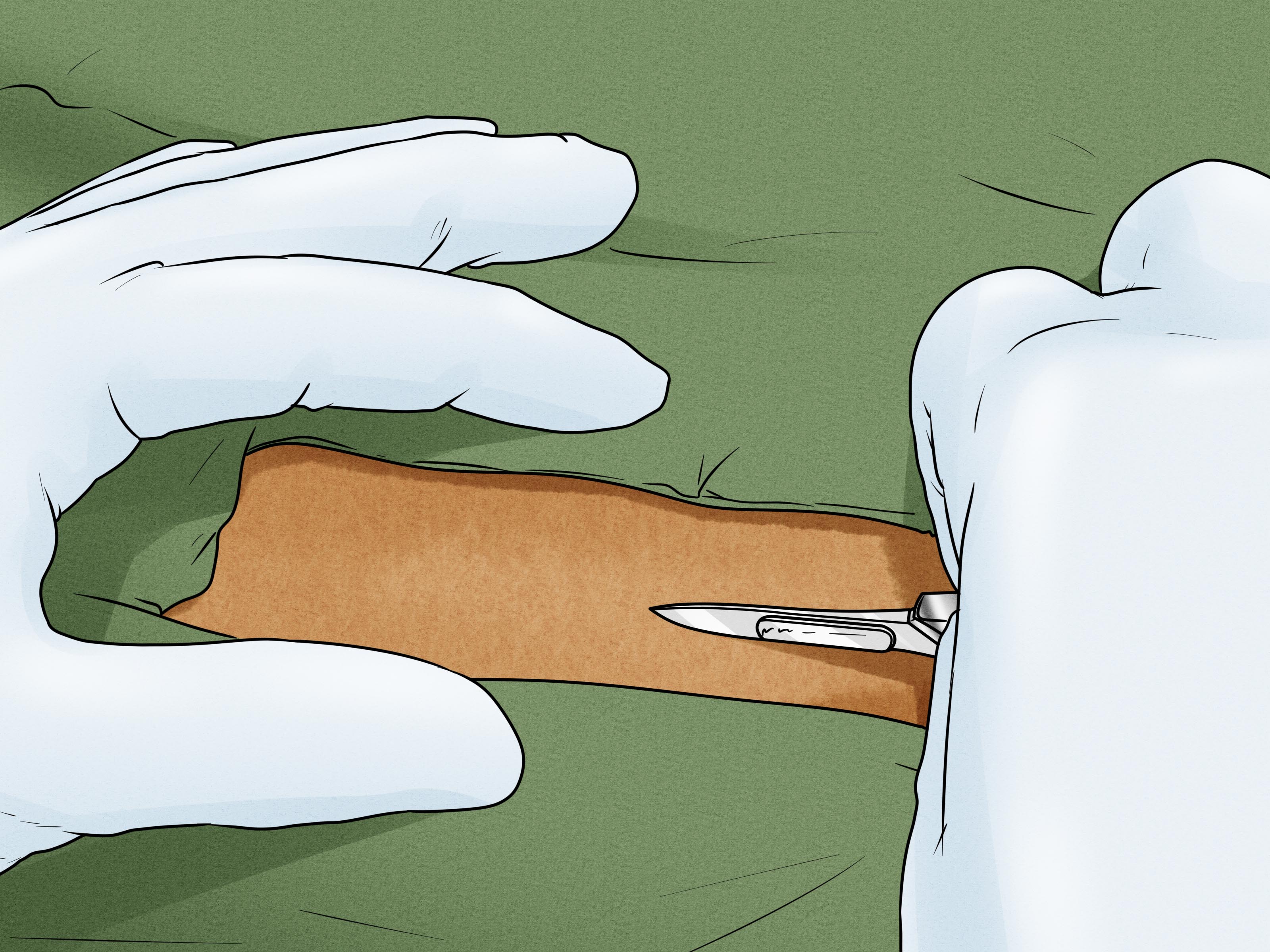
Historical dramas often handle illness with a damp cloth, a worried relative, and tasteful lighting. Real medical care was less photogenic. Before effective anesthesia, surgery could involve being restrained while a surgeon cut as quickly as possible. Speed was considered a professional virtue because every additional second meant more agony, blood loss, and panic.
The public demonstration of ether anesthesia in 1846 helped transform surgery, but painless operations did not instantly become universal. Access varied, techniques were imperfect, and some anesthetics carried serious risks. Even after a patient survived the procedure, infection remained a deadly threat. Surgeons did not always wash their hands, instruments, clothing, or operating spaces according to anything resembling modern sterile practice.
Childbirth Could Turn Fatal After the Baby Arrived
Puerperal fever, also called childbed fever, killed women after delivery through infections that attendants could unknowingly spread. Ignaz Semmelweis famously observed that hand cleansing sharply reduced deaths in a maternity clinic, yet his conclusions met resistance. The horrifying part is not only that microbes were invisible. It is that useful evidence existed while professional pride and established habits slowed its acceptance.
Dental pain was similarly brutal. A badly infected tooth could mean prolonged suffering, crude extraction, or dangerous infection. Painkillers were limited, dosages unreliable, and many patent remedies mixed real drugs with extravagant claims. Going to a healer, dentist, barber-surgeon, or physician required courage because the patient could not assume the treatment was standardized, clean, or even helpful.
Modern medicine has risks, but its safety systems are built on lessons purchased at a terrible price. Anesthesia, antisepsis, sterilization, hand hygiene, clinical testing, and professional standards were not decorative improvements. They separated treatment from organized bodily horror.
3. Childhood Often Meant Work, Injury, and Adult Responsibility
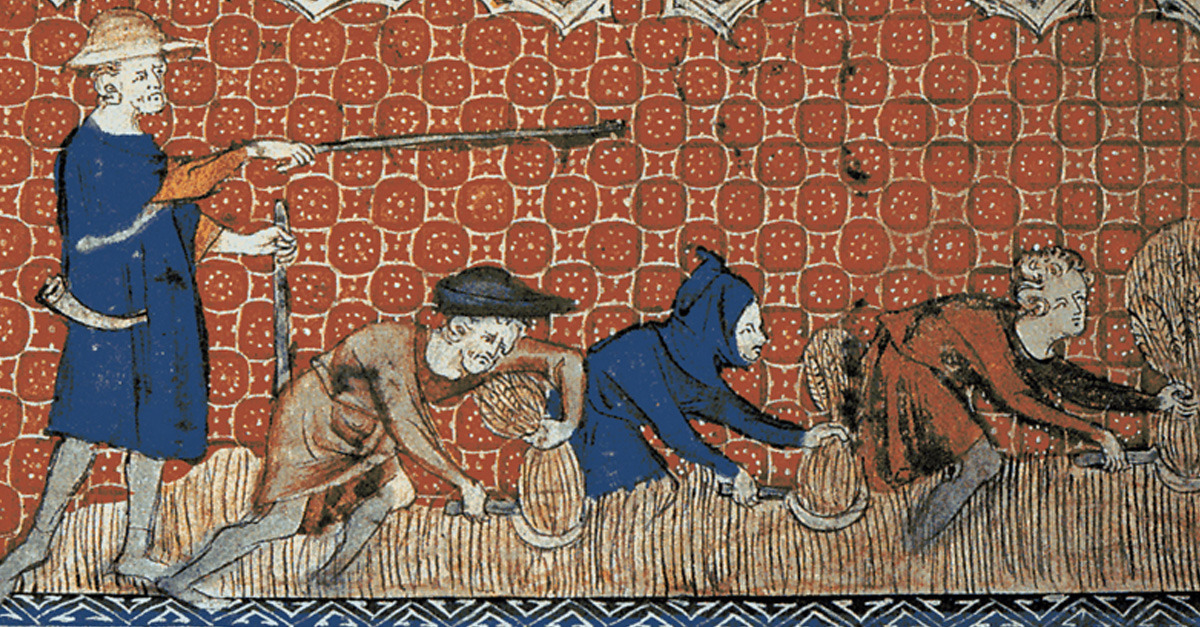
The sentimental image of historical childhood usually includes wooden toys, homemade pie, and perhaps one photogenic chore involving a chicken. For millions of children, daily life meant paid labor. Children worked in textile mills, coal mines, farms, canneries, workshops, city streets, and private homes. Their small bodies were considered economically useful: they could crawl beneath machinery, squeeze through narrow spaces, and be paid less than adults.
Lewis Hine’s photographs for the National Child Labor Committee documented young workers with the directness that statistics often lack. Children stand beside spinning machines, carry heavy loads, sell newspapers late at night, and pose in clothing darkened by industrial grime. Some captions record ages that employers disputed or families concealed because wages were desperately needed.
School Was a Luxury for Many Families
A child who worked long shifts had less time and energy for education. Fatigue, injuries, dust exposure, loud machinery, dangerous tools, and abusive supervision were not exceptional plot twists; they could be part of an ordinary week. Rural labor could be equally punishing, especially during planting and harvest seasons when every available pair of hands mattered.
It is tempting to judge parents as villains, but poverty often forced impossible choices. A child’s income might pay rent or buy food. Employers benefited from that desperation, while weak laws and limited enforcement made exploitation easy. Reformers eventually used photographs, investigations, journalism, and political campaigns to show that “helping the family” could be a polite phrase for sacrificing a child’s health and future.
The hidden reality is that childhood as a protected stage of life is partly a social achievement. Compulsory schooling, minimum-age laws, workplace inspections, and limits on working hours had to be demanded. They were not gifts delivered automatically by progress.
4. Buying Food Was an Unregulated Chemistry Experiment
Today, shoppers complain when a package contains 11 crackers instead of the spiritually correct 12. Earlier consumers faced a more dramatic question: “Is this milk actually milk?” Before strong food laws and inspection systems, sellers could stretch, color, preserve, or disguise products with ingredients customers never agreed to eat.
One infamous example was “swill milk,” produced by cows kept near distilleries and fed hot grain waste. The animals often lived in miserable conditions and produced thin, bluish milk. Sellers could alter its appearance with water, flour, chalk, eggs, molasses, or other substances. The finished product looked more wholesome than it was, which is a useful reminder that attractive branding predates both the internet and shame.
Labels Could Promise Almost Anything
Food adulteration was part of a broader marketplace where medicines, tonics, and household products could be sold with weak oversight. A bottle might contain alcohol, opiates, stimulants, or ineffective mixtures without clear labeling. Manufacturers could advertise sweeping cures while consumers had little independent information about ingredients or dosage.
The 1906 Food and Drugs Act prohibited adulterated and misbranded foods and drugs in interstate commerce, creating a foundation for federal consumer protection. It did not solve every problem overnight, but it marked a major shift: purity and truthful labeling were becoming public responsibilities rather than optional acts of corporate kindness.
The romantic image of a bustling old marketplace leaves out the daily suspicion required to navigate it. Buyers relied on reputation, smell, appearance, neighborhood knowledge, and luck. “Farm fresh” might mean wholesome local foodor it might mean the vendor had recently found a cleaner bucket.
5. Home and Work Were Full of Fire, Machinery, and Locked Exits
Before electric lighting became widespread, people depended on candles, oil lamps, gaslights, fireplaces, and stoves. Open flames shared crowded rooms with wooden walls, fabric, paper, fuel, and exhausted humans. A dropped lamp or unattended ember could become a neighborhood disaster, especially where buildings were tightly packed and firefighting equipment was limited.
Industrial workplaces added faster machinery, combustible dust, toxic fumes, unguarded belts, exposed gears, and managers who often treated safety as an expense. In coal mines, workers needed light to earn wages, yet open-flame lamps could ignite flammable gas. The object that made labor possible could also trigger an explosion.
The Exit Might Be Locked
The Triangle Shirtwaist Factory fire of March 25, 1911, exposed the lethal consequences of crowded rooms, combustible scraps, inadequate escape routes, and locked or obstructed exits. The fire killed 146 workers, many of them young immigrant women. Some were trapped above the reach of fire ladders. The disaster became a catalyst for factory investigations and stronger safety regulation.
Triangle was shocking, but it was not frightening because it came from nowhere. It revealed conditions workers already understood: the employer controlled the building, the pace, the doors, and often the consequences of complaint. A worker could recognize a hazard and still have no practical power to fix it without risking the job that kept the family alive.
Modern fire codes, outward-opening exits, occupancy limits, emergency lighting, machine guards, inspections, and evacuation plans can feel like paperwork generated by people who enjoy clipboards. In reality, many rules are memorials written in legal language. Behind them are workers who discovered, too late, which door would not open.
Why These Horrifying Realities Get Edited Out
History favors events that leave official records: wars, elections, treaties, inventions, and the decisions of powerful people. Daily discomfort rarely produces a signed document. Smell cannot be archived easily. Chronic pain may appear only as a line in a diary. A worker’s fear of a machine may survive only if an investigator happened to ask the right question.
Nostalgia also acts like a soft-focus filter. Old buildings look beautiful after restoration, once the sewage is gone, the wiring is replaced, and nobody has to sleep six people to a room. Antique tools become décor after they stop removing fingers. A candlelit room is romantic when the candle is optional and a smoke detector is watching from the ceiling.
Remembering the ugly parts does not mean believing everyone in the past was permanently miserable. People loved, joked, celebrated, created art, raised families, and found pleasure under difficult conditions. The point is that resilience should not be used to erase hardship. Human beings can sing while working and still deserve a safer workplace.
Experiencing the Past: A Reconstructed Day Without the Historical Filter
Imagine waking before sunrise in a crowded industrial neighborhood around the turn of the twentieth century. Your room is cold because fuel costs money. Several relatives sleep nearby, so privacy is mostly a rumor. The air carries soot from stoves and factories, dampness from poorly ventilated walls, and the unmistakable contribution of a shared privy in the courtyard. You do not begin the morning by checking notifications. You begin by checking whether the water looks strange.
Breakfast is bread, perhaps milk, and whatever can be afforded. You know food can be watered down or mislabeled, but laboratory testing is not part of your household budget. You judge by taste, smell, and the seller’s reputation. If the milk seems unusually white, that may be reassuring. It may also mean somebody improved it with an ingredient that belongs in a wall.
Now send the family to work. An adult enters a factory where cloth fibers float in the air and moving belts have no protective guards. A child reports to a mill, mine, street corner, or workshop. The child is not visiting for a school project. The wages are part of the household economy. Everyone knows the machinery is dangerous, but refusing the assignment does not magically produce rent.
At midday, a worker cuts a hand. There is no guarantee of paid leave, workers’ compensation, antibiotics, or a clean clinic. The injury is wrapped and the shift continues. Infection may develop later, long after the supervisor has forgotten the incident. Pain is not only a medical problem; it is an economic threat. If you cannot work, you may not eat.
Back home, someone develops a fever. The family debates whether to pay for a practitioner whose treatment might help, do nothing, or make matters worse. A pregnant woman faces childbirth knowing that delivery and the days after it can become dangerous quickly. The attendants may be experienced and compassionate, yet knowledge of microbes, sterilization, blood loss, and emergency intervention remains limited.
Night brings a small measure of rest and another layer of risk. A flame provides light beside curtains, bedding, wooden furniture, and tired people. In a crowded building, one household’s accident can become everybody’s emergency. Escape routes may be narrow, dark, or blocked. There is no glowing exit sign, no sprinkler system, and no phone in your pocket.
The most powerful part of this exercise is not deciding that the past was universally awful. It is noticing how many modern protections operate silently. Safe water arrives without ceremony. Food labels disclose ingredients. Children are expected to attend school. Surgeons wash, instruments are sterilized, exits remain accessible, and buildings are designed around the possibility of emergency.
These conveniences can make modern life feel detached from history, but they are history. They are the accumulated result of investigations, protests, scientific breakthroughs, public outrage, regulation, and ordinary people refusing to accept preventable suffering as normal. The past was not darker because people were weaker. It was darker because many systems we now depend on had not yet been built.