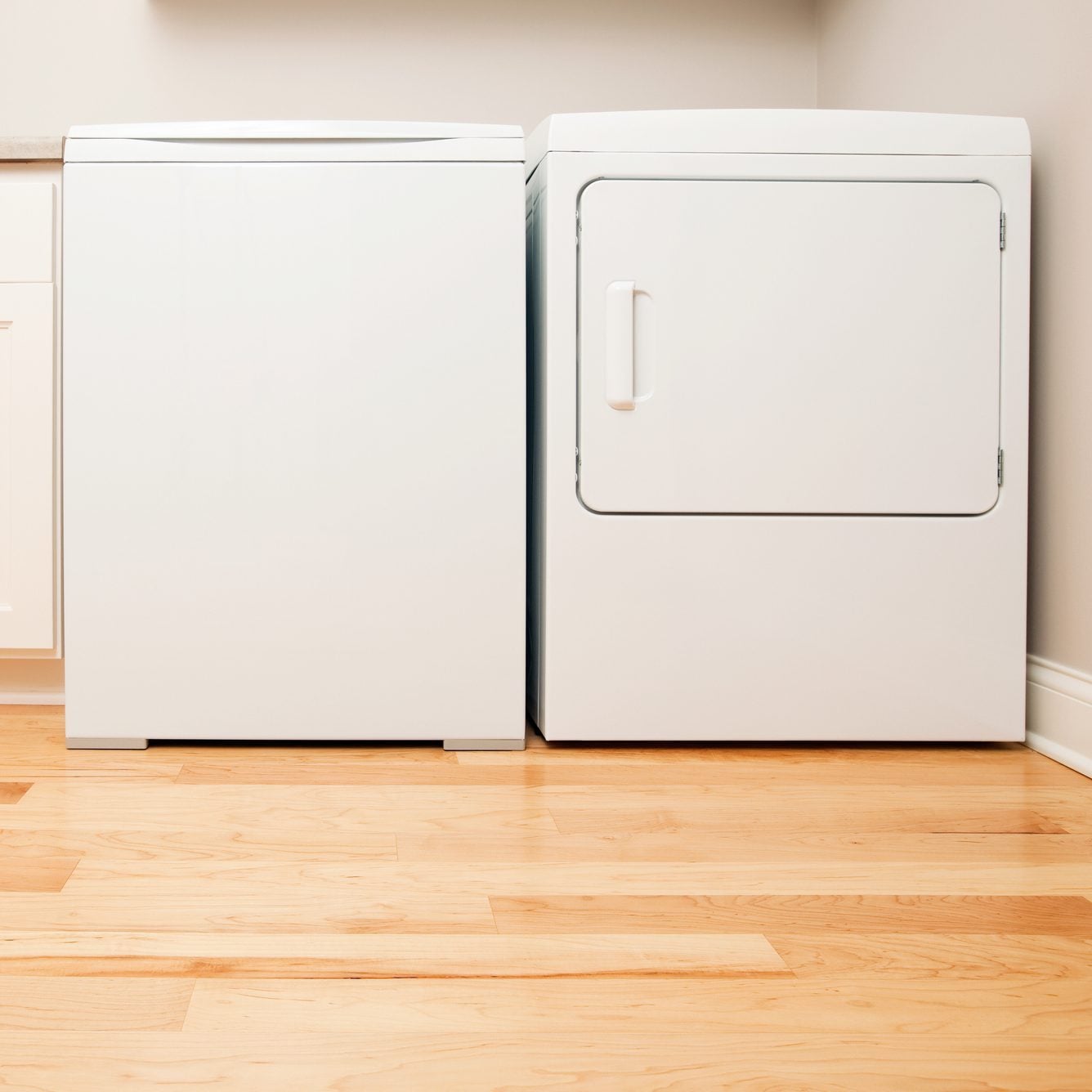
Choosing laundry room flooring sounds simple until you remember what this room actually does for a living. It catches detergent drips, handles wet towels, supports heavy appliances, survives mystery puddles, and somehow still has to look good when guests accidentally wander in looking for the bathroom. In other words, the laundry room is tiny but mightyand the floor takes the blame for everything.
The best laundry room flooring options are water-resistant, durable, easy to clean, and stable enough for a washer and dryer that occasionally behave like they are training for a dance competition. Style matters too, of course. A beautiful floor can turn a basic utility space into a polished, hardworking part of the home. But in this room, performance comes first. Pretty is great; pretty and waterproof is better.
Below are 11 laundry room flooring options worth considering, including budget-friendly choices, high-end looks, DIY-friendly materials, and a few options that require extra care. Each has its own personality, strengths, and “please read the fine print” moments.
What Makes a Good Laundry Room Floor?
Before picking a material, think about the daily hazards your floor will face. Laundry rooms are exposed to moisture, heat, detergent, bleach, pet messes, muddy shoes, dropped baskets, and appliance vibration. A good floor should resist water, clean up easily, provide a stable base, and avoid becoming slippery when damp.
For most homes, the winning combination is simple: waterproof or highly water-resistant flooring, a properly prepared subfloor, tight seams, and smart installation around appliance hookups. Even the best material can fail if water sneaks under it, so installation quality matters just as much as the product itself.
1. Luxury Vinyl Plank or Luxury Vinyl Tile
Luxury vinyl plank, often called LVP, and luxury vinyl tile, known as LVT, are among the most popular laundry room flooring options for good reason. They offer the look of wood, stone, or tile without the stress of using natural materials in a splash-prone space.
Luxury vinyl is usually waterproof, comfortable underfoot, and easier to install than many tile products. It also works well in small laundry rooms because a dramatic pattern or warm wood-look plank can add style without overwhelming the space. If your laundry area connects to a mudroom, hallway, or kitchen, LVP can create a smooth visual transition.
Best for
Busy households, pet owners, DIY remodelers, and anyone who wants a stylish floor that does not panic every time a sock comes out soaking wet.
Watch out for
Seams and installation details. While many LVP and LVT products are waterproof on the surface, water can still cause trouble if it gets underneath the flooring. Choose a quality product, follow the manufacturer’s installation instructions, and make sure the subfloor is flat and clean.
2. Sheet Vinyl Flooring
Sheet vinyl is the practical friend who shows up early, brings snacks, and does not need applause. It may not always feel as upscale as luxury vinyl, but it is one of the most moisture-friendly flooring choices for laundry rooms.
Because sheet vinyl comes in wide rolls, many laundry rooms can be covered with few seams or even no seams at all. That is a major advantage in a room where water can escape from hoses, sinks, or overflowing machines. It is also budget-friendly, easy to clean, and available in more modern patterns than many people remember from old kitchens.
Best for
Small laundry rooms, rental properties, budget renovations, and homeowners who want strong water resistance without a complicated installation.
Watch out for
Large sheets can be tricky to cut and position neatly. Professional installation may be worth it, especially if the room has awkward corners, built-ins, or appliance platforms.
3. Linoleum Flooring
Linoleum often gets confused with vinyl, but it is a different material. Traditional linoleum is made from natural components such as linseed oil, wood flour, and cork dust. It has a softer, slightly warmer feel than tile and can bring a charming retro or modern look depending on the color and pattern.
For laundry rooms, linoleum can be a solid choice when properly sealed and maintained. It is durable, comfortable, and available in sheets or tiles. It also appeals to homeowners looking for a more natural flooring product.
Best for
Eco-conscious remodels, vintage-inspired laundry rooms, and homeowners who like resilient flooring but want something different from vinyl.
Watch out for
Linoleum is water-resistant, not automatically waterproof. Seams and edges must be sealed well, and standing water should be cleaned up quickly.
4. Ceramic Tile
Ceramic tile is a classic laundry room flooring option because it is hard, durable, and easy to wipe clean. It can handle detergent spills, damp towels, and general household chaos without losing its dignity.
Design flexibility is a major perk. Ceramic tile comes in countless shapes, colors, and sizes, from simple squares to patterned encaustic-style looks. In a small laundry room, a bold tile pattern can make the floor the star of the show. The washer may still steal the spotlight during spin cycle, but at least the floor will look fabulous.
Best for
Traditional homes, modern laundry rooms, patterned floor designs, and spaces where long-term durability matters.
Watch out for
Grout requires maintenance. Choose a stain-resistant grout, seal it if needed, and clean it regularly. Smooth tile can also become slippery when wet, so consider textured or slip-resistant finishes.
5. Porcelain Tile
Porcelain tile is ceramic tile’s tougher cousin. It is dense, durable, and highly water-resistant, making it one of the best flooring materials for laundry rooms that see heavy use.
Porcelain can mimic marble, slate, concrete, terrazzo, or wood with impressive realism. That means you can get the look of a designer floor without using a material that is easily damaged by moisture. Large-format porcelain tiles can make a small laundry room feel cleaner and more spacious because there are fewer grout lines.
Best for
High-traffic laundry rooms, luxury remodels, mudroom-laundry combinations, and homeowners who want a floor that can last for many years.
Watch out for
Porcelain is hard underfoot and can feel cold. Add a washable rug or cushioned mat in front of the washer and dryer for comfort. Installation also requires a solid subfloor and good technique, so professional installation is often smart.
6. Natural Stone Tile
Natural stone tile brings instant character to a laundry room. Slate, travertine, marble, and limestone can make even a utility space feel custom and elevated. Stone also pairs beautifully with wood cabinets, brass hardware, farmhouse sinks, and warm neutral paint colors.
Slate is especially practical because it has natural texture, which can help with traction. Marble is more luxurious but also more sensitive to staining and etching. Stone can be stunning, but it is not a “set it and forget it” choice.
Best for
High-end laundry rooms, rustic designs, Mediterranean-inspired spaces, and homeowners who love natural variation.
Watch out for
Most stone needs sealing. Some types are porous and can absorb stains if not maintained. If your laundry room is a hard-working family zone, choose stone carefully and avoid delicate finishes that demand constant pampering.
7. Rubber Flooring
Rubber flooring is not just for gyms and playrooms. In a laundry room, it can be surprisingly practical. It is comfortable, slip-resistant, durable, and good at softening noise from appliances. If your washer occasionally sounds like it is trying to launch into orbit, rubber flooring may help calm the drama.
Rubber tiles and rolls come in different colors, textures, and thicknesses. They are especially useful in basement laundry rooms, utility spaces, and homes where comfort underfoot is a priority.
Best for
Basement laundry rooms, utility rooms, pet washing stations, and homes where slip resistance and comfort matter.
Watch out for
Some rubber flooring has a noticeable odor at first. It may also look more utilitarian than decorative, although modern options are much better than the old black gym-floor stereotype.
8. Waterproof Laminate Flooring
Waterproof laminate has improved a lot. Older laminate flooring was risky in laundry rooms because moisture could swell the fiberboard core. Newer waterproof and water-resistant laminate products are designed to handle spills better, making them a possible option for laundry areas.
The biggest advantage is appearance. Laminate can create a convincing wood-look floor at a friendlier price than hardwood. It is also often DIY-friendly, with click-lock installation systems that appeal to weekend renovators.
Best for
Homeowners who want a wood-look laundry floor, quick upgrades, and spaces where major flooding is unlikely.
Watch out for
Read the product warranty carefully. “Water-resistant” and “waterproof” are not always the same. Edges, seams, expansion gaps, and transitions must be handled properly to keep moisture from reaching the core.
9. Sealed Concrete
If your laundry room is in a basement or garage-adjacent space, concrete may already be there waiting for its makeover montage. Properly sealed concrete is durable, low-maintenance, and well suited for utility areas.
Concrete does not have to look plain. It can be polished, stained, painted, or sealed with a satin or glossy finish. A soft gray concrete floor can look modern and minimal, while a stained finish can add warmth and depth.
Best for
Basement laundry rooms, modern homes, industrial-style spaces, and budget-conscious homeowners working with an existing slab.
Watch out for
Concrete is hard and cold. Use mats where you stand often, and make sure the surface is sealed to resist stains and moisture. If the slab has cracks, moisture problems, or uneven areas, address those before finishing it.
10. Epoxy-Coated Flooring
Epoxy flooring is a coating system applied over concrete. It creates a tough, seamless surface that resists moisture, stains, and many household chemicals. While it is common in garages, it can also work well in laundry rooms, especially basement utility spaces.
Epoxy can be simple and solid-colored, or it can include decorative flakes for texture and visual interest. The seamless finish makes cleanup easy, which is helpful when detergent leaks or someone drops a bottle of fabric softener with the confidence of a circus performer.
Best for
Basement laundry rooms, garage laundry areas, utility spaces, and homeowners who want a tough, washable floor.
Watch out for
Surface preparation is everything. The concrete must be clean, dry, and properly prepared or the coating may peel. Some finishes can be slippery, so consider texture additives for better traction.
11. Cork Flooring
Cork flooring offers comfort, warmth, and a softer feel than tile or concrete. It is naturally springy, which makes standing at the folding counter more pleasant. It also has sound-dampening qualities, a nice bonus in a room with noisy appliances.
Style-wise, cork has come a long way. It is available in tiles and planks with finishes ranging from natural speckled patterns to more modern looks. In a laundry room that doubles as a craft area, pantry, or pet station, cork can make the space feel less cold and utilitarian.
Best for
Low-moisture laundry rooms, upstairs laundry closets, and homeowners who value comfort and warmth.
Watch out for
Cork must be sealed well and protected from standing water. It is not the best choice for a laundry room with frequent leaks, wet boots, or heavy splashing.
How to Choose the Best Laundry Room Flooring
The best choice depends on your home, budget, and tolerance for maintenance. If you want the safest all-around option, luxury vinyl, sheet vinyl, porcelain tile, and rubber flooring usually rise to the top. They handle moisture well and are easy to clean.
If style is your main priority, porcelain tile, ceramic tile, natural stone, and luxury vinyl offer the most design flexibility. If comfort matters, consider rubber, cork, or luxury vinyl with a quality underlayment. If budget is tight, sheet vinyl, sealed concrete, and some laminate or vinyl products can stretch your renovation dollars.
Also think about where the laundry room is located. A second-floor laundry room needs extra attention to leak protection and noise control. A basement laundry room may need flooring that can handle dampness. A mudroom-laundry combo should prioritize traction, scratch resistance, and easy cleaning.
Installation Tips for a Laundry Room Floor That Lasts
Start with the subfloor. It should be clean, level, dry, and strong enough to support appliances. Weak or uneven subfloors can cause tile cracks, vinyl gaps, laminate movement, and other expensive headaches.
Next, think about water management. Use high-quality appliance hoses, check connections regularly, and consider a washer drain pan, especially for upstairs laundry rooms. Seal edges where appropriate, and avoid leaving gaps where water can sneak underneath the flooring.
Finally, choose finishes that match real life. A glossy white floor may look beautiful in photos, but if your laundry room also handles muddy cleats, dog towels, and craft supplies, a mid-tone patterned floor may be more forgiving. Laundry day is already enough work. Your floor should not require emotional support.
Flooring Options to Be Careful With
Some materials can work in laundry rooms only under the right conditions. Solid hardwood is beautiful, but moisture and appliance leaks can damage it quickly. Carpet is generally a poor choice because it absorbs moisture, traps lint, and can develop odors. Unsealed concrete, unsealed cork, and basic laminate can also become problems if water is common.
This does not mean you must give up on style. It simply means choosing products designed for wet or damp areas. When in doubt, ask whether the flooring can handle standing water, detergent spills, appliance vibration, and regular cleaning. If the answer sounds like “maybe,” keep shopping.
Real-Life Experiences and Practical Lessons from Laundry Room Flooring
After looking at many laundry room flooring projects, one lesson becomes clear: homeowners rarely regret choosing durability, but they often regret choosing a floor only because it looked cute in a sample. A laundry room sample board does not show the moment when a washer hose drips slowly behind the machine for three days. It does not show the laundry basket scraping across the floor, the bottle of bleach tipping over, or the wet dog deciding the laundry room is now a spa.
One of the most practical experiences comes from small laundry rooms where every inch matters. In tight spaces, sheet vinyl can be a quiet hero because it reduces seams and makes cleanup easy. Homeowners who want a cleaner, more polished look often prefer luxury vinyl tile or plank because it creates a designer feel without turning a laundry room remodel into a luxury-car payment. A stone-look LVT, for example, can pair beautifully with white cabinets and butcher block counters while still being simple to mop.
Tile is another favorite, especially porcelain. It feels permanent, sturdy, and polished. However, people who spend a lot of time sorting and folding laundry often notice that tile is hard underfoot. The fix is simple: add a washable runner or anti-fatigue mat in front of the machines. This small comfort upgrade can make laundry feel less like a punishment from the sock gods.
Basement laundry rooms bring their own lessons. Concrete and epoxy floors can be excellent, but moisture testing matters. If the slab has vapor issues, covering it too quickly can lead to peeling coatings or trapped moisture. In these spaces, practical finishes often outperform delicate ones. A sealed concrete floor with a washable rug may not sound glamorous, but it can be extremely functional and surprisingly stylish when paired with good lighting and clean storage.
Families with kids and pets often learn to appreciate pattern. A floor with subtle movement, texture, or color variation hides lint, paw prints, and everyday dust better than a flat dark or bright white surface. Laundry rooms are not operating rooms; they are working rooms. A forgiving floor keeps the space looking cleaner between actual cleanings.
The best experience-based advice is to plan for accidents before they happen. Install flooring before appliances when possible, keep extra planks or tiles for repairs, use protective pads when moving machines, and check washer connections regularly. No flooring choice can replace basic leak prevention. Still, a smart floor gives you more time, more forgiveness, and far fewer panic moments when water appears where water should not be.
In the end, the best laundry room flooring option is the one that matches your household’s habits. If your laundry room is mostly quiet and tidy, cork or laminate may be fine. If it works like a mudroom, pet station, and laundry command center, choose porcelain, vinyl, rubber, concrete, or epoxy. The floor should support your life, not demand a weekly apology letter.
Conclusion
Laundry room flooring needs to be tougher than it looks. The right material should handle moisture, support heavy appliances, clean up easily, and still make the room feel finished. Luxury vinyl and sheet vinyl are excellent all-around choices for many homes. Porcelain and ceramic tile bring long-term durability and style. Rubber flooring adds comfort and traction. Concrete and epoxy shine in basement or utility spaces. Cork, linoleum, stone, and waterproof laminate can also work well when installed and maintained correctly.
When choosing among these 11 laundry room flooring options, start with function, then layer in style. A beautiful laundry room is nice. A beautiful laundry room that survives leaks, lint, detergent, and real life is even better.