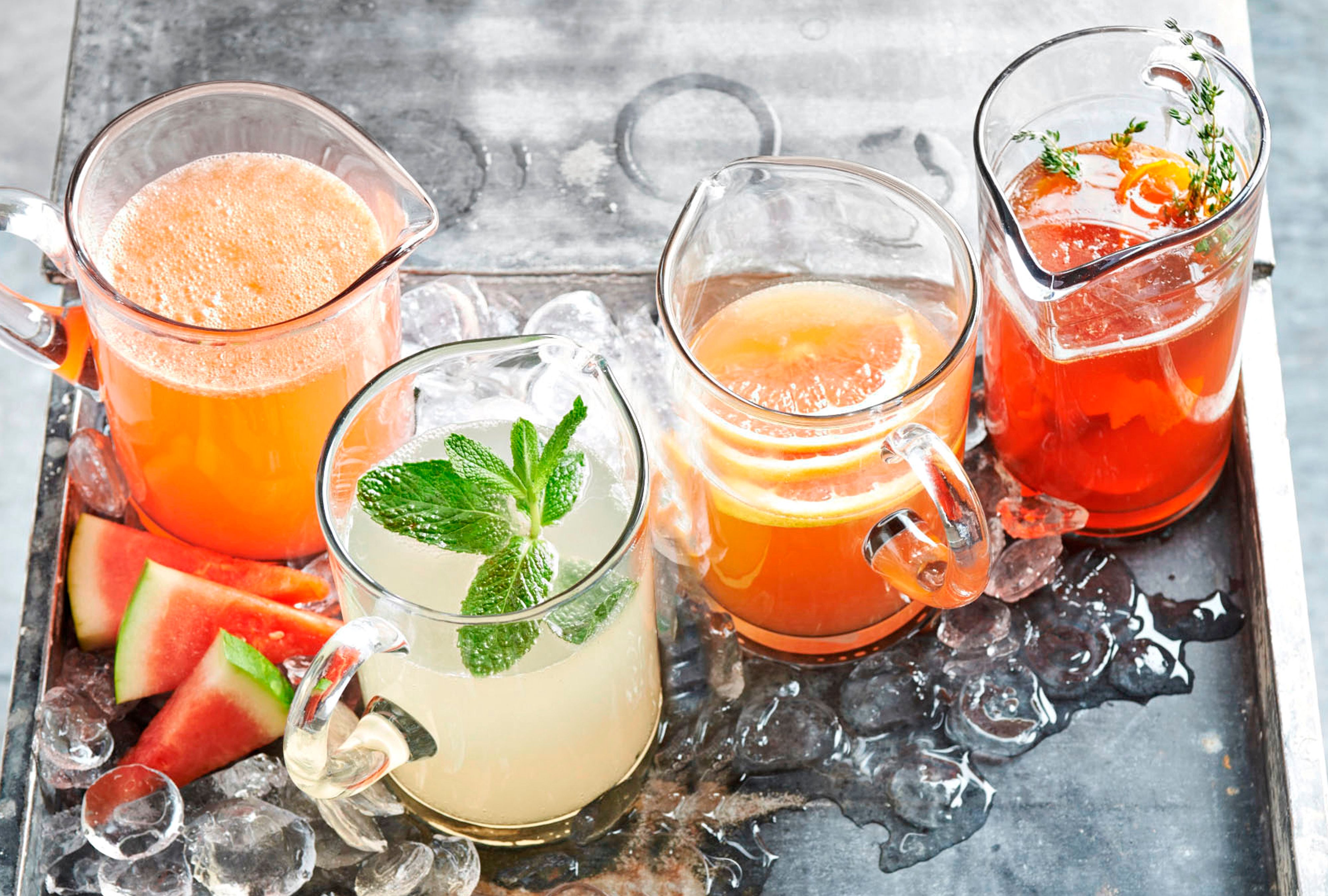
Every summer has a drink. Sometimes it is a Margarita sweating on a porch rail. Sometimes it is a Mojito with enough mint to make your herb garden nervous. Sometimes it is a Gin and Tonic so cold it fogs the glass like a tiny weather system. But the best summer cocktail is not always the newest one on the menu. Often, it is a classic you already love, dressed for the season and given a little personality.
The good news: you do not need a velvet-rope cocktail bar, a mustache with its own Instagram account, or a collection of bitters that requires separate shelving. Mixologists often build memorable drinks by starting with trusted formulas, then changing one or two details: the fruit, the herb, the sweetener, the texture, the garnish, or the way the drink is served. That is how a familiar Daiquiri becomes a strawberry-basil poolside hero, how an Old Fashioned takes a tropical vacation, and how a Martini becomes crisp enough for a heat wave.
This guide shows you how to turn a favorite classic drink into a signature summer cocktail without losing what made the original great. Think of it as a beach towel for your home bar: practical, colorful, and very useful when things get sticky.
Start with the Classic, Not the Chaos
A signature cocktail should feel personal, but it still needs structure. Classic cocktails endure because they are built on balance. The Margarita works because tequila, lime, orange liqueur, and sweetness pull in different directions without starting a bar fight. The Daiquiri works because rum, lime, and sugar are simple enough to let good ingredients shine. The Negroni works because equal parts gin, bitter aperitif, and sweet vermouth are bold, bitter, sweet, and aromatic all at once.
Before you start adding grilled pineapple, cucumber foam, or a garnish that looks like a small architectural project, identify the drink’s foundation. Is it a sour, like a Whiskey Sour, Margarita, Bee’s Knees, or Daiquiri? Is it a stirred spirit-forward drink, like an Old Fashioned, Manhattan, Martini, or Negroni? Is it a highball, like a Tom Collins, Paloma, Mojito, Cuba Libre, or Gin and Tonic? Once you know the family, you can change the outfit without changing the person.
The Mixologist Rule: Change One Big Thing at a Time
Professional bartenders experiment, but they do not usually throw twelve ideas into one glass and hope for applause. If your base drink is a classic Margarita, try mango or watermelon first. Then adjust spice. Then rethink the rim. If you change the tequila, citrus, fruit, sweetener, bitters, glass, garnish, and ice all at once, you have not created a signature cocktail. You have created a delicious identity crisis.
Use Summer Produce Like a Flavor Shortcut
Summer practically begs to be juiced, muddled, blended, and dropped into a shaker. Peaches, watermelon, berries, cucumbers, tomatoes, citrus, basil, mint, and jalapeños can make a classic drink taste seasonal without making it complicated.
For a warm-weather Daiquiri, muddle strawberries with simple syrup before adding rum and lime. For a Gin Gimlet, add cucumber and basil for a garden-fresh twist. For a Paloma, swap part of the grapefruit juice for pineapple juice, then finish with soda for a tropical highball. For a Whiskey Sour, try peach syrup and lemon, then garnish with a basil leaf instead of the usual cherry. The goal is not to bury the classic; it is to make it taste as if it packed a cooler and headed outside.
Best Summer Flavor Pairings for Classic Cocktails
- Rum + lime + strawberry: A bright Daiquiri variation that tastes like vacation without the resort wristband.
- Tequila + grapefruit + pineapple: A Paloma-inspired combination that is tart, fizzy, and beach-ready.
- Gin + cucumber + basil: A crisp Gimlet or Collins riff that feels like air conditioning in a glass.
- Bourbon + peach + lemon: A summer Whiskey Sour with Southern charm and backyard barbecue energy.
- Vodka + watermelon + mint: Light, clean, and easy to batch for a crowd.
- Mezcal + mango + lime: Smoky, sweet, tart, and perfect for people who say, “I want something interesting.”
Balance Sweetness, Acidity, and Dilution
The fastest way to ruin a summer cocktail is to make it too sweet. Heat makes heavy drinks feel heavier. A cocktail that tastes pleasantly rich in February can taste like melted candy in July. That is why mixologists lean on acidity, bubbles, ice, and dilution when building drinks for hot weather.
For sour-style cocktails, start with a practical template: two parts spirit, one part citrus, and one part sweetener. Then adjust. If your fruit is very sweet, reduce the syrup. If you add bitter liqueur, you may need a little more sweetness. If the drink tastes flat, it may need more acid, not more alcohol. Fresh lemon and lime are the tiny lifeguards of summer cocktails; they rescue drinks from dullness.
Simple Syrup Is Useful, but It Is Not Your Only Option
Classic simple syrup is equal parts sugar and water, but summer gives you better toys. Honey syrup adds floral body to a Bee’s Knees or Gold Rush. Agave syrup works beautifully with tequila and mezcal. Watermelon syrup can soften a Margarita. Peach syrup can lift a bourbon drink. Coconut water can add subtle tropical dilution to batched stirred cocktails. Even iced tea can become a flavor base for bourbon, rum, or vodka.
The trick is to keep sweetness in service of refreshment. A good summer cocktail should make you want another sip, not a nap.
Make Ice Part of the Recipe
Ice is not just frozen water wearing a tuxedo. It affects temperature, texture, dilution, and presentation. A Mint Julep needs crushed ice because the drink evolves as the ice melts through bourbon, mint, and sugar. A Martini wants to be very cold, but not watery. A highball needs enough ice to stay crisp while the bubbles do their job. A frozen Gin and Tonic benefits from chilling the mixture before blending, which helps the drink stay slushy without requiring a mountain of ice.
For home bartenders, three ice habits make a big difference. First, use plenty of ice when shaking or stirring; a half-empty shaker dilutes poorly and chills slowly. Second, use fresh ice in the serving glass, not the tired ice from the shaker. Third, use larger cubes for slow-sipping drinks and crushed ice for juleps, cobblers, swizzles, and tropical drinks that are meant to change as you drink them.
Turn the Classics into Summer Signatures
Here are practical ways to transform familiar drinks into warm-weather originals, while keeping the soul of the classic intact.
1. The Margarita Becomes a Watermelon-Chile Margarita
Start with blanco tequila, fresh lime juice, orange liqueur, and agave. Add fresh watermelon juice and a thin slice of jalapeño. Shake hard with ice, then serve over fresh ice with a half-salt, half-chile rim. The watermelon softens the lime, the chile adds a small spark, and the salt keeps everything bright.
Mixologist tip: Do not overdo the jalapeño. One slice is a suggestion. Four slices are a dare.
2. The Daiquiri Becomes a Strawberry-Basil Daiquiri
Muddle two ripe strawberries with simple syrup and a few basil leaves. Add white rum and fresh lime juice, shake, and strain into a chilled coupe. The result is still a Daiquiri: clean, tart, and rum-forward. The berries and basil simply give it a summer garden accent.
Mixologist tip: Fine-strain if you want a polished texture. Leave tiny strawberry flecks if you want it to look more rustic and homemade.
3. The Old Fashioned Becomes a Coconut-Peach Old Fashioned
Use bourbon or aged rum as the base. Replace plain sugar with a small amount of peach syrup. Add aromatic bitters and one dash of orange bitters. Stir with ice, then strain over a large cube. For a lighter summer version, add a measured splash of chilled coconut water before serving.
Mixologist tip: Spirit-forward drinks need dilution. Without enough water, they can taste hot, sharp, and stubborn.
4. The Gin and Tonic Becomes a Garden G&T
Build gin, premium tonic, cucumber slices, and a basil or mint sprig in a tall glass filled with ice. Add a squeeze of lime or grapefruit. This is barely more difficult than the original, but it tastes fresher and looks like you planned ahead, which is half the magic of hosting.
Mixologist tip: Match the garnish to the gin. Citrusy gins love grapefruit. Herbal gins love rosemary, basil, or cucumber. Floral gins play nicely with berries and lemon.
5. The Mojito Becomes a Pineapple-Mint Mojito
Gently muddle mint with simple syrup. Add white rum, lime juice, and pineapple juice, then shake briefly or build directly in the glass. Top with soda water and garnish with mint. It is tropical, fizzy, and refreshing without becoming a sugar parade.
Mixologist tip: Be gentle with mint. Bruised mint can taste bitter. You want to wake it up, not interrogate it.
6. The Martini Becomes a Freezer Cucumber Martini
Combine gin or vodka with dry vermouth and a small amount of cucumber water. Batch it in a bottle and store it in the freezer. When guests arrive, pour into chilled glasses and garnish with a cucumber ribbon or lemon twist.
Mixologist tip: If you pre-batch a Martini, include a little water to mimic the dilution that normally comes from stirring with ice.
Think About Texture: Shaken, Stirred, Fizzy, Frozen, or Crushed
Texture is where many home cocktails go from “nice” to “who made this?” Shaken drinks feel lively because citrus, sugar, and spirit are whipped together with ice. Stirred drinks feel silky because they are chilled and diluted without aeration. Highballs feel refreshing because carbonation lifts aroma and lightens the body. Frozen drinks turn classics into summer desserts, but they need enough acid and spirit to avoid tasting like a smoothie wearing sunglasses.
If you want your signature summer cocktail to feel lighter, add bubbles. Club soda, tonic, sparkling wine, ginger beer, and even sparkling mineral water can stretch a drink without making it weak. A Negroni can become a Negroni Spritz. A Margarita can become a Ranch Water-style highball. A French 75 already proves that citrus, gin, sugar, and bubbles are basically a summer evening in formalwear.
Batch the Drink Before the Party Starts
No host wants to spend the entire party shaking individual cocktails while everyone else discusses whether the grill is “supposed to be doing that.” Batching solves the problem. It also makes drinks more consistent.
For spirit-forward drinks like Negronis, Manhattans, Martinis, or Old Fashioneds, combine the ingredients in advance and add water for dilution. Chill the batch thoroughly. For citrus drinks, batch the spirit, liqueur, syrup, and juice only a short time before serving so the citrus stays fresh. Keep bubbles separate until the last minute. Nobody wants a flat spritz, unless the theme of your party is disappointment.
Easy Batch Formula
- Choose a cocktail that scales easily.
- Multiply each ingredient by the number of servings.
- Add measured dilution for stirred drinks.
- Chill everything before guests arrive.
- Add soda, sparkling wine, or tonic only when serving.
- Set out garnishes so guests feel involved but cannot destroy the recipe.
Do Not Forget the Garnish
A garnish should add aroma, color, or flavor. It should not look like the produce drawer exploded. For summer, choose garnishes that hint at what is inside the glass: a slapped mint sprig for a Mojito, a grapefruit wedge for a Paloma, a basil leaf for a strawberry Daiquiri, a cucumber ribbon for a Gimlet, or a grilled pineapple wedge for a rum drink.
Salt rims, sugar rims, chile rims, citrus wheels, edible flowers, herb bouquets, skewered berries, and frozen grapes can all make a drink feel special. But restraint matters. Your cocktail should not require instructions, tools, or a building permit.
Create a Signature Name
Once the drink tastes right, name it. A signature summer cocktail deserves a name that fits the occasion. Hosting a backyard barbecue? Try “The Porch Swing Paloma.” Planning a beach weekend? “The Cooler Queen Daiquiri” has a certain confidence. Making a drink for a wedding shower, birthday, or family reunion? Use a place, nickname, inside joke, or seasonal image.
The name does not have to be fancy. It just has to be memorable. People may forget the exact ratio, but they will remember the “Aunt Linda Spritz,” especially if Aunt Linda has opinions about the playlist.
Offer a Low-ABV or Zero-Proof Version
Great summer hosting includes options. Low-alcohol drinks such as spritzes, sherry cobblers, vermouth-and-soda highballs, and wine spritzers are flavorful without being heavy. For zero-proof versions, use fresh citrus, fruit syrup, herbs, chilled tea, tonic, soda water, ginger beer, or nonalcoholic spirits.
For example, a zero-proof Paloma can use grapefruit juice, lime, agave, a pinch of salt, and soda water. A nonalcoholic Mojito can use mint, lime, simple syrup, and sparkling water. A summer “sour” can be built with lemon, honey syrup, iced tea, and egg white or aquafaba for texture. The best alcohol-free drinks are not apologies; they are well-made beverages that happen to skip the booze.
Common Mistakes That Make Summer Cocktails Less Refreshing
Too much sugar is the obvious villain, but it has accomplices. Warm glassware, old citrus juice, weak ice, flat soda, wilted herbs, and overcomplicated recipes can all drag down a drink. Summer cocktails should be cold, bright, and easy to enjoy.
Another common mistake is forgetting the base spirit. If you add too much fruit juice, the drink becomes punch. That is not always bad, but it may no longer taste like the classic you intended to riff on. A signature cocktail should still have a backbone. Let the tequila taste like tequila, the rum taste like rum, and the gin taste like gin. Otherwise, you are just making expensive fruit salad.
Experience Notes: What I Learned While Turning Classics into Summer Cocktails
The first time I tried to create a signature summer cocktail, I made the classic beginner mistake: I added everything that sounded good. There was rum, lime, pineapple, mint, ginger beer, bitters, coconut water, and possibly a strawberry that wandered in looking for work. It was not terrible, but it was not a cocktail. It was a group project in a glass.
The better drinks happened when I started with one classic and gave it one clear summer idea. A Daiquiri with strawberries and basil worked because the original already had a clean structure. Rum brought softness, lime brought sharpness, sugar carried the fruit, and basil added aroma. Nothing had to shout. The drink tasted like the first really good strawberry of June, only with better posture.
A Paloma riff taught me another lesson: bubbles are powerful. Grapefruit, lime, tequila, and soda are already refreshing, but adding pineapple juice made the drink feel sunnier. The soda kept it from becoming heavy, and a salted rim pulled the whole thing together. That drink disappeared fastest at a cookout, partly because it was good and partly because people could understand it immediately. “It’s like a tropical Paloma” is a much easier sell than “It’s an interpretive citrus-agave experience.”
I also learned that batching is the difference between hosting a party and becoming unpaid bar staff. A pitcher of watermelon Margaritas can make you look relaxed even if you were frantically cleaning the patio fifteen minutes earlier. The key is to keep the batch cold, taste it before serving, and hold back anything sparkling until the last possible second. Add fresh garnishes nearby, and suddenly guests are “customizing” their drinks instead of asking you where the bottle opener is.
The most surprising success was a lighter Old Fashioned variation. I assumed whiskey would feel too heavy in summer, but a small amount of peach syrup, orange bitters, and proper dilution made it work. Served over a large cube with a wide orange peel, it became a sunset drink: slower, warmer, and better after dinner. Not every summer cocktail has to be fizzy and neon. Some just need to be chilled, balanced, and invited to loosen their tie.
My biggest takeaway is that a signature summer cocktail should match the moment. Pool drinks should be simple and cold. Dinner-party drinks can be more aromatic. Beach-house drinks should survive in a pitcher. Porch drinks should be easy enough to make while talking. A great cocktail is not only about ingredients; it is about timing, weather, food, glassware, and the people holding the drinks.
So start with the classic you already love. Give it a seasonal flavor. Respect the balance. Chill it properly. Name it something fun. Then serve it with confidence, even if the garnish is leaning a little to the left. Summer is forgiving. Ice melts, mint wilts, and somebody will always ask for “just a little more lime.” That is part of the charm.
Conclusion: Your Summer Signature Starts with a Classic
Transforming a classic drink into a signature summer cocktail is less about reinventing mixology and more about listening to what the season wants. Summer wants brightness, coldness, freshness, bubbles, fruit, herbs, and just enough flair to make the glass feel special. The classic provides the bones. Your seasonal twist gives it a tan.
Whether you turn a Margarita into a watermelon-chile refresher, a Daiquiri into a strawberry-basil crowd-pleaser, a Mojito into a pineapple-mint cooler, or an Old Fashioned into a peachy sunset sipper, the same rules apply: keep the drink balanced, use fresh ingredients, respect dilution, and do not overcomplicate the recipe. The best signature cocktails feel effortless, even when there is a little technique behind the curtain.
And remember: the goal is not to impress people with how many bottles you own. The goal is to hand someone a cold glass and watch their shoulders drop. That is summer mixology at its finest.