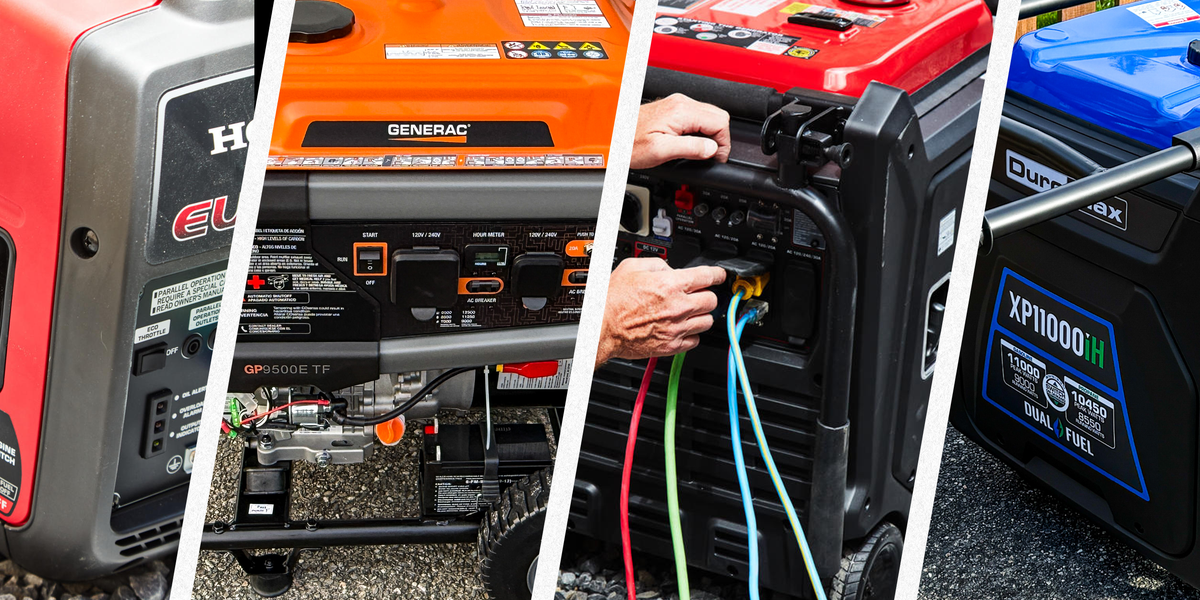
Shopping for a generator can feel weirdly similar to shopping for a dog. One option is loud, powerful, and not especially subtle. The other is smaller, quieter, and somehow more refined, like it already knows how to sit politely in the corner. That, in a nutshell, is the debate between a standard generator and an inverter generator.
Both can keep the lights on, save the fridge full of groceries, and rescue a camping trip from turning into an accidental medieval reenactment. But they do not do those jobs in the same way. If you choose the wrong one, you may end up paying too much, getting too little power, or introducing your neighborhood to a noise level normally associated with a runway.
So, which is better? The honest answer is: it depends on what you need to power, how often you need backup electricity, how much noise you can tolerate, and whether your devices include a laptop or just a freezer and a sump pump. Let’s break it all down in plain English.
The Short Answer
Inverter generators are usually better for quiet operation, fuel efficiency, portability, and powering sensitive electronics. Standard generators are often better for higher wattage needs, lower upfront cost per watt, and heavier-duty backup or jobsite use.
If your priority is clean, stable electricity for phones, laptops, tablets, RV gear, or a peaceful campsite, an inverter generator usually wins. If your priority is getting the most muscle for your money during outages or work projects, a standard generator often makes more sense.
What Is a Standard Generator?
A standard generator, sometimes called a conventional or open-frame portable generator, uses a gasoline, propane, or diesel engine to produce electricity in a relatively direct way. These units are known for straightforward design, solid power output, and a reputation for doing the job without trying to impress anyone with good manners.
They are often larger, louder, and better suited to powering multiple appliances, power tools, or heavier household loads. If you picture the classic portable generator sitting outside during a storm, wearing a steel frame and sounding like it has unresolved anger issues, you are probably picturing a standard model.
What Is an Inverter Generator?
An inverter generator also starts with an engine, but it processes electricity differently. Instead of simply producing AC power and sending it out, it converts power through electronic controls to create a cleaner, more stable output. That cleaner power is why inverter models are commonly recommended for sensitive electronics.
They also tend to adjust engine speed to match demand. In plain terms, the generator does not scream at full volume when all you are charging is a phone and a fan. That variable-speed behavior is a big reason inverter generators are usually quieter and more fuel-efficient than standard models.
Standard Generators vs. Inverter Generators: The Biggest Differences
1. Power Quality
This is where inverter generators really show off. They are built to provide cleaner and more consistent electricity, which matters for devices with delicate electronics. Laptops, televisions, gaming systems, CPAP machines, tablets, routers, and battery chargers generally prefer this smoother power.
Standard generators can run many appliances just fine, especially basic household equipment and tools, but their electrical output is usually less refined. That does not automatically mean they will fry your electronics on sight like a movie villain. It does mean inverter models are the safer bet when your outage survival plan includes both a refrigerator and the Wi-Fi router that keeps the household sane.
2. Noise Levels
If noise is a major factor, inverter generators are usually the clear winner. Most are enclosed, better insulated, and designed to throttle down when demand is low. That makes them a lot more neighborhood-friendly.
Standard generators, especially open-frame models, are typically louder because they often run at a more constant speed and have less sound shielding. This does not matter much on a remote jobsite. It matters quite a bit at 2 a.m. in a suburban cul-de-sac where your neighbor already thinks your leaf blower has a personality problem.
3. Fuel Efficiency and Runtime
Inverter generators usually squeeze more use out of each tank because the engine speed rises and falls with the load. When demand is light, the generator burns less fuel. That can translate into longer runtime, less refueling, and lower operating cost over time.
Standard generators tend to be less efficient because many run at a steady speed regardless of whether they are powering a few lights or several large items. If you expect to use a generator often, that difference in fuel consumption can become more than a footnote. It can become a budget conversation.
4. Power Output
This is where standard generators often hit back. In general, they deliver more raw wattage for the price and are commonly chosen when people need to power larger loads. Refrigerators, freezers, sump pumps, well pumps, space heating equipment, or several circuits during an outage can push people toward a conventional portable generator.
Inverter generators used to be associated mostly with smaller recreational use, though that is changing. Today, some inverter models offer serious output, and some can even be paired in parallel for more power. Still, if your priority is maximum output without paying premium pricing, standard generators often remain the value play.
5. Portability and Storage
Inverter generators are usually easier to move and store. They tend to be more compact, lighter, and better shaped for transport. Many are clearly designed with camping, tailgating, RV travel, and small-scale backup in mind.
Standard generators can be bulkier and heavier, especially as wattage increases. Wheels and handles help, but “portable” does not always mean “fun to move.” Sometimes it means “technically movable if you had coffee and opinions.”
6. Price
On sticker price alone, standard generators often look more appealing. You can usually get more wattage per dollar with a conventional portable model. If you are strictly comparing cost and output, the math often leans in their favor.
Inverter generators usually cost more than standard generators with similar output. That higher price reflects quieter operation, cleaner power, better electronics protection, and often more convenience features. Whether that premium is worth it depends on your priorities. Some buyers see the difference and say, “Absolutely.” Others look at the price tag and suddenly become fans of earplugs.
7. Maintenance and Features
Both generator types need maintenance, and neither one runs on good intentions. However, inverter generators often include modern features like eco mode, digital displays, USB ports, CO shutoff systems, and parallel capability. Standard generators can include useful safety features too, but they are often more basic and more focused on raw function than polish.
If you like simple machines that do a tough job, standard generators are appealing. If you like convenience, quieter engineering, and smarter load management, inverter models tend to feel more modern.
Comparison Table: Standard vs. Inverter Generators
| Feature | Standard Generator | Inverter Generator |
|---|---|---|
| Power Quality | Good for many basic loads | Cleaner and more stable for electronics |
| Noise | Usually louder | Usually quieter |
| Fuel Efficiency | Generally lower | Generally higher |
| Output per Dollar | Usually better | Usually lower |
| Portability | Often heavier and bulkier | Often lighter and more compact |
| Best Use Cases | Home backup, jobsites, heavier loads | Camping, RVs, electronics, quieter neighborhoods |
| Typical Price | Lower upfront cost | Higher upfront cost |
Which Generator Is Better for Home Backup?
For home backup, the answer depends on what “backup” means in your house. If you want to keep a few essentials running, such as the fridge, some lights, device chargers, internet equipment, and maybe a fan, an inverter generator can do a very nice job while being quieter and more fuel-efficient.
If your definition of backup includes heavier loads or multiple appliances at once, a standard generator often makes more sense. That is especially true for homes with sump pumps, well pumps, or a longer list of must-have equipment during outages. Standard models often deliver more practical capacity without forcing your wallet into an emotional support group.
That said, larger inverter generators are increasingly capable for backup use, so this is no longer a tiny-versus-brawny contest. It is really a choice between refinement and value, with power requirements acting as the referee.
Which Generator Is Better for Camping, RVs, and Tailgating?
For camping, RVs, and tailgating, inverter generators are usually the better choice by a mile. They are quieter, easier to move, and better suited to powering electronics, lights, small appliances, and battery charging.
No one wants a generator that sounds like a chainsaw trying to start a rock band next to the campsite. In recreational settings, noise matters. So does portability. Inverter models are simply better aligned with those needs.
Which Generator Is Better for Jobsites and Heavy Tool Use?
Standard generators are still a strong pick for many jobsites and work applications, especially when the goal is affordable power for tools and equipment. They are rugged, straightforward, and often better positioned when brute-force output matters most.
That said, inverter technology is creeping into this space too. Open-frame inverter models try to split the difference by offering more output with some of the efficiency and noise advantages of inverter design. For buyers who want jobsite-worthy power without maximum noise, those hybrid-style options are worth a look.
Safety Matters More Than the Generator Debate
Here is the unglamorous but essential part: no matter which type you choose, a portable generator is not a casual toy. Carbon monoxide exposure is a real and deadly risk. Fire risk, shock risk, and unsafe home connection practices are also serious concerns.
That means the “better” generator is not the one with the coolest spec sheet. It is the one that fits your needs and is used with strong safety habits. Features such as carbon monoxide shutoff can add protection, but they do not replace careful placement, working CO alarms, and following manufacturer instructions. If home integration is part of the plan, professional electrical guidance matters.
Pros and Cons of Standard Generators
Pros
- Usually more wattage for the money
- Strong choice for heavier loads and backup needs
- Often rugged and straightforward
- Good fit for jobsites and larger power demands
Cons
- Usually louder
- Less fuel-efficient
- Bulkier and heavier
- Power quality is often less ideal for sensitive electronics
Pros and Cons of Inverter Generators
Pros
- Cleaner power for electronics
- Quieter operation
- Better fuel efficiency
- More compact and portable
- Often packed with modern convenience features
Cons
- Higher upfront cost
- Often less wattage per dollar
- Smaller models may not cover larger backup loads
- Premium features can push prices up fast
So, Which Is Better?
If you want one clean verdict, here it is: inverter generators are better for most people who care about quiet operation, fuel savings, portability, and electronics-safe power. Standard generators are better for buyers who need more output for the price and expect to power heavier loads.
In other words, the better generator is the one that matches your real-world needs, not your fantasy version of yourself. If you are mainly keeping essentials alive during short outages or powering devices on the go, an inverter generator is probably the smarter buy. If you are preparing for more demanding backup situations or work applications, a standard generator may be the more practical answer.
Neither type is universally best. They are best at different things. The trick is buying for your life, not for a spec-sheet showdown you only enjoy for six minutes on the internet.
Real-World Experiences and Buying Scenarios
In real life, people usually discover the right generator type the same way they discover the right suitcase size: after buying the wrong one once. Someone grabs a standard generator because it looked like a bargain, then realizes it is louder than expected and awkward to move for weekend trips. Another buyer spends extra on an inverter generator, loves the quiet performance, and then finds out it cannot comfortably cover every appliance they wanted during a longer outage. The lesson is simple: your use case matters more than brand loyalty or marketing language.
Take the suburban homeowner who mainly wants to protect food in the fridge, power a modem, charge phones, and run a few lights during storm-related outages. That person often ends up happiest with an inverter generator, especially if the neighborhood is dense and noise matters. The quieter operation feels less stressful, fuel use tends to be lower, and the cleaner power adds peace of mind when electronics are in the mix. It is not the flashy answer, but it is often the most livable one.
Now consider the household with a sump pump, full-size refrigerator, freezer, and a longer list of must-run equipment. This is where standard generators frequently earn their keep. Owners in that situation often care less about whisper-quiet performance and more about available wattage, durability, and value. Their question is not, “Can I power my tablet?” It is, “Can I keep the basement dry and the groceries cold?” Very different vibe. Much less glamorous. Much more important.
Campers and RV owners usually tell a different story. Many learn fast that a loud generator can make you unpopular before breakfast. Inverter generators fit this world better because they are easier to move, generally quieter, and friendlier to the electronics people now bring everywhere. Between phones, portable fridges, laptops, lighting, routers, and chargers, modern “roughing it” looks suspiciously like a mobile office with snacks. In that setting, inverter models simply make more sense.
Contractors, DIYers, and jobsite users often lean back toward standard generators, especially when cost and output are the top priorities. If the goal is reliable power for tools in a place where noise is already part of the soundtrack, the extra refinement of an inverter generator may not feel essential. Still, some buyers in this group are shifting toward inverter-based options because lower noise and better fuel economy can be meaningful over time. The choice is becoming less black and white than it used to be.
The most satisfied buyers tend to be the ones who size their expectations honestly. They do not buy the cheapest unit and hope for magic. They do not buy the fanciest one just because the display panel looks like a spaceship. They think about what they truly need to power, how often they will use it, where noise matters, and how much convenience is worth paying for. That approach is less exciting than dramatic comparison videos, but it usually leads to fewer regrets and fewer muttered phrases like, “Well, this seemed smarter online.”
Conclusion
When comparing standard generators vs. inverter generators, the best choice is not about which machine wins a universal contest. It is about which machine solves your problem better. Inverter generators shine when quiet performance, cleaner electricity, portability, and fuel efficiency matter most. Standard generators still hold a strong edge when you want more raw power for the money and plan to support larger loads.
Choose with your actual needs in mind, not your imaginary future as a one-person disaster-response unit. If you do that, you will end up with a generator that feels less like a compromise and more like a smart tool you can actually live with.