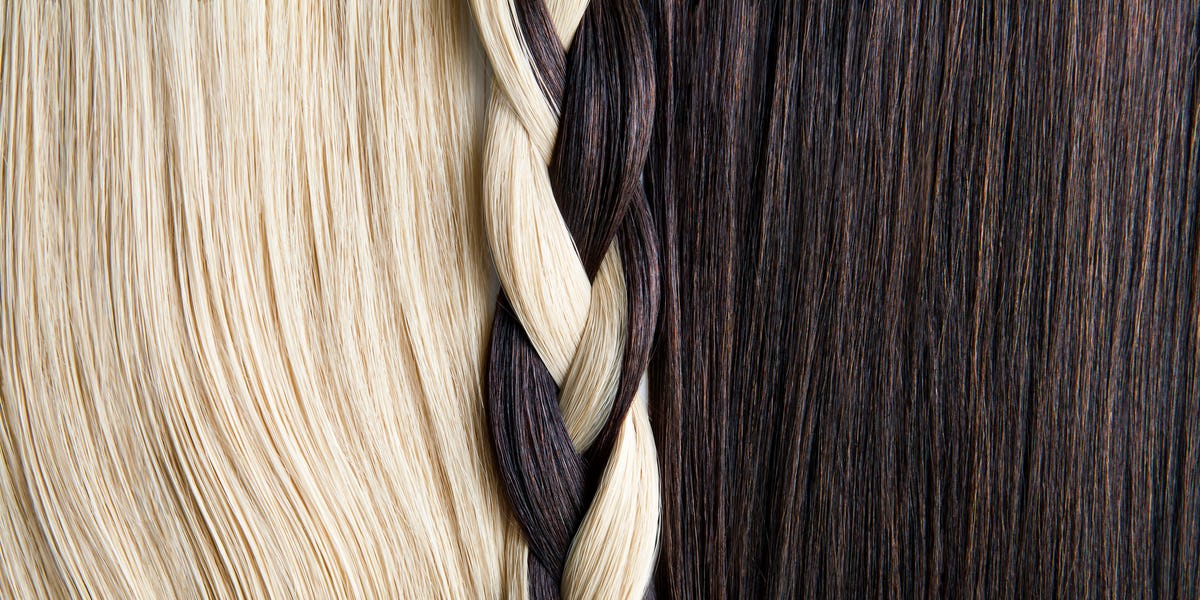
Going from brunette to blonde is one of the most exciting hair transformations you can make. It is also one of the easiest ways to discover that hair has a personality, a memory, and occasionally the attitude of a tiny dramatic celebrity. Brown to blonde hair color can be soft and sun-kissed, bold and buttery, cool and icy, or somewhere in the bronde middle where nobody knows whether to call you brunette or blondeand honestly, that is part of the fun.
But before you grab the lightest blonde box dye on the shelf and whisper, “How hard can it be?” let us have a friendly salon-chair reality check. Brunette hair usually contains strong warm pigments underneath the surface. When it is lightened, those hidden red, orange, and gold tones often show up before you reach the blonde finish you imagined. That does not mean your blonde dream is doomed. It simply means the journey needs a plan, patience, and preferably someone who knows the difference between “honey blonde” and “help, my hair is pumpkin.”
This guide explains how to go from brunette to blonde safely, how to choose the right shade, what happens during the coloring process, how to maintain blonde hair, and what real-world experiences can teach you before you make the leap.
Understanding the Brown to Blonde Hair Color Process
The most important thing to know about going from brown hair to blonde is that color does not lift color evenly or magically. If your hair is naturally dark brown, previously dyed brunette, or layered with years of glosses and box color, the lightening process may take more than one appointment. Blonde is not just “lighter brown.” It is a different color level that often requires removing pigment first, then refining the tone.
Hair color professionals often talk about levels. Very dark brown or black hair sits near the lower levels, while light blonde and platinum sit near the highest levels. To move up several levels, your hair usually needs lightener, commonly called bleach. Lightener breaks down pigment so the hair can become light enough for blonde toner or dye to show properly.
Here is where the plot thickens: brunette hair rarely lifts straight to a cool, creamy blonde. It usually moves through stagesred, orange, gold, yellow, pale yellowbefore reaching a blonde result. That is why toner matters. Toner helps neutralize unwanted warmth and gives blonde hair its final personality, whether that is beige, ash, champagne, golden, buttery, or icy.
Can You Go Blonde in One Session?
Sometimes, yes. Often, no. The answer depends on your starting shade, your hair history, the condition of your hair, and your blonde goal. A person with virgin light brown hair who wants soft dark blonde highlights may be able to get a beautiful result in one salon visit. A person with dyed espresso brown hair who wants platinum blonde will probably need multiple sessions. That is not a stylist being dramatic; that is chemistry politely refusing to rush.
If your hair has been colored dark, especially with permanent dye, your colorist may need to remove artificial pigment carefully. Previously dyed hair can lift unevenly, leaving bands of orange, gold, or darker brown. This is why honesty during a consultation matters. Tell your colorist about old box dye, henna, glosses, keratin treatments, relaxers, perms, and any lightening you have done. Your hair history is not a confession booth, but it is close.
Step 1: Choose the Right Blonde for Your Skin Tone and Lifestyle
Before lightener touches your hair, decide what kind of blonde actually suits your features and your schedule. The best blonde hair color is not always the palest one. Sometimes the most flattering shade is dark blonde, caramel blonde, honey blonde, beige blonde, mushroom blonde, or bronde.
Warm blonde shades
Warm blondes include honey, golden, caramel, buttery, and wheat tones. They look beautiful on many brunettes because they work with the natural warmth that appears during lightening. If your skin has golden, peachy, olive, or warm undertones, these shades can look especially soft and natural.
Cool blonde shades
Cool blondes include ash blonde, pearl blonde, icy blonde, and mushroom blonde. These shades are elegant and modern, but they usually require more toning and maintenance because brunette hair naturally wants to reveal warmth. Cool blonde is gorgeous, but it can be a bit high-maintenancethe hair color version of owning a white couch.
Neutral and beige blondes
Neutral blonde, beige blonde, and champagne blonde are often great choices for first-time blondes. They are softer than icy platinum but less golden than honey blonde. They can flatter a wide range of skin tones and are easier to maintain than ultra-cool shades.
Bronde
Bronde hair color combines brown and blonde tones. It is one of the most practical options for brunettes because it adds brightness without requiring every strand to become blonde. Bronde balayage, face-framing highlights, and soft ribbons of blonde can create a fresh look with less obvious regrowth.
Step 2: Decide Between Highlights, Balayage, Full Blonde, or Rooted Blonde
There is more than one way to go from brunette to blonde. Your technique affects the final look, the price, the grow-out, and how often you will need touch-ups.
Blonde highlights on brown hair
Highlights are a classic way to lighten brunette hair. They add brightness in selected sections rather than changing the entire head. Fine highlights can create a soft, blended look, while chunkier or high-contrast highlights create a bolder effect. For many brunettes, highlights are the safest first step into blonde.
Balayage
Balayage is a hand-painted highlighting technique that creates a natural, sunlit finish. It is especially popular for brown to blonde hair color because it can keep the roots darker while brightening the mid-lengths and ends. The grow-out is softer, so you may not need salon visits as often.
Ombré
Ombré hair moves from darker roots to lighter ends. It is more dramatic than balayage and can work well if you want visible contrast. The trick is making the transition smooth rather than stripey. Nobody wants hair that looks like it was dipped in paint during a power outage.
Full blonde transformation
A full blonde transformation means lightening most or all of your hair. This creates the biggest change but also requires the most maintenance. If you want all-over blonde, especially pale blonde, prepare for root touch-ups, toning appointments, conditioning treatments, and a new relationship with purple shampoo.
Root smudge or shadow root
A root smudge blends darker roots into lighter blonde lengths. This is a smart option for brunettes because it creates a softer grow-out and makes the blonde feel more natural. A shadow root can also make blonde hair look more dimensional instead of flat.
Step 3: Prepare Your Hair Before Going Blonde
Healthy hair lightens more predictably and looks better afterward. In the weeks before your appointment, focus on moisture, strength, and avoiding unnecessary damage. Use a gentle shampoo, a moisturizing conditioner, and weekly deep-conditioning masks. If your hair is already dry, brittle, or breaking, delay the blonde and repair first.
Avoid overlapping chemical services. Do not schedule a major lightening session right after a perm, relaxer, harsh straightening treatment, or repeated heat styling marathon. Blonde hair can be strong and beautiful, but it needs a good foundation.
It is also wise to avoid washing your hair immediately before a bleach appointment unless your stylist tells you otherwise. Natural oils can help protect the scalp slightly, though they do not make bleaching risk-free. Most importantly, arrive with your hair free of heavy styling products, oils, or sprays that might interfere with the color process.
Step 4: Get a Consultation and Strand Test
A consultation is where the blonde plan becomes realistic. Bring inspiration photos, but bring several. One photo may show lighting, filters, extensions, or a celebrity whose hair maintenance budget could sponsor a small nation. Multiple photos help your stylist understand the tone, brightness, placement, and overall vibe you want.
A strand test is especially helpful if your hair is dark, previously colored, fragile, or unpredictable. It shows how your hair lifts and whether the desired blonde is possible without serious damage. It can also reveal old color bands that are hiding in the hair. Think of it as a tiny preview before the full movie.
Step 5: Lighten Slowly When Needed
The safest way to go from brunette to blonde is often gradual. Instead of forcing the hair from dark brown to pale blonde in one sitting, your stylist may recommend building brightness over several appointments. This could start with caramel highlights, then move to golden blonde balayage, then beige or light blonde later.
Gradual lightening protects the hair’s structure and helps avoid breakage. It also gives you time to adjust to seeing yourself lighter. Going blonde can change your makeup preferences, wardrobe colors, and even how your brows look. Your reflection may need a minute to introduce itself.
What Happens During a Salon Brown to Blonde Appointment?
A typical brunette-to-blonde appointment may include several steps. First, your stylist analyzes your hair and mixes a lightener formula. Then they apply it using foils, balayage painting, or all-over application, depending on the technique. The lightener processes while the stylist monitors your hair’s lift and condition.
After rinsing, your hair may look yellow, orange, or gold before toner. Do not panic. This is normal. Toner is then applied to refine the shade and neutralize unwanted warmth. After that, your stylist may use a gloss, conditioning treatment, haircut, or blowout to finish the look.
For major transformations, the appointment can take several hours. Bring a snack, a phone charger, and emotional flexibility. Blonde is a destination, but the salon chair is the airport.
Can You Go From Brunette to Blonde at Home?
You can lighten hair at home, but not every brown to blonde transformation is a good DIY project. At-home color is best for subtle changes, refreshing tone, or lifting only a small amount on healthy, untreated hair. If you want to go more than two shades lighter, have very dark hair, have dyed your hair before, or want platinum blonde, a professional colorist is the safer choice.
If you still choose to lighten at home, read the instructions fully, do a patch test and strand test, use the correct tools, and never leave lightener on longer than directed. More time does not equal better blonde. It can equal breakage, irritation, and a haircut you did not emotionally approve.
Also, avoid applying bleach repeatedly to already-lightened sections. Overlap is one of the fastest ways to damage hair. If your roots need lightening, focus on the regrowth and protect the blonde ends.
How to Avoid Orange or Brassy Blonde Hair
Brassiness happens when warm pigments show through lightened hair. Brunettes are especially prone to orange and gold tones because those pigments naturally exist underneath brown hair. The solution is not always “bleach it again.” Sometimes the hair needs toner, gloss, blue shampoo, purple shampoo, or a darker cool-blonde correction.
Purple shampoo helps neutralize yellow tones in blonde hair. Blue shampoo is often better for orange tones because blue sits opposite orange on the color wheel. Use toning shampoos carefully. Too much can make blonde look dull, smoky, or slightly violet. Unless you are auditioning to be a lavender cloud, follow the directions.
How to Maintain Blonde Hair After Being Brunette
Blonde hair requires a different routine than brunette hair. Lightened hair can be more porous, which means it may absorb minerals, styling products, and environmental pollutants more easily. It can also lose toner over time, allowing warmth to return.
Use color-safe shampoo and conditioner
Switch to products made for color-treated hair. Harsh shampoos can fade toner and dry out lightened strands. A gentle, sulfate-free or color-safe formula can help preserve shine and softness.
Add moisture and repair treatments
Use deep conditioners and bond-building treatments if your stylist recommends them. Blonde hair often needs both moisture and strength. Moisture helps with softness, while strengthening treatments help support the hair structure.
Limit heat styling
Heat tools can make blonde hair look dry and faded faster. Use a heat protectant every time you blow-dry, curl, or straighten. Lower the temperature when possible. Your hair does not need to be cooked like a grilled cheese.
Protect hair from sun and chlorine
Sun exposure can fade color, and pool water can affect blonde hair. Wet your hair with clean water before swimming, use a protective leave-in conditioner, and rinse right after. If you swim often, ask your stylist about clarifying and toning options.
Schedule toner and root appointments
Depending on your blonde style, you may need toner every six to eight weeks, highlights every two to four months, or root touch-ups every four to eight weeks. Balayage and rooted blonde usually grow out more softly than all-over blonde.
Best Blonde Options for Different Brunette Starting Points
Light brown hair
Light brown hair has the easiest path to blonde. You may be able to achieve dark blonde, beige blonde, caramel blonde, or bright highlights with less lifting. This starting point is ideal for soft balayage or natural-looking blonde ribbons.
Medium brown hair
Medium brown hair can become honey blonde, golden blonde, bronde, or dimensional beige blonde. If you want a cool ash result, expect toning and maintenance. Warm or neutral blondes are usually more forgiving.
Dark brown hair
Dark brown hair often needs multiple sessions for light blonde results. Caramel highlights, toffee balayage, and rooted bronde are excellent first steps. If platinum is the goal, patience is your best beauty product.
Previously dyed brown hair
Previously dyed brown hair can be unpredictable. Artificial pigment may lift unevenly, especially if the ends are darker from repeated color applications. A color correction plan may be needed before a clean blonde result is possible.
Common Mistakes When Going From Brunette to Blonde
The first mistake is expecting instant platinum from dark brown hair. The second is ignoring hair condition. The third is using box dye over box dye over box dye and hoping everyone involved forgets the past. Hair remembers.
Another common mistake is choosing a blonde based only on a photo without considering maintenance. Icy blonde looks stunning, but it needs toning, careful shampooing, and frequent upkeep. Golden blonde may be easier to maintain, especially if your hair naturally lifts warm.
Finally, do not skip trims. Lightened ends can become dry or split. A small trim can make blonde hair look healthier, shinier, and more expensive, even if your bank account is still recovering from the appointment.
Real-Life Experiences: What Going Brunette to Blonde Actually Feels Like
The first experience many brunettes have is surprise. You may walk into the salon imagining one big reveal and discover that the process is more like a season finale with multiple episodes. A stylist might say, “We can get you lighter today, but not that light,” and at first it can feel disappointing. Then you realize the alternative is fried hair, and suddenly patience becomes very fashionable.
One common first step is face-framing highlights. This is a great way to test blonde without committing to a full transformation. The lighter pieces around the face can brighten your complexion and give the illusion of a bigger change. Many brunettes find that once they see those first golden or beige ribbons, they either fall in love immediately or realize they prefer a softer bronde look. Both outcomes are useful.
Another real-world lesson is that toner changes everything. Right after lightener is rinsed, the hair may look shockingly warm. You might see yellow, orange, or gold and wonder if something has gone wrong. Then toner goes on, and the shade suddenly becomes softer, cooler, creamier, or more polished. This is why judging the color halfway through the appointment is like judging cookies while they are still dough.
Maintenance is also a learning curve. New blondes often discover that their old shampoo is too harsh, their favorite flat iron temperature is too high, and their hair needs more conditioning than before. Blonde hair can still feel strong and silky, but it usually asks for better manners from your routine. Weekly masks, leave-in conditioner, heat protectant, and gentle brushing become less optional.
There is also the emotional side. Going blonde can change how you feel in clothes and makeup. Some people start wearing warmer blush, softer brows, or different lipstick shades. Others find that black clothing looks more dramatic or that pastels suddenly make sense. Hair color affects contrast, and contrast affects style.
The grow-out stage teaches another lesson: rooted blonde is a gift. A shadow root or root smudge can make brunette regrowth look intentional instead of overdue. If you have a busy schedule or do not want monthly salon visits, ask for a lived-in blonde. It gives you brightness without making your calendar a hostage.
People also underestimate the importance of realistic inspiration photos. A celebrity blonde photo may include extensions, professional lighting, filters, and a color team. Instead of saying, “I want this exact hair,” it helps to say, “I like the brightness around the face, the beige tone, and the darker root.” This gives your stylist useful direction without demanding sorcery.
Budget is another part of the experience. A brunette-to-blonde transformation can cost more than a simple single-process color because it may require lightener, toner, treatments, extra time, and follow-up appointments. Maintenance products also matter. Blonde is beautiful, but it is not always low-cost. Planning ahead prevents the classic mistake of spending everything on the transformation and then washing it with whatever shampoo is in the shower next to the body wash.
The best experience usually comes from treating blonde as a collaboration. Your stylist brings technical skill; you bring honesty, patience, and aftercare. When both sides do their part, brown to blonde hair color can look dimensional, flattering, and healthy. The goal is not just to become blonde. The goal is to become blonde in a way that still feels like youonly brighter, fresher, and maybe slightly more likely to flip your hair in reflective surfaces.
Conclusion
Going from brunette to blonde is absolutely possible, but the best results come from planning rather than panic-lightening. Choose a blonde shade that fits your skin tone, lifestyle, and hair history. Consider highlights, balayage, bronde, or a rooted blonde if you want a softer grow-out. For dramatic changes, especially dark brown to light blonde or platinum, work with a professional colorist and expect the process to take time.
Healthy blonde hair is not just about the salon appointment. It is about what you do afterward: color-safe shampoo, toning products when needed, moisture masks, heat protection, trims, and regular gloss or toner appointments. With the right approach, brown to blonde hair color can be gorgeous, wearable, and surprisingly customizable. Blonde may have a reputation for being high-maintenance, but with a smart plan, it can be less drama queen and more main character.
Note: This article is based on current professional hair color guidance, salon best practices, and widely accepted color-care principles. For major lightening, color correction, scalp sensitivity, or damaged hair, consult a licensed colorist before starting.