Modern Christmas dinner has become fairly predictable in many American homes: ham, turkey, mashed potatoes, cookies shaped like snowmen, and at least one relative guarding the gravy like it contains national secrets. But Christmas tables were not always so tidy, familiar, or marshmallow-topped. Long before viral cookie boards and air-fryer appetizers, holiday feasts featured dishes that were rich, symbolic, practical, and occasionally suspicious-looking in candlelight.
The Christmas foods of yesteryear tell a story about immigration, religion, winter survival, social class, and celebration. Some were luxurious because sugar, spice, dried fruit, and imported alcohol were expensive. Others became holiday favorites because they used what was available in cold weather. A few survived mostly through Christmas songs, where children still dream of “sugar plums” without having the faintest idea what they are dreaming about.
This guide explores seven old-fashioned Christmas foods that once had a proud place at the holiday table. Some are still loved today. Some are politely avoided. And some deserve a comeback, even if only because they make better conversation than another tray of store-bought sugar cookies.
1. Mincemeat Pie: The Sweet Pie With a Meaty Past
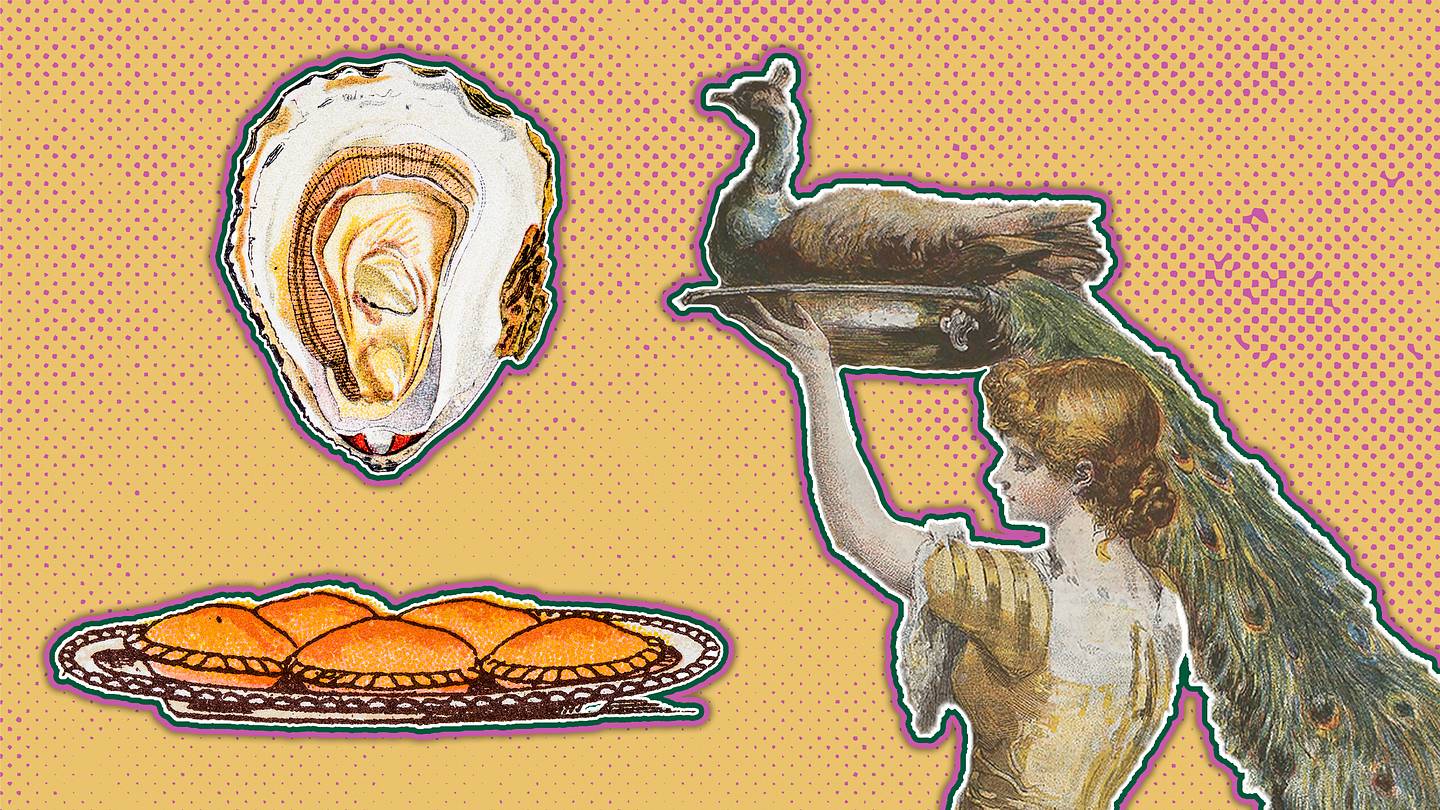
Mincemeat pie may be the most misunderstood Christmas dessert in history. Today, many people hear the word “meat” and immediately back away from the dessert table as if the pie might moo. But traditional mincemeat was exactly what its name suggested: a mixture of chopped meat, suet, apples, raisins, spices, sugar, and sometimes brandy or cider.
In medieval England, combining meat with dried fruit and spices made perfect sense. Sugar and spices helped preserve food, while fruit stretched costly ingredients. When British colonists brought the tradition to North America, mincemeat pie became a familiar winter and Christmas dish. Early American recipes often included beef, apples, raisins, cinnamon, mace, and sugar.
Over time, American tastes changed. By the nineteenth century, mincemeat gradually became sweeter and less meaty. Eventually, many recipes dropped the meat entirely, keeping the dried fruit, citrus peel, warm spices, and alcohol. The result was a deeply aromatic pie that tasted like the inside of a Christmas pantry: raisins, apples, cloves, nutmeg, brandy, and nostalgia all packed under a flaky crust.
Why It Faded
Mincemeat pie lost ground as American desserts became lighter, sweeter, and more clearly separated from savory dishes. A pie that once contained beef and still carried the name “mincemeat” had a branding problem. Still, for fans of bold holiday flavors, it remains a classic Christmas food worth rediscovering.
2. Roast Goose: The Bird Before Turkey Took Over
Before turkey and glazed ham became the holiday headliners, roast goose was a Christmas showstopper. In Victorian Christmas imagery, especially the world made famous by Charles Dickens, goose appears as a festive bird for families who wanted something special but could not afford more extravagant meat.
A goose is richer and fattier than turkey. When roasted properly, it produces crisp skin, dark flavorful meat, and enough rendered fat to make potatoes taste like they have been blessed by a kitchen angel. In older Christmas dinners, goose was often served with stuffing, applesauce, potatoes, gravy, and winter vegetables.
So why did goose lose its throne? Practicality. Turkeys became more widely available, fed more people, and offered milder white meat that suited changing American preferences. Goose also requires careful cooking because of its fat content. Treat it casually and the kitchen may begin to look like a small medieval oil spill.
Why It Still Matters
Roast goose represents a time when Christmas dinner was built around seasonal abundance and household skill. It was not fast food. It was an event. Bringing one back today can make a holiday meal feel dramatic, old-world, and slightly theatricalin the best possible way.
3. Oyster Stew: A Christmas Eve Bowl From the Coast
Oyster stew may surprise people who think Christmas food begins and ends with cinnamon. Yet in many American families, especially in coastal, Midwestern, Southern, and Catholic households, oyster stew became a Christmas Eve tradition.
The dish is simple: oysters, milk or cream, butter, salt, pepper, and sometimes celery, onion, herbs, or crackers. Its roots are often connected to Irish Catholic immigrants, who avoided meat on Christmas Eve and adapted old fish-stew traditions to American ingredients. Oysters were widely available in the nineteenth century, and cold winter weather made them easier to transport inland before modern refrigeration.
For families far from the coast, oysters felt special because they appeared only at certain times of year. A steaming bowl of oyster stew on Christmas Eve was creamy, briny, warming, and elegant without being fussy. It was the kind of dish that said, “Tonight is special,” while still being made in one pot.
Why It Faded
Oyster populations declined in many regions, tastes changed, and seafood became less common at inland holiday tables. Also, oysters are divisive. Some people hear “oyster stew” and picture a cozy heirloom meal. Others picture being ambushed by the ocean in a bowl. Still, this yesteryear Christmas food deserves respect for its deep American roots.
4. Plum Pudding: The Flaming Dessert With No Plums
Plum pudding, also known as Christmas pudding or figgy pudding, is one of those old holiday foods that sounds simple until you try to explain it. First, it usually contains no plums in the modern sense. Historically, “plum” could refer to dried fruit such as raisins. Second, it is not pudding the way Americans usually understand pudding. It is a dense, steamed dessert made with dried fruit, breadcrumbs or flour, suet or butter, eggs, spices, sugar, and often brandy.
The dish evolved from medieval pottages that mixed meat, grains, fat, fruit, and spices. Over the centuries, it became sweeter and more dessert-like. By the Victorian era, Christmas pudding had become a powerful symbol of holiday celebration. Families stirred the mixture, steamed it for hours, aged it, reheated it, and sometimes served it flaming with brandy.
A flaming plum pudding is pure Christmas drama. It enters the room glowing blue, smelling of spice and spirits, and daring everyone to pretend this is a normal dessert. It is rich, dense, and unapologetically old-fashioned.
Why It Faded
Plum pudding takes time, patience, and a tolerance for heavy desserts after a heavy meal. Modern diners often prefer lighter cakes, pies, or cookies. Still, as a piece of Christmas food history, plum pudding is magnificent. It is less dessert and more edible ceremony.
5. Fruitcake: The Holiday Punchline That Used to Be Precious
Fruitcake has suffered a terrible public-relations collapse. Once a prized Christmas food, it is now the dessert everyone jokes about mailing to enemies. But fruitcake’s old reputation was far more glamorous.
The idea of dense cakes or breads packed with dried fruit, nuts, spices, and alcohol goes back centuries. Dried fruit and sugar were once expensive, so a cake loaded with raisins, citrus peel, cherries, dates, nuts, and brandy signaled celebration. Fruitcake also kept well, which made it practical for winter storage, travel, and gift-giving.
In America, fruitcake became especially associated with the holidays because it could be made ahead, wrapped, aged, and shared. Some versions were soaked repeatedly with liquor, producing a cake that lasted so long it seemed to have its own retirement plan. A well-made fruitcake is moist, fragrant, and complex. A bad one is a doorstop with raisins. Unfortunately, the doorstops were better at marketing themselves.
Why It Faded
Mass-produced fruitcakes damaged the dessert’s reputation. Artificial colors, dry texture, and mystery candied fruit turned a luxurious cake into a seasonal joke. Homemade fruitcake, however, can still be wonderful when made with good dried fruit, fresh nuts, warm spices, and just enough spirits to make the cake festive but not legally questionable.
6. Wassail: The Hot Holiday Drink Made for Singing
Wassail is not just a drink; it is a whole mood. The word comes from an old greeting meaning good health, and the tradition of wassailing involved drinking, singing, visiting neighbors, and sometimes blessing apple trees in hopes of a good harvest.
Old wassail recipes varied widely. Some used ale or wine. Others used cider, roasted apples, sugar, cinnamon, ginger, nutmeg, and other spices. One version, sometimes called lamb’s wool, included roasted apples that burst into the warm drink, creating a frothy surface. It may not sound elegant, but in a cold house lit by firelight, a hot spiced bowl of wassail was probably the beverage equivalent of central heating.
In American Christmas celebrations, wassail evolved into hot mulled cider or spiced punch. It remains one of the easiest old Christmas traditions to revive. Unlike plum pudding, it does not require steaming anything for half a day. Unlike roast goose, it will not fill your oven with goose fat. You simply simmer cider with spices, citrus, and maybe a splash of something stronger for adults.
Why It Still Works
Wassail is cozy, affordable, fragrant, and social. It makes the kitchen smell like Christmas without demanding pastry skills. Serve it in mugs, let guests ladle their own, and suddenly the room feels warmereven before Uncle Gary starts singing off-key.
7. Sugar Plums: The Candy That Danced Through Christmas Dreams
Sugar plums are famous because of Christmas poetry and ballet, but most people have never eaten one. Despite the name, a sugar plum was not always a sugared plum. The term often referred to small, round sweets made by coating nuts, seeds, spices, or bits of fruit in layers of hardened sugar. These candies were related to comfits, which required repeated coating and drying. In other words, they were not a quick kitchen project. They were tiny edible luxuries.
Before cheap mass-produced candy, sugar was expensive, and sugar-preserved treats were special. Sugar plums represented sweetness, delight, and holiday magic. When children in old Christmas literature dreamed of them, they were dreaming of something rare and wonderfulnot the everyday candy aisle next to the checkout lane.
Modern versions of sugar plums often combine dried fruits, nuts, honey, spices, and sugar, rolled into bite-size balls. These are not always historically exact, but they capture the spirit: concentrated sweetness, winter spice, and a little sparkle.
Why They Faded
Industrial candy changed everything. Once chocolates, caramels, peppermints, and boxed sweets became easier to buy, old-fashioned sugar plums lost their place. Today, they survive mostly as a phrase. Still, they are charming, easy to reinterpret, and far more interesting than another plastic candy cane that tastes faintly like toothpaste with ambition.
What These Old Christmas Foods Tell Us
These seven Christmas foods of yesteryear reveal how holiday meals once balanced luxury and practicality. Dried fruit, spices, alcohol, oysters, goose, and sugar were meaningful because they were not ordinary. They marked Christmas as a break from everyday eating.
They also show how traditions travel and change. British mince pies became American mincemeat pies, then gradually turned meatless. Wassail moved from communal bowls and orchard rituals to stovetop cider. Oyster stew blended Catholic customs, immigrant adaptation, and American seafood abundance. Fruitcake shifted from prized gift to punchline, while sugar plums moved from candy shops into cultural memory.
Not every old Christmas food needs to return exactly as it was. Few modern hosts want to stuff a pudding with suet, steam it for hours, and then explain to guests why dessert is on fire. But these dishes still offer inspiration. They remind us that Christmas food should feel special, generous, and connected to memory.
Experience Notes: Bringing Yesteryear Christmas Foods Back Today
Recreating old Christmas foods can feel like opening a family attic: charming, dusty, surprising, and occasionally full of things no one can explain. The best approach is not to treat these dishes as museum pieces. Treat them as invitations. You are not required to roast a goose by candlelight while wearing Victorian sleeves. You are allowed to use a meat thermometer and modern oven mitts. History will survive.
If you want to try one yesteryear Christmas food without overwhelming the entire menu, start with wassail. It is friendly, forgiving, and almost impossible to ruin unless you abandon it completely and go wrap gifts for three hours. A pot of cider with cinnamon sticks, cloves, orange slices, and apple rounds creates instant atmosphere. Guests walk in and smell the holidays before they even remove their coats. For a family gathering, keep it alcohol-free and offer rum or bourbon on the side for adults.
Mincemeat pie is a bigger leap, but it rewards curious eaters. A modern fruit-based mincemeat with apples, raisins, currants, citrus zest, brown sugar, cinnamon, nutmeg, cloves, and brandy tastes much more approachable than its name suggests. Mini pies or hand pies are especially useful because guests can sample them without committing to a full slice of “Wait, is there beef in this?”
Fruitcake deserves a second chance if you make it thoughtfully. Skip the neon candied fruit if that is what ruined it for your family. Use dried cherries, apricots, figs, dates, golden raisins, pecans, walnuts, orange zest, and a modest soak of brandy or apple cider. Slice it thinly and serve it with sharp cheddar, coffee, or tea. Suddenly fruitcake stops being a brick and starts acting like a sophisticated winter cake with a passport.
Oyster stew is best served to the right crowd. If your guests love seafood, it can be a beautiful Christmas Eve starter. Use good oysters, gentle heat, plenty of butter, and simple seasoning. Do not boil it aggressively; oysters are delicate and will become rubbery faster than a cheap snowman decoration in the rain. Serve with oyster crackers, parsley, and a crisp salad.
Plum pudding is the project dish. It is ideal for people who enjoy culinary theater. If you make it, announce it proudly. Dim the lights, warm the brandy carefully, and flame it with caution. Even guests who only take two bites will remember it. And honestly, Christmas could use more desserts that enter the room like a tiny controlled comet.
Roast goose is for confident cooks or adventurous holiday hosts. Read several recipes before starting, prick the skin properly, manage the rendered fat, and plan simple sides. Potatoes roasted in goose fat may be the strongest argument for reviving the entire tradition. They are crisp, golden, and deeply persuasive.
Sugar plums are the easiest sweet treat to modernize. Blend dried fruit, toasted nuts, warm spices, honey, and a little orange zest, then roll the mixture in sugar or finely chopped nuts. They make charming edible gifts and finally give meaning to that famous Christmas line. Children may not dream of them automatically, but after tasting one, they might at least consider it.
The real experience of these old Christmas foods is not just flavor. It is conversation. Every dish carries a story: immigrants adapting recipes, families preserving winter fruit, cooks stretching meat, children dreaming of rare candy, and communities gathering around bowls of spiced drink. Bringing even one of these foods to the table makes Christmas feel less like a shopping season and more like a shared inheritance.
Conclusion
The Christmas foods of yesteryear may seem strange at first glance, but they shaped the holiday table long before modern convenience foods arrived. Mincemeat pie, roast goose, oyster stew, plum pudding, fruitcake, wassail, and sugar plums all carry pieces of culinary history. Some came from Britain. Some grew through American immigrant traditions. Some faded because tastes changed, ingredients became less common, or mass production made them less appealing.
Yet these old-fashioned Christmas foods still have something to offer. They bring depth, humor, memory, and a little delicious drama to the season. Whether you simmer wassail, bake a modern mincemeat pie, rescue fruitcake from its bad reputation, or simply tell guests what sugar plums actually were, you are keeping a flavorful piece of Christmas past alive.