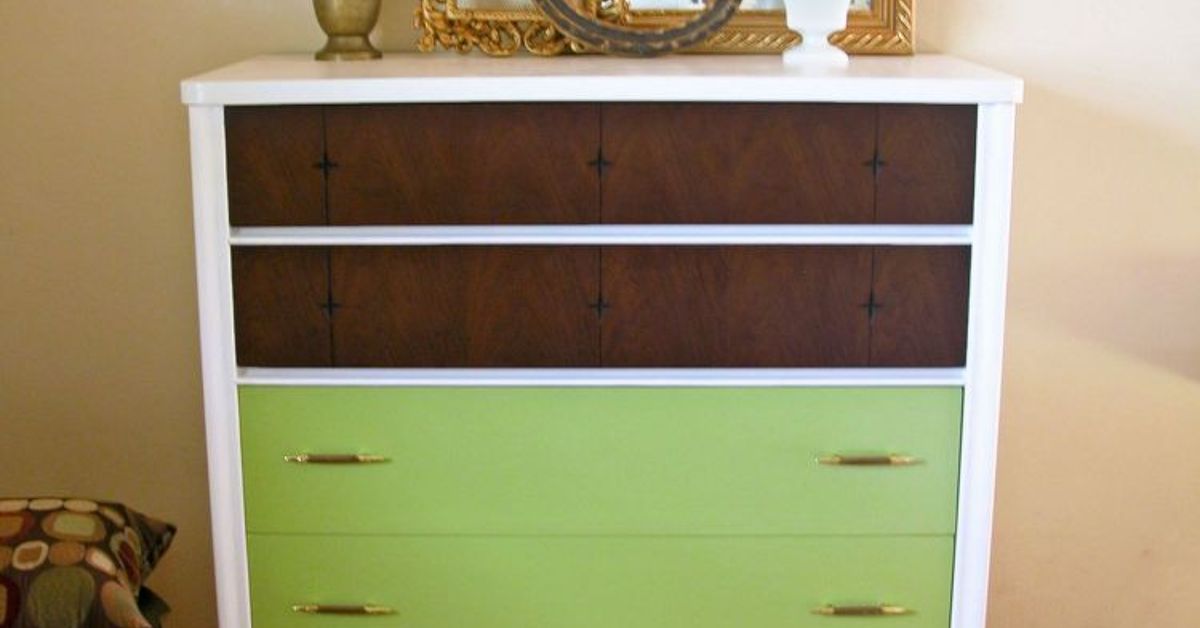
Some people like green. Other people see a mossy velvet sofa, a basil plant, or a jade-colored mug and think, “Yes, this is my personality now.” If you belong to the second group, welcome home. Green is more than a color; it is a mood, a design language, a calming trick, a garden fantasy, and occasionally the reason you buy another houseplant even though your windowsill is already one leafy traffic jam.
The beauty of green is that it works almost everywhere. It can look elegant in an emerald dining room, peaceful in a sage bedroom, playful in a lime-accented office, and earthy in a plant-filled kitchen. It also connects naturally with ideas people already love: fresh air, gardens, sustainability, wellness, handmade decor, and cozy homes that feel alive instead of showroom-stiff.
Below are 21 enchanting ideas for people who love green, blending home decor, fashion, gardening, lifestyle, and everyday rituals. Think of this as a field guide for turning your love of green into something beautiful, livable, and just a little magical.
Why Green Feels So Good
Green sits right in the emotional sweet spot between calm and energy. It reminds us of leaves, forests, herbs, spring mornings, and that one perfect avocado you somehow cut open at exactly the right time. In interior design, green can make a room feel grounded, fresh, relaxed, or dramatic depending on the shade. Sage and olive feel soft and natural. Emerald and hunter green feel rich and confident. Mint and pistachio feel bright, vintage, and cheerful.
Green also pairs beautifully with materials people already enjoy: wood, rattan, linen, brass, stone, clay, white walls, black accents, and warm neutrals. That makes it easy to build a green aesthetic without turning your home into a cartoon forestunless that is your goal, in which case, respectfully, proceed.
21 Enchanting Green Ideas to Try
1. Paint One Wall in Sage Green
A sage green accent wall is the beginner-friendly way to bring green into a room without making the entire space feel like it joined a botanical drama club. Sage works beautifully in bedrooms, living rooms, bathrooms, and home offices because it behaves like a soft neutral with personality. Pair it with white trim, natural wood, cream bedding, or black picture frames for balance.
2. Create a Mini Indoor Jungle
Houseplants are the most obvious green-lover move, but obvious does not mean boring. Mix leaf shapes and heights: a pothos trailing from a shelf, a snake plant standing tall in a corner, a fern softening a bathroom, and a monstera acting like it owns the lease. Choose plants based on your actual light conditions, not your Pinterest confidence. Plants are living things, not decorative employees.
3. Choose an Emerald Green Statement Piece
Emerald green is not shy. A velvet chair, lacquered cabinet, tiled backsplash, or jewel-toned sofa can become the star of the room. The trick is to let it breathe. Surround emerald with calmer elements like ivory walls, walnut furniture, brass lamps, or simple artwork. Done well, it looks luxurious. Overdone, it may look like a casino married a rainforest.
4. Bring Green Into the Kitchen With Herbs
A windowsill herb garden is practical, pretty, and smug in the best possible way. Basil, mint, parsley, thyme, and chives add real green to the kitchen and make everyday cooking feel fresher. Even a tiny pot of rosemary can make your counter look more alive. Bonus: you get to say, “I’ll just grab some fresh herbs,” which instantly makes dinner sound 38% more sophisticated.
5. Try Olive Green Textiles
Olive green is earthy, grown-up, and surprisingly flexible. Use it in curtains, throw blankets, cushion covers, napkins, bedding, or a woven rug. It pairs well with tan leather, caramel wood, cream ceramics, terracotta, and matte black. Olive is ideal for people who want green but do not want their home to scream, “I collect frogs professionally.”
6. Decorate With Botanical Prints
Botanical prints are a classic way to celebrate green without adding more objects to water. Frame vintage-style fern illustrations, pressed leaves, floral sketches, or modern plant photography. Hang them in a neat grid for a polished look or mix sizes for a more collected, cottage-inspired feel. In a hallway or dining nook, botanical art adds charm without demanding much space.
7. Build a Green Reading Corner
Every green lover deserves a cozy corner that feels like a secret garden with Wi-Fi. Start with a comfortable chair, a green throw, a small side table, warm lighting, and one or two leafy plants. Add books with green covers if you want to be wonderfully extra. This little zone can become your reading spot, journaling place, tea station, or “I need five minutes away from everyone” retreat.
8. Use Green Tile in Small Spaces
Green tile can transform bathrooms, laundry rooms, kitchen backsplashes, and entryways. Zellige-style tiles, glossy subway tiles, matte forest green squares, or soft sea-glass mosaics all bring depth and texture. If a full wall feels too bold, try green tile in a niche, behind a sink, or around a small backsplash. Small spaces can handle big style because they do not have to behave politely.
9. Style a Moss-Inspired Tablescape
For dinners, holidays, birthdays, or casual brunches, build a tablescape around mossy greens. Use linen napkins, eucalyptus stems, green glassware, ceramic plates, candles, and wood chargers. The result feels natural and elegant without needing glitter, plastic decorations, or a centerpiece tall enough to block your aunt’s opinions.
10. Add Green Glass Accents
Green glass is subtle but enchanting. Think vintage bottles, recycled glass vases, sea-glass bowls, candleholders, or olive-toned drinking glasses. These pieces catch light beautifully and add color without visual heaviness. Place them near windows, on shelves, or on a dining table for a soft glow that feels collected rather than overly decorated.
11. Grow a Balcony or Porch Garden
You do not need a huge backyard to live your green dream. A balcony, small porch, or sunny stoop can support planters, railing boxes, herbs, dwarf vegetables, flowers, or climbing vines. Use vertical shelves or hanging baskets if floor space is limited. A small outdoor green zone can become a morning coffee spot, a pollinator-friendly patch, or your personal escape from indoor chaos.
12. Choose Forest Green for a Moody Room
Forest green creates instant atmosphere. It works especially well in dining rooms, libraries, powder rooms, and bedrooms where a deeper, cocoon-like feeling is welcome. Pair it with warm lamps, aged brass, dark wood, antique-style mirrors, and textured fabrics. The goal is cozy drama, not “medieval dungeon with better throw pillows.”
13. Try Green and Gold for Elegant Contrast
Green and gold are a timeless pair because they balance natural calm with a little sparkle. A green wall with gold-framed artwork, a brass lamp beside an olive sofa, or emerald napkins with gold flatware can feel polished without being fussy. Use gold as the jewelry of the room: enough to shine, not enough to start a royal parade.
14. Make a Green-Inspired Gallery Shelf
A gallery shelf is perfect for people who like to rearrange things every three business days. Combine green books, small plants, framed art, pottery, candles, and natural objects like stones or shells. Keep the palette tightgreen, cream, wood, and black, for exampleso the shelf looks intentional rather than like a charming yard sale exploded.
15. Wear Green as a Signature Color
If green makes you feel good, wear it. Sage sweaters, emerald earrings, olive jackets, mint sneakers, jade scarves, or forest green nail polish can become part of your personal style. Green is surprisingly flattering in many tones because it comes in so many temperatures, from cool blue-green to warm yellow-green. The secret is finding the shade that makes you look awake, not like you lost an argument with a highlighter.
16. Add Sustainable Green Habits
Loving green can go beyond color. Try low-waste habits such as using reusable shopping bags, choosing refillable containers, composting food scraps where possible, repairing items before replacing them, and buying secondhand decor. These choices make your lifestyle feel more aligned with the natural beauty green represents. A greener life is not about perfection; it is about making better decisions more often.
17. Use Plants as Room Dividers
Open spaces can feel warmer when divided with greenery. Use tall plants, plant stands, open shelving with trailing vines, or a cluster of pots to separate a work area from a living area. This works especially well in apartments and studios. Unlike a wall, a plant divider gives privacy while still letting light throughand it never complains about your furniture layout.
18. Choose Green Bedding for Better Bedroom Vibes
Green bedding can make a bedroom feel restful and layered. Try sage linen sheets, olive quilts, botanical duvet covers, or a deep green throw at the foot of the bed. Add cream pillows, wood nightstands, warm lamps, and a simple plant for a room that feels calm without being boring. It is basically a spa, but with more laundry.
19. Create a Green Bathroom Retreat
Bathrooms love green. Add eucalyptus, humidity-friendly plants, green towels, botanical wallpaper, jade soap dishes, or soft mint paint. Even a small bathroom can feel fresh with a green shower curtain and matching accessories. For a more elevated look, mix green with marble, brushed brass, rattan baskets, and warm lighting.
20. Design a Garden-Inspired Workspace
A green workspace can make daily tasks feel less sterile. Use a sage desk mat, olive storage boxes, a leafy plant, green stationery, or botanical art. Keep the setup clean and functional so the space supports focus. A small green lamp or plant near your monitor can soften the hard edges of technology and remind you that life exists beyond tabs, passwords, and mysterious software updates.
21. Make Green Your Seasonal Decorating Base
Green is one of the rare colors that works all year. In spring, pair it with flowers and light woods. In summer, use fresh herbs, citrus, and breezy linens. In fall, combine olive with rust, mustard, and brown. In winter, layer evergreen branches, velvet, candles, and metallic accents. Green adapts beautifully, so your decor can change with the seasons without requiring a full personality transplant.
How to Make Green Decor Look Intentional
The easiest mistake is using too many greens that fight each other. A mint pillow, neon vase, olive rug, emerald chair, and lime wall can all be wonderful separately, but together they may look like a salad having a panic attack. Choose one main green, one supporting green, and a few neutrals. For example, sage walls, olive textiles, cream curtains, and wood furniture create a calm palette. Emerald accents, black frames, white walls, and brass lighting create a bolder one.
Texture also matters. Green velvet feels glamorous. Green linen feels relaxed. Green ceramic feels handmade. Green glass feels airy. Green plants feel alive. Mixing textures makes a green room feel layered instead of flat. Add natural materialswood, jute, rattan, clay, stone, woolto keep everything grounded.
Lighting is another secret weapon. Green can look different throughout the day, so test paint and fabric samples in morning, afternoon, and evening light. Warm bulbs can make deep green feel cozy, while bright daylight can make sage and mint feel crisp. Before painting a whole room, put a sample on the wall and live with it for a few days. Paint is cheaper than regret, but only slightly.
Best Green Color Combinations
Green and White
Fresh, clean, and timeless. This pairing is perfect for kitchens, bathrooms, bedrooms, and coastal-inspired spaces.
Green and Wood
Natural and warm. Green with oak, walnut, bamboo, or reclaimed wood creates an earthy look that feels welcoming.
Green and Pink
Soft pink with sage or olive feels romantic and modern. It is pretty without being sugary.
Green and Black
Sharp, stylish, and dramatic. Black frames, fixtures, or furniture can make green look more sophisticated.
Green and Terracotta
This combination feels sunbaked, warm, and Mediterranean. It is especially good with plants and handmade ceramics.
Green and Blue
Blue-green pairings can feel serene and oceanic. Try teal, seafoam, moss, and navy for a layered palette.
Experiences Related to “21 Enchanting Ideas for People who Love Green”
The best thing about loving green is that it often begins with one small choice and quietly grows into a lifestyle. Maybe you start with a sage pillow because your living room looks tired. Then you buy a pothos because someone says it is easy to care for. A month later, you are rotating plants for better light, comparing olive paint samples, and saying things like, “This room needs more texture.” Congratulations. The green has found you.
In real homes, green works best when it feels personal instead of copied. One person might create a moody forest green bedroom with dark curtains, amber lighting, and stacks of novels. Another might prefer a bright kitchen with mint cabinets, white tile, and herbs in terracotta pots. Someone else may only want a few green touches: a jade mug, eucalyptus in the shower, and a soft throw blanket on the sofa. None of these approaches is wrong. Green is generous like that. It lets you be bold, quiet, rustic, modern, romantic, or slightly obsessed with ferns.
A practical experience many green lovers share is learning that plants are not all equally “easy.” A plant that thrives in one home may sulk dramatically in another because of light, humidity, watering habits, or airflow. The solution is not to give up; it is to observe. If leaves yellow, check watering. If stems stretch, check light. If soil stays wet for too long, improve drainage. Plant care teaches patience in a way that no motivational poster ever could. It also teaches humility, especially when a supposedly low-maintenance plant decides to exit this world under your supervision.
Green also changes how people notice their surroundings. Once you love green, you start seeing shades everywhere: moss on old brick, the blue-green of eucalyptus, the silver green of olive leaves, the deep green of pine trees after rain, the bright green of new basil. This awareness can make everyday life feel richer. A walk around the block becomes a color study. A farmers market becomes a design board. Even a bowl of limes can look like decor if you place it confidently enough.
Another rewarding experience is blending green beauty with greener habits. Thrifting a vintage green lamp, choosing natural fibers, growing herbs, reducing waste, repairing furniture, or using energy-efficient lighting can make your love of green feel more meaningful. The goal is not to become perfect or to live in a cabin made of recycled kale. The goal is to make choices that feel beautiful, useful, and a little kinder to the world around you.
Ultimately, the most enchanting green spaces are not the ones that follow every trend. They are the ones that feel alive. They have plants that are actually cared for, colors that make the owner happy, furniture that invites people to sit down, and details that tell a story. Green is not just decoration. It is a reminder to soften, breathe, grow, and maybe water the basil before it files a formal complaint.
Conclusion
Green is one of the most versatile, emotionally satisfying colors you can bring into your home, wardrobe, garden, and daily routine. It can be calming, bold, earthy, elegant, cheerful, or deeply dramatic depending on how you use it. From sage walls and emerald furniture to balcony gardens, botanical art, and sustainable habits, these 21 enchanting ideas prove that loving green is not a narrow style choiceit is a whole creative universe.
Start small if you are unsure. Add a plant, swap in olive pillows, frame botanical prints, or create a green reading corner. If you are ready for more, paint a room, install green tile, or build a lush outdoor nook. The secret is to choose shades, textures, and habits that fit your real life. After all, green is about growth, and growth looks better when it is allowed to happen naturally.
Note: This article is written as original, publication-ready content and synthesizes practical guidance from real home design, gardening, plant care, color, and sustainability knowledge.