Note: This article is written for web publishing in original American English, based on real design and product information, with no source-link placeholders or unnecessary citation elements.
Some objects shout for attention. Michael Verheyden’s Solid Walnut Coupe does the opposite: it stands quietly on a table, looking calm, expensive, and impossibly sure of itself. It is the sort of bowl that does not need a fruit salad to justify its existence. Put three lemons in it, and suddenly your kitchen looks like it has a private art advisor. Leave it empty, and it still behaves like sculpture. That is the quiet magic of this solid walnut coupe: it turns a simple domestic object into a small architectural moment.
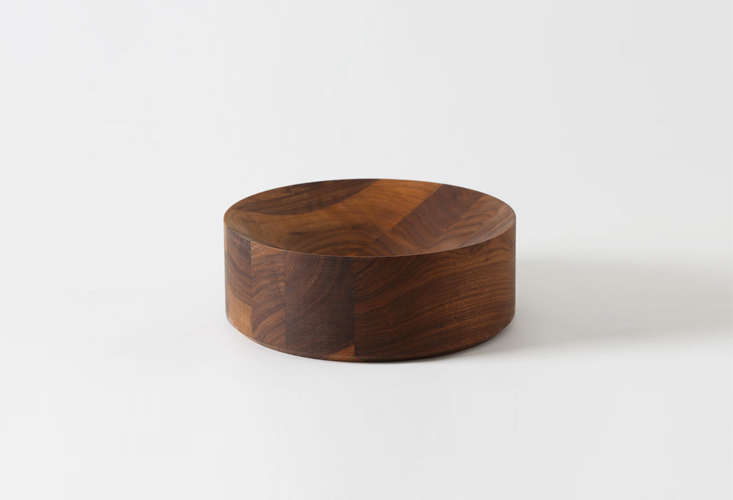
Designed by Belgian designer Michaël Verheyden for When Objects Work, the Coupe is a refined vessel made from solid walnut, known for its rich tone, tactile warmth, and naturally expressive grain. Its form is simple at first glance: round, low, composed, and precise. But the more you look, the more the design reveals itself. The interior has a conical geometry that gives the piece depth without drama. The exterior feels grounded and substantial. It is minimal, yes, but not sterile. Think “monk with excellent taste,” not “empty white room with one chair nobody is allowed to sit on.”
What Is Michael Verheyden’s Solid Walnut Coupe?
Michael Verheyden’s Solid Walnut Coupe is a sculptural wooden bowl or vessel designed for display, storage, and everyday rituals. It belongs to the world of functional design, where an object can hold fruit, keys, jewelry, or nothing at alland still feel complete. The piece is often described as a coupe or coupe bowl, and it is associated with the Belgian brand When Objects Work, a design company known for producing restrained, highly crafted objects by leading designers.
The walnut version typically measures about 30 centimeters in diameter, or roughly 11.8 to 12 inches, with a height close to 10 centimeters, or about 4 inches. Depending on the retailer and configuration, the Coupe may be offered with or without a lid. The lid changes the personality of the object completely. Without the lid, it is a bowl. With the lid, it becomes a mysterious walnut capsule that seems to contain either treasure, car keys, or the secret to being effortlessly stylish.
The Designer Behind the Object
Michaël Verheyden is a Belgian designer known for furniture, vessels, leather goods, and home objects that sit somewhere between daily utility and quiet luxury. His background in industrial design helps explain the discipline of his work. Before becoming widely recognized for interior accessories and furniture, he worked with leather bags and accessories, which sharpened his understanding of material, proportion, and construction.
Verheyden’s design language is often built around noble materials: walnut, oak, marble, bronze, brass, leather, linen, and stone. These are not trendy materials trying to act clever for one season. They have weight, history, and texture. They age. They darken, soften, patinate, and collect the marks of real use. In other words, they behave like grown-ups.
A Philosophy of Less, But Better
The Solid Walnut Coupe reflects a design philosophy that values restraint. There are no unnecessary handles, decorative carvings, bright finishes, or visual gimmicks. The form is reduced until only proportion, material, and craftsmanship remain. That may sound simple, but simplicity is often where design gets dangerous. Remove too much, and an object becomes boring. Add too much, and it becomes noisy. Verheyden’s Coupe lands in the difficult middle: pared back, but still emotionally warm.
Why Solid Walnut Works So Beautifully
Walnut is one of the great materials of interior design. Its color can range from chocolate brown to softer gray-brown, often with darker streaks and a fine, elegant grain. Compared with paler woods such as ash or maple, walnut brings instant depth. Compared with marble, it feels warmer and more touchable. Compared with plastic, well, walnut has dignity. Plastic has a group chat.
In the Solid Walnut Coupe, the material does much of the storytelling. Because the form is so clean, the grain becomes the ornament. Every curve reveals subtle changes in tone. Light moves across the surface differently throughout the day. In morning sun, the bowl may look honeyed and soft. In evening light, it can feel darker, almost architectural. This is why solid walnut decor works so well in modern interiors: it adds richness without clutter.
Form, Function, and the Beauty of the Coupe Shape
The word “coupe” suggests a shallow, rounded vessel, but Verheyden’s interpretation feels more sculptural than casual. The conical interior creates a visual pull toward the center, making whatever sits inside appear intentionally placed. A pile of walnuts looks styled. A few oranges look like a Dutch still life decided to go minimalist. Even a set of keys looks less chaotic, which is impressive because keys are naturally committed to looking messy.
The shape also gives the bowl versatility. It can live on a dining table as a centerpiece, on a console as a catchall, on a kitchen island as a fruit bowl, or on a shelf as a sculptural object. Its diameter gives it presence, while its relatively low height keeps it from blocking sight lines across a table. That matters. A centerpiece should not make dinner guests play hide-and-seek over the salad.
How to Style Michael Verheyden’s Solid Walnut Coupe
On a Dining Table
Place the Coupe in the center of a wood, stone, or lacquered dining table and keep the styling simple. Seasonal fruit works beautifully: pears in fall, lemons in summer, figs when you want to look like you read poetry in linen shirts. Avoid overfilling it. The negative space inside the bowl is part of the design. Let the walnut breathe.
On a Coffee Table
For a coffee table, pair the Coupe with two or three design books, a small ceramic vessel, and perhaps a candle. The goal is balance, not a tiny museum of every object you have ever bought. The walnut brings warmth to glass, marble, travertine, concrete, and metal tables. It also softens very modern rooms, especially those with sharp furniture lines.
In an Entryway
Used near the front door, the Coupe becomes a refined catchall for keys, sunglasses, or small accessories. This is where the optional lid is especially useful. With the lid in place, everyday clutter disappears. Guests see a calm walnut object. You know it contains the usual household archaeology: keys, receipts, and one mysterious coin from a country nobody remembers visiting.
Where It Fits Best
Michael Verheyden’s Solid Walnut Coupe fits naturally into interiors that value quiet materials and edited spaces. It works in minimalist homes, but it does not require a minimalist lifestyle. You can own this bowl even if your junk drawer looks like a tiny hardware store exploded. In fact, the Coupe may be most useful in real homes because it creates one small, composed area in the middle of normal life.
It pairs especially well with Belgian modern interiors, Scandinavian rooms, Japandi spaces, midcentury furniture, contemporary kitchens, and warm neutral palettes. It also looks excellent against darker surfaces, where the walnut grain becomes more subtle and moody. In a pale room, it acts as an anchor. In a layered room, it adds discipline.
Solid Walnut Coupe vs. Marble Coupe
The Coupe design has been produced in several materials, including oak, walnut, Carrara marble, and Portoro marble. Each version changes the mood of the object. Marble feels cooler, heavier, and more formal. It has visual drama and a sense of permanence. Walnut feels warmer, quieter, and more domestic. It invites touch in a way marble does not.
If your room already has a lot of stone, metal, or glass, the solid walnut version may be the better choice because it introduces warmth. If your room is full of wood, the marble version may provide contrast. But the walnut Coupe has one special advantage: it can move easily between formal and casual settings. It looks at home beside hand-thrown ceramics, linen napkins, vintage silver, or a bowl of popcorn during movie night. Yes, an elegant walnut vessel can coexist with popcorn. Design should have range.
Is It Functional or Decorative?
The honest answer is both. Michael Verheyden’s Solid Walnut Coupe is functional in the sense that it can hold objects, display food, and organize small essentials. But it is decorative in the sense that its appearance matters as much as its use. This is not the bowl you grab for mixing pancake batter. It is not asking to be attacked by a whisk. It is a display vessel, a centerpiece, and a daily-use object for lighter, cleaner tasks.
For food, dry or whole items are the safest choice unless a retailer or maker specifically confirms the finish and care recommendations for direct contact with wet or oily foods. Whole fruit, wrapped sweets, nuts in shells, or bread in a cloth napkin are good examples. For anything saucy, acidic, or aggressively sticky, choose a serving dish designed for that job. The walnut Coupe deserves better than being introduced to beet salad without warning.
Care Tips for a Solid Walnut Bowl
Wood is durable, but it is also alive in the way natural materials remain responsive to their environment. Treat the Solid Walnut Coupe with basic care, and it will age beautifully. Keep it away from dishwashers, long soaking, extreme heat, and standing water. Wipe it with a soft, slightly damp cloth, then dry it thoroughly. If needed, use a mild soap sparingly.
Over time, a suitable food-safe mineral oil or wood conditioner may help maintain the surface, depending on the finish. Always follow the retailer’s or maker’s care guidance when available. Avoid harsh cleaners, abrasive pads, and direct sun exposure for long periods. Walnut can shift in tone as it ages, which is part of its charm. A little patina is not damage. It is the object politely collecting your life story.
Why This Piece Feels Timeless
Trends often announce themselves loudly. They arrive with a color name, a social media hashtag, and a shelf life of six months. The Solid Walnut Coupe belongs to a slower category. Its appeal comes from geometry, proportion, material, and craft. Those qualities do not expire when the internet decides that the next big thing is chrome mushrooms or inflatable side tables.
Because the design is so restrained, it can survive changes in decor. Move it from a modern apartment to a country house, from a dining table to a bookshelf, from a formal living room to a relaxed kitchen, and it still makes sense. That flexibility is one reason well-designed objects are worth considering. They do not demand that the entire room obey them. They simply improve the room they enter.
Buying Considerations
Before buying Michael Verheyden’s Solid Walnut Coupe, consider scale, purpose, and finish. The roughly 12-inch diameter gives it visual presence, so measure your surface before ordering. On a very small table, it may feel dominant. On a large dining table, it can become a perfect central object. If you want hidden storage, look for versions with a compatible lid. If you want an open fruit bowl or centerpiece, the bowl alone may be enough.
Also remember that natural walnut varies. Grain, tone, and small character marks are part of the appeal. If you want identical perfection, natural wood may not be your soulmate. If you appreciate variation, walnut rewards close looking. No two pieces feel exactly the same, which is the whole point.
Who Should Choose This Coupe?
This piece is ideal for someone who values quiet luxury, natural materials, and objects that do not need to explain themselves. It suits collectors of modern design, homeowners building a warm minimalist interior, and anyone who likes functional pieces with sculptural presence. It is also a thoughtful gift for design lovers, especially the kind who already own “just a bowl” and are ready for “the bowl.”
It may not be the right choice for someone who wants a low-maintenance, dishwasher-safe, everyday serving bowl for messy meals. It is better understood as a crafted object for display, organization, and gentle use. Like good shoes, good knives, and good friendships, it benefits from care.
Conclusion: A Bowl With Very Good Manners
Michael Verheyden’s Solid Walnut Coupe proves that a simple object can hold more than it appears to. Yes, it can hold fruit, keys, jewelry, or bread. But it also holds an idea: that everyday rituals deserve beautiful tools. Its solid walnut construction brings warmth and depth. Its conical form adds quiet drama. Its minimalist design allows it to move across rooms and styles without losing relevance.
In a world full of fast decor and disposable trends, the Solid Walnut Coupe feels refreshingly patient. It does not chase attention. It earns it. Place it on a table, and the room becomes a little calmer, a little richer, and maybe just a little more grown-up. Not bad for a bowl.
Experience Notes: Living With Michael Verheyden’s Solid Walnut Coupe
The experience of living with Michael Verheyden’s Solid Walnut Coupe is different from simply owning a decorative bowl. Many bowls enter a home and become background furniture almost immediately. They hold fruit, collect mail, or quietly disappear beneath a pile of miscellaneous objects. The Solid Walnut Coupe resists that fate because its form asks for intention. You do not casually dump clutter into it without noticing the curve, the grain, and the weight of the walnut. It has a way of gently shaming bad habits, but in a tasteful European accent.
On a dining table, the Coupe changes the rhythm of the room. Empty, it feels like sculpture. Filled with pears, citrus, or walnuts, it becomes warmer and more generous. The best styling experience comes from using fewer items than expected. A dozen oranges may look practical, but three lemons and a small branch can look poetic. The bowl rewards restraint. It teaches the useful design lesson that not every surface needs to be full to feel finished.
In an entryway, the Coupe becomes more personal. It can hold the objects people touch every day: keys, a watch, reading glasses, a small wallet, or a favorite pair of sunglasses. The effect is surprisingly calming. Instead of loose items scattered across a console, everything gathers in one considered place. Even ordinary objects look better inside solid walnut. A keychain that looked chaotic yesterday suddenly appears curated. This is the kind of domestic magic good design performs without asking for applause.
The tactile experience matters too. Walnut feels warmer than stone and more substantial than ceramic. When you lift the Coupe, it has presence. When you run a hand along the rim, the smoothness makes the object feel carefully resolved. That physical quality is easy to overlook in online shopping, where everything becomes a flat image. In person, the Coupe is not just seen; it is felt. Its weight, surface, and proportions make it clear that this is not mass-market filler decor.
There is also pleasure in watching walnut age. Over time, the surface may develop a softer sheen, and the grain may feel deeper as light and use interact with the material. Small signs of life are not failures. They are evidence that the object belongs to a real home. A walnut Coupe on a perfect showroom shelf is beautiful, but a walnut Coupe in daily life is better. It becomes part of breakfast, dinner, guests arriving, flowers being trimmed, fruit being eaten, and keys being found at the last possible second.
For anyone styling a home, the biggest lesson is this: one excellent object can do more than five forgettable ones. Michael Verheyden’s Solid Walnut Coupe does not need a decorative committee around it. Give it space, let the walnut speak, and resist the urge to over-accessorize. The result is a small but meaningful upgrade to everyday living. It is practical enough to use, refined enough to admire, and quiet enough to stay interesting for years.