Note: This article is written for web publication in standard American English and is based on publicly available product information, teardown reporting, low-cost camera hardware documentation, and real user observations about miniature digital cameras.
The Tiny Camera That Promised Big-Camera Energy
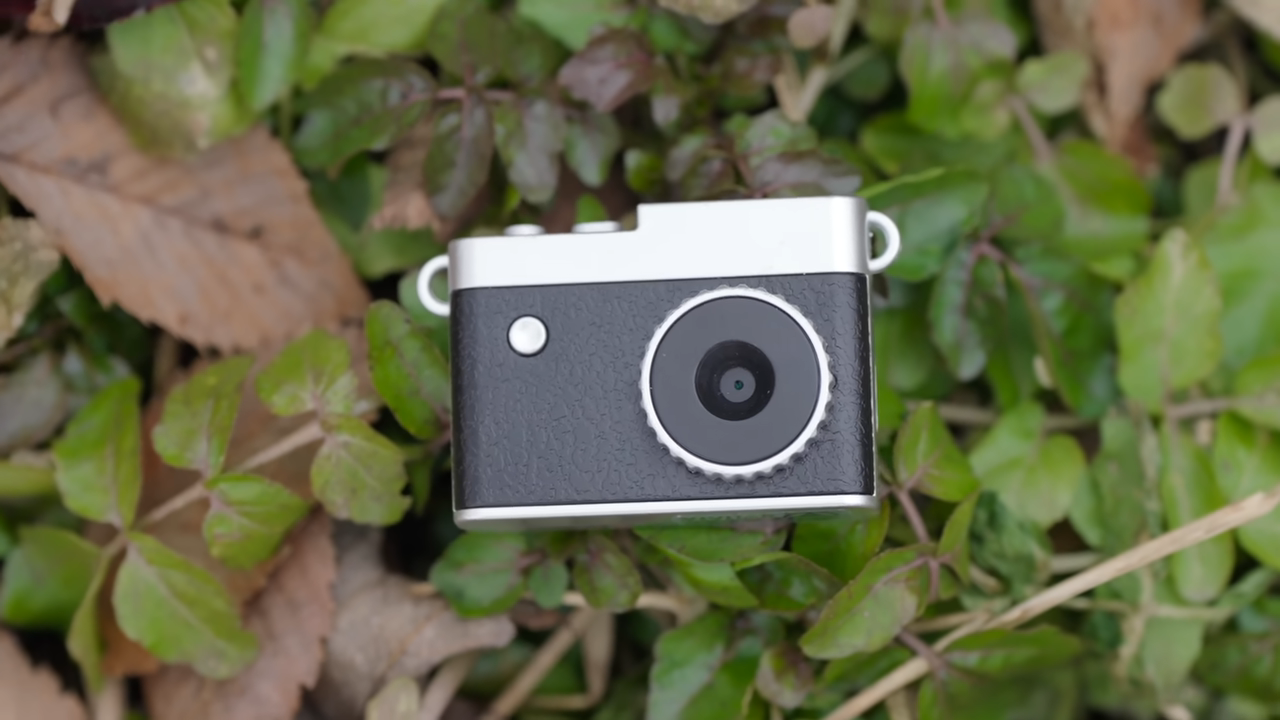
Every once in a while, a gadget appears on a store shelf that makes the entire internet pause, squint, and say, “Wait… does that thing actually work?” Walmart’s budget-friendly Vivitar Retro Keychain Digital Camera is exactly that kind of gadget. It is tiny, cute, retro-styled, rechargeable, and cheap enough to become an impulse buy somewhere between toothpaste and a suspiciously large bag of candy. The packaging and online listing suggest big features in a bite-size body: 14-megapixel photos, Full HD video, a color preview screen, built-in memory, microSD support, USB-C charging, and keychain portability.
For around twelve to fourteen dollars, depending on price changes and sales, that sounds almost magical. A 14MP camera that hangs from your keys? A little digital camera for travel, school events, parties, vlogging, TikTok clips, and spontaneous snapshots? At that price, it seems like the perfect stocking stuffer for someone who loves retro tech, lo-fi photography, or gadgets that look like props from a cartoon detective agency.
But then comes the question that haunts every bargain-bin electronic device: what is actually inside?
A teardown of Walmart’s $12 keychain camera reveals a funny, fascinating, and slightly disappointing truth. The camera is real. It does take photos. It does have a screen. It does contain an actual image sensor. But the performance claims are where things get messy. Very messy. Like “your camera says 14MP but behaves like it wandered in from the flip-phone era” messy.
What Is Walmart’s $12 Keychain Camera?
The device commonly discussed in teardown circles is the Vivitar Retro Keychain Digital Camera, model VEFKY1-BLK. It is sold as a compact digital camera with a fixed lens, built-in color display, internal memory for up to 100 photos, microSD card expansion, and USB-C charging. Walmart’s listing describes it as a mini portable camera suitable for travel, vlogging, outdoor photography, family adventures, social media, YouTube videos, TikTok clips, and everyday photography.
That is a lot of ambition for a camera small enough to disappear in a hoodie pocket. The design is charming: a fake-vintage camera shape with a keyring attached, the kind of object that looks like it belongs on a backpack next to enamel pins and a tiny plush frog with emotional issues. It is not trying to look professional. It is trying to look fun.
And that is part of the appeal. The modern phone camera is technically amazing, but it can also feel too perfect. Tiny toy cameras offer a different promise: unpredictable colors, weird exposure, soft edges, accidental nostalgia, and the joy of not caring whether every image looks like a product shot for a luxury hotel. People buy cameras like this because they want personality, not laboratory precision.
The problem is not that a $12 keychain camera produces lo-fi photos. The problem is when the camera is marketed with numbers that sound far more powerful than the hardware or firmware appears to deliver.
The Big Claim: 14 Megapixels and Full HD
The main claim attached to the camera is “14MP Full HD.” For ordinary shoppers, that phrase has a simple meaning: photos should be fairly detailed, and video should look at least reasonably modern. Fourteen megapixels is not cutting-edge in 2026, but it is more than enough for casual prints, social media, and everyday snapshots if the sensor, lens, and processing pipeline are decent.
Full HD usually means 1920 x 1080 video. Again, not revolutionary, but perfectly respectable for an inexpensive camera. In a world where even older smartphones can shoot solid HD video, consumers may reasonably expect that a product labeled “Full HD” can produce files that match that phrase in actual output.
Teardown testing, however, found something very different. Sample photos reportedly came out at 640 x 480 pixels, no matter what quality setting was selected. That is VGA resolution, roughly 0.3 megapixels. To put that into perspective, 640 x 480 is the kind of resolution that makes family photos look like they were emailed in 2004, downloaded through a dial-up connection, and gently chewed by a printer.
Even if the internal sensor is capable of more, the output matters. A shopper does not use the sensor datasheet; they use the photo files saved by the camera. If the final files are 640 x 480, the real user experience is much closer to a toy webcam than a 14MP compact camera.
What the Teardown Found Inside
The teardown itself is wonderfully simple, which is one reason this little gadget became interesting to hardware nerds. Opening the device reveals a small printed circuit board, a tiny display, a rechargeable battery, and a lens-and-sensor module. The screen and battery are reportedly attached with double-sided tape, which is a very common construction method in ultra-cheap electronics. Elegant? Not exactly. Effective? Usually. Fancy? Absolutely not. This is not a Leica. This is a lunch-money camera with confidence.
The important discovery is the camera module. The model marking on the flex cable points to an OmniVision OV2659 image sensor. That sensor is a real 2-megapixel system-on-chip camera sensor designed for cost-sensitive applications such as feature phones, webcams, and other compact devices. Its documented active array is 1632 x 1212, which is close to 2MP. It can support image sizes such as UXGA, SVGA, and 720p, and it includes automatic exposure, white balance, lens correction, noise reduction, and other image processing functions.
That means the camera is not empty plastic with a wish inside. There is a genuine imaging component in there. The sensor itself is not terrible for what it is. A 2MP sensor can produce perfectly usable low-resolution images in good light, especially if paired with competent firmware and a decent lens. The bigger issue is the huge gap between the advertised 14MP claim and the apparent hardware reality, followed by an even bigger gap between the sensor’s possible output and the camera’s actual saved files.
In simple terms: the sensor appears to be capable of more than the final files show, but it is nowhere near a native 14MP sensor. The firmware seems to be holding the camera to VGA output, and the packaging appears far more optimistic than the machine deserves.
Megapixels: The Number Everyone Loves to Abuse
Megapixels are one of the most misunderstood camera specifications. A megapixel is simply one million pixels. More pixels can mean more detail, but only if the sensor actually captures that detail and the lens can resolve it. A blurry lens on a high-megapixel sensor is like putting racing stripes on a shopping cart. It may look faster, but physics is not impressed.
Cheap digital cameras sometimes rely on interpolation. Interpolation is when software takes a lower-resolution image and enlarges it by inventing additional pixels based on surrounding pixels. This can create a bigger file, but it cannot create real detail that was never captured. If a sensor records a soft, noisy, low-resolution scene, stretching it into a larger image does not turn it into a sharp photograph. It turns it into a larger soft photograph. Congratulations, your blur has moved into a bigger apartment.
In the case of Walmart’s keychain camera teardown, the issue may be even stranger because the saved files reportedly stay at 640 x 480. That is not just interpolation pretending to be 14MP; it is output that does not even try to match the claim. If a device advertises 14MP but consistently produces 0.3MP images, the average buyer is going to feel tricked, even if the camera is cheap enough to lose in a couch cushion.
Why the Lens Matters Almost as Much as the Sensor
One reason tiny cameras struggle is that the lens is usually extremely basic. A miniature fixed lens has to be cheap, small, light, and aligned well enough to produce an image. At this price, there is no complex glass design, no meaningful optical zoom, no advanced stabilization, and no premium coating magic. The lens is likely plastic, tiny, and designed for survival rather than excellence.
This matters because a sensor can only capture what the lens delivers. If the lens produces soft corners, haze, flare, uneven focus, or low contrast, the sensor has no secret button labeled “make this look expensive.” The camera’s processor may sharpen the image, boost contrast, or adjust color, but processing cannot rescue every optical weakness.
That is why some sample images from tiny keychain cameras have a dreamy, smeary quality. In bright daylight, they may look charming. Indoors, they may look like the camera is remembering the scene rather than photographing it. Highlights can blow out, shadows can collapse, and colors can drift. For toy-camera fans, those flaws can be part of the fun. For buyers expecting crisp 14MP detail, they are a disappointment wearing a keyring.
How It Compares to Older 808 Keychain Cameras
The teardown also reminds longtime gadget fans of the famous “808” keychain cameras that became popular years ago with hobbyists, RC pilots, cyclists, and experimenters. Some 808 models were crude, but certain versions became surprisingly respected because they offered usable 720p video, microSD recording, webcam modes, and hackable internals in a very small body.
The best of those older tiny cameras were not luxury devices, but they had a clear identity. They were cheap, portable, and often honest enough about their limits. Some models used small CMOS sensors, recorded 1280 x 720 video, and saved photos at modest but usable resolutions. Enthusiasts documented versions, firmware differences, battery behavior, and lens changes. In other words, the community treated them less like disposable toys and more like tiny platforms for experimentation.
Walmart’s Vivitar keychain camera feels different. It is sold to mainstream shoppers as a cute mini camera with bold retail claims. It is not marketed as a hacker platform, even though the teardown makes it more interesting as hardware than as a serious camera. Ironically, the most exciting thing about it may not be taking photos at all. It may be asking whether the sensor can be accessed, whether the firmware can be replaced, or whether the case and screen could be reused in a DIY project.
Is It a Scam, a Toy, or Both?
Calling something a scam is a strong statement, and careful wording matters. The camera does function. It is not a fake product. It has a lens, a display, a battery, storage support, and a real sensor. Many shoppers may enjoy it as a novelty. Kids may find it fun. Adults who like lo-fi photography may appreciate its strange little images. At the right expectation level, it can be entertaining.
But the advertised specifications deserve criticism. A product sold as 14MP Full HD should not produce only VGA stills in normal use. Even if the device is inexpensive, technical claims should be meaningful. Cheap does not automatically excuse confusing marketing. A $12 sandwich still has to contain bread. A $12 camera does not need to beat an iPhone, but it should not need a detective board with red string to explain its resolution claims.
The fairest label is this: it is a novelty toy camera with overconfident marketing. Buy it for fun, not accuracy. Buy it for the weirdness, not the specs. Buy it if you want a tiny gadget that sparks conversation. Do not buy it if you need reliable image quality, real 14MP photos, clean Full HD video, or a dependable camera for important memories.
Who Might Actually Enjoy This Camera?
Despite the teardown drama, there are people who may genuinely enjoy Walmart’s $12 keychain camera. First, there are toy-camera fans. These are people who already like unpredictable results: blown highlights, muddy shadows, odd color shifts, and accidental vintage vibes. They do not want technical perfection. They want surprise.
Second, it may be fun for younger users who want a simple camera separate from a phone. A tiny camera with a screen and keyring can make photography feel playful. It encourages quick snapshots without notifications, apps, filters, or the endless pressure to post everything immediately.
Third, it works as a novelty gift. For a low price, it gives people something to test, laugh about, and maybe carry around for a weekend. It is a gadget with a built-in conversation starter: “This is either a camera or a prop from a dollhouse newsroom.”
Fourth, hardware tinkerers may enjoy taking it apart. The internal sensor, board, battery, display, and case are all interesting at this price. Even if the stock camera underwhelms, the parts may inspire experiments. That said, anyone opening electronics should be careful with the rechargeable battery and avoid puncturing, bending, or shorting it. Tiny gadgets can still contain components that deserve respect.
Who Should Skip It?
Anyone expecting real 14MP performance should skip it. Anyone who wants a reliable travel camera should skip it. Anyone planning to use it for school projects, product photos, family events, security, sports, night scenes, or content creation should probably skip it. A used older compact camera from a known camera brand will usually produce better results, even if it costs more.
It is also not ideal for people who hate unpredictable gear. This camera is not about control. It is not about sharpness, dynamic range, white balance accuracy, or dependable exposure. It is about pressing a tiny button and seeing what kind of digital potato emerges. Sometimes the potato has charm. Sometimes it is just potato.
How to Judge Cheap Mini Cameras Before Buying
Look for native resolution, not just advertised megapixels
Search for sample files from real users. Open the images on a computer and check their pixel dimensions. If the camera claims 14MP but the files are 640 x 480, the label is not telling the story you need.
Check whether “Full HD” applies to actual saved video
Some listings use “HD” loosely. Confirm whether videos are saved at 1920 x 1080, 1280 x 720, or something lower. Also check frame rate, file format, and whether audio exists if that matters to you.
Pay attention to the lens
A tiny fixed lens can limit image quality more than the sensor. If sample images show heavy blur, smeared details, or uneven focus, more megapixels will not fix the problem.
Read real reviews, not only retail summaries
Retail pages often highlight best-case marketing language. Independent reviews, teardown posts, and user sample images usually reveal what the device actually does.
Set expectations by price
A $12 camera is not competing with a smartphone. It is competing with boredom. If it entertains you, it wins. If you need sharp images, it loses before leaving the box.
Why This Teardown Matters
This teardown matters because it shows how easily big numbers can sell small electronics. Many shoppers do not have time to decode sensor sizes, output resolution, interpolation, firmware limits, or image processing pipelines. They see “14MP” and “Full HD” and assume the camera meets those claims in a normal, practical way.
That assumption is reasonable. Product labels should help consumers understand what they are buying. When a tiny camera claims big specs but delivers low-resolution files, it creates confusion. Even if the buyer only spent twelve dollars, the principle matters. Accurate marketing is not a luxury feature.
The teardown also shows something positive: curiosity still wins. Someone looked at a cheap gadget, questioned the claims, opened it, identified the sensor, compared the hardware to the output, and explained the gap. That is exactly why teardowns are valuable. They turn vague disappointment into specific understanding.
Hands-On Experience: Living With a Tiny Camera That Thinks Big
Using a camera like this is less like operating modern photography equipment and more like adopting a chaotic little electronic pet. You do not command it. You negotiate with it. The first experience is usually delight. The camera is adorable. It fits in your palm. The screen lights up. You press the shutter and feel a tiny moment of triumph because, yes, the toy actually took a picture. For a few seconds, the world feels full of possibility. Maybe this cheap keychain camera is secretly amazing. Maybe the internet was too harsh. Maybe you have found the budget gadget of the year.
Then you transfer the files.
That is when reality walks in wearing steel-toed boots. The images are tiny, soft, and strange. Outdoor scenes may look passable at thumbnail size, especially if the light is bright and the subject is simple. A colorful sign, a coffee cup, a dog sitting still, a sunset viewed from a safe distancethese can look charming in a lo-fi way. But zoom in even a little and the illusion collapses. Details smear together. Text becomes fuzzy. Skin tones can look odd. Bright skies may blow out into white patches. Indoor shots often become dark, noisy, and vague, as if the camera is politely guessing what happened.
Still, there is a weird pleasure in that limitation. A phone camera encourages perfection. It focuses quickly, balances exposure, sharpens faces, and fixes color before you even realize anything needed fixing. This keychain camera does not flatter the world. It makes everything look like a recovered memory from an old messenger app. That can be frustrating, but it can also be freeing. You stop trying to make perfect pictures and start looking for funny ones.
The best way to use it is to treat it as a pocket sketchbook. Take photos of textures, street signs, pets, snacks, thrift-store shelves, rainy windows, and friends making ridiculous faces. Do not trust it with once-in-a-lifetime moments. Trust it with disposable moments. That is where it becomes enjoyable. The camera’s flaws turn ordinary scenes into tiny digital artifacts. Sometimes the result is ugly. Sometimes it is accidentally cool. Sometimes it looks like a screenshot from a lost handheld game.
The tiny screen also changes the experience. Because the display is so small, you cannot accurately judge sharpness or exposure while shooting. This makes reviewing the files later feel like opening a mystery pack. Did you capture the scene? Did the camera focus? Did the colors survive? Did everyone’s face become a beige suggestion? Nobody knows. Insert microSD card, connect the cable, and let fate compile the gallery.
Battery life and storage are also part of the toy-camera rhythm. The built-in memory may hold a limited number of photos, while a microSD card makes the device more practical. But huge storage is almost comically unnecessary when the files are so small. You could take hundreds or thousands of images before filling a modest card, assuming the camera behaves and the card format is compatible. It is like giving a toddler a warehouse.
The most memorable experience is showing it to other people. Nearly everyone wants to hold it. The size invites curiosity. The retro design makes people smile. The first reaction is usually, “That is so cute!” The second reaction, after seeing the images, is usually laughter. And honestly, that may be the camera’s real purpose. Not high-resolution photography. Not serious video. Not content creation. Just a small, silly object that reminds people gadgets can still be weird.
For tinkerers, the experience continues after the novelty fades. Once you know there is a real 2MP sensor inside, the camera becomes a puzzle. Why does the firmware output such low-resolution files? Can anything be accessed through USB? Is the board reusable? Could the case be repurposed? Could the display become part of another project? These questions are more exciting than the stock camera performance. The teardown turns disappointment into curiosity, and curiosity is the best feature this camera has.
Final Verdict: Cute Gadget, Questionable Claims
Walmart’s $12 keychain camera is a perfect example of why cheap tech is both fun and frustrating. As an object, it is charming. As a toy, it can be entertaining. As a teardown subject, it is fascinating. But as a product claiming 14MP Full HD performance, it raises serious eyebrows. The internal hardware points to a modest 2MP sensor, while real-world output reportedly lands at VGA resolution. That is a huge mismatch between expectation and result.
The best way to enjoy this camera is to ignore the marketing and embrace the chaos. Treat it as a lo-fi novelty, not a serious digital camera. Use it for fun snapshots, weird experiments, and conversations about how much technology can be squeezed into a keychain for the price of lunch. Just do not expect crisp 14MP images, because this little camera appears to have written a very large check that its firmware cannot cash.
In the end, tearing down Walmart’s $12 keychain camera reveals more than screws, tape, a battery, and a tiny image sensor. It reveals how marketing numbers can outgrow reality, how toy cameras still capture our curiosity, and how even a disappointing gadget can become interesting when someone is willing to open it up and ask, “Okay, what are you really?”