Your bladder isn’t supposed to run your calendar, pick your seat at the movie theater, or force you to memorize the location of every restroom within a five-mile radius.
And yetif you’re dealing with overactive bladder (OAB), it can feel like your bladder has promoted itself to “Director of Operations.”
The good news: OAB is common, treatable, and you’re not “being dramatic.” The not-so-fun news: OAB doesn’t just affect your urinary systemit can also hit your sleep,
confidence, relationships, and mental health. Let’s connect the dots (without turning it into a depressing connect-the-dots book).
What Overactive Bladder Really Is
Overactive bladder is a symptom clusternot a personality flaw. It typically includes urinary urgency (a sudden, intense need to urinate), frequency (going more often
than you want), waking at night to urinate (nocturia), and sometimes urge incontinence (leakage that happens when urgency wins the race). Clinicians describe OAB as
urgency with or without urge incontinence, often paired with frequency and nocturia.
Why it happens
OAB can occur when the bladder muscle (the detrusor) contracts at the wrong time or too strongly, creating that “I need a bathroom right now” feeling even when your
bladder isn’t full. Sometimes there’s a clear contributorlike a urinary tract infection, certain neurological conditions, bladder stones, or problems emptying the
bladder fully. Sometimes there isn’t a single obvious cause, and it’s labeled idiopathic. Either way, the experience can be the same: disruptive, exhausting, and
weirdly good at showing up during the most inconvenient moments imaginable.
OAB is more than “peeing a lot”
Many people minimize symptoms for months or years because they assume it’s “just aging” or “just my body being extra.” But medical references highlight that urinary
symptoms can be addressed, and behavioral approaches are often a first choice. The point is: you don’t have to white-knuckle your way through every errand.
The Brain–Bladder Connection
Your bladder and your brain are in constant negotiation. Under normal circumstances, as your bladder fills, nerves send signals to your brain. Your brain (politely)
decides whether “now” is an acceptable time, and it helps coordinate the muscles that hold urine in versus let it out.
In OAB, that signaling system gets jumpy. The bladder may contract when it shouldn’t, urgency feels louder, and your attention gets pulled toward bathroom planning.
Over time, this becomes more than a physical issueit becomes a mental load.
The vicious cycle: anxiety ↔ urgency
Here’s the loop many people experience:
- Urgency triggers worry (“What if I can’t find a bathroom?”).
- Worry ramps up body arousal (stress response, shallow breathing, muscle tension).
- That arousal can worsen urgency or make it feel more intense.
- More urgency reinforces the worry, and your brain learns to stay on high alert.
It’s not “all in your head.” It’s a real feedback loop between body sensations, attention, and stress physiologyexactly the kind of loop that can grow into
persistent anxiety over time.
How OAB Can Affect Mental Health
1) Anxiety: the constant “bathroom math”
OAB can turn simple outings into a mental spreadsheet: How long will the drive be? Where’s the restroom? Do I sit near the aisle? Should I stop drinking water
(spoiler: usually not)? That vigilance can feel like anxiety because… it is anxiety.
Major medical resources note that OAB symptoms can disrupt life and may be linked with anxiety and emotional distress. When your body repeatedly interrupts your day
with urgent signals, your brain learns to anticipate dangerexcept the “danger” is a closed restroom door.
2) Depression: when life quietly shrinks
Depression doesn’t always start as sadness. Sometimes it starts as avoidance. If you stop going to long events, skip exercise classes, decline travel, or cancel
plans because you’re worried about urgency or leakage, your world can get smaller. And when social connection and movement decrease, mood can drop.
Research syntheses also show higher rates of depression and anxiety in people with urinary incontinence compared with those without. That doesn’t mean OAB “causes”
depression in every case, but it does mean the overlap is real and worth taking seriously.
3) Self-esteem and identity: “Why can’t I control this?”
OAB can mess with confidence because it challenges a basic expectation: adults can trust their bodies. When you can’t, you may start interpreting symptoms as
personal failure. That’s a common mental trapand it’s also unfair. Bodies do weird things. The goal is management, not moral judgment.
4) Sexual stress and relationship tension
Some people with OAB report avoiding intimacy because they’re afraid of leakage, urgency, or simply feeling “not sexy” while scouting restroom locations. That can
create distance, misunderstanding, or shameespecially if nobody says what’s going on out loud. (Your partner cannot read your bladder’s mind.)
Sleep, Nocturia, and the Mood Spiral
If OAB wakes you up at night (nocturia), it’s not just annoyingit can be mentally expensive. Fragmented sleep is linked to worse mood, lower frustration tolerance,
higher anxiety sensitivity, and less resilience the next day. In plain English: when you’re tired, everything feels harder, including bladder control.
Why nighttime symptoms hit differently
- Sleep interruption can amplify stress and irritability the next day.
- Nighttime urgency can increase fear of “not making it,” which raises nighttime anxiety.
- Safety concerns: rushing to the bathroom at night increases fall risk, especially in older adults.
Practical note: nighttime urination can have multiple contributors (fluid timing, sleep disorders, medications, bladder signaling, other medical conditions). If it’s
frequent or new, it’s worth discussing with a clinician rather than assuming it’s “normal.”
Embarrassment, Stigma, and Social Shrinkage
There are conditions people casually discuss at brunch (migraines, back pain) and conditions that get treated like forbidden gossip (bowel issues, bladder issues).
OAB tends to land in the second groupeven though it affects a lot of people.
That stigma matters because it delays treatment. Medical sources note that many people don’t seek care due to embarrassment, even when symptoms are impacting quality
of life. And untreated symptoms can strengthen the anxiety-avoidance loop: the less you do, the more “dangerous” doing things feels.
A reframe that helps
Instead of “This is humiliating,” try: “This is a health problem with solutions.” That sounds simplistic, but reframing reduces shame, and reducing shame makes it
easier to take action.
Treating OAB (and Why It Helps Your Mind, Too)
Treating OAB isn’t only about fewer bathroom tripsit’s about getting your attention, sleep, and confidence back. Many approaches are stepwise, starting with lower-risk
strategies and escalating if needed.
1) Behavioral therapy: the “no side effects” foundation
Behavioral strategies are often considered a first-line approach because they can work well and don’t carry medication side effects. They also give you something
priceless for mental health: a sense of control.
- Bladder diary: Track fluid intake, timing, urgency episodes, leaks, and triggers. Patterns are easier to treat than mysteries.
- Timed voiding / bladder training: Gradually space out bathroom trips so the bladder and brain relearn a calmer rhythm.
- Urgency suppression: Techniques like staying still, slow breathing, and pelvic floor squeezes to ride out urgency.
- Pelvic floor muscle training: Kegel exercises (ideally taught correctly) to improve control.
2) Pelvic floor physical therapy: coaching for the muscles you never see
Pelvic floor PT isn’t just “do Kegels.” It can include coordination training, bladder habit coaching, biofeedback, and strategies tailored to your body. Specialized
programs describe how therapists assess pelvic floor function and help improve urgency, frequency, and leakageespecially when coordination (not just strength) is part
of the problem.
3) Lifestyle adjustments (the kind that don’t feel like punishment)
This isn’t about becoming a monk who only drinks lukewarm water and never laughs. It’s about experimenting with a few levers that commonly affect symptoms:
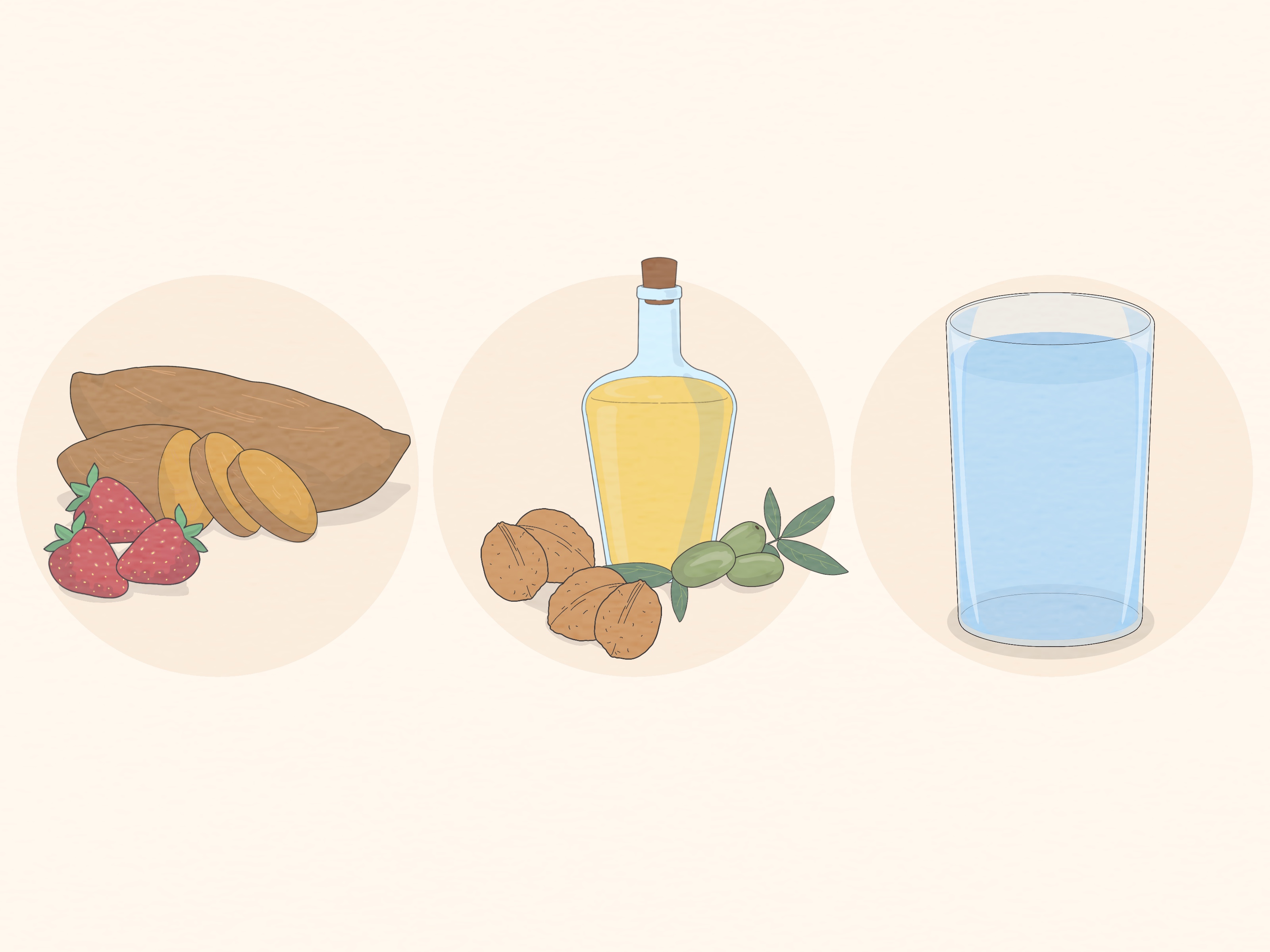
- Bladder irritants: Caffeine and alcohol are common ones. Reducing them can help some people.
- Fluid timing: Staying hydrated matters, but shifting more fluids earlier in the day can reduce nighttime wakeups for some.
- Constipation management: Constipation can worsen urinary symptoms in some people, so bowel health matters.
- Movement: Activity supports mood and overall function; choose formats that feel safe (walking routes with known restrooms, for example).
4) Medications and procedures: when basics aren’t enough
If behavioral strategies aren’t sufficient, clinicians may discuss medications that calm the bladder or reduce involuntary contractions. Different drug classes have
different side effect profiles; some resources for older adults also note concerns about certain overactive bladder medications and cognitive risk, so individualized
decisions matter. If you’re older or have memory concerns, bring that up earlyit changes the risk–benefit conversation.
For persistent symptoms, additional options may include nerve stimulation therapies, injections into the bladder muscle, or other interventions depending on your
situation and evaluation. (Translation: there are more options than “just live with it.”)
Mental Health Tools That Actually Help (Even If You Still Have Symptoms)
Treating the bladder is important. But treating the mental load can be just as life-changingsometimes even before symptoms fully improve.
1) Cognitive Behavioral Therapy (CBT) skills for “catastrophe thoughts”
OAB often triggers catastrophic predictions: “I’ll leak and everyone will know,” “I’ll get stuck in traffic,” “If I don’t go now, something terrible happens.”
CBT-style skills help you challenge those predictions, reduce all-or-nothing thinking, and plan realistically without spiraling.
2) Anxiety-friendly planning (not avoidance)
Planning can be healthy; avoiding can make fear bigger. A middle path looks like this:
- Know restroom locations when reasonablethen redirect attention back to the event.
- Carry a small “just in case” kit (pad/underwear/wipes) so your brain stops screaming “What if?” all day.
- Practice short exposures: start with a 20-minute outing, then 40, then a movie, then a longer trip.
3) Breathing and urgency surfing
Slow breathing isn’t magic, but it can reduce the fight-or-flight surge that makes urgency feel louder. Pair it with urgency suppression techniques (pause, breathe,
pelvic floor squeeze, then walk calmly to the bathroom). The goal is to teach your nervous system: “We’re not in danger, we’re just uncomfortable.”
4) Talk about it with the right people
Shame thrives in secrecy. You don’t have to announce your bladder situation on social media, but telling a trusted friend or partner can reduce isolation. And if you
feel persistently anxious or down, a therapist can help you untangle the stress loop and build coping strategies that don’t depend on “perfect bladder days.”
When to See a Clinician (and When to Go ASAP)
If urgency, frequency, nocturia, or leakage is affecting your sleep, work, travel, exercise, or relationships, that’s enough reason to seek care. Evaluation often
includes symptom history, a bladder diary, and testing to rule out infection or other causes.
Go sooner (or urgently) if you have:
- Blood in urine
- Fever, chills, or burning pain with urination (possible infection)
- New severe pelvic pain
- New weakness, numbness, or neurologic symptoms
- Sudden inability to urinate
Bottom line: OAB is a real medical condition, and it’s okay to ask for help. You’re not “overreacting.” (Your bladder might be, but you’re not.)
Experiences: What Living With OAB Can Feel Like (and What Helps)
The clinical descriptions are accurate, but they don’t always capture the day-to-day reality. Below are composite experiencescommon patterns many people describe
paired with practical coping ideas. If any of these feel familiar, you’re very much not alone.
Experience #1: “I plan my whole day around bathrooms.”
You start doing mental mapping without realizing it: gas stations, grocery stores, coffee shops, the “good bathroom” on the second floor of that one office building.
You pick aisle seats, you avoid long meetings, and you quietly stop saying yes to road trips. The toughest part isn’t always the urgencyit’s the constant vigilance.
What helps: A bladder diary plus bladder training can turn chaos into data. Even a few days of tracking can reveal patterns (timing, triggers,
fluid habits). Pair that with a “just in case” kit so your brain stops treating every outing like a high-stakes mission.
Experience #2: “The fear of leaking is worse than leaking.”
Many people describe a specific kind of anxiety: not just “I need to go,” but “What if I can’t make it?” That fear can spike heart rate, tighten muscles, and make
urgency feel more intense. Sometimes you end up going “just to be safe,” which can accidentally train your bladder to expect frequent emptying.
What helps: Urgency suppression techniquespause, breathe slowly, do a quick pelvic floor squeeze, wait for the peak of urgency to pass, then walk
calmlycan reduce panic and rebuild confidence. This is also where CBT tools shine: challenging catastrophic thoughts, building realistic plans, and slowly expanding
your comfort zone without relying on avoidance.
Experience #3: “Nighttime wakeups are wrecking my mood.”
Getting up multiple times a night doesn’t just make you tired; it makes you emotionally fragile. You may feel irritable, foggy, or weepy, and everyday stressors
start feeling personal. Some people notice they become more anxious at night because they dread the next wakeup.
What helps: Review fluid timing and bladder irritants, and talk to a clinician about nocturia evaluationnighttime urination can have multiple
contributors. On the mental health side, treat sleep like a priority health goal (not a luxury): consistent schedule, calming wind-down, and strategies that reduce
the anxiety of “Here we go again.”
Experience #4: “I’m embarrassed to bring it upeven with my doctor.”
OAB sits in the “awkward health topic” category, which can make appointments feel stressful. People sometimes minimize symptoms, then leave without getting what they
actually needed. Ironically, embarrassment can delay treatment, and delayed treatment can make embarrassment worse.
What helps: Bring notes. Seriously. A short symptom summary (how often, urgency level, night wakeups, any leakage, biggest life impacts) makes it
easier to talk. Many clinicians discuss bladder symptoms daily; you won’t be their “weirdest story,” and you deserve care that improves your quality of life.
Experience #5: “It’s messing with my confidence and relationships.”
When your body feels unpredictable, you may feel less confident at work, less spontaneous in relationships, and less willing to exercise or be intimate. Sometimes
partners misread the avoidance as disinterest, which adds tension on top of symptoms.
What helps: A simple, honest conversation can prevent months of misunderstanding: “I’m dealing with bladder urgency and it makes me anxiouscan we
plan around it together?” Also, remember that treatment is allowed to be both physical and emotional. If OAB is dragging your mood down, it’s reasonable to treat
the distress directly with therapy and coping strategies, not only wait for bladder symptoms to be perfect.
If you take nothing else from these experiences, take this: OAB can be heavybut it doesn’t have to be lonely, and it doesn’t have to be permanent at the level
it is today. Small, consistent steps often create momentum, and momentum is a powerful mental health intervention all by itself.
Wrap-Up
Overactive bladder isn’t just a urinary issueit can be a confidence issue, a sleep issue, a relationship issue, and a mental health issue. The mind–body loop is
real: symptoms can drive anxiety and low mood, and stress can make symptoms feel worse. The most effective approach is often a two-track plan:
treat the bladder (behavioral strategies, pelvic floor therapy, lifestyle adjustments, and medical options if needed) and
treat the mental load (skills for anxiety, shame reduction, sleep support, and help from professionals when appropriate).
Your goal isn’t to become a person who never thinks about their bladder. Your goal is to become a person whose bladder stops being the loudest voice in the room.