Note: This article is for educational purposes only and is not a substitute for medical advice, diagnosis, or emergency care. Anyone with breathing trouble, throat tightness, faintness, or symptoms of anaphylaxis after eating raspberries should use prescribed epinephrine if available and call 911 immediately.
What Is a Raspberry Allergy?
A raspberry allergy is an immune system reaction that happens when the body mistakenly treats proteins in raspberries as a threat. In plain English, your immune system sees a tiny red berry and reacts like it just spotted a raccoon breaking into the kitchen. For some people, the reaction is mild and limited to an itchy mouth. For others, it can involve hives, stomach symptoms, swelling, wheezing, or, rarely, a severe allergic reaction called anaphylaxis.
Raspberry allergy is not one of the most common food allergies in the United States. The major food allergens recognized by U.S. labeling law include milk, eggs, fish, crustacean shellfish, tree nuts, peanuts, wheat, soybeans, and sesame. Raspberries are not on that major-allergen list, which means they are not required to be highlighted on food labels in the same way. That does not mean raspberry reactions are imaginary. It simply means they are less common and often require a more careful detective-style approach.
Raspberries belong to the Rosaceae plant family, a large botanical family that also includes apples, peaches, cherries, strawberries, blackberries, and several other fruits. Because some fruit proteins look similar to proteins in pollens or related fruits, people may react to raspberries because of true food allergy, pollen-food allergy syndrome, or cross-reactivity with other plants.
Raspberry Allergy Causes: Why the Body Reacts
1. IgE-Mediated Food Allergy
Many immediate food allergies involve immunoglobulin E, better known as IgE. IgE antibodies are part of the immune system. In a raspberry allergy, the body may produce IgE antibodies that recognize raspberry proteins. When a person eats raspberries again, those antibodies can trigger the release of chemicals such as histamine. Histamine is useful when your body truly needs protection, but during an allergy it behaves like an overenthusiastic security guard who pulls the fire alarm because someone brought fruit salad.
IgE-mediated reactions usually happen quickly, often within minutes to two hours after eating the food. Symptoms may affect the skin, mouth, digestive tract, breathing, or circulation. This type of reaction deserves medical evaluation because future reactions can be unpredictable.
2. Pollen-Food Allergy Syndrome
One of the most common explanations for mild fruit-related reactions is pollen-food allergy syndrome, also called oral allergy syndrome. This happens when the immune system reacts to proteins in raw fruits or vegetables because those proteins resemble pollen allergens. For example, someone with seasonal allergies may experience itching or tingling in the lips, mouth, tongue, or throat after eating certain raw fruits.
With raspberries, this can occur because raspberry proteins may cross-react with pollen-related proteins. Symptoms are often limited to the mouth and throat and usually start quickly. Many people describe it as a “weird fuzzy feeling,” “itchy lips,” or “my mouth feels like it is wearing a tiny wool sweater.” Although pollen-food allergy syndrome is usually mild, it should still be discussed with an allergist, especially if symptoms spread beyond the mouth.
3. Raspberry Proteins and Cross-Reactivity
Scientific studies have identified several IgE-reactive proteins in raspberry, including proteins known as Rub i 1 and Rub i 3. Rub i 1 is related to a group of proteins called PR-10 proteins, which are also found in fruits such as apple, cherry, and peach. Rub i 3 is related to lipid transfer proteins, often shortened to LTPs. LTPs can be more stable to heat and digestion than some pollen-related proteins, which may make certain reactions more likely to go beyond mild mouth itching.
That does not mean every person with apple allergy will react to raspberries, or every person with raspberry allergy must avoid every fruit in the Rosaceae family. Allergy is annoyingly personal. One person may react to raw raspberries but tolerate cooked raspberry jam. Another may react to both fresh and cooked forms. A third may blame raspberries when the real culprit is another ingredient in a smoothie, dessert, or flavored drink.
4. Contact Reactions
Some people develop itching, redness, or hives after touching raspberries or raspberry-containing products. This may happen around the mouth, on the hands, or wherever the fruit touched the skin. Contact symptoms can occur with food allergy, skin sensitivity, or irritation from fruit acids. If the reaction is consistent, recurring, or spreading, it is worth getting checked rather than playing “rash roulette” every time dessert arrives.
5. Hidden Ingredients and Look-Alike Triggers
Raspberry-flavored foods are not always made only with raspberries. Sauces, jams, candies, pastries, protein bars, yogurts, drink mixes, teas, cocktails, and desserts may contain other fruits, colorings, preservatives, nuts, dairy, soy, wheat, or flavoring blends. A person who thinks they are allergic to raspberries may actually be reacting to strawberry, peach, almond, milk, gelatin, sulfites, or another ingredient. This is one reason a careful allergy history matters.
Raspberry Allergy Symptoms
Raspberry allergy symptoms can range from mild to serious. The pattern, timing, and body systems involved are important clues for diagnosis.
Mild Symptoms
- Itchy lips, mouth, tongue, or throat
- Tingling or mild swelling around the mouth
- Small hives around the lips or chin
- Itchy skin after touching raspberries
- Minor stomach discomfort
Moderate Symptoms
- Widespread hives
- Facial swelling, especially lips, eyelids, or cheeks
- Nausea, vomiting, stomach cramps, or diarrhea
- Coughing, wheezing, or chest tightness
- Runny nose, sneezing, or congestion shortly after eating
Severe Symptoms: Possible Anaphylaxis
Anaphylaxis is a medical emergency. It can affect breathing, blood pressure, heart rate, skin, and digestion. Warning signs include throat tightness, trouble breathing, repeated vomiting, dizziness, fainting, a weak or rapid pulse, confusion, or swelling that affects the tongue or airway. If these symptoms occur after eating raspberries or any food, treat it as an emergency.
Antihistamines may help mild itching or hives, but they do not treat anaphylaxis. Epinephrine is the first-line treatment for anaphylaxis. People who have been prescribed an epinephrine auto-injector should carry it and know how to use it. After epinephrine is used, emergency medical care is still needed because symptoms can return.
Raspberry Allergy vs. Raspberry Intolerance
Not every unpleasant reaction to raspberries is an allergy. A true allergy involves the immune system. An intolerance does not usually involve IgE antibodies and is less likely to cause hives, swelling, wheezing, or anaphylaxis.
For example, raspberries are naturally high in fiber. A large serving may cause bloating, gas, or stomach discomfort in some people. The seeds can also be irritating for people with sensitive digestive systems. That is not the same as an allergy. Likewise, acidic fruits may cause mouth irritation in someone with canker sores or sensitive oral tissues. Again, annoying? Yes. Allergy? Not necessarily.
The difference matters because allergy management may require strict avoidance, emergency medication, and medical documentation. Intolerance management may involve portion control, food preparation changes, or identifying other digestive triggers.
How Raspberry Allergy Is Diagnosed
Start With a Detailed Symptom History
The most important diagnostic tool is often the story. An allergist will want to know what you ate, how much raspberry was involved, whether it was raw or cooked, how soon symptoms started, what symptoms appeared, how long they lasted, and whether treatment helped. The allergist may also ask about seasonal allergies, asthma, eczema, reactions to other fruits, and family history.
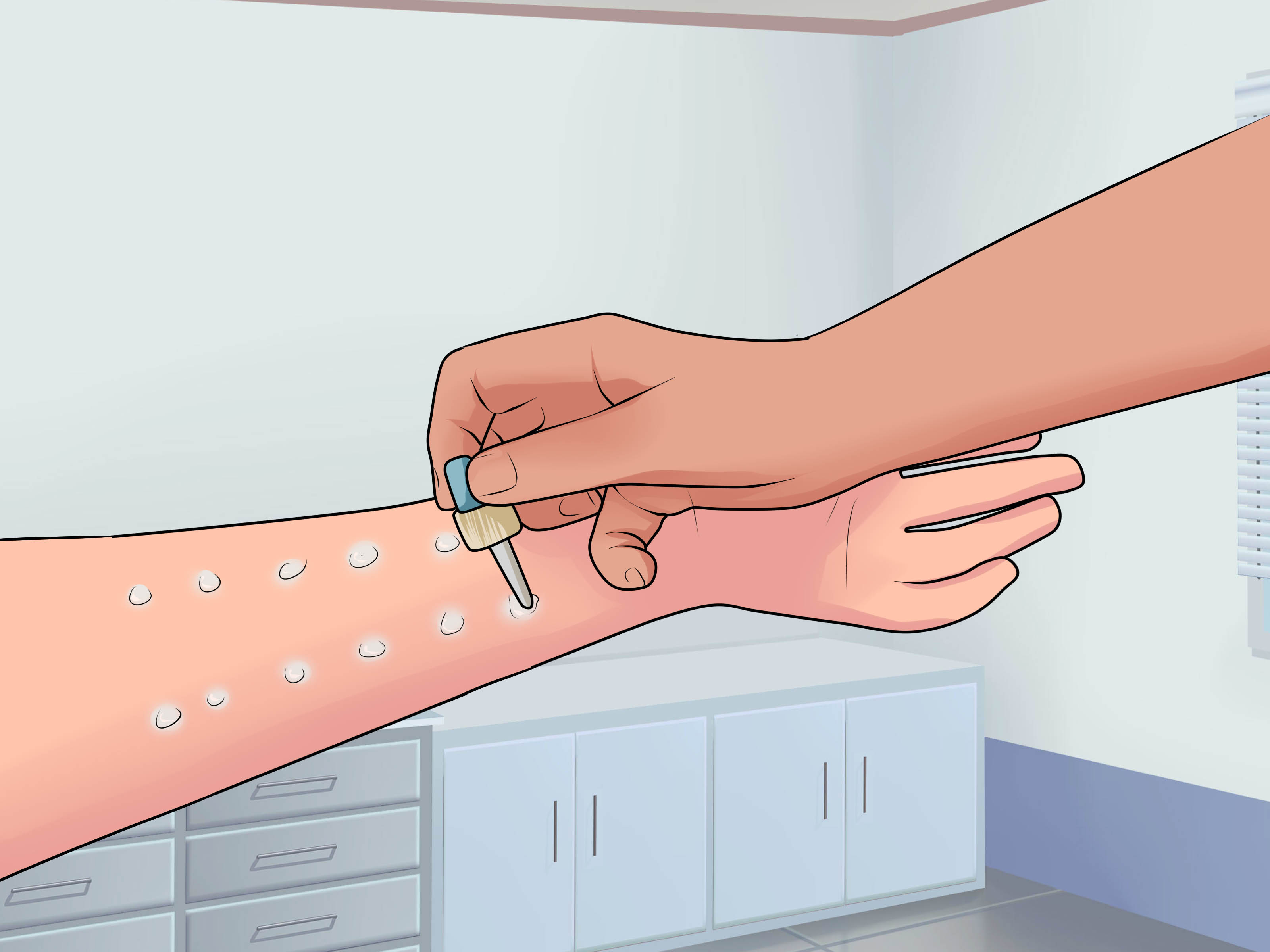
Skin Prick or Prick-to-Prick Testing
Skin prick testing may be used to look for IgE sensitivity. For fruits such as raspberries, some allergists may use a prick-to-prick method with fresh fruit because commercial extracts may not always contain all relevant proteins. A positive test means sensitization is present, but it does not automatically prove that raspberries cause symptoms. Tests are helpful, but they are not mind readers.
Blood Testing for Specific IgE
A blood test can measure IgE antibodies to certain foods or components. This may be useful when skin testing is not appropriate, when a person has severe eczema, or when medications interfere with skin test results. Like skin tests, blood tests must be interpreted with the symptom history.
Oral Food Challenge
When the diagnosis remains unclear, an allergist may recommend a supervised oral food challenge. During this test, the patient eats gradually increasing amounts of the suspected food in a medical setting. This is considered a highly accurate way to confirm or rule out food allergy, but it must be done under professional supervision because reactions can occur.
Do not test a suspected raspberry allergy at home by eating a “tiny bite just to see.” That is not bravery; that is turning your kitchen into a low-budget emergency department.
Raspberry Allergy Treatments and Management
1. Avoid Raspberries When Allergy Is Confirmed
The main treatment for confirmed raspberry allergy is avoidance. This includes fresh raspberries, frozen raspberries, raspberry puree, raspberry jam, raspberry syrup, raspberry sauces, raspberry-flavored desserts, and mixed berry products that contain raspberries. Be extra careful with smoothies, bakery fillings, fruit tarts, yogurt cups, salad dressings, sauces, and “berry blend” items.
2. Read Ingredient Labels Carefully
Because raspberries are not one of the U.S. major allergens that must be clearly called out under federal allergen labeling rules, they may appear in ingredient lists without special bold warnings. Look for terms such as raspberry, raspberry puree, raspberry juice, raspberry flavor, mixed berry, berry blend, fruit preparation, fruit filling, and natural flavors. When in doubt, contact the manufacturer.
3. Ask Questions at Restaurants
Restaurant desserts are a raspberry ambush zone. Cheesecake drizzle, chocolate cake coulis, salad vinaigrette, brunch cocktails, lemonades, parfaits, pancakes, and fancy “seasonal berry compote” can all contain raspberries. Tell the server you have a raspberry allergy, ask whether raspberry is used in sauces or garnishes, and request that kitchen staff check ingredients. A raspberry sauce streak on a dessert plate may look artistic, but for someone with an allergy, it is edible graffiti with consequences.
4. Use Antihistamines Only for Mild Symptoms
For mild reactions such as limited itching or hives, a healthcare professional may recommend an oral antihistamine. However, antihistamines should not be used as the only treatment for severe symptoms. They do not reverse airway swelling, dangerous blood pressure changes, or anaphylaxis.
5. Carry Epinephrine if Prescribed
Anyone with a history of severe raspberry reaction, breathing symptoms, throat tightness, or systemic reactions should discuss epinephrine with an allergist. If prescribed, carry two epinephrine devices because some reactions require a second dose before emergency help arrives. Family members, teachers, coaches, friends, and caregivers should know where the medication is and how to use it.
6. Create an Allergy Action Plan
An allergy action plan explains what symptoms to watch for, what medicine to use, when to use epinephrine, and when to call emergency services. This is especially useful for children, teens, college students, and anyone who eats outside the home. A written plan reduces panic because nobody wants to debate medical strategy while someone is swelling up next to a berry smoothie.
7. Consider Whether Cooked Raspberry Is Safe
Some people with pollen-food allergy syndrome tolerate cooked fruit because heat can change certain proteins. However, this is not guaranteed. Some raspberry allergens, including lipid transfer proteins, may be more stable. Never assume raspberry jam, baked raspberry filling, or cooked sauce is safe unless your allergist confirms it based on your history and testing.
Foods and Products That May Contain Raspberry
Raspberry can hide in more places than people expect. Common sources include:
- Mixed berry smoothies and juices
- Fruit yogurts and parfaits
- Granola bars and breakfast pastries
- Jams, jellies, preserves, and fruit spreads
- Ice cream, sorbet, gelato, and frozen desserts
- Chocolate truffles and filled candies
- Cheesecakes, tarts, pies, and cupcakes
- Salad dressings and fruit-based vinaigrettes
- Raspberry tea, lemonade, mocktails, and flavored water
- Supplements or powders containing berry blends
Cosmetics and personal care products may also contain raspberry seed oil, raspberry extract, or raspberry fragrance. These are more likely to cause contact irritation or skin reactions than classic food allergy symptoms, but people with a history of contact hives should be cautious.
When to See an Allergist
See an allergist if symptoms happen repeatedly after eating raspberries, if symptoms involve more than the mouth, if you have asthma, if you react to multiple fruits, or if you have ever had swelling, breathing problems, vomiting, dizziness, or faintness after eating. You should also get medical advice before removing many fruits from your diet, especially for children and teens, because unnecessary food restrictions can make meals stressful and nutritionally limited.
An allergist can help answer the big questions: Is it truly raspberry? Is it pollen-food allergy syndrome? Are related fruits a risk? Do you need epinephrine? Can you eat cooked raspberry? Is a supervised challenge appropriate? This kind of personalized guidance is far better than asking the internet and receiving 47 dramatic opinions from people named “BerryTruth92.”
Living With Raspberry Allergy: Practical Tips
At Home
Keep raspberry-containing foods separate from safe foods. Use clean utensils, cutting boards, and blender cups. Cross-contact can happen when the same spoon is used for raspberry jam and another spread, or when a smoothie blender is rinsed quickly but not washed thoroughly. If someone in the household loves raspberries, set simple rules so everyone can eat without turning breakfast into a laboratory experiment.
At School or Work
Tell the people who need to know. For students, that may include the school nurse, teachers, cafeteria staff, coaches, and close friends. For adults, it may include coworkers who organize shared meals or catered events. You do not need to make a dramatic announcement with a spotlight and theme music. A clear, calm explanation is enough.
While Traveling
Carry safe snacks, medication, and a written allergy card if needed. Raspberry is common in hotel breakfasts, pastries, sauces, desserts, and drinks. When traveling internationally, translation cards can help explain the allergy. Also remember that “berry” may be used broadly on menus, so ask specific questions.
of Real-Life Experience and Practical Perspective
Living with a raspberry allergy is often less about dramatic emergencies and more about everyday awareness. The tricky part is that raspberries rarely arrive wearing a name tag. They show up as a pretty red swirl on cheesecake, a mysterious berry sauce next to pancakes, a smoothie ingredient listed in tiny letters, or a “forest fruit” filling in a pastry. For someone newly dealing with symptoms, the learning curve can feel a bit like becoming a food detective overnight. The magnifying glass is optional; reading labels is not.
One common experience is confusion after the first reaction. A person may eat raspberries for years without an obvious problem and then suddenly notice itching lips, hives, or stomach symptoms. That can feel strange, but allergies can develop over time. Another person may react only during spring pollen season, which points toward pollen-food allergy syndrome. Someone else may tolerate raspberry jam but not raw raspberries, while another person reacts to both. These differences are why copying another person’s allergy plan is not a great idea. Allergy is personal, like a fingerprint, except more annoying at brunch.
Families often find that communication is the biggest challenge. A parent may say, “No raspberries,” but a well-meaning relative may think, “It is just a little berry topping.” Restaurants may understand peanut or shellfish allergy quickly but need more explanation for raspberry allergy because it is less common. The best approach is specific language: “I have a raspberry allergy. Please check sauces, desserts, drinks, fruit mixes, and garnishes.” That sentence is much more useful than simply saying, “I am allergic to berries,” which may lead to confusion about strawberries, blueberries, blackberries, or flavor blends.
Another practical lesson is to avoid guessing. If symptoms happen after a mixed berry smoothie, it may be raspberry, but it could also be strawberry, blackberry, milk, soy protein, almond milk, preservatives, or even cross-contact from a blender. Keeping a food and symptom diary can help. Write down the ingredients, timing, symptoms, medication used, and whether exercise, illness, alcohol, or pollen season might have played a role. This information can be extremely helpful during an allergist visit.
People with mild oral symptoms sometimes feel embarrassed about bringing it up because the symptoms disappear quickly. Still, it is worth mentioning to a healthcare professional, especially if symptoms are changing. Mild mouth itching may remain mild, but reactions that include hives, vomiting, coughing, wheezing, throat tightness, or dizziness should be taken seriously. The goal is not to become afraid of food. The goal is to know the risk, have a plan, and eat with confidence.
The good news is that raspberry allergy can usually be managed with knowledge, preparation, and the right medical guidance. Once you know your triggers, understand label reading, and have a clear action plan, daily life becomes much easier. You may still miss raspberry cheesecake, and that is fair. But there are plenty of safe desserts in the world, and none of them should require a medical strategy meeting before the first bite.
Conclusion
Raspberry allergy is uncommon but real. It may be caused by IgE-mediated allergy, pollen-food allergy syndrome, cross-reactive fruit proteins, or contact reactions. Symptoms can range from an itchy mouth to hives, digestive distress, breathing problems, or rare anaphylaxis. The safest path is to take symptoms seriously, avoid confirmed triggers, read labels carefully, ask questions when eating out, and work with an allergist for diagnosis and treatment planning.
If raspberries make your mouth itch once, do not panic. If raspberries repeatedly cause symptoms, do not ignore it. Your immune system may be sending a message, even if it chose a fruit that looks adorable in a tart. With the right plan, raspberry allergy can be managed safely and confidently.