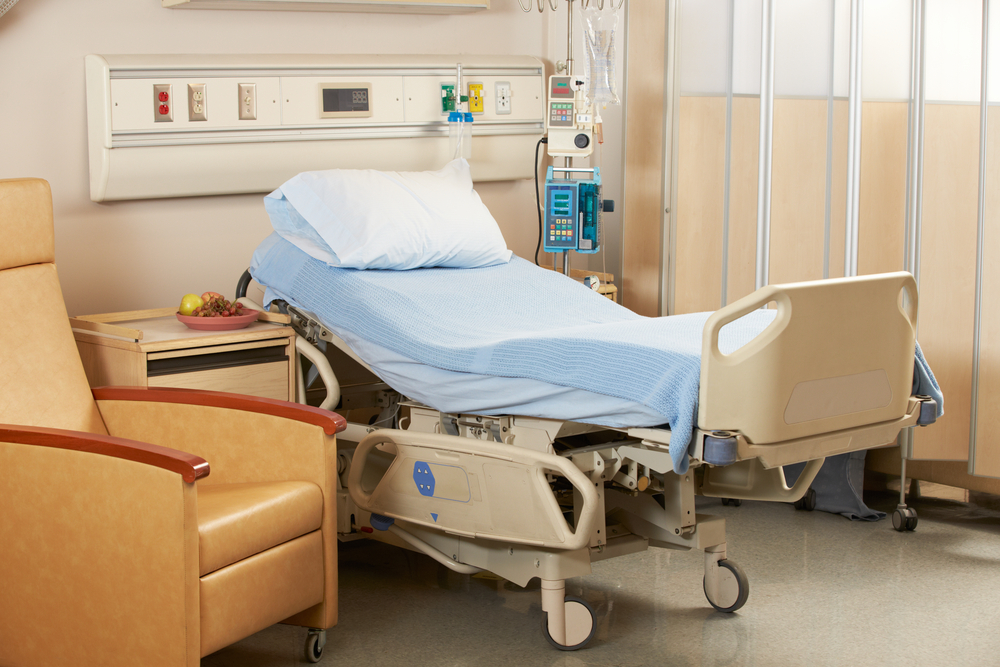
Walk into many American hospitals today, and the physician managing your care may not be your longtime primary care doctor. Instead, you may meet a hospitalist: a doctor whose professional home is the hospital itself. Hospitalists admit patients, coordinate tests, call specialists, adjust medications, explain discharge plans, and somehow still manage to answer pages that seem to multiply like rabbits in a supply closet.
The rise of hospital medicine has changed inpatient care in the United States. The model sounds wonderfully practical: let doctors who work in the hospital full time take care of hospitalized patients. They know the wards, the nurses, the electronic health record, the local discharge process, and which elevator is least likely to trap you between radiology and the cafeteria. In theory, that familiarity should lead to better patient outcomes.
But health care evidence is rarely as tidy as a brochure. The question, “Do hospitalists improve patient outcomes?” has a frustratingly honest answer: sometimes, in some ways, for some patientsbut not always in the dramatic way people expect.
What Is a Hospitalist?
A hospitalist is a physician, often trained in internal medicine, family medicine, or pediatrics, who focuses primarily on caring for hospitalized patients. Unlike a traditional primary care physician who may see patients in clinic and then round at the hospital, a hospitalist spends most or all of their clinical time inside the hospital.
The term “hospitalist” entered the medical conversation in the 1990s as hospitals became more complex and primary care physicians found it harder to leave busy clinics to care for admitted patients. Over time, hospital medicine became one of the fastest-growing fields in U.S. health care.
What Hospitalists Actually Do
Hospitalists are not just “the doctor who shows up in the morning.” Their work often includes:
- Evaluating patients admitted from the emergency department
- Creating and adjusting treatment plans
- Coordinating care with specialists, nurses, pharmacists, case managers, and therapists
- Monitoring lab results, imaging, and clinical changes
- Managing discharge planning and medication reconciliation
- Communicating with families and outpatient clinicians
- Leading quality improvement and patient safety initiatives
In plain English, hospitalists are the quarterbacks of inpatient medical care. The challenge is that even a talented quarterback still needs a strong offensive line, reliable receivers, and a playbook that does not mysteriously disappear at shift change.
Why Hospitals Adopted the Hospitalist Model
The hospitalist model grew because hospitals needed physicians who were immediately available and deeply familiar with inpatient systems. Modern hospitals move quickly. Tests return throughout the day. Patients can deteriorate suddenly. Discharge planning starts almost as soon as a patient arrives. A doctor who is physically present and focused on inpatient care can respond faster than a community physician trying to balance clinic appointments, phone calls, and hospital rounds across town.
Hospitals also hoped hospitalists would improve efficiency. If a hospitalist can reduce unnecessary delays, order appropriate tests sooner, and coordinate discharge earlier, patients may spend less time in the hospital. A shorter hospital stay can mean lower costs, fewer hospital-acquired complications, and a quicker return home.
That is the optimistic version. The more cautious version is that shorter stays do not automatically equal better care. Sending someone home sooner is great if they are stable, informed, and supported. It is less great if they return two days later because discharge instructions were rushed, medications were confusing, or no one told the primary care doctor what happened.
The Evidence: Where Hospitalists Seem to Help
Research over the past two decades has found fairly consistent evidence that hospitalists can improve certain efficiency measures. The strongest signal is often seen in hospital length of stay. Many studies have found that patients cared for by hospitalists leave the hospital sooner than similar patients cared for by non-hospitalist physicians.
That shorter length of stay may happen for several reasons. Hospitalists are on-site. They know local protocols. They can check on a test result quickly, call a consultant directly, and work with case managers earlier in the day. They also manage hospitalized patients repeatedly, so they become highly practiced at common inpatient problems such as pneumonia, heart failure, sepsis, kidney injury, COPD exacerbations, and complications of diabetes.
Lower Costs and Better Hospital Efficiency
Because hospital days are expensive, reducing unnecessary time in the hospital can reduce costs. Some studies have shown lower costs for hospitalist-managed patients, especially when reduced length of stay does not lead to higher readmission rates. For hospital administrators, this is appealing. For patients, it can mean less exposure to hospital noise, sleep interruptions, infections, and the uniquely confusing experience of being awakened at 5 a.m. to be asked whether they slept well.
Hospitalists may also improve workflow for the entire care team. Nurses and case managers often benefit from having a physician available during the day to make decisions, clarify orders, and address barriers to discharge. In a busy hospital, waiting six hours for a signature, medication adjustment, or discharge decision can become the pebble that starts an avalanche of delays.
Stronger Coordination Inside the Hospital
Hospitalists are usually familiar with hospital systems in a way that visiting outpatient physicians may not be. They know which specialists are available, how to navigate inpatient imaging, which rehab facilities commonly accept certain insurance plans, and how to escalate care when a patient worsens.
This system knowledge matters. Good inpatient care is not just about knowing medicine. It is about making dozens of small, timely decisions while coordinating many people who are all moving at once. The best hospitalists combine clinical judgment with logistical awareness. That combination can make care feel smoother, safer, and less chaotic.
Where the Evidence Gets Murky
Here is where the story becomes less shiny. While hospitalists often reduce length of stay and sometimes lower costs, the evidence on patient outcomes such as mortality, readmissions, and long-term recovery is mixed.
Some studies show that hospitalist care is associated with similar mortality and readmission rates compared with care by general internists, family physicians, or primary care doctors. In other words, hospitalists may help patients move through the hospital more efficiently without clearly making them more or less likely to die or be readmitted. That is not a failure, exactly. Maintaining similar outcomes while reducing unnecessary hospital time can still be valuable. But it is also not the same as proving that hospitalists dramatically improve survival.
Mortality Is Hard to Move
Mortality is one of the most important outcomes in medicine, but it is also difficult to interpret. Hospitalized patients are complex. Age, disease severity, social support, hospital resources, nursing ratios, specialist availability, and post-discharge care all affect survival. A hospitalist may provide excellent care, but if a patient is severely ill, lacks home support, or cannot afford medications, the hospitalist alone cannot overcome every risk.
That is why studies often find modest or inconsistent mortality differences. A hospitalist may improve the process of care, but patient survival depends on a much larger ecosystem.
Readmissions Are Even Trickier
Readmissions are another common measure of quality. If a patient returns to the hospital within 30 days, it may suggest that something went wrong. But not always. Some readmissions are preventable; others are expected or unavoidable because the patient has a serious illness.
Hospitalists can influence readmissions through careful discharge planning, medication review, patient education, and communication with outpatient clinicians. However, once the patient leaves the hospital, many factors are outside the hospitalist’s direct control. Can the patient get a follow-up appointment? Do they understand the medication changes? Do they have transportation? Can they pay for prescriptions? Is there a caregiver at home? The discharge summary may be perfect, but it cannot drive someone to the pharmacy.
The Continuity Problem
One of the biggest criticisms of hospitalist care is discontinuity. In the traditional model, a patient’s own doctor may know their history, personality, family situation, and long-term goals. A hospitalist may be meeting that patient for the first time during an acute illness.
Hospitalist schedules can also create multiple handoffs during one hospital stay. A patient admitted on Monday may see one hospitalist for two days, another after a shift change, a night physician for an urgent issue, and a weekend doctor before discharge. Every handoff is a chance to transfer important information. It is also a chance for something to fall through the cracks.
When Handoffs Work Well
Good handoffs are structured, specific, and focused on risk. They include active problems, pending tests, medication changes, family concerns, code status, and what to do if the patient worsens. Strong hospitalist groups use standardized communication tools and electronic documentation to reduce errors.
When handoffs are done well, hospitalist care can be safe and effective. In fact, some research suggests that inpatient handoffs are generally safe overall, although high-risk patients may be more vulnerable to small communication gaps. That makes sense. A stable patient recovering from mild pneumonia may tolerate a transition between doctors just fine. A medically fragile patient with heart failure, kidney disease, delirium, and five pending consults is a different story.
Continuity May Matter More Than the Job Title
One important insight from recent research is that the hospitalist model itself may matter less than how the model is organized. Hospitalists working schedules that promote continuitysuch as several consecutive days caring for the same patientsmay achieve better outcomes than hospitalists working more fragmented schedules.
This suggests that the key question is not simply, “Hospitalist or no hospitalist?” A better question is, “Does this hospitalist program create reliable, continuous, well-coordinated care?”
Do Hospitalists Improve Patient Safety?
Hospitalists often participate in patient safety work, including reducing hospital-acquired infections, improving sepsis care, preventing medication errors, and standardizing discharge processes. Their constant presence in the hospital can make them natural leaders for quality improvement.
For example, a hospitalist group may notice that patients with heart failure are frequently readmitted because discharge instructions are inconsistent. The group can collaborate with pharmacists, nurses, and case managers to create a standard discharge checklist. That kind of systems-level work can improve care for hundreds of patients, not just the one patient in front of the doctor.
However, patient safety gains depend heavily on hospital culture. A hospitalist cannot fix unsafe staffing, poor communication systems, outdated technology, or chaotic discharge workflows alone. Hospitalists are important, but they are not magic wands wearing white coats.
Patient Experience: Better Access, Less Familiarity
From a patient’s perspective, hospitalist care can feel both reassuring and strange. On the positive side, the hospitalist is usually available. If symptoms change, a nurse can contact the physician on duty. Families may get updates faster. Care decisions may happen earlier in the day.
On the negative side, patients may miss the comfort of a familiar doctor. They may wonder why their primary care physician is not managing their hospital stay. They may have to repeat their story several times. For patients with complex chronic illness, cognitive impairment, language barriers, or strong personal preferences, that lack of familiarity can be frustrating.
The best hospitalist programs recognize this emotional gap. They communicate clearly, involve family members, review outpatient records, and contact primary care physicians when needed. In medicine, trust is not a decorative extra. It is part of the treatment plan.
Which Patients May Benefit Most From Hospitalists?
Hospitalists may be especially helpful for patients who need active daily management, fast coordination, or complex discharge planning. Examples include patients with:
- Pneumonia requiring oxygen and antibiotics
- Heart failure needing diuresis and medication adjustment
- COPD exacerbations
- Sepsis or serious infections
- Multiple chronic conditions
- New functional decline requiring rehab planning
- Complicated medication changes
- Social barriers that affect safe discharge
Hospitalists may be less clearly superior when the patient’s main need is deep longitudinal knowledge. For example, a patient with a rare disease, complicated family dynamics, or nuanced goals of care may benefit from close involvement of their primary care doctor or specialist, even if a hospitalist handles day-to-day inpatient management.
The Real Answer: Hospitalists Improve Systems More Than They Guarantee Outcomes
The clearest benefit of hospitalists may not be that they automatically make every patient live longer. Instead, hospitalists often improve the hospital system’s ability to deliver timely inpatient care. They can reduce delays, support discharge planning, coordinate teams, and standardize quality improvement efforts.
Those improvements matter. A shorter, smoother hospitalization can be meaningful for patients and families. But it is important not to oversell the evidence. Hospitalists are associated with better efficiency more consistently than they are associated with large improvements in mortality or readmission rates.
That does not mean hospitalists are unhelpful. It means patient outcomes are complicated. A hospitalist is one part of a large care machine that includes nurses, pharmacists, specialists, therapists, social workers, technology, hospital policies, and post-discharge support.
Practical Experiences and Real-World Observations
In real hospital life, the value of a hospitalist often shows up in small moments that do not always fit neatly into a spreadsheet. Imagine an older adult admitted with pneumonia, mild confusion, and worsening kidney function. The hospitalist sees the patient in the morning, notices that the antibiotic dose needs adjustment, calls the daughter for baseline information, asks physical therapy to evaluate mobility, and coordinates with the case manager about home oxygen. None of those steps is glamorous. There is no dramatic soundtrack. But together, they can prevent delays, reduce confusion, and make discharge safer.
Another common example involves medication reconciliation. A patient may arrive with a grocery bag full of pill bottles, three outdated medication lists, and one confident statement: “I take the little white one.” A careful hospitalist working with a pharmacist can identify duplicate drugs, stop unsafe combinations, and clarify what should continue after discharge. That process can prevent dizziness, falls, bleeding, low blood sugar, or another trip to the emergency department.
Family communication is another area where hospitalists can make a visible difference. Because they are in the hospital throughout the day, they may be able to update families after test results return or after specialists weigh in. Good communication reduces anxiety. It also improves decision-making. Families are less likely to feel blindsided when they understand what is happening and what still needs to happen before discharge.
But there are also real frustrations. Patients sometimes see a different hospitalist every few days. One doctor may explain the plan one way, and the next may emphasize something else. Even when both doctors are competent, the shift can feel unsettling. Patients may wonder, “Who is really in charge?” That question matters. Clear introductions, written plans, and consistent messaging can reduce the confusion, but not every hospital does this equally well.
Primary care communication can also be uneven. A hospitalist may send a discharge summary, but if it arrives late, lacks key details, or gets buried in the electronic record, the outpatient doctor may not have enough information for follow-up. The patient then becomes the messenger, and patients should not have to serve as walking fax machines. Strong hospitalist programs build reliable bridges back to outpatient care, especially for high-risk patients.
The best experiences happen when hospitalists combine speed with humility. They know the hospital system, but they also recognize what they do not know about the patient’s life before admission. They ask about baseline function, home support, goals, fears, and what would make discharge realistic. They respect the primary care physician’s long-term knowledge and the family’s practical insight. In those cases, hospitalist care can feel both efficient and personal.
The worst experiences happen when the system becomes too transactional. The patient becomes “the pneumonia in 412,” discharge becomes the main goal, and communication turns into a scavenger hunt. That is not a failure of the hospitalist idea. It is a warning that any care model can become impersonal if hospitals focus only on throughput and forget the human being in the bed.
Conclusion: Helpful, But Not a Cure-All
So, do hospitalists improve patient outcomes? The answer is genuinely nuanced. Hospitalists often improve efficiency, reduce length of stay, and strengthen coordination inside the hospital. They may support better safety practices and smoother discharge planning. For many patients, having an on-site physician focused entirely on inpatient care is a major advantage.
At the same time, evidence is less consistent for major outcomes such as mortality and readmissions. Hospitalist care can be excellent, average, or fragmented depending on staffing, schedules, handoffs, communication, hospital resources, and post-discharge support. The title “hospitalist” does not guarantee better outcomes by itself. The design of the care system matters.
The fairest conclusion is this: hospitalists can improve patient care, but they do so best when hospitals protect continuity, standardize handoffs, communicate with primary care, involve families, and treat discharge as a clinical process rather than a paperwork sprint. In modern hospitals, hospitalists are not the whole answerbut when supported well, they are an important part of a better one.
Note: This article is for general educational purposes only and should not replace medical advice from a licensed clinician. Patients and families should ask their care team who is managing the hospital stay, how updates will be shared, and what follow-up is needed after discharge.