There are pet portraits, and then there are pet portraits that make you stop scrolling, squint at the screen, and say, “Wait… is that dog made out of coffee?” Welcome to the wonderfully strange, surprisingly emotional world of unusual pet portrait art, where beloved cats, dogs, rabbits, birds, and even fish are being recreated with materials far beyond ordinary paint.
Today’s custom pet portraits can be made with wool, real pet fur, coffee, paper scraps, flowers, leaves, stone, recycled cardboard, metal, and even cremation ashes. Yes, the art world has officially looked at a golden retriever and thought, “This needs more espresso.” And honestly? It works.
The appeal is easy to understand. Pets are not just background characters in American homes. They are family members with opinions, snack preferences, dramatic sighs, and suspicious relationships with vacuum cleaners. With millions of U.S. households owning pets and pet spending continuing to grow, personalized pet art has become more than home decor. It is a keepsake, a memorial, a conversation starter, and occasionally, the funniest thing hanging above the couch.
Why Pet Portraits Have Become So Personal
A regular photograph captures what a pet looks like. A custom pet portrait tries to capture who that pet is. That is the difference between “Here is my dog” and “Here is my dog, Commander Waffles, looking like he owns a shipping empire in 1842.”
Pet owners often choose portraits because they want something warmer, more artistic, and more permanent than another camera-roll photo. A handmade portrait can soften a blurry image, combine several reference photos, highlight a favorite expression, or turn a pet into a royal, astronaut, flower sprite, coffee-toned philosopher, or tiny felted clone. The best pet portraits do not simply reproduce whiskers and ears; they translate personality.
That personality is why unusual materials matter. A portrait made with a pet’s actual fur feels different from a digital print. A memorial painting that incorporates ashes carries emotional weight. A dog made from recycled cardboard says something about sustainability. A cat painted on stone feels earthy and timeless. The material becomes part of the message.
The Most Surprising Materials Used in Pet Portraits
Artists have always experimented with strange materials. Renaissance painter Giuseppe Arcimboldo famously created witty composite portraits out of painted fruits, vegetables, fish, and trees. Modern pet artists have taken that playful spirit and added a leash, a litter box, and possibly a squeaky toy.
1. Wool and Needle Felting: The Soft Sculpture Look
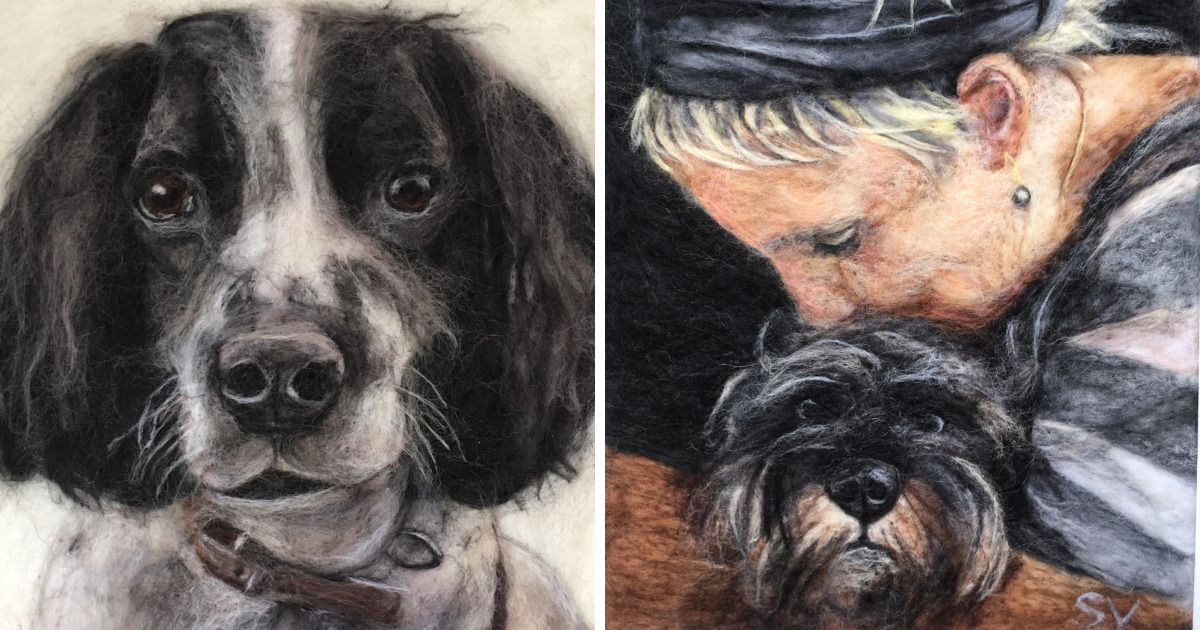
Needle-felted pet portraits are among the most charming forms of custom pet art. Artists use barbed needles to compress wool fibers into shapes, textures, and layers. The technique can create either flat “wool paintings” or three-dimensional miniature pets that look ready to hop off the shelf and demand treats.
Wool is especially powerful for pet portraits because it naturally mimics fur. Different fibers can be blended to match the creamy curls of a poodle, the smoky markings of a tabby, or the dramatic eyebrows of a schnauzer who clearly disapproves of your life choices. The process is slow, detailed, and tactile. Every tiny stab of the needle builds volume, shading, and expression.
Some artists even incorporate a pet’s real fur into the felted portrait. That turns the artwork into a deeply personal keepsake. A felted dog made with brushed undercoat, for example, is not just a likeness of the pet; it contains a physical piece of that animal. For memorial portraits, this can be incredibly comforting.
2. Real Pet Fur: Sentimental, Strange, and Surprisingly Beautiful
At first, the idea of making art with shed pet hair may sound like something your vacuum cleaner would object to. But pet fur portraits are real, meaningful, and often gorgeous. Many pet owners already save locks of fur after a grooming appointment or after a beloved animal passes away. Artists can use that fur in felted sculptures, shadow boxes, mixed-media portraits, or tiny decorative details.
Not all fur works the same way. Fluffy undercoat usually felts better than wiry outer coat because it grips and mats more easily. Long-haired breeds, double-coated dogs, and some cats provide excellent material. The finished portrait may combine wool with real fur so the piece holds its structure while still preserving the pet’s actual texture.
Is it unusual? Absolutely. Is it sweet? Also yes. Is it something your cat would pretend not to care about while secretly judging the composition? Without question.
3. Cremation Ashes: Memorial Art With Emotional Depth
Some of the most meaningful pet portraits are made with cremation ashes. Memorial artists may mix a small amount of ashes into paint, resin, or another medium and incorporate it into the final artwork. The result is both visual and physical: a painting that represents the pet and contains a part of them.
This type of pet memorial portrait is not for everyone, but for grieving owners it can be powerful. It gives a sense of presence. Instead of keeping ashes only in an urn, the pet’s memory becomes part of a visible piece of art that can hang in the home. Many artists approach these commissions with extra care, often allowing more time for discussion, reflection, and reference-photo selection.
A memorial portrait can also include a paw print, collar tag, whisker, favorite toy color, or meaningful background. These personal details help transform grief into something tangible and beautiful.
4. Coffee: Portraits With a Built-In Morning Mood
Coffee painting sounds like an accident that happened near a sketchbook, but it is a legitimate art form. Artists use brewed coffee, espresso concentrate, or coffee-based pigments to create warm brown tones, delicate gradients, and expressive shadows. The effect is soft, nostalgic, and a little moody, like your dog just discovered jazz.
Coffee works especially well for portraits because it can move from pale sepia washes to deep, rich browns. Artists may layer coffee like watercolor, allow it to pool, or thicken it for darker details. A coffee-painted pet portrait can feel vintage, cozy, and intimate. It is perfect for a soulful Labrador, a sleepy orange cat, or any animal who looks like they have unpaid rent and a novel to finish.
The challenge is preservation. Coffee is organic, so artists often experiment with fixatives and sealing methods to protect the finished piece. When handled properly, the result is a one-of-a-kind portrait with warmth that ordinary ink sometimes cannot match.
5. Paper Collage: Painting Without Paint
Paper collage pet portraits are built from hand-cut or torn pieces of paper. Instead of using brushstrokes, the artist layers paper to create color, shadow, texture, and form. A dog’s shiny nose might be made from a dark magazine clipping. A cat’s striped coat might come from carefully chosen scraps in gray, cream, and black. A bird’s feathers might be assembled from dozens of tiny shapes.
This style is often described as “painting with paper.” It can look graphic and modern or soft and painterly depending on the artist’s technique. Because every piece is cut and placed by hand, no two portraits are identical. That individuality is a major part of the charm.
Paper collage is also a smart option for people who want a handmade pet portrait with visible texture but do not necessarily want a traditional oil or watercolor painting. It feels crafty in the best possible way: polished, thoughtful, and full of tiny surprises.
6. Flowers, Leaves, and Twigs: Nature as the Palette
Some artists create animal portraits using flowers, leaves, stems, petals, twigs, and other found natural materials. The results can look almost magical. A bird’s wing may be built from red leaves. A fish may shimmer through layered petals. A cat’s face might emerge from dried grasses and carefully arranged blossoms.
These works are often temporary, which makes them feel even more special. The materials change with the seasons, so spring portraits may be bright and floral while fall pieces glow with amber leaves. When translated into pet-inspired artwork, this technique can beautifully reflect an animal’s personality: a calm old dog in warm autumn tones, a playful kitten in spring petals, or a parrot built from tropical bursts of color.
Because botanical portraits are delicate, they are often photographed after assembly. The final artwork may be the photograph rather than the physical arrangement. That does not make it less handmade. It simply means the portrait lives at the intersection of sculpture, photography, and nature art.
7. Painted Stones: Tiny Pets on Natural Rock
Pet portraits painted on rocks have a delightful “treasure found on a beach” quality. Artists select stones with shapes that suit the animal, then paint the pet directly onto the surface. A smooth oval stone can become a curled-up cat. A flat sea rock can hold a detailed dog face. A small pebble can become a pocket-sized memorial.
The shape of the rock often influences the final portrait. That makes each piece feel organic and unique. Unlike a rectangular canvas, a stone has bumps, curves, and irregular edges. A skilled artist uses those natural features instead of fighting them.
Rock pet portraits are popular as memorial gifts, garden markers, desk keepsakes, and small decorative objects. They are humble, durable, and surprisingly expressive. Also, they finally answer the question: “What if my pug were geological?”
8. Recycled Cardboard and Scrap Materials: Eco-Friendly Animal Art
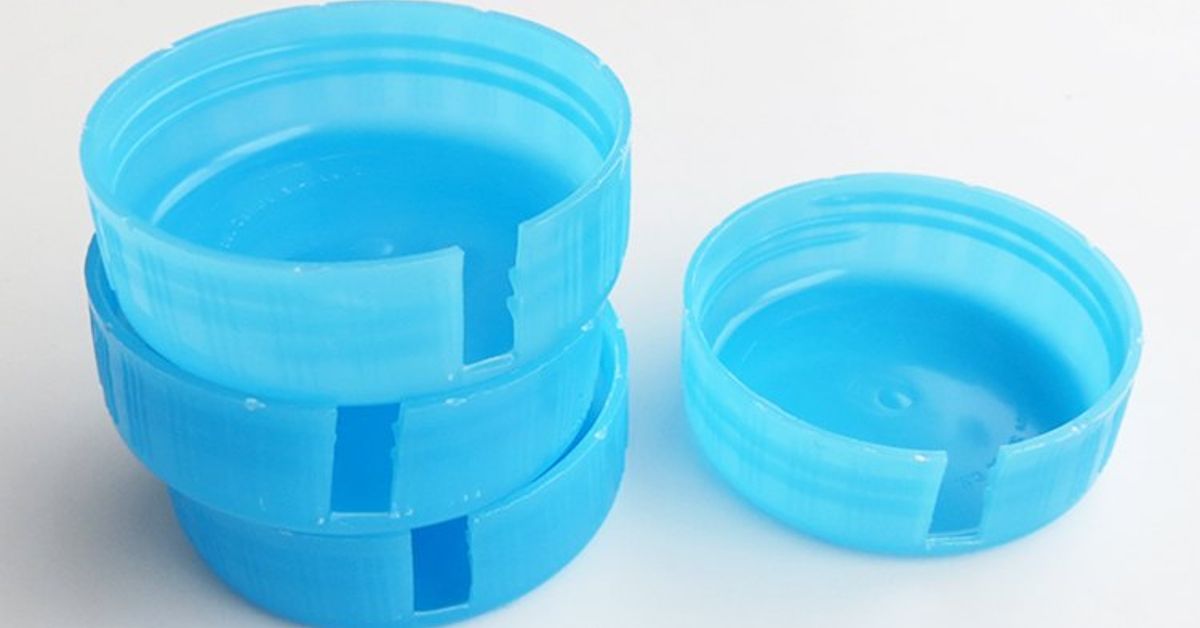
Recycled-material portraits and sculptures have gained attention as artists look for ways to turn waste into beauty. Cardboard, plastic fragments, bottle caps, old books, metal scraps, and discarded packaging can become animal forms with impressive realism.
Cardboard is especially versatile. It can be cut, layered, bent, and textured to create fur, feathers, wrinkles, and muscle. Artists who make cardboard animal sculptures often rely on careful construction rather than paint alone. The visible corrugation and edges become part of the texture.
Scrap metal animal art takes a different approach. Welded bolts, gears, chains, utensils, and industrial leftovers can become powerful dog, horse, bird, or wildlife sculptures. The contrast is striking: cold metal transformed into creatures full of life. For pet lovers with modern or industrial decor, this style can be unforgettable.
9. Digital Art, Prints, and Pop-Culture Pet Portraits
Not every surprising pet portrait is made from a physical oddity. Digital pet portraits have become incredibly popular because they allow fast customization and endless styles. A pet can become a Renaissance noble, a superhero, a watercolor illustration, a minimalist line drawing, or a museum-worthy royal with one upload and a little artistic magic.
Digital portraits are often printed on canvas, paper, mugs, pillows, ornaments, phone cases, and wall art. While they may not have the tactile intimacy of wool or ashes, they are accessible, affordable, and fun. They also make excellent gifts for people who already own every practical pet item known to humankind.
The key is quality. A good digital pet portrait still requires strong design, careful editing, and attention to expression. The best ones preserve the pet’s recognizable features instead of simply pasting a face onto a costume and hoping nobody notices that the chihuahua now has the shoulders of a duke.
How to Choose the Right Unusual Pet Portrait
Choosing a custom pet portrait starts with the pet’s personality. A dignified older cat may look beautiful in coffee or paper collage. A goofy golden retriever might belong in a bright digital royal portrait. A pet who has passed away may be best honored with a felted keepsake, ashes painting, or stone memorial. A nature-loving family might prefer floral or recycled-material art.
Next, think about where the portrait will live. Wall art works well for living rooms and offices. Felted sculptures are better for shelves or display cases. Stone portraits fit desks, gardens, and memorial corners. Paper collage and coffee paintings should be framed and protected from moisture and direct sunlight.
Finally, choose a great reference photo. The best photo should show the pet’s face clearly, especially the eyes. Natural light helps. Avoid heavy blur, strange angles, or photos where half the pet is hidden behind a blanket, another pet, or your uncle’s thumb. If the portrait is a memorial and your photos are limited, send several images so the artist can understand markings, expression, and personality.
Why These Portraits Make Such Powerful Gifts
A custom pet portrait says, “I know how much this animal matters to you.” That is why it works for birthdays, holidays, housewarmings, adoption anniversaries, and memorial gifts. It is personal without being generic, emotional without being too flashy, and funny when the style calls for it.
For pet parents, a portrait can celebrate a companion who has been there through moves, breakups, new jobs, late-night snacks, and suspicious noises at 2 a.m. For grieving owners, it can offer comfort. For families, it can become part of the household story. Years later, people may forget who bought the fancy candle, but they will remember the portrait of Biscuit made out of wool and attitude.
Experiences: What It Feels Like to Commission a Strange Pet Portrait
Commissioning an unusual pet portrait is a little like sending your pet to art school without asking their permission. The process usually begins with choosing a photo, but it quickly becomes more personal. You start looking through your camera roll and realize you have 4,000 pictures of the same animal sleeping in slightly different positions. Then you wonder which one truly captures them. Is it the noble face? The chaotic zoomies face? The “I ate something and regret nothing” face?
The best experience comes from choosing a portrait style that matches both your pet and your emotional goal. When I imagine a felted portrait, I think of softness and closeness. It feels right for a pet you want to remember by touch. A wool sculpture has a comforting presence. It can sit on a shelf like a tiny guardian, minus the vet bills and midnight barking.
A coffee portrait feels different. It has warmth, humor, and a cozy kitchen-table mood. I can imagine it working beautifully for a brown dog, a sleepy cat, or a pet with wise eyes. There is something charming about a portrait made from the same drink humans rely on to become functional mammals every morning. It gives the artwork a lived-in feeling.
Paper collage brings another kind of joy. Looking closely, you can see the construction: the layers, edges, patterns, and tiny choices. It rewards attention. From far away, it may read as a polished portrait. Up close, it becomes a puzzle of color and texture. That makes it ideal for people who like artwork that reveals itself slowly.
Memorial portraits are the most delicate experience. If ashes, fur, or whiskers are included, communication with the artist matters. You want someone respectful, patient, and clear about the process. A good memorial artist understands that they are not just making decor. They are handling grief, memory, and trust. The final piece can be emotional in a way that surprises you. It may not erase loss, but it can give love a visible place to land.
The funniest part of commissioning any pet portrait is realizing how specific pet owners are. “Please capture his left eyebrow, because that is where he keeps most of his sarcasm.” “Her ears must look confused but optimistic.” “He is not angry; that is just his resting terrier face.” Artists who specialize in pets understand this language. They know that tiny details matter because pets are made of tiny details: the white chin spot, the crooked tail, the one ridiculous tooth, the eyes that say dinner is late even when dinner happened seven minutes ago.
In the end, unusual pet portraits are not popular simply because they are quirky. They are popular because they turn affection into form. They let us celebrate animals in ways that feel as unique as the animals themselves. Paint is wonderful, but wool, coffee, paper, petals, stone, and fur can tell different stories. And when the subject is a pet who has already turned your home, schedule, budget, and heart upside down, a little creative weirdness feels exactly right.
Conclusion
Pet portraits have moved far beyond simple sketches and framed photos. Today, artists are using wool, real fur, ashes, coffee, paper, flowers, leaves, stones, cardboard, metal, and digital tools to create deeply personal works of pet art. Some are funny. Some are elegant. Some are emotional enough to make a grown adult whisper “good boy” at a wall hanging.
The best material depends on the story you want to tell. Wool adds softness. Coffee adds warmth. Paper adds texture. Flowers add seasonal beauty. Stones add permanence. Ashes and fur add intimacy. Recycled materials add meaning and sustainability. Together, these creative approaches prove that a pet portrait can be much more than decoration. It can be a tribute, a memory, a joke, a tiny masterpiece, and a love letter with whiskers.