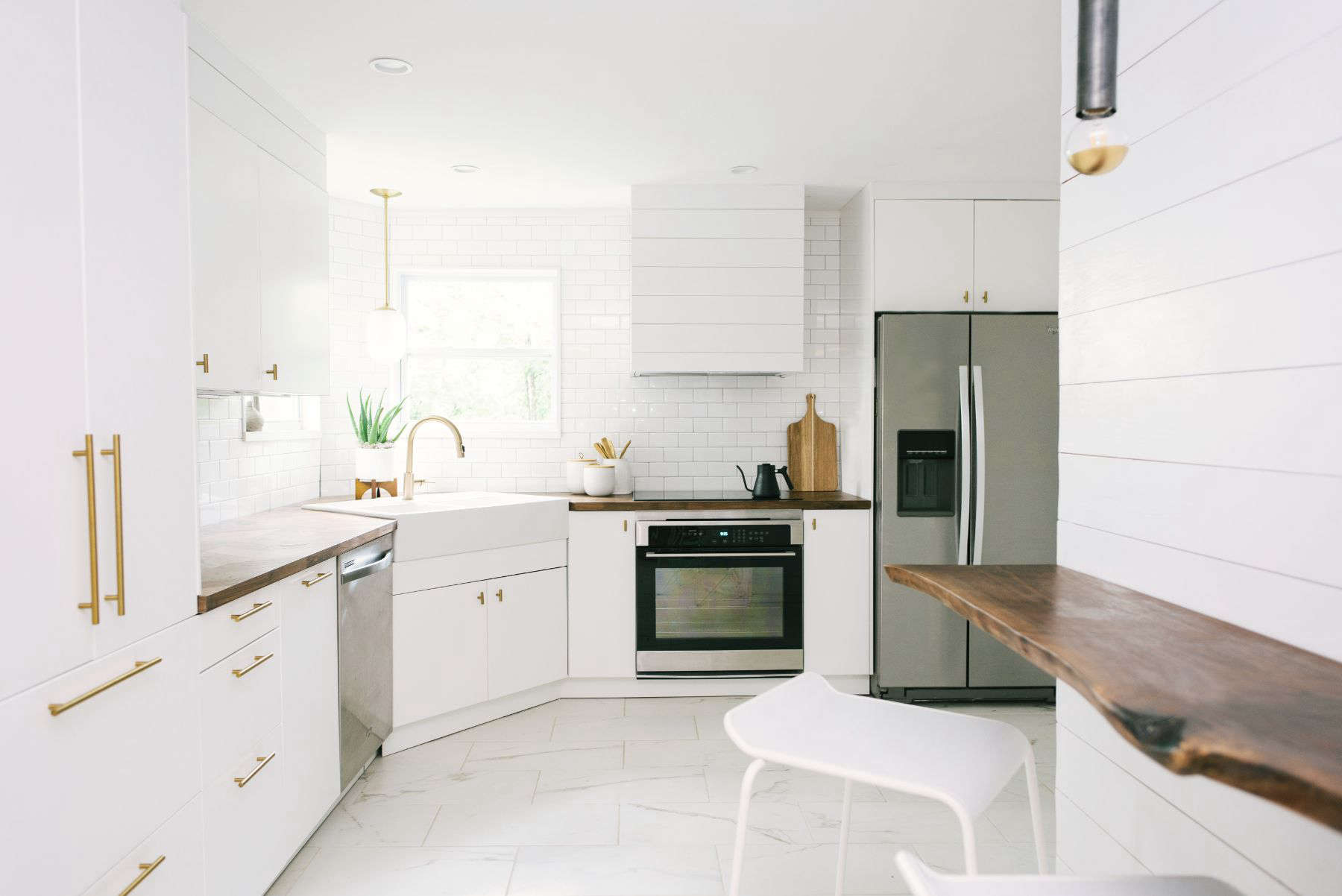
Note: This article is written in original, publish-ready American English and is based on real, practical home-care guidance from reputable U.S. cleaning, safety, energy, and home-improvement sources.
Introduction: A Fresh Home Does Not Need a Fancy Price Tag
A bright, clean home has a special kind of magic. The floors look calmer. The kitchen feels more inviting. The bathroom stops giving off “minor haunted motel” energy. Best of all, you do not need a luxury renovation budget, a professional organizing crew, or a cart full of expensive specialty sprays to make your space feel fresh.
The truth is simple: “bright and clean on a budget” is less about buying more and more about using smarter habits, affordable tools, better light, less clutter, and safe cleaning routines. A sparkling home usually comes from three things working together: surfaces that are actually clean, rooms that reflect light well, and storage systems that prevent everyday mess from staging a dramatic comeback by lunchtime.
This guide breaks down practical ways to refresh your home without draining your wallet. We will cover low-cost cleaning supplies, room-by-room strategies, budget lighting tricks, clutter control, safety mistakes to avoid, and real-life experience tips that make the whole process easier. Think of it as a home glow-up plan with fewer receipts and fewer mystery bottles under the sink.
What “Bright & Clean on a Budget” Really Means
A bright and clean home is not necessarily spotless in a showroom way. Real homes have shoes by the door, crumbs near the toaster, laundry that occasionally develops a personality, and one drawer nobody should open without emotional preparation. The goal is not perfection. The goal is a home that feels healthier, lighter, easier to maintain, and pleasant to live in.
Bright Means More Than Light Bulbs
Brightness comes from natural light, clean windows, reflective surfaces, uncluttered rooms, pale or balanced colors, and strategic lamps. A room can feel dark not because it lacks windows, but because furniture blocks the light, dusty blinds dull the glow, or too many items absorb visual space.
Clean Means More Than Strong Chemicals
Clean does not always mean disinfected, perfumed, bleached, or aggressively lemon-scented. In most everyday situations, basic cleaning with soap or detergent removes dirt, dust, grease, and many germs. Disinfecting is most useful when someone is sick, after raw meat contact, or on high-touch surfaces during illness. Translation: your coffee table probably does not need to smell like a swimming pool every Tuesday.
Budget Means Strategic, Not Cheap-Looking
Budget-friendly home care means spending where it matters and skipping what does not. A few microfiber cloths, dish soap, baking soda, vinegar used carefully, a reusable mop head, LED bulbs, and smart storage bins can do more for your home than a cabinet full of single-purpose products with dramatic labels.
The Budget Cleaning Kit That Actually Works
Before buying anything, check what you already own. Most homes have half-used cleaners, forgotten sponges, and at least one spray bottle hiding behind something suspicious. Start by simplifying. A lean cleaning kit saves money, space, and confusion.
Affordable Essentials
A practical budget cleaning kit can include microfiber cloths, a scrub brush, a non-scratch sponge, dish soap, baking soda, white vinegar, a reusable mop, a bucket, rubber gloves, a toilet brush, trash bags, and an all-purpose cleaner. If you prefer store-bought products, look for multi-surface formulas that match your surfaces instead of buying a separate cleaner for every countertop, appliance, and corner of existence.
Microfiber cloths are especially useful because they can be washed and reused. Use different colors or assign cloths by room so the bathroom cloth does not accidentally become the kitchen cloth. Nobody wants that plot twist.
Where to Spend a Little More
Some upgrades are worth it. A good squeegee can make windows and shower glass easier to clean. A sturdy mop with washable pads saves money over disposable refills. A quality vacuum filter or replacement bag can improve performance. LED bulbs may cost more upfront than old-style bulbs, but they last longer and use less energy, making them a smart budget decision over time.
Clean First, Then Make It Shine
The biggest cleaning mistake is trying to shine a dirty surface. Dust, grease, soap scum, and crumbs block the result. Always remove loose debris first, then wash, then polish or disinfect if needed.
Use the Top-to-Bottom Rule
Clean from high to low. Dust ceiling fans, shelves, upper cabinets, and window frames before wiping tables or vacuuming floors. Gravity is very reliable; unfortunately, it is not polite. If you vacuum first and dust later, you are basically giving the floor an encore performance.
Let Cleaners Sit
Many people spray and wipe too quickly. Give soap-based cleaners a short dwell time on greasy or grimy areas. This allows the cleaner to loosen dirt, which means less scrubbing and less product. For disinfectants, follow the label exactly, including contact time and ventilation instructions.
Do Not Overuse Product
More cleaner does not always mean more clean. Too much product can leave residue that attracts dust and makes floors sticky. Use the amount recommended on the label. Your surfaces should not feel like they are wearing hair gel.
Room-by-Room Budget Cleaning Strategy
Kitchen: Attack Grease Without Attacking Your Wallet
The kitchen gets dirty because it works hard. Start with the sink, counters, stovetop, microwave, and refrigerator handles. Warm water and dish soap handle many greasy jobs. Baking soda can help with gentle scrubbing on suitable surfaces. For microwaves, heat a bowl of water with a little lemon juice or vinegar, let steam loosen the splatter, then wipe carefully.
Keep counters clearer by creating zones: coffee zone, prep zone, cooking zone, and drop zone. When every item has a place, the kitchen looks brighter before you even clean it.
Bathroom: Small Room, Big Impact
Bathrooms feel cleaner fast when mirrors, faucets, counters, toilet surfaces, and floors are handled regularly. Use a squeegee after showers to reduce water spots and soap scum. Keep a small basket for daily toiletries so the counter does not become a museum of toothpaste, moisturizer, and mystery caps.
For glass shower doors, regular light cleaning is easier than occasional heroic scrubbing. Use proper ventilation and avoid mixing products. Vinegar can help with mineral buildup on some surfaces, but it should never be combined with bleach.
Living Room: Remove Visual Noise
The living room often looks messy because of visual clutter rather than actual dirt. Clear coffee tables, fold blankets, fluff pillows, dust electronics, and remove items that migrated from other rooms. A ten-minute reset can transform the space.
To brighten the room, clean windows, open curtains, place mirrors opposite or near light sources, and use lamps in dark corners. If your living room still feels heavy, try rearranging furniture so natural light is not blocked.
Bedroom: Make It Calm, Not Complicated
A clean bedroom starts with the bed. Making the bed instantly makes the room look more organized, even if a laundry basket is silently judging you from the corner. Clear nightstands, put clothes away, and dust lampshades and baseboards.
Use under-bed storage carefully. It can be helpful, but it can also become a secret basement for items you forgot you owned. Store only seasonal clothing, extra linens, or clearly labeled items.
Entryway: Stop Dirt at the Door
The cheapest cleaning strategy is prevention. A doormat outside and inside the door reduces tracked-in dirt. Add a shoe tray, hooks, and a small basket for keys or mail. A clean entryway makes the whole home feel more controlled because it is the first thing people see, including you when you return home tired and carrying groceries like a competitive sport.
How to Make Your Home Brighter for Less
Clean the Windows
Clean windows make a dramatic difference. Dust the frames and sills first, then wash the glass with a suitable cleaner and a lint-free cloth or squeegee. Natural light is free, so do not let grime charge admission.
Switch to LED Bulbs
LED bulbs use significantly less energy than traditional incandescent bulbs and last longer. Choose warm white bulbs for cozy spaces, daylight bulbs for task areas, and consistent color temperatures in the same room to avoid a mismatched “garage meets hospital hallway” effect.
Use Mirrors Strategically
Mirrors bounce light and create the feeling of more space. Place a mirror across from a window, near a lamp, or behind a decorative arrangement. Thrift stores and discount retailers often have affordable mirrors that only need a quick clean or a fresh frame color.
Choose Light, Washable Textiles
Heavy, dark curtains can make rooms feel smaller and dustier. Try lighter curtains, washable slipcovers, pale pillow covers, or a brighter throw blanket. You do not need to replace everything. One or two lighter accents can shift the mood of the room.
Paint Small Areas for Big Results
If a full paint job is too expensive, focus on high-impact areas: trim, a bathroom vanity, an old shelf, a door, or a small accent wall. Fresh paint can make a space look cleaner even when the furniture stays the same.
Decluttering: The Free Cleaning Upgrade
Decluttering is one of the most powerful budget cleaning tools because it costs nothing and makes every future cleaning session faster. Less stuff means fewer surfaces to dust, fewer piles to move, and fewer things mysteriously ending up on chairs.
Try the 10-Minute Basket Method
Grab a basket and spend ten minutes collecting items that do not belong in the room. Return them to their proper places. Do not start reorganizing your entire life. That is how a quick tidy becomes a four-hour identity crisis.
Use the “One Surface” Rule
Choose one surface per day: kitchen counter, bathroom vanity, coffee table, dining table, or nightstand. Clear it, wipe it, and put back only what belongs. Clean surfaces reflect more light and make the whole room feel brighter.
Create Obvious Homes for Daily Items
Keys need a hook. Mail needs a tray. Shoes need a rack. Cleaning supplies need a caddy. When storage is obvious, people are more likely to use it. Complicated systems are cute for about three days, then everyone goes back to dropping things on the nearest horizontal surface.
Budget Cleaning Safety: What Not to Do
Saving money should never mean taking risks with chemicals. Some combinations are dangerous, especially bleach mixed with ammonia, vinegar, or acidic cleaners. Always read labels, ventilate the room, wear gloves when needed, and keep products away from children and pets.
Do Not Mix Cleaners
Mixing products does not create a “super cleaner.” It can create toxic fumes. Use one product at a time, rinse when appropriate, and store chemicals in their original containers.
Test Before You Scrub
Before using vinegar, baking soda, abrasive pads, or stronger cleaners, test a hidden area. Natural stone, unsealed grout, wood finishes, stainless steel, and painted surfaces can be damaged by the wrong product or too much scrubbing.
Ventilation Matters
Open windows, run exhaust fans, and avoid breathing strong fumes. Cleaners should help your home feel fresh, not make your eyes water like you just watched the final scene of a sad movie.
Small Budget Upgrades That Make a Home Feel Cleaner
Some low-cost upgrades create a cleaner look even before deep cleaning begins. Replace stained switch plates, wash or change lampshades, update cabinet knobs, add peel-and-stick hooks, use matching storage baskets, or replace worn bath mats. These changes are affordable and visually powerful.
Focus on High-Touch Details
Door handles, light switches, cabinet pulls, remote controls, and faucet handles collect grime quickly. Cleaning these areas makes a home feel cared for. It also prevents the strange situation where the whole room is clean but the light switch looks like it survived a barbecue festival.
Refresh Soft Surfaces
Wash throw pillow covers, blankets, curtains, and washable rugs. Vacuum upholstery. Sprinkle baking soda on carpets before vacuuming if appropriate for your flooring and vacuum type. Fresh textiles make rooms smell cleaner without relying on heavy artificial fragrance.
A Simple Weekly Bright-and-Clean Routine
A budget-friendly routine works best when it is realistic. Instead of saving all chores for one exhausting day, divide them into small tasks.
Daily: 15 Minutes
Make the bed, wipe kitchen counters, do dishes, return stray items, and sweep high-traffic areas. These small habits prevent mess from becoming a weekend monster.
Weekly: One Hour
Vacuum, mop, clean bathrooms, dust main surfaces, wash towels, clean mirrors, and take out trash. Rotate deeper tasks so you do not have to do everything at once.
Monthly: The Brightness Reset
Clean windows, dust baseboards, wipe cabinet fronts, wash curtains if needed, declutter one closet or drawer, and check bulbs or lampshades. This keeps your home feeling fresh season after season.
of Real-Life Experience: What Actually Works When Money Is Tight
In real life, the best “bright and clean on a budget” strategy is the one you will actually repeat. A perfect cleaning checklist that requires three hours every morning is not a system; it is a fantasy with bullet points. The most useful approach is to build tiny habits that make your home easier to reset.
One of the most effective experiences is starting with light. Before buying décor, clean the windows, open the curtains, dust the blinds, and move anything blocking sunlight. It is surprising how often a room feels gloomy simply because the window area is crowded. A chair, tall plant, or storage bin might be stealing daylight like a tiny furniture villain. Once the light comes in, you may realize the room needs less decorating than you thought.
Another practical lesson: keep cleaning supplies where you use them. A small bathroom caddy with a cloth, mild cleaner, and toilet brush makes quick cleaning painless. A kitchen drawer with microfiber cloths makes spills easier to handle immediately. When supplies are far away, small messes wait. When small messes wait, they invite friends.
Microfiber cloths are a budget hero. Buy a multipack, wash them regularly, and assign them by purpose. Use one for glass, one for dusting, one for counters, and one for messier jobs. This reduces paper towel use and makes cleaning feel less wasteful. Pair them with warm water and a small amount of dish soap, and many everyday messes disappear without needing a specialty spray.
Decluttering also changes everything. A clean room with too much stuff can still feel chaotic. Start with visible surfaces instead of hidden storage. Clear the dining table, coffee table, bathroom counter, and kitchen counter. These areas shape how clean your home feels. Once they are clear, wipe them. That quick shine gives you motivation to continue.
For renters or anyone avoiding expensive updates, removable changes help. Try washable curtains, brighter pillow covers, peel-and-stick hooks, thrifted mirrors, inexpensive lamps, and organized baskets. These are small moves, but together they create a cleaner visual rhythm. The home starts to look intentional instead of accidental.
The biggest experience-based tip is to stop waiting for a full free day. Clean in short rounds. Ten minutes after breakfast. Five minutes before bed. One drawer while coffee brews. A quick bathroom wipe before a shower. These small sessions are less dramatic, but they work. Homes usually do not become messy all at once, and they do not need to be rescued all at once either.
Finally, make the process pleasant. Play music. Open a window. Use a cleaner with a scent you genuinely like, not one that smells like a fake lemon joined a gym. Reward yourself with a clean corner, a candle, or a quiet cup of coffee in the room you just refreshed. A bright, clean home on a budget is not about impressing guests. It is about making daily life feel lighter, calmer, and easier to enjoy.
Conclusion: Clean, Bright, and Still Financially Responsible
You do not need a huge budget to create a home that feels bright, clean, and welcoming. Start with the basics: remove clutter, clean from top to bottom, let natural light in, use safe and simple cleaning products, and spend wisely on reusable tools and efficient lighting. Small improvements add up quickly when they are consistent.
The secret is not buying every trending cleaning gadget or turning your Saturday into a chore marathon. The secret is building a simple system: fewer products, better habits, brighter surfaces, safer routines, and smart upgrades that make your home easier to maintain. With a few microfiber cloths, a little soap, clean windows, thoughtful lighting, and a sense of humor, your home can look refreshed without your budget filing a complaint.