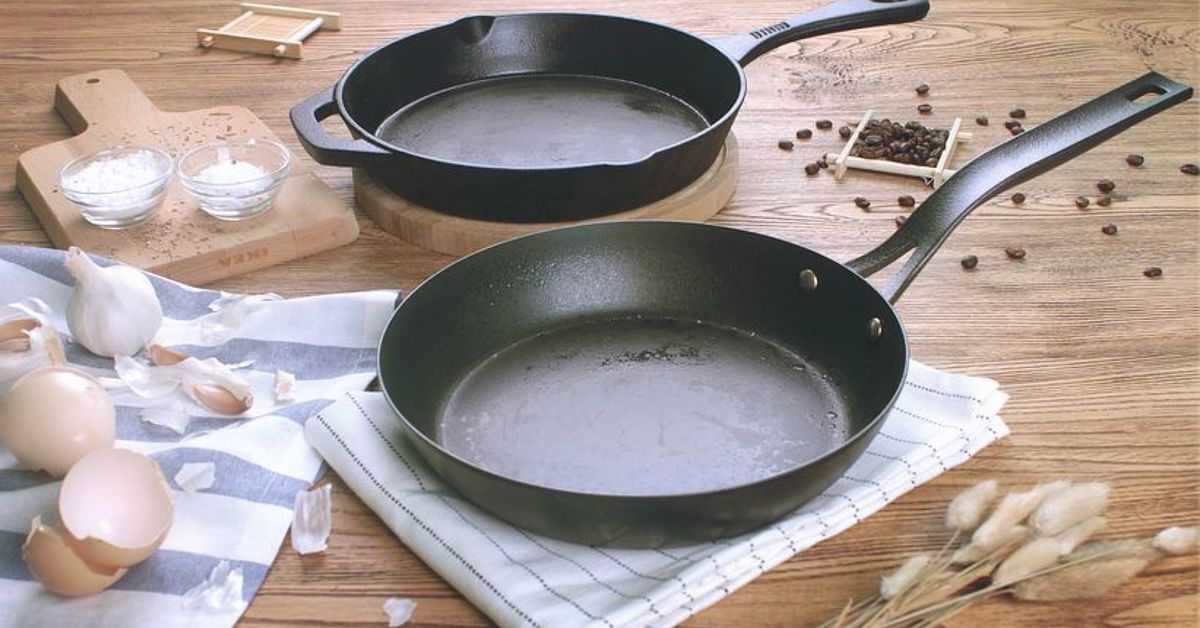
Cast iron has a reputation for being dramatic. People whisper about it like it is a delicate antique violin instead of a skillet that can survive campfires, biscuits, bacon, cornbread, steaks, and at least one family argument about who “ruined the pan.” The truth is far less scary: learning how to clean cast iron is simple once you understand what the pan actually needs.
The “secret” is not a fancy cleaner, a mysterious ritual, or advice from someone’s great-granduncle who allegedly cooked trout in the same skillet for 72 years. The secret is consistency. Clean the pan while food residue is still manageable, remove stuck-on bits without attacking the seasoning, dry it completely, and finish with a whisper-thin layer of oil. That’s it. Four easy steps, no kitchen sorcery required.
This guide explains how to clean a cast iron skillet properly, how to protect the seasoning, when soap is fine, what to do with stubborn messes, and how to avoid the mistakes that lead to rust. Whether your pan is brand-new, inherited, mildly crusty, or emotionally complicated, these four steps will keep it ready for the next batch of crispy potatoes.
Why Cast Iron Cleaning Feels So Confusing
Cast iron care is confusing because everyone has an opinion, and many of those opinions arrive with the confidence of a weather forecast during a hurricane. One person says never use soap. Another says always use soap. Someone else suggests salt, chain mail, baking soda, potatoes, oven seasoning, stovetop drying, or simply “cook more bacon,” which is delicious advice but not always a complete cleaning plan.
The reason cast iron inspires so much debate is that it is different from stainless steel or nonstick cookware. A traditional cast iron pan has a layer of seasoning: oil that has bonded to the metal through heat. This coating helps protect the pan from rust and creates a naturally slick cooking surface over time. When you clean cast iron, your goal is to remove food and moisture while leaving that useful seasoning intact.
Here is the good news: a well-seasoned cast iron skillet is tougher than people think. Mild dish soap will not instantly destroy it. A nylon brush will not send it into retirement. A little stuck-on food does not mean you failed as a cook. The main enemies are long soaking, harsh scrubbing, dishwasher cycles, and leaving the pan wet. In other words, cast iron is not fragile; it is just allergic to neglect.
The Four Easy Steps to Clean Cast Iron
For everyday cleaning, use this four-step method after cooking. It works for skillets, griddles, grill pans, Dutch ovens, and most traditional seasoned cast iron pieces.
Step 1: Wash the Pan While It Is Warm, Not Screaming Hot
Let the cast iron cool slightly after cooking. It should still be warm enough that food residue has not hardened into a fossil, but not so hot that adding water causes dramatic steam or temperature shock. Warm is perfect. Dangerously hot is not a personality trait we need in cookware.
Rinse the pan with warm water and use a sponge, nylon brush, or non-abrasive scrubber to remove food. For normal messes, warm water and gentle scrubbing may be enough. If the pan is greasy, sticky, or smells like last night’s salmon, add a small amount of mild dish soap. Despite the old myth, modern mild dish soap is generally safe for seasoned cast iron when used reasonably. The key word is “mild.” You are washing a skillet, not power-stripping a garage floor.
Avoid soaking the pan in a sink full of water. Cast iron can rust when moisture sits on the surface too long, especially if the seasoning has thin spots. Also avoid the dishwasher. A dishwasher uses prolonged water exposure, strong detergent, and heat in a way that can damage seasoning and invite rust. Hand-washing takes only a minute and saves you from the sadness of discovering orange spots where dinner glory used to be.
Step 2: Scrub Stuck-On Food Without Scraping Away the Seasoning
If food clings to the pan, do not panic. Cast iron has seen worse. Burned cheese, caramelized barbecue sauce, scrambled eggs that got too ambitiousthese are common problems, not skillet emergencies.
For stuck-on bits, sprinkle coarse kosher salt into the pan and add a few drops of warm water to form a gritty paste. Scrub with a sponge, brush, or folded paper towel. The salt acts like a gentle abrasive, helping lift residue without being as aggressive as steel wool. Once the food loosens, rinse the pan clean.
Another helpful trick is simmering a small amount of water in the skillet for a few minutes. This loosens cooked-on food so you can scrape it away with a wooden spatula or plastic pan scraper. After simmering, let the pan cool enough to handle, then wash it as usual. This method is especially useful after searing meat, making cornbread, or cooking anything sugary that turned into edible glue.
Use steel wool only when you are dealing with rust or when you intentionally plan to strip and re-season the pan. For everyday cleaning, steel wool is usually too harsh. Chain-mail scrubbers can be useful for tougher residue, but use them with a light hand. The goal is to remove dinner, not excavate the skillet.
Step 3: Dry the Cast Iron Completely
This is the step that separates happy cast iron owners from people posting blurry photos online asking, “Is this rust?” After washing, dry the pan immediately and thoroughly. Use a clean towel first, then place the skillet on the stovetop over low heat for a few minutes to evaporate hidden moisture.
Cast iron can hold tiny beads of water in corners, pour spouts, handle joints, and textured cooking surfaces. A towel may look like it did the job, but low heat gives you extra insurance. When the pan is dry, it should look clean, matte to slightly glossy, and completely free of water droplets.
Never put a damp cast iron skillet in a cabinet and hope for the best. Hope is lovely in poetry. It is less effective against rust.
Step 4: Rub On a Very Thin Layer of Oil
Once the pan is dry and still slightly warm, apply a small amount of neutral oil. Vegetable oil, canola oil, grapeseed oil, or another neutral cooking oil works well. Add just a few drops, then rub the oil across the cooking surface with a paper towel or lint-free cloth. You can also wipe the exterior lightly if it looks dry.
The most common mistake is using too much oil. Your skillet should not look like it is wearing lip gloss. After oiling, wipe again with a clean part of the towel until the pan looks almost dry. A thin film protects the seasoning and helps keep moisture away. Too much oil can turn sticky, gummy, or patchy during storage.
After oiling, let the pan cool completely before putting it away. Store it in a dry place. If stacking with other cookware, place a paper towel or cloth between pieces to protect the surface and absorb any leftover moisture.
Can You Use Soap on Cast Iron?
Yes, you can use mild dish soap on cast iron. This may sound scandalous if you grew up hearing that soap would ruin the pan, insult your ancestors, and possibly cancel dinner. But modern dish soaps are much milder than the harsh lye-based soaps of the past. A small amount of mild soap will remove grease and food residue without destroying a properly seasoned surface.
That said, soap is not always necessary. If your pan only held cornbread, toast, or roasted vegetables, warm water and a brush may be enough. If it held fish, bacon grease, sticky sauce, or anything with a powerful aroma, soap can be your friend. Use a little, rinse well, dry completely, and oil lightly.
The real rule is not “never use soap.” The better rule is: do not soak cast iron, do not use the dishwasher, do not scrub aggressively unless you are restoring the pan, and do not leave it wet. That sentence does not fit as neatly on a decorative kitchen towel, but it is more accurate.
What Not to Do When Cleaning Cast Iron
Knowing what to avoid is just as important as knowing what to do. Cast iron is durable, but bad habits can make it sticky, rusty, or unevenly seasoned.
Do Not Soak It Overnight
Leaving cast iron in water for hours can cause rust, especially around thin seasoning spots. If you need to loosen food, simmer water briefly in the pan instead of soaking it in the sink.
Do Not Put It in the Dishwasher
The dishwasher is convenient for many things. Cast iron is not one of them. Dishwasher detergent, long water exposure, and heat can strip seasoning and encourage rust. Hand-washing is faster than repairing the damage.
Do Not Store Food in Cast Iron
After cooking, move leftovers to a storage container. Acidic foods like tomato sauce, vinegar-heavy dishes, or citrusy marinades can affect the seasoning if left in the pan too long. Even non-acidic foods can trap moisture against the surface.
Do Not Use Too Much Oil After Cleaning
A heavy coat of oil can become sticky. Cast iron likes a light protective layer, not a spa treatment. Apply a small amount and wipe away the excess.
Do Not Panic Over Small Rust Spots
Rust does not mean your pan is ruined. Scrub the rusty area with a stiff brush or steel wool, wash, dry thoroughly, apply oil, and heat the pan to help rebuild protection. For heavier rust, you may need a full re-seasoning session, but most surface rust is fixable.
How to Handle Common Cast Iron Cleaning Problems
The Pan Feels Sticky
Stickiness usually means too much oil was left on the pan or the oil did not fully bond through heat. Wash the skillet with warm water and mild soap, scrub gently, dry it well, then heat it on the stovetop. Apply a very thin layer of oil and wipe it almost dry.
The Pan Smells Like Fish or Garlic
Wash the pan with warm water and mild soap, then dry it completely. If the smell lingers, sprinkle salt over the surface and let it sit for a while before rinsing and drying. Heating the dry pan briefly can also help release leftover odors.
Food Keeps Sticking
Sometimes the cleaning method is not the problem; the cooking method is. Preheat cast iron gradually, use enough fat, and avoid moving delicate foods too early. Eggs, fish, and pancakes need a well-heated, well-oiled surface. A clean pan with a thin, even seasoning layer performs better over time.
The Skillet Looks Dull
A dull finish can happen after washing, especially if the pan is newer. Dry it fully, rub on a small amount of oil, and keep cooking with it. Cast iron seasoning improves through repeated use, especially when you cook with fats and oils.
There Is Black Residue on the Towel
A little dark residue can come from oil, seasoning, or loosened carbon. If the pan is leaving a lot of black residue, wash it more thoroughly with warm water and mild soap, scrub gently, dry, and oil lightly. Avoid leaving thick layers of oil or burned food behind.
How Often Should You Season Cast Iron?
You do not need to perform a full oven-seasoning ritual after every wash. For everyday care, the four-step clean-dry-oil method is enough. Full seasoning is useful when the pan looks patchy, food sticks more than usual, rust appears, or you have stripped the surface during restoration.
To re-season in the oven, wash and dry the pan, rub it all over with a thin layer of neutral oil, wipe off the excess, and bake it upside down at a high temperature according to the cookware manufacturer’s recommendations. Place a sheet pan or foil below to catch drips. Let the pan cool in the oven. Again, thin oil layers are better than thick ones.
But for daily life, do not overcomplicate it. Cook, wash, dry, oil, repeat. Cast iron rewards routine more than perfection.
Best Tools for Cleaning Cast Iron
You do not need a drawer full of specialized gadgets, but a few tools make cast iron cleaning easier.
- Nylon brush: Great for everyday scrubbing without being too rough.
- Non-scratch sponge: Useful for soap-and-water cleaning.
- Plastic pan scraper: Perfect for stuck-on food after simmering water.
- Coarse kosher salt: Works as a gentle abrasive for stubborn residue.
- Paper towels or lint-free cloths: Helpful for drying and oiling.
- Neutral oil: Protects the surface after cleaning.
- Chain-mail scrubber: Optional, useful for tough messes when used carefully.
Skip harsh scouring powders for routine cleaning. Also be careful with strongly scented soaps if you are sensitive to lingering fragrance. Your skillet should smell like dinner, not a lavender car wash.
A Simple Cleaning Routine After Different Meals
After Bacon or Sausage
Pour off excess grease into a safe container, wipe out loose bits, wash with warm water and a little soap if needed, dry on the stove, and oil lightly. Bacon helps build seasoning, but burned bacon bits do not need to become permanent residents.
After Cornbread
Usually, a quick wipe or rinse is enough. If crumbs stick, use warm water and a soft brush. Dry thoroughly and oil lightly.
After Steak
Let the pan cool slightly, then rinse with warm water. Use a scraper or salt paste for browned bits. Dry on low heat and oil the surface.
After Saucy or Sticky Foods
Add a little water to the pan and simmer briefly to loosen residue. Scrape gently, wash with mild soap if needed, dry completely, and oil.
Experience Notes: What Real Cast Iron Care Teaches You Over Time
After using cast iron regularly, you start to realize that the pan is less like a fragile heirloom and more like a reliable old truck. It does not need pampering, but it does appreciate maintenance. The more often you clean it correctly, the less effort each cleaning takes.
One of the biggest lessons is to clean the skillet soon after cooking. Waiting until the next morning turns easy residue into a stubborn project. A warm pan with fresh food bits usually cleans in under two minutes. A cold pan with dried cheese, sauce, or egg can make you question your life choices before breakfast.
Another practical lesson is that water temperature matters. Warm water helps loosen grease and food. Cold water can make fat cling stubbornly, while adding cold water to a blazing hot pan can create steam and stress. Let the skillet cool until it is safe, then use warm water and steady scrubbing.
You also learn that less oil is better after cleaning. Beginners often apply a generous layer because shiny feels safe. Unfortunately, too much oil can become tacky. The best finish comes from rubbing on a tiny amount and wiping until the pan looks barely coated. If you can see oil pooling, keep wiping.
The salt scrub method becomes especially useful once you stop treating it like a magic spell and start using it as a tool. Coarse salt is excellent for stuck-on bits, but it is not necessary every single time. If the pan rinses clean with a brush, save the salt. Cast iron care should be efficient, not ceremonial.
Drying on the stovetop is another habit worth building. Even when a towel seems to dry the pan, low heat removes moisture you cannot see. This is especially helpful in humid kitchens or when the skillet has pour spouts, ridges, or rough texture. A few minutes of heat can prevent days of rust regret.
Experience also teaches that seasoning is a long game. A brand-new skillet may not feel perfectly nonstick, even when cleaned correctly. With repeated cooking, washing, drying, and oiling, the surface becomes smoother and more reliable. Frying eggs in a new pan may be ambitious. Roasting potatoes, searing meat, baking cornbread, and sautéing vegetables are friendlier early projects.
Finally, you learn not to panic. A sticky patch, a dull spot, or a tiny rust mark is not a disaster. Cast iron is forgiving. Scrub it, dry it, oil it, heat it, and keep cooking. The best cast iron skillets are not spotless museum pieces. They are hardworking kitchen tools with history, character, and probably a little memory of last Sunday’s fried potatoes.
Conclusion
The secret of how to clean cast iron in four easy steps is wonderfully simple: wash it by hand, remove stuck-on food gently, dry it completely, and protect it with a thin layer of oil. That routine keeps the seasoning healthy, prevents rust, and makes the skillet easier to use every time you cook.
Cast iron does not require fear. It requires follow-through. Mild soap is fine when needed. Salt is helpful for stubborn messes. Stovetop drying is your best defense against rust. A tiny amount of oil keeps the surface ready for the next meal. Treat your skillet with steady care, and it can reward you for decades with crisp edges, golden crusts, and the kind of cooking confidence no flimsy pan can fake.