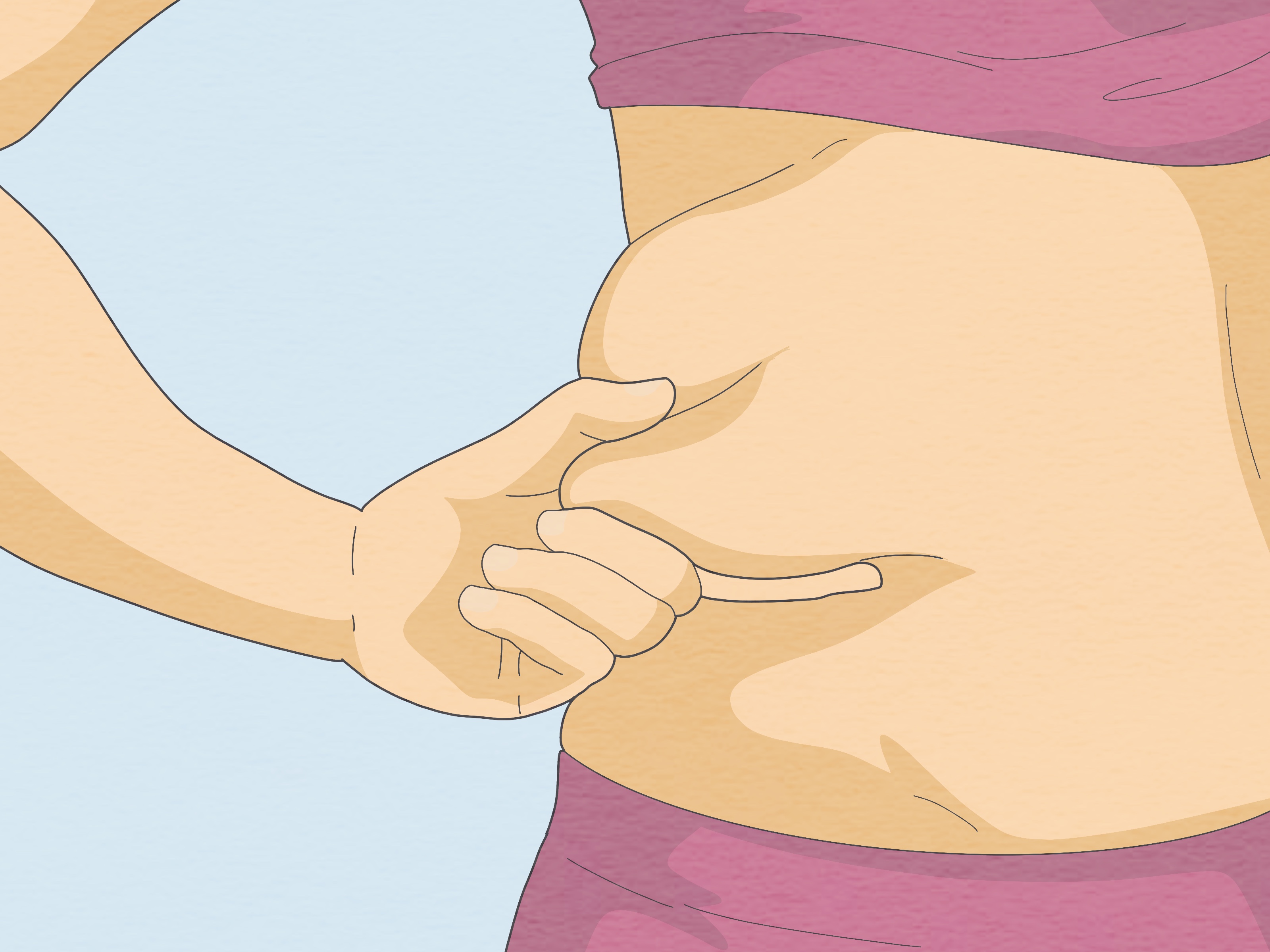
Let’s get one thing straight right away: back rolls are common, normal, and not a sign that your body has personally declared war on your favorite T-shirt. Skin folds, body-fat distribution, posture, bra bands, clothing fit, muscle tone, and genetics can all make them more noticeable. So if you’re wondering how to get rid of back rolls, the answer is not a magic tea, a thousand side bends, or some suspicious “melt fat fast” gimmick from the internet’s weird corner.
The real answer is much less dramatic and much more effective: improve your overall body composition with a mix of strength training, smart nutrition, daily movement, better sleep, and consistency that lasts longer than a weekend. Glamorous? Not exactly. Effective? Absolutely.
This guide breaks down the real causes of back rolls, the best exercises to improve muscle tone in your upper back and core, and diet tips that help you make progress without turning your life into a joyless salad documentary. The goal is not perfection. The goal is feeling stronger, healthier, and more comfortable in your body.
What Causes Back Rolls?
Back rolls usually come from a combination of factors, not one single villain in a black cape.
1. Natural fat distribution
Your body decides where it stores fat based on genetics, hormones, sex, age, and other biological factors. Some people carry more fat around the waist and upper back. Others store more in the hips or thighs. In other words, your body did not consult your fashion preferences before choosing a storage plan.
2. Overall body-fat level
If you are carrying more body fat overall, folds around the back, sides, and waist may become more visible. This does not mean anything is “wrong.” It simply means fat is being stored there along with other areas of the body. Reducing body fat overall can make back rolls less prominent over time.
3. Posture and muscle tone
Rounded shoulders, a hunched upper back, and weak postural muscles can make the upper back look softer or more compressed. Even when body fat does not change much, improving posture and building the upper back can create a smoother, stronger-looking silhouette.
4. Age and hormonal shifts
As people get older, body composition often changes. Muscle mass may decline if strength training is neglected, and fat storage patterns can shift. Hormonal changes, including those that happen around menopause, can also influence where fat is stored.
5. Sedentary habits
Long hours of sitting, low daily movement, and minimal resistance training can make it easier to lose muscle tone and harder to maintain a healthy body composition. Translation: your chair might be more committed to your back than your dumbbells are.
6. Sleep, stress, medications, and health conditions
Chronic stress, poor sleep, some medications, and certain health conditions can all affect appetite, energy, metabolism, and weight patterns. If your body has changed quickly or unexpectedly, it may be worth talking with a healthcare professional instead of blaming your lunch.
Can You Spot-Reduce Back Rolls?
Here’s the honest truth: doing back exercises can strengthen and shape the muscles underneath the area, but they usually do not make fat disappear from that exact spot first. Fat loss tends to happen more broadly across the body. That means endless “back fat workouts” are not useless, but they work best when paired with overall fat-loss habits and full-body training.
Think of it this way: rows, pulldowns, and reverse flys can absolutely improve the way your back looks. They just work better as part of a bigger plan that includes nutrition, cardio, daily movement, and recovery.
The Best Exercises for Back Rolls
If your goal is to make back rolls less noticeable, you want a training plan that does two things at once: burns energy through regular activity and builds muscle in the back, shoulders, chest, and core. That combination improves posture, supports fat loss, and gives the upper body a firmer look.
1. Dumbbell Rows or Resistance-Band Rows
This is one of the most useful moves for building the mid-back. Rows train the muscles that help pull your shoulders back and improve posture. They also make you feel like a serious athlete even if you are using soup cans in your living room.
How to do it: Hinge at the hips, keep your spine neutral, pull the weight or band toward your ribcage, and squeeze your shoulder blades together. Lower slowly. Aim for 2 to 4 sets of 8 to 15 reps.
2. Reverse Flys
Reverse flys target the rear shoulders and upper back, two areas that help create a more lifted, open posture. These are especially helpful for people who spend hours at a desk.
How to do it: Hold light dumbbells, hinge forward slightly, and raise the arms out to the sides with control. Keep the movement smooth instead of flinging the weights like you are trying to summon a helicopter.
3. Lat Pulldowns or Band Pulldowns
Your lats are large back muscles that help create width and shape through the upper torso. Strengthening them can contribute to a more defined back appearance.
How to do it: Pull the bar or band down toward your upper chest while keeping your shoulders away from your ears. Focus on using your back rather than just your arms.
4. Push-Ups or Incline Push-Ups
Push-ups are not just for the chest. They also engage the shoulders, arms, and core, which helps improve upper-body strength and posture. If floor push-ups are too tough, do them on a bench, wall, or countertop.
5. Dead Bugs and Bird Dogs
Core work matters because your core supports posture and trunk stability. Dead bugs and bird dogs train that stability without forcing your neck to hate you.
How to do it: Move slowly, keep your ribs down, and focus on controlled breathing. These are not flashy, but they are excellent.
6. Side Planks
Side planks strengthen the obliques and deep core muscles. They will not “erase” fat from your sides, but they can improve trunk strength and definition as overall body composition changes.
7. Brisk Walking, Cycling, Rowing, or Swimming
Cardio helps increase calorie burn, supports heart health, and complements strength work. Choose something you can actually stick with. The best cardio plan is the one you do often enough that your sneakers stop feeling emotionally neglected.
A Simple Weekly Workout Plan
You do not need a military-style fitness schedule to make progress. A realistic routine is usually better than an extreme one that lasts six days and dies on day seven.
Option for beginners
- 3 days per week: Full-body strength training
- 5 days per week: 20 to 30 minutes of brisk walking or other cardio
- Daily: Short movement breaks, posture checks, and general activity
Sample strength workout
- Rows: 3 sets of 10 to 12
- Reverse flys: 3 sets of 12 to 15
- Push-ups or incline push-ups: 3 sets of 8 to 12
- Bird dogs: 3 sets of 8 per side
- Side planks: 2 to 3 rounds per side
- Bodyweight squats or glute bridges: 3 sets of 10 to 15
Why include lower-body work if you care about back rolls? Because full-body strength training is more efficient, burns more energy, builds more muscle, and makes your body stronger as a whole. Your back is part of a team, not a solo act.
Diet Tips That Actually Help
If exercise is the engine, nutrition is the steering wheel. You cannot outrun chaotic eating habits forever, and you definitely cannot out-row a daily parade of liquid calories and random snack attacks.
1. Build meals around protein
Protein helps support muscle maintenance, especially when you are strength training. It also tends to be more filling than ultra-processed snack foods. Good options include eggs, Greek yogurt, chicken, fish, tofu, beans, lentils, edamame, cottage cheese, and lean cuts of meat.
A simple rule: try to include a protein source every time you eat. That one habit alone can make meals more satisfying and help prevent the “I am somehow starving again” situation an hour later.
2. Eat more fiber-rich foods
Fiber helps with fullness, digestion, and overall diet quality. Focus on vegetables, fruits, beans, lentils, oats, whole grains, nuts, and seeds. If your current fiber intake is low, increase it gradually and drink enough fluids. Going from zero to mountain-goat levels of fiber overnight can backfire in the digestive department.
3. Choose mostly whole or minimally processed foods
You do not need to eat like a wellness monk. But making most meals from foods that look like actual food helps. Think fruit instead of fruit candy, potatoes instead of mystery chips, oatmeal instead of frosting with a side of cereal, and grilled protein instead of fried everything forever.
4. Watch liquid calories
Sodas, sweet coffees, oversized smoothies, alcohol, and sugary energy drinks can add calories fast without making you feel very full. You do not need to swear eternal loyalty to plain water, but being more intentional with beverages can make a real difference.
5. Use a balanced plate method
A practical meal structure is easier to follow than a complicated diet plan. Try this:
- Half the plate: vegetables and fruit
- One quarter: lean protein
- One quarter: whole grains or starchy vegetables
- Add a small amount of healthy fat, such as olive oil, nuts, seeds, or avocado
6. Do not slash calories too hard
Crash diets can leave you hungry, tired, cranky, and more likely to overeat later. Sustainable progress usually comes from consistent habits, not punishment. If your plan makes you fantasize about eating six bagels in a parking lot, it may need revision.
7. Keep regular meal patterns
Some people do fine with three meals a day. Others feel better with meals plus a snack. The point is consistency. Long gaps without eating can trigger overeating later, especially if sleep and stress are already messy.
Do Sleep and Stress Matter?
Very much. Sleep and stress are the underrated side characters that quietly run half the plot.
Poor sleep can increase hunger, cravings, low energy, and mindless snacking. High stress can push people toward comfort eating, irregular meals, and all-or-nothing thinking. If your workouts are solid but your recovery is chaos, progress often slows down.
For adults, aiming for seven to nine hours of sleep is a smart target. Stress management can be boring but powerful: walking, journaling, breathing exercises, stretching, therapy, prayer, talking with friends, or just putting your phone down before midnight like it owes you money.
How Long Does It Take to See Results?
This is the part nobody loves, but everybody needs: it takes time. Visible changes in the back often happen gradually. Many people notice improved posture, better upper-body strength, and clothes fitting differently before they see dramatic visual changes.
A realistic expectation is that noticeable improvements often come after several weeks of consistent training and eating habits, with bigger changes taking a few months or more. The exact timeline depends on your starting point, genetics, sleep, stress, hormones, age, and how consistent your routine really is. “Mostly good Monday through Thursday” and “weekend gremlin mode” tends to slow things down.
Common Mistakes to Avoid
- Doing only back exercises: Build the whole body, not just one area.
- Relying on random detoxes: Your liver already has a job. Let it work.
- Ignoring posture: Better alignment can instantly improve appearance.
- Skipping strength training: Muscle matters for shape, posture, and long-term body composition.
- Underestimating snacks and drinks: Tiny extras add up.
- Being too aggressive: Extreme plans often create extreme rebounds.
- Expecting perfect progress: Real progress is usually lumpy, not linear.
When to Talk to a Professional
If you have rapid weight changes, major fatigue, irregular periods, chronic pain, trouble sleeping, or suspect a medication or medical condition may be affecting your weight, talk with a healthcare professional. A registered dietitian can also help you build a realistic eating plan without the nonsense, guilt, or food drama.
If you are a teenager, still growing, or have a history of disordered eating, focus on health, strength, energy, and everyday habits instead of aggressive fat-loss tactics. In those situations, personalized guidance matters a lot more than internet shortcuts.
Extra Experiences and Real-World Lessons
People who work on reducing back rolls often describe the process in ways that are more interesting than “I lost X pounds.” One common experience is realizing that posture changes the look of the back almost immediately. When someone starts doing rows, reverse flys, and core work consistently, they often stand taller without thinking about it. Their shoulders stop rounding forward so much, their chest opens up, and shirts hang a little differently. No miracle happened overnight, but the body starts looking more organized, stronger, and less compressed.
Another common experience is that the first progress is often felt before it is seen. People notice they can carry groceries more easily, sit with less upper-back tension, or get through workouts without feeling wiped out. They may not see dramatic changes in the mirror during the first few weeks, but they notice better control, better endurance, and less stiffness from desk work. That matters, because visible body changes tend to follow consistent habits, not the other way around.
Food experiences matter too. Many people discover that their appetite becomes easier to manage when breakfast and lunch include enough protein and fiber. A breakfast of sugary cereal may leave someone hunting for snacks by 10:30, while eggs with fruit and oatmeal, or Greek yogurt with berries and nuts, can keep them satisfied much longer. They also learn that “healthy eating” is easier when it is convenient. Washed fruit, chopped vegetables, cooked rice, beans, and a solid protein source in the fridge can prevent a lot of last-minute takeout decisions.
There is usually a mental shift as well. At first, some people focus only on the specific body part they want to change. Over time, the smarter approach wins: build habits that improve the whole system. That means walking more, lifting regularly, sleeping better, lowering stress, and eating in a way that supports energy instead of guilt. Ironically, when people stop obsessing over one fold of skin and start caring about strength and routine, they often make better progress.
Many people also report that progress is annoyingly non-linear. One week, they feel leaner and stronger. The next week, they feel puffy, bloated, or frustrated. That does not mean the plan stopped working. Body weight and body image can fluctuate because of sodium intake, hormones, soreness, sleep, stress, travel, and digestion. The people who succeed are usually not the ones who feel motivated every day. They are the ones who keep showing up even when the mirror is being dramatic.
Finally, one of the most useful experiences people share is this: the goal changes. At first, it is “I want to get rid of back rolls.” Later, it becomes “I like feeling strong,” “my posture is better,” “my clothes fit better,” or “I have more control over my eating.” That shift is powerful because it creates habits you can actually live with. And those habits, boring as they may seem compared with flashy fitness promises, are usually what create the lasting changes people wanted in the first place.
Final Takeaway
If you want to get rid of back rolls, the healthiest strategy is not punishment. It is a steady plan built on full-body strength training, regular cardio, smarter meals, better sleep, and patience. Back rolls are usually a normal combination of fat distribution, posture, muscle tone, and biology. You do not need to hate your body into changing. You need a realistic routine that helps it get stronger, leaner, and healthier over time.
So no, you do not need 400 side bends and a blender full of sadness. You need consistency, a little strategy, and the willingness to keep going long enough for good habits to do their job.