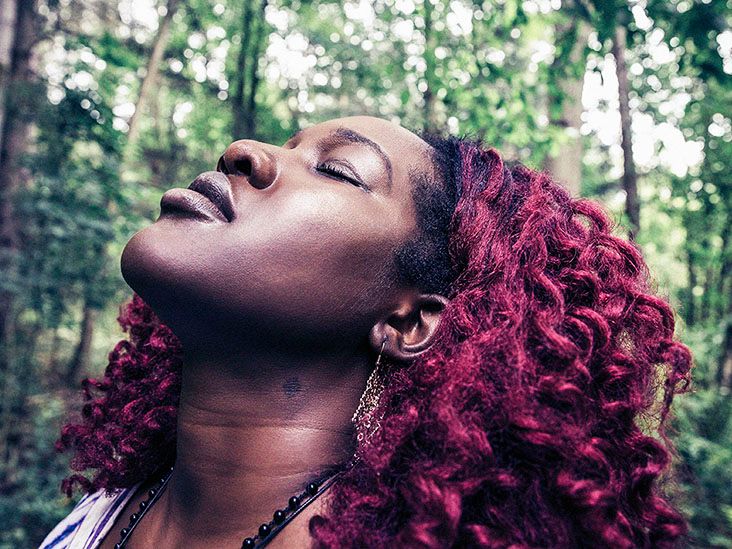
Choosing a meditation style can feel a little like standing in the cereal aisle: everything promises peace, focus, better mornings, and possibly a brand-new personality by Tuesday. But meditation is not one-size-fits-all. Some people love sitting quietly with their breath. Others would rather organize a junk drawer with tweezers than sit still for 20 minutes. The good news? Both people can meditate.
Meditation is a broad family of mind-body practices that train attention, awareness, emotional balance, and relaxation. Some types of meditation are quiet and still. Others involve movement, repeated phrases, visualization, prayer, compassion, or a guided voice telling your brain to stop acting like a browser with 47 tabs open.
So, what is the best type of meditation for you? The honest answer is: the one you will actually practice. The more useful answer is: it depends on your goals, personality, stress level, health needs, and tolerance for silence. This guide breaks down eight popular types of meditation, who they work best for, how to start, and how to choose a style that fits your real lifenot your imaginary wellness-influencer life where laundry folds itself.
What Is Meditation, Really?
Meditation is the practice of focusing the mind in a deliberate way. That focus may be on the breath, a word, a sound, a body sensation, a visual image, a movement, or a spiritual idea. When the mind wandersand it will, because minds wander like golden retrievers in an open fieldyou gently bring your attention back.
The goal is not to “empty your mind.” That phrase has discouraged more beginners than a yoga class taught entirely in Sanskrit. A more realistic goal is to notice what your mind is doing without instantly reacting to it. Over time, meditation may support stress management, emotional regulation, sleep quality, attention, self-awareness, and a calmer relationship with everyday chaos.
Benefits of Meditation: Why People Keep Coming Back
People try meditation for many reasons: stress relief, anxiety support, better focus, spiritual growth, emotional healing, pain management, or simply because yelling into a pillow has scheduling limitations. Research suggests that meditation and mindfulness practices may help reduce stress, support mood, improve attention, promote relaxation, and complement conventional care for some health conditions.
Meditation is not magic, and it is not a replacement for medical treatment, therapy, sleep, exercise, or a reasonable relationship with caffeine. But when used consistently, it can become a practical mental fitness tool. Think of it as brushing your mind’s teeth: not glamorous, but surprisingly important.
Eight Types of Meditation and Who They Are Best For
Below are eight common meditation styles. You do not need to master all of them. In fact, please do not turn meditation into another productivity contest. Read through the options, choose one or two that sound approachable, and start small.
1. Mindfulness Meditation
Best for: beginners, stress relief, emotional awareness, overthinkers, and people who want a simple daily practice.
Mindfulness meditation is one of the most widely practiced and studied forms of meditation in the United States. It involves paying attention to the present moment with openness and without harsh judgment. You may focus on your breath, sounds, thoughts, emotions, or body sensations.
The key skill is noticing. You notice the inhale. You notice the exhale. You notice that your brain is suddenly replaying an embarrassing conversation from 2014. Then, instead of following that mental soap opera, you return to the breath.
Mindfulness meditation can be especially helpful if your mind tends to live in the future, planning disasters that have not happened yet. By bringing attention back to the present, mindfulness may reduce rumination and help you respond rather than react.
How to try it: Sit comfortably. Set a timer for five minutes. Focus on your breathing. When your mind wanders, gently return to the breath. Repeat until the timer ends. Congratulationsyou meditated, even if your brain spent half the time thinking about tacos.
2. Breath Awareness Meditation
Best for: anxiety, quick calming, beginners, busy schedules, and people who like clear instructions.
Breath awareness meditation is exactly what it sounds like: you focus on breathing. Unlike some breathing exercises that require a special rhythm, this practice can be as simple as observing the natural breath moving in and out of the body.
This type of meditation is popular because the breath is always available. No app, cushion, candle, robe, gong, or dramatic mountain sunrise required. You can practice before a meeting, in bed, after a stressful phone call, or while waiting for your computer to update at the speed of geological erosion.
Breath awareness helps anchor attention. When your nervous system feels activated, returning to slow, steady breathing can create a sense of stability. It is not about forcing yourself to calm down. It is about giving the mind one steady place to land.
How to try it: Inhale naturally. Exhale naturally. Notice where the breath is easiest to feelnostrils, chest, belly, or ribs. Count each exhale from one to ten, then start again. If you lose count, simply begin at one. No penalties. This is meditation, not tax law.
3. Body Scan Meditation
Best for: sleep support, physical tension, chronic stress, body awareness, and people who feel disconnected from their bodies.
Body scan meditation guides attention slowly through different parts of the body. You may begin at the toes and move upward, or start at the head and move downward. The purpose is to notice sensations without needing to fix them immediately.
This practice can reveal how much tension we carry without realizing it. Jaw clenched? Shoulders auditioning for the role of “earrings”? Hands curled like you are gripping an invisible steering wheel? The body scan helps you notice those patterns and soften them.
Body scan meditation is often used in mindfulness-based stress reduction programs and relaxation routines. It can be especially useful before sleep because it gently shifts attention away from racing thoughts and toward physical awareness.
How to try it: Lie down or sit comfortably. Bring attention to your feet. Notice warmth, pressure, tingling, heaviness, or nothing at all. Move slowly through ankles, calves, knees, thighs, hips, belly, chest, hands, arms, shoulders, neck, face, and head. If you fall asleep, your body has voted.
4. Loving-Kindness Meditation
Best for: self-criticism, resentment, emotional healing, compassion, relationship stress, and people who are very hard on themselves.
Loving-kindness meditation, also called metta meditation, focuses on cultivating goodwill toward yourself and others. The practice often uses repeated phrases such as “May I be safe,” “May I be healthy,” “May I live with ease,” or “May you be peaceful.”
For some people, this feels warm and comforting. For others, it feels awkward at first, like writing a Valentine’s Day card to your own nervous system. That is normal. Loving-kindness meditation can be surprisingly powerful precisely because many people are not used to speaking to themselves with patience.
This style may be helpful when your inner critic has become a full-time sports commentator. Instead of trying to defeat negative thoughts with more criticism, loving-kindness meditation trains a gentler mental habit.
How to try it: Sit quietly. Begin with yourself: “May I be safe. May I be calm. May I be healthy. May I live with ease.” Then offer the same phrases to someone you love, someone neutral, someone difficult, and eventually all beings. Start with easy people. Your dentist’s receptionist can wait.
5. Mantra Meditation
Best for: focus, mental chatter, spiritual practice, beginners who dislike silence, and people who enjoy repetition.
Mantra meditation uses a repeated word, phrase, syllable, or sound as the focus of attention. Some mantras come from spiritual traditions. Others are simple phrases such as “peace,” “let go,” “I am here,” or “one breath at a time.”
The repetition gives the mind something steady to hold. This can be helpful if silent meditation feels like being locked in a room with a committee of anxious squirrels. A mantra provides structure and rhythm.
Mantra meditation may be practiced silently, whispered, spoken, or chanted. The sound itself can become soothing, and the repetition may reduce mental noise. It is not about forcing belief. It is about training attention through rhythm and return.
How to try it: Choose a simple word or phrase. Sit comfortably. Repeat it silently with each exhale. When your mind wanders, return to the mantra. Keep the phrase short enough that you do not need a PowerPoint presentation to remember it.
6. Transcendental Meditation
Best for: people who want a structured technique, routine, personal instruction, and a mantra-based practice.
Transcendental Meditation, often called TM, is a specific form of silent mantra meditation usually taught by certified instructors. Practitioners typically sit with eyes closed and silently repeat a personalized mantra for about 20 minutes twice a day.
TM has been studied for stress, blood pressure, and general well-being. Some people appreciate that it comes with a clear method and formal training. Others may prefer free or less structured meditation styles. The best choice depends on your budget, learning style, and desire for guidance.
What makes TM different from casual mantra meditation is its standardized teaching system. If you like clear rules and a defined routine, this may appeal to you. If you rebel against anything that sounds like homework, another style may be a better fit.
How to try it: Learn from a qualified instructor if you want the formal TM method. If you simply like the idea of repeating a word or phrase, you can begin with basic mantra meditation first and decide later whether structured training is worth exploring.
7. Movement Meditation
Best for: restless bodies, active people, stress relief, gentle fitness, and anyone who says, “I cannot sit still.”
Movement meditation includes practices such as walking meditation, yoga, tai chi, qigong, and mindful stretching. Instead of using stillness as the doorway into awareness, movement becomes the anchor.
This is wonderful news for people who hear “sit quietly” and immediately develop an itch behind the left knee. Movement meditation allows you to focus on physical sensations, balance, breath, posture, and rhythm.
Walking meditation is one of the simplest forms. You walk slowly and notice the feeling of each step: lifting, moving, placing. You can practice indoors, outdoors, in a hallway, or even between rooms. Just avoid doing it in the grocery store if you are blocking the cereal aisle; spiritual growth should not create traffic jams.
How to try it: Walk slowly for five minutes. Feel your feet touch the ground. Notice the shift of weight. Let your breath be natural. When thoughts arise, return to the sensation of walking. If yoga or tai chi appeals to you, look for beginner-friendly classes focused on mindful movement rather than athletic performance.
8. Guided Meditation and Visualization
Best for: beginners, sleep, relaxation, creative people, trauma-sensitive practice, and people who prefer being led.
Guided meditation uses a teacher, recording, app, video, or script to lead you through the practice. It may include breath awareness, body scanning, visualization, affirmations, compassion, or relaxation.
Visualization, also called guided imagery, invites you to imagine a calming scene or positive experience. You might picture a beach, forest, mountain cabin, garden, or any place where your nervous system does not feel like it is being chased by email notifications.
Guided meditation is popular because it reduces the uncertainty of “What am I supposed to do now?” A calm voice gives your attention a path to follow. This can make meditation easier for beginners or for people practicing during stressful periods.
How to try it: Choose a short guided meditation between five and ten minutes. Use headphones if helpful. Pick a theme that matches your goal: sleep, anxiety, gratitude, focus, compassion, or relaxation. If the guide’s voice annoys you, switch recordings. Meditation is hard enough without being irritated by someone whispering “journey inward” like a haunted spa commercial.
How to Choose the Best Type of Meditation for You
The best meditation style is not necessarily the trendiest one. It is the one that fits your needs and feels sustainable. Use the following guide as a starting point.
If You Are Anxious
Try breath awareness, guided meditation, body scan meditation, or mindfulness meditation. These practices offer clear anchors and can help bring attention away from future-focused worry.
If You Are Stressed and Physically Tense
Try body scan meditation, progressive relaxation, movement meditation, or guided imagery. These styles help reconnect the mind with the body and may support relaxation.
If You Are Restless
Try walking meditation, yoga, tai chi, qigong, or mindful stretching. Sitting still is not required for awareness. Your meditation cushion will survive the rejection.
If You Struggle With Self-Criticism
Try loving-kindness meditation. It can help you practice a kinder internal tone, especially when your inner dialogue sounds like a disappointed middle-school gym teacher.
If You Want Spiritual Depth
Try mantra meditation, spiritual meditation, loving-kindness meditation, or a tradition-based practice taught by a qualified teacher. Choose a path that respects the tradition it comes from.
If You Need Structure
Try Transcendental Meditation, a mindfulness-based stress reduction course, or app-based guided programs. Structure can reduce decision fatigue and make consistency easier.
How Long Should You Meditate?
Beginners often ask, “How long do I have to meditate before I become calm, wise, and impossible to annoy?” Sadly, no exact timer exists. But you do not need long sessions to begin.
Start with three to five minutes a day. Once that feels manageable, increase to ten minutes. Consistency matters more than heroic effort. A daily five-minute practice is usually more useful than one dramatic 45-minute session followed by three weeks of avoidance.
Many people eventually enjoy 10 to 20 minutes per session. Some practices, like formal Transcendental Meditation, use a specific time structure. But for everyday meditation, the most important thing is building a habit you can repeat.
Common Meditation Mistakes Beginners Make
Trying to Stop Thoughts
Thoughts are not a sign of failure. They are part of the practice. Meditation trains your relationship to thoughts, not the total demolition of thought itself.
Expecting Instant Bliss
Some sessions feel peaceful. Others feel boring, restless, or emotionally messy. That does not mean meditation is not working. It means you are noticing what is already there.
Choosing a Style That Does Not Fit
If silent sitting makes you miserable, try guided meditation or movement meditation. If guided apps annoy you, try breath awareness. Meditation is flexible. You are allowed to customize.
Being Too Serious
A little humor helps. Your mind will wander. Your foot will fall asleep. Your dog may bark during the “deep inner stillness” part. Welcome to being human.
Can Meditation Have Downsides?
Meditation is generally considered safe for most people, but it is not always comfortable. Some people may feel anxious, sad, restless, or overwhelmed during practice, especially when sitting with difficult emotions or trauma-related memories.
If meditation increases distress, stop and try a grounding activity such as opening your eyes, feeling your feet on the floor, walking, or naming objects in the room. People with trauma histories, severe anxiety, depression, psychosis, or intense emotional symptoms may benefit from working with a qualified mental health professional or trauma-informed meditation teacher.
Meditation should support your well-being, not become another stick to hit yourself with. If a practice feels wrong, adjust it. You are not failing. You are gathering useful information.
A Simple Seven-Day Meditation Starter Plan
Day 1: Five minutes of breath awareness.
Day 2: Five minutes of mindfulness meditation.
Day 3: Ten-minute guided meditation.
Day 4: Five-minute body scan before bed.
Day 5: Ten-minute walking meditation.
Day 6: Loving-kindness meditation for yourself and someone you love.
Day 7: Choose your favorite style and repeat it.
At the end of the week, ask yourself three questions: Which practice felt easiest to start? Which one helped the most? Which one would I actually do on a normal Tuesday when life is being aggressively life-like?
Real-Life Meditation Experiences: What It Actually Feels Like to Begin
Most people imagine meditation as a serene scene: a quiet room, soft light, perfect posture, and a mind as still as a mountain lake. Real beginner meditation is often more like sitting down, closing your eyes, and immediately remembering that you forgot to reply to an email, buy toothpaste, and emotionally process something your cousin said three Thanksgivings ago.
That is not a problem. That is the practice.
A common first experience is surprise. People are often shocked by how loud the mind becomes once the body gets quiet. During a first mindfulness session, a person may notice thoughts jumping from work stress to dinner plans to random song lyrics. The lesson is not “I am bad at meditation.” The lesson is “Wow, my mind is busy.” That awareness alone is progress.
Another common experience is physical restlessness. Someone trying breath awareness may suddenly feel every itch, twitch, and tiny discomfort. The chair feels wrong. The room seems too warm. The nose develops a suspicious need to be scratched every twelve seconds. Beginners sometimes assume this means meditation is not for them. In reality, they are learning how much stimulation usually distracts them from body sensations.
Body scan meditation can create a different kind of discovery. A person might realize their shoulders are constantly tense or that their jaw has been clenched all day. This awareness can be oddly emotional. The body has been carrying the stress bill while the mind was pretending everything was “fine.” A gentle body scan can feel like finally checking in with a friend you accidentally ignored.
Loving-kindness meditation can be surprisingly challenging. Saying kind phrases to yourself may feel unnatural, especially if your usual self-talk sounds like a courtroom prosecutor. Some people feel resistance, sadness, or even embarrassment. But over time, repeating phrases such as “May I be safe” or “May I live with ease” can soften the habit of self-attack. It is not cheesy if it helps. Well, it may be slightly cheesybut useful cheese is still useful.
Movement meditation often works beautifully for people who thought they “could not meditate.” A slow walk, mindful stretching session, or gentle yoga practice can make awareness feel more natural. Instead of fighting restlessness, movement meditation includes it. The body becomes the anchor. The breath, steps, balance, and rhythm create a moving form of calm.
Guided meditation can feel like training wheels, and that is a compliment. A good guide helps beginners stay oriented. Instead of wondering what to do, the listener follows the voice. This is especially helpful before sleep or during stressful seasons. Some people use guided meditation during lunch breaks, after work, or before difficult conversations. It becomes a reset buttonnot a magical one, but a reliable one.
Mantra meditation appeals to people who like rhythm. Repeating a word or phrase can feel steady and grounding. A person who struggles with racing thoughts may find that a mantra gives the mind a simple job. The mind still wanders, of course. It may wander directly into a detailed fantasy about quitting your job and opening a bakery in Vermont. But the mantra is there when you return.
The biggest experiential lesson is that meditation grows through repetition. One session may not change your life. Five minutes today may not make you glow with enlightenment at the grocery store. But small, repeated sessions can change how quickly you notice stress, how gently you respond to yourself, and how often you pause before reacting.
The best meditation experience is not always peaceful. Sometimes it is honest. Sometimes it is boring. Sometimes it is emotional. Sometimes it is just five minutes of breathing while your neighbor’s leaf blower performs its solo album. Still, each practice teaches the same basic skill: come back. Come back to the breath. Come back to the body. Come back to kindness. Come back to now.
Conclusion: So, What Type of Meditation Is Best for You?
The best type of meditation is the one that meets you where you are. If you are anxious, begin with breath awareness or guided meditation. If your body carries stress, try a body scan. If you are restless, choose movement meditation. If your inner critic is loud, practice loving-kindness. If you like repetition, try mantra meditation. If you want structure, explore Transcendental Meditation or a formal mindfulness course.
You do not need to become a perfect meditator. You only need to begin, wander, notice, and return. That simple loop is the heart of meditation. And conveniently, it is also excellent practice for being human.