Salmon is the kind of dinner hero that makes you feel effortlessly elegant. A little lemon, a hot pan, maybe some garlic butter, and suddenly your kitchen thinks it is a seaside bistro. But salmon also has a dramatic side. When it goes bad, it does not politely whisper. It sends signals through smell, texture, color, packaging, and sometimes your own gut feeling shouting, “Please do not eat that.”
Knowing how to tell if salmon is bad matters because seafood is highly perishable. Raw salmon, cooked salmon, smoked salmon, and frozen salmon all have different warning signs, but the rule is simple: when salmon looks suspicious, smells sour, feels slimy, or has been stored too long, it belongs in the trashnot on toast, not in pasta, and definitely not in your “maybe it is fine” dinner experiment.
This guide explains the most reliable signs of spoiled salmon, how long salmon lasts in the fridge, what bad raw and cooked salmon look like, and how to store it safely so your next meal is delicious instead of dicey.
Why Salmon Spoils So Quickly
Salmon is rich in protein, healthy fats, and moisture, which is excellent for your dinner plate but also attractive to bacteria and spoilage organisms. Once fish is harvested, handled, transported, thawed, or cooked, time and temperature become the big deal. The longer salmon spends in the “danger zone” between cold storage and hot cooking, the faster quality drops.
Spoilage is not always the same as food poisoning, but the two can overlap. Spoiled salmon may smell awful because of natural chemical changes and bacterial activity. Harmful bacteria, on the other hand, may not always create obvious changes. That is why your nose is useful, but it should not be your only food-safety tool. Storage time, refrigerator temperature, package condition, and cooking temperature also matter.
How to Know If Raw Salmon Is Bad
Raw salmon should look moist, vibrant, and clean. It should smell mild, fresh, and slightly ocean-likenot like a fish market that lost electricity in July. Use these signs before cooking any raw fillet, steak, or whole salmon.
1. Bad Raw Salmon Smells Sour, Fishy, Rancid, or Like Ammonia
Fresh salmon has a mild scent. It may smell faintly briny, like clean seawater, but it should never smell sharp, sour, rotten, or aggressively fishy. An ammonia-like odor is one of the clearest warning signs. If the smell makes you pull your head back like you just opened a gym bag from 2012, do not cook it.
Cooking bad salmon will not magically rescue it. Heat can kill many bacteria, but it cannot reliably remove spoilage odors, toxins, or quality problems. If raw salmon smells bad before cooking, it is already telling you the story. Believe it.
2. The Flesh Looks Dull, Gray, Brown, or Discolored
Good raw salmon usually has a bright pink, coral, orange, or red tone depending on the species and diet. It should look fresh and evenly colored. Bad raw salmon may appear dull, faded, grayish, brownish, or blotchy. Darkening or drying around the edges is another sign that the fish is past its prime.
Some color variation is normal. Wild sockeye, for example, can be deeply red, while farmed Atlantic salmon often looks more orange-pink. What you are looking for is not one perfect color, but a change from fresh and lively to tired, patchy, or muddy.
3. The Texture Is Slimy, Sticky, or Mushy
Raw salmon should feel moist but not slick with slime. A thin natural moisture layer is normal, especially if the fish has been wrapped, but a sticky, milky, or slippery film is a red flag. If the flesh feels mushy or falls apart when touched, quality has declined.
Try the gentle press test. Fresh salmon should be firm enough to spring back slightly when pressed with a clean finger. If your fingerprint stays behind or the flesh collapses like a sad couch cushion, skip it.
4. The Package Is Puffy, Leaking, or Damaged
If salmon is vacuum-packed, the package should be tight, cold, and intact. Avoid packages that are swollen, leaking, torn, or sitting in liquid that looks cloudy or excessive. A little moisture in packaging can be normal, but a lot of unpleasant liquid combined with odor or discoloration is not.
For frozen salmon, watch for heavy ice crystals, freezer burn, torn packaging, or dry white patches. Freezer burn is usually a quality issue rather than an immediate safety issue, but badly freezer-burned salmon can taste dry, tough, and flavorless. Basically, dinner becomes homework.
5. It Has Been in the Fridge Too Long
Raw salmon is not a “we will get to it next week” food. In general, raw fish should be cooked or frozen within a short window after purchase. If you bought fresh salmon and it has been sitting in the refrigerator for several days, especially if you do not know how long it was in the store case before that, play it safe.
A good habit is to cook raw salmon within one to two days of bringing it home, or freeze it right away if your plans change. Your future self will appreciate not having to conduct a forensic seafood investigation on Wednesday night.
How to Know If Cooked Salmon Is Bad
Cooked salmon can also spoil, even if it was perfectly fresh when you made it. Leftovers are convenient, but they have a clock. Here is how to inspect cooked salmon before reheating or eating it cold in salads, bowls, sandwiches, or midnight fridge raids.
1. Cooked Salmon Smells Sour or Ammonia-Like
Cooked salmon should smell pleasant, savory, and mild. It may smell like herbs, butter, smoke, lemon, or whatever seasoning you used. Spoiled cooked salmon smells sour, rancid, overly fishy, or ammonia-like. If the odor gets stronger after reheating, stop there. Reheating should make dinner smell better, not summon concern.
2. The Texture Turns Slimy or Sticky
Cooked salmon naturally flakes. It should be tender, moist, and slightly firm. If the surface feels slimy, tacky, or unusually wet, it is no longer a trustworthy leftover. Sauces can complicate this test, so check the fish itself when possible. Cream sauce may be creamy; salmon should not be slippery.
3. The Color Looks Off
Cooked salmon often changes from translucent pink or orange to opaque pink, pale coral, or light orange. That is normal. What is not normal is gray-green discoloration, mold, dark blotches, or a strange dull film. If you see fuzzy spots, throw it out immediately. Mold and fish are not collaborating on a gourmet project.
4. It Has Been Stored Longer Than 3 to 4 Days
Cooked salmon leftovers are best used within three to four days when stored in a refrigerator at 40°F or below. After that, quality and safety become increasingly questionable. Freezing cooked salmon can extend storage time, but for best taste and texture, use it within a few months.
Labeling leftovers with the date is one of the easiest kitchen upgrades. A piece of tape and a marker can prevent the classic question: “Did I cook this salmon Monday, or was that the week my neighbor’s dog escaped?” Food safety loves clarity.
Raw vs. Cooked Bad Salmon: Quick Comparison
| Warning Sign | Raw Salmon | Cooked Salmon |
|---|---|---|
| Smell | Sour, rancid, very fishy, or ammonia-like | Sour, sharp, rotten, or ammonia-like |
| Texture | Sticky, slimy, mushy, does not spring back | Slimy, tacky, unusually wet, or mushy |
| Color | Dull, gray, brown, blotchy, dried edges | Gray-green spots, mold, dark patches, dull film |
| Storage time | Usually cook or freeze within 1 to 2 days | Use refrigerated leftovers within 3 to 4 days |
| Decision | Do not cook if suspicious | Do not reheat or taste if suspicious |
How Long Does Salmon Last in the Fridge?
Storage time depends on whether the salmon is raw, cooked, smoked, thawed, or previously frozen. Still, a few practical rules help.
Raw Salmon
Raw salmon should be kept cold and cooked or frozen soon after purchase. Store it in the coldest part of the refrigerator, ideally at 40°F or below. If you will not cook it within a day or two, freeze it tightly wrapped to protect quality.
Cooked Salmon
Cooked salmon should be refrigerated within two hours of cooking, or within one hour if the room or outdoor temperature is above 90°F. Store it in a shallow airtight container so it cools quickly and evenly. Eat refrigerated leftovers within three to four days.
Thawed Salmon
If salmon was thawed in the refrigerator, cook it soon. If it was thawed in cold water or the microwave, cook it immediately. Do not thaw salmon on the counter. Counter-thawing may feel convenient, but bacteria love room temperature like tourists love free breakfast.
Can You Eat Salmon Past the Sell-By Date?
A sell-by date is mainly for the store, while a use-by date is more relevant for consumers. Even so, dates are not magic shields. Salmon can spoil before the date if it was temperature-abused, and it may still look acceptable briefly after a sell-by date if it was handled perfectly. Use dates together with smell, texture, color, and storage history.
If the package date has passed and the salmon smells sour, looks dull, feels slimy, or has been in your fridge longer than recommended, do not eat it. When in doubt, throw it out. That phrase is not dramatic; it is practical.
Is White Stuff on Cooked Salmon a Sign It Is Bad?
No. The white stuff that appears on cooked salmon is usually albumin, a protein that coagulates and squeezes out as the fish cooks. It can look unappealing, like the salmon is sweating cottage cheese, but it is not a spoilage sign by itself.
Albumin often appears when salmon is cooked quickly or at high heat. You can reduce it by cooking more gently, brining briefly, or not overcooking the fish. But if the salmon also smells bad, feels slimy, or has been stored too long, then the problem is spoilagenot albumin.
What About Smoked Salmon?
Smoked salmon deserves extra attention because many types are ready-to-eat and may be eaten without further cooking. Cold-smoked salmon, lox, and similar products should stay refrigerated and be used by the date on the package. Once opened, follow the package instructions and use it quickly.
Bad smoked salmon may smell sour, rancid, or ammonia-like. It may become slimy, dull, or discolored. Any mold growth means it should be discarded. People who are pregnant, older adults, young children, or immunocompromised should be especially cautious with refrigerated smoked fish because of Listeria risk. Heating smoked salmon until steaming hot can reduce risk, but always follow medical or public health guidance for high-risk groups.
Can Bad Salmon Make You Sick?
Yes. Eating spoiled or unsafe salmon can cause foodborne illness. Symptoms may include nausea, vomiting, diarrhea, stomach cramps, fever, headache, or dehydration. Symptoms can begin quickly or take hours to days depending on the germ or toxin involved.
Some fish-related illnesses, such as scombroid poisoning, can look like an allergic reaction, with flushing, headache, itching, cramps, diarrhea, or a racing heartbeat after eating contaminated fish. Seek medical care if symptoms are severe, include bloody diarrhea, last more than three days, include a high fever, or if you cannot keep liquids down.
How to Store Salmon Safely
Keep It Cold from Store to Fridge
Buy salmon near the end of your shopping trip. If you have a long drive home, bring an insulated bag or cooler. At home, put salmon in the refrigerator or freezer right away. Do not let it hang out on the counter while you unload cereal, admire avocados, and answer messages.
Store Raw Salmon on the Bottom Shelf
Place raw salmon in a sealed container or on a rimmed plate on the bottom shelf of the refrigerator. This prevents juices from dripping onto ready-to-eat foods. Cross-contamination is one of those kitchen problems that is very easy to prevent and very annoying to regret.
Freeze It Properly
For longer storage, wrap salmon tightly in plastic wrap, freezer paper, foil, or a freezer-safe bag. Remove as much air as possible. Label it with the date. Frozen salmon remains safe longer when held at 0°F, but quality is best when used within a reasonable time, especially because salmon is a fatty fish and can develop off-flavors if stored too long.
Cook It to a Safe Temperature
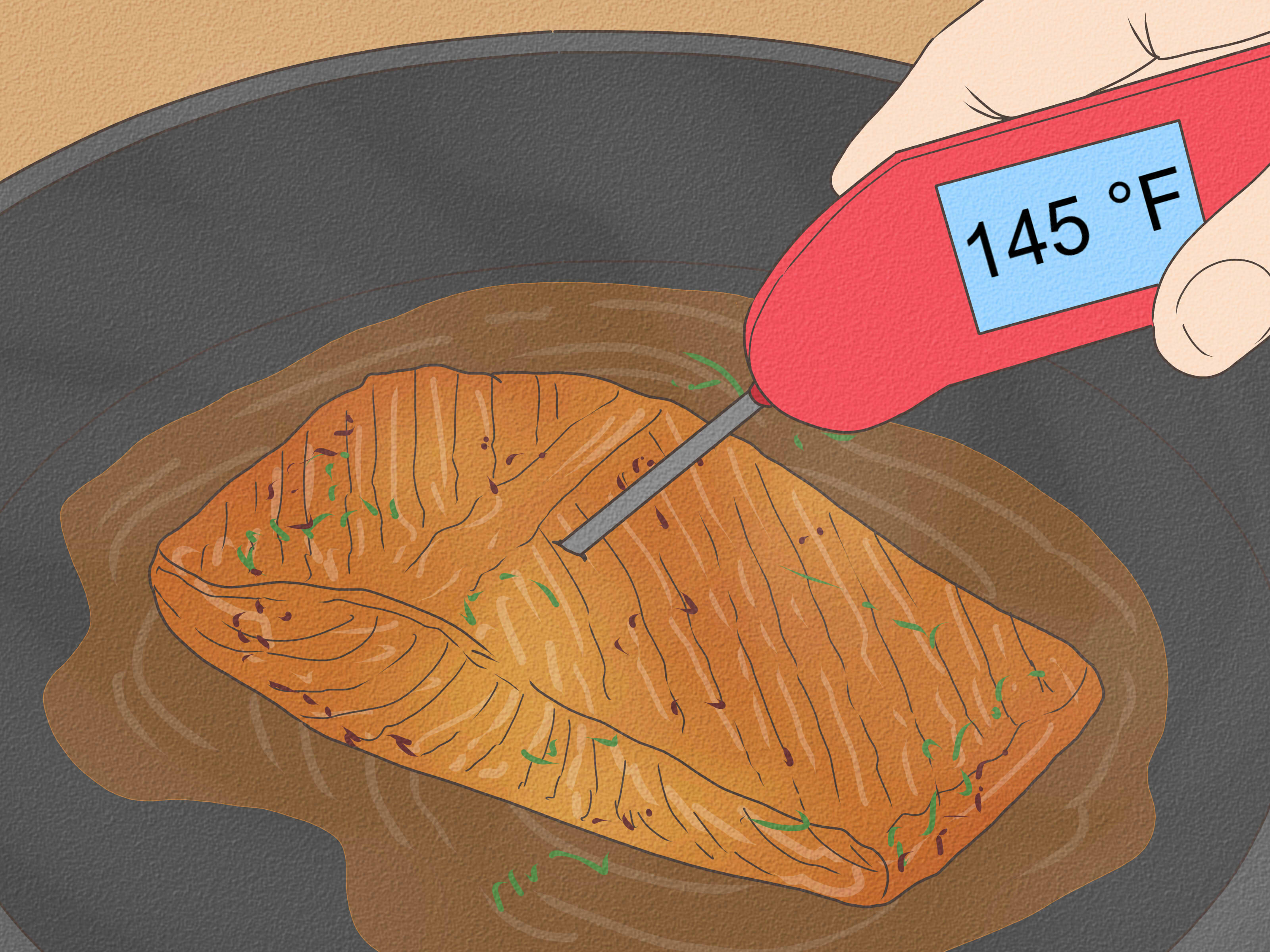
For food safety, cook salmon to an internal temperature of 145°F, or until the flesh is opaque and separates easily with a fork. A food thermometer is the most reliable method. Color alone can be misleading, especially because salmon varies naturally from pale pink to deep red.
When You Should Throw Salmon Away Immediately
Throw salmon away if it has a sour, rancid, rotten, or ammonia-like odor; if it feels slimy or sticky; if it has mold; if the package is swollen or leaking; if raw salmon has been refrigerated too long; or if cooked salmon leftovers are older than three to four days. Also discard salmon that sat at room temperature for more than two hours, or more than one hour in hot weather.
Never taste salmon to see if it is bad. That old “tiny bite test” is not brave; it is just a weird audition for stomach cramps.
Practical Examples: Is This Salmon Bad?
Example 1: Raw Salmon Smells Mild but Looks Slightly Dry
If the edges are only a little dry but the salmon smells fresh, feels firm, and has been stored properly, it may still be usable. Trim dry edges if needed and cook it promptly. If the dryness comes with dull color, slime, or odor, discard it.
Example 2: Cooked Salmon Is Four Days Old but Smells Fine
Four days is the outer edge for refrigerated cooked salmon. If it was cooled quickly, stored cold, and smells and looks normal, it may still be acceptable. Eat it promptly and reheat thoroughly. If you are unsure about storage history, throw it out.
Example 3: Frozen Salmon Has White Dry Spots
White dry spots are often freezer burn. The fish may be safe if it stayed frozen, but texture and flavor may suffer. If it also smells rancid after thawing, discard it.
Extra Experience Notes: What Real Kitchens Teach You About Bad Salmon
One of the most useful lessons about salmon is that it rewards planning. The best salmon meals usually start before the pan gets hot. They start at the store, where the fillet looks glossy, sits cold, smells clean, and is packaged properly. If you bring home good salmon and cook it the same day, the whole process feels easy. The fish browns beautifully, flakes cleanly, and tastes sweet and rich. If you wait too long, though, dinner becomes a guessing game, and guessing is not a seasoning.
A common experience is buying salmon with ambitious plans: Monday will be lemon-dill salmon, Tuesday will be salmon rice bowls, Wednesday will be responsible leftovers. Then life happens. The salmon sits in the refrigerator while takeout wins. By Thursday, you open the package and pause. That pause matters. When your senses hesitate, inspect carefully. Fresh salmon should not make you negotiate with yourself. If you are saying, “Maybe the smell is normal,” “Maybe this slime rinses off,” or “Maybe cooking will fix it,” the answer is probably no.
Another kitchen lesson: sauce can hide problems, but it cannot solve them. Teriyaki glaze, creamy pasta, curry, and garlic butter can cover mild odors temporarily, but bad salmon often gets louder with heat. Many home cooks have had the unfortunate experience of putting questionable fish in a skillet and realizing within thirty seconds that the kitchen now smells like regret. If salmon smells wrong raw, do not donate your entire house to the odor.
Leftovers bring their own little mysteries. Cooked salmon can look fine but still be too old. That is why date labels are so helpful. A container marked “Salmon, May 14” is useful. A container marked by memory alone is chaos wearing a lid. Store cooked salmon in shallow containers, refrigerate it quickly, and use it in practical ways: flaked into scrambled eggs, added to a salad, tucked into a grain bowl, or mixed with a little yogurt, mustard, and herbs for a quick salmon salad. But when the leftover smells sour or feels slippery, no recipe is worth saving it.
Smoked salmon is another place where people get overly confident because it looks fancy and comes in tidy packaging. But smoked salmon is still perishable. Once opened, it should be treated with respect. Keep it cold, reseal it well, and do not let it linger through multiple brunch dreams. If it develops slime, sour odor, discoloration, or mold, it is done. Bagels deserve better.
The biggest experience-based rule is simple: trust patterns, not hope. Fresh salmon has a pattern: mild smell, firm texture, bright color, cold storage, clean packaging. Bad salmon breaks that pattern. One warning sign may not always prove disaster, but several together make the decision easy. Sour smell plus slime? Toss it. Long storage plus dull color? Toss it. Puffy package plus off odor? Absolutely toss it. The cost of replacing salmon is annoying; the cost of food poisoning is much more memorable.
Finally, remember that food safety is not about being fearful. It is about being relaxed because you know what to check. Once you understand the signs of bad raw and cooked salmon, you can shop smarter, store better, cook with confidence, and enjoy your meal without staring suspiciously at your fork. Salmon should be buttery, flavorful, and satisfyingnot a seafood-themed trust fall.
Conclusion
Knowing how to tell if salmon is bad comes down to a few dependable clues: smell, texture, color, packaging, and time. Raw salmon should smell mild, look bright, and feel firm. Cooked salmon should smell pleasant, flake cleanly, and be eaten within three to four days when refrigerated properly. Sour, rancid, fishy, or ammonia-like odors are serious warning signs. Slimy texture, dull discoloration, mold, leaking packages, and questionable storage history are also reasons to throw salmon away.
The safest approach is beautifully simple: buy cold, store cold, cook promptly, label leftovers, and never taste suspicious fish. Salmon is too delicious to turn into a gamble. Treat it well, and it will return the favor with dinners that taste fresh, clean, and wonderfully free of drama.