Note: This article is fully rewritten in original wording for web publication and is based on real daylight saving time, sleep-health, timekeeping, and lifestyle information from reputable U.S. sources.
There are very few moments in adult life when time politely walks up, taps you on the shoulder, and says, “Here, have a little more of me.” Usually, time behaves like a raccoon with a gym membership: fast, sneaky, and weirdly strong. It steals mornings, lunches, deadlines, weekends, and somehow half of December. But once a year, when the clocks roll back, we get something rare and slightly magical: an extra hour.
Yes, technically it is a timekeeping adjustment. Yes, daylight saving time ending is a legal and logistical event involving clocks, transportation schedules, federal rules, and the eternal confusion of microwave buttons. But emotionally? It feels like finding a twenty-dollar bill in an old jacket, except the twenty dollars is sleep, pancakes, silence, or a guilt-free second episode of the show you promised yourself you would not binge.
The topic “#787 The extra time you get when the clocks roll back – 1000 Awesome Things” captures a small, everyday delight: the sudden discovery that the weekend has a secret pocket. It is not a vacation. It is not a promotion. It is not a tropical island with a tiny umbrella drink. It is simply one bonus hour, handed to millions of people at 2:00 a.m., when daylight saving time ends and clocks return to standard time in most of the United States.
And somehow, that tiny adjustment can feel enormous.
Why the Clocks Roll Back in the First Place
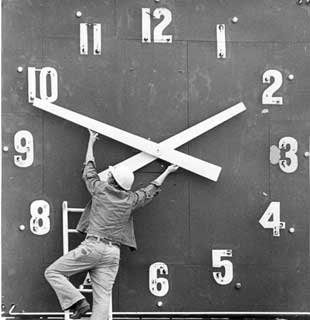
In the United States, daylight saving time generally begins on the second Sunday in March and ends on the first Sunday in November. When it ends, clocks are set back one hour, which means 2:00 a.m. becomes 1:00 a.m. again. This is the famous “fall back” moment, the one where your phone usually updates automatically while your oven clock sits there blinking like it just witnessed a magic trick.
The purpose of daylight saving time has changed over the years. It has been connected to transportation coordination, energy use, evening daylight, public habits, and economic activity. The Uniform Time Act of 1966 helped standardize the system across the country, though some places, including Hawaii and most of Arizona, do not observe daylight saving time. That means not everyone gets the same dramatic clock-roll-back experience, which is either efficient or emotionally unfair depending on how much you like sleeping in.
The “extra hour” is not truly created out of nowhere. We borrowed it in spring when clocks moved forward and then get it back in fall. It is like lending your future self a hoodie and discovering months later that your future self returned it with snacks in the pocket.
The Psychology of a Bonus Hour
What makes this extra hour feel so good is not just the sleep. It is the permission. Most days are ruled by alarms, school runs, work shifts, meetings, errands, homework, laundry, and the mysterious household law that dishes multiply after sunset. A free hour interrupts the normal system. It says, “The schedule has been tampered with. Enjoy responsibly.”
People love found time because it feels different from planned time. A scheduled hour can feel useful, but a surprise hour feels luxurious. It has no meeting invite. No calendar reminder. No one says, “Can you circle back on that bonus hour by Friday?” It arrives unbranded, unsupervised, and wearing sweatpants.
That is why the clocks rolling back can turn ordinary activities into tiny celebrations. Sleeping until 8:00 and realizing it is actually 7:00 feels like winning a contest you never entered. Making coffee with less urgency feels like a luxury hotel experience, even if your hotel is your kitchen and the dishwasher is making a noise like a haunted printer. Reading in bed feels rebellious. Taking a long walk in the morning light feels oddly cinematic. Even doing nothing becomes productive because technically you are doing nothing with bonus time.
Sleep: The Obvious Champion of the Fall Time Change
For many people, the best use of the extra hour is beautifully simple: sleep. The end of daylight saving time is often easier on the body than the spring shift because we gain an hour instead of losing one. It can offer a small chance to recover from sleep debt, especially for people who routinely stay up too late and then negotiate with their alarm like it is a hostage situation.
Still, sleep experts point out that even a one-hour change can affect circadian rhythm, the internal body clock that helps regulate sleep, alertness, hormones, appetite, and mood. Light plays a major role in this rhythm. Morning light helps the body wake up and reset, while too much bright light at night can delay sleep. That is why the fall time change can be both helpful and a little disruptive. You may get an extra hour, but your body may still need a few days to settle into the new pattern.
How to Use the Extra Hour Without Confusing Your Brain
The smartest approach is not to treat the fall time change like an invitation to become a raccoon. Staying up wildly late because “we get an extra hour anyway” can cancel out the benefit. A better plan is to keep a steady bedtime, get morning light, avoid too much caffeine late in the day, and keep the bedroom dark, cool, and quiet. Basically, pretend your sleep is a fancy houseplant: give it light at the right time, do not over-stimulate it, and stop ignoring it until it looks sad.
Parents know this challenge especially well. Adults may see a bonus hour. Toddlers see absolutely nothing because toddlers do not respect federal timekeeping policy. Pets are no better. A dog that eats breakfast at 7:00 does not care that humans have collectively agreed it is 6:00 now. The dog’s position is clear: clocks are fake, kibble is real.
Small Joys That Fit Perfectly Into One Extra Hour
The beauty of the clock rolling back is that one hour is long enough to matter but short enough not to become intimidating. Give someone a free weekend and they might panic about wasting it. Give someone a free hour and suddenly they become a lifestyle philosopher in pajamas.
You can sleep. You can stretch. You can make a real breakfast instead of eating a granola bar with the emotional energy of a commuter pigeon. You can call someone you love. You can clean one drawer and feel like a new person. You can take a walk, write in a journal, organize photos, read a chapter, meditate, bake muffins, or stare peacefully out a window like the main character in a quiet indie film.
The extra hour is also a perfect time for tiny repairs to your life. Not dramatic repairs. Nobody is asking you to reinvent your personality between 1:00 and 2:00 a.m. But you might set your week up a little better. Plan meals. Check your calendar. Pick clothes for Monday. Delete the 4,000 screenshots you took “just in case.” Charge your devices. Replace the batteries in smoke alarms. Change the clock in the car, which will otherwise remain wrong until July because no one knows which button controls it.
The Cozy Season Effect
When clocks roll back, mornings get brighter and evenings get darker earlier. This shift changes the mood of daily life. The end of daylight saving time often feels like the unofficial opening ceremony for cozy season. Suddenly, soup makes sense. Blankets become furniture. Candles feel necessary. The couch becomes a destination. People start saying things like “I’m staying in tonight” with the confidence of someone making a wise financial investment.
The early darkness can be difficult for some people, especially those sensitive to seasonal mood changes. Less evening light can affect energy and motivation. That makes it important to use the morning light when possible, get outside, stay active, and maintain healthy routines. But for many people, the first fall-back weekend delivers a unique kind of comfort. It is the moment when the year slows down just enough to let us notice our own breathing.
There is something deeply satisfying about waking up, checking the time, and realizing you are ahead of the day. The world has not asked anything from you yet. The inbox is quiet. The house is still. Your coffee has not gone cold. For once, time is not chasing you down the hallway waving a clipboard.
Why This Belongs on a List of Awesome Things
The 1000 Awesome Things idea works because it celebrates the tiny wins people often overlook. The first squeeze from a new tube of toothpaste. Getting the armrest. Laughing at the exact same time as a friend. These are not massive life achievements. They are small sparks. And the extra time you get when the clocks roll back fits perfectly into that world.
It is awesome because it is universal yet personal. Everyone receives the same hour, but no one spends it the same way. One person sleeps. Another bakes. Another dances longer on Saturday night. Another wakes before everyone else and enjoys the kind of silence that feels expensive. Another forgets the clock changed and accidentally arrives early, which is basically the punctuality version of a superhero origin story.
It is also awesome because it reminds us that time is not only a measurement. Time is a feeling. A crowded hour can disappear in a blur. A quiet hour can stretch wide enough to hold breakfast, a sunrise, a good conversation, and a moment of gratitude. The clock changes by sixty minutes, but the emotional effect can be much larger.
Practical Ways to Make the Most of the Extra Hour
1. Spend It on Real Rest
The most obvious choice is also one of the best. Go to bed at your usual time and let the clock change do its thing. You do not need to earn rest. You do not need to justify it with productivity. Sleep is not laziness; it is maintenance. Even phones get to recharge without being judged.
2. Reset Your Morning Routine
If your mornings normally look like a tornado discovered coffee, use the extra hour to slow down. Prepare breakfast. Step outside. Open the curtains. Let the morning arrive instead of crashing into it face-first. A calm morning can change the whole emotional weather of a day.
3. Do One Tiny Task You Keep Avoiding
Choose something small enough to finish in under an hour. Not “organize my entire life.” Try “clear the nightstand,” “fold the laundry,” “reply to one message,” or “find the missing left glove.” A tiny completed task can create a surprising sense of control.
4. Make It a Family Ritual
Families can turn the time change into a seasonal tradition. Pancakes on fall-back morning. A sunrise walk. A board game night. A “bonus hour breakfast.” Kids may not understand daylight saving time, but they understand waffles. Frankly, waffles explain many things adults struggle to communicate.
5. Protect Your Mood
Because earlier sunsets can make evenings feel shorter, plan small mood boosters. Get daylight in the morning, move your body, keep social plans on the calendar, and make your home feel warm and inviting. The goal is not to defeat winter like a movie villain. The goal is to cooperate with the season without letting it steal your spark.
The Extra Hour as a Productivity Lesson
Here is the funny thing: one extra hour can teach us more about productivity than a stack of color-coded planners. When people suddenly get sixty unclaimed minutes, they often know exactly what they need. Sleep. Quiet. A walk. A clean kitchen. A slow breakfast. A conversation. The bonus hour reveals what the regular week has been starving.
That is useful information. If the extra hour feels amazing because you finally rested, maybe your normal schedule needs more rest. If it feels great because you finally had time to think, maybe your life has become too noisy. If you use it to tidy your space and feel instantly calmer, maybe your environment has been carrying more stress than you realized.
The clock rolling back is not just a quirky calendar moment. It is a mirror. It asks, “What would you do if time loosened its grip for a minute?” Your answer may be more honest than any productivity app.
The Humor of Human Timekeeping
Of course, the whole situation is also wonderfully ridiculous. Twice a year, society collectively agrees to change the meaning of time, and then everyone acts surprised when people are confused. We trust phones, argue with ovens, ignore car clocks, and spend at least one Sunday asking, “Wait, is this the real time?” as if time has been wearing a disguise.
There is comedy in the details. The microwave says 8:14 for three months. The wall clock in the guest room becomes a historical exhibit. Someone arrives an hour early to brunch and pretends they meant to “get some fresh air.” Someone else misses a meeting because they changed one clock but not another. Meanwhile, pets and babies remain committed to solar time, stomach time, and chaos time.
Still, the confusion is part of the charm. The fall-back weekend gives us a shared national shrug. Nobody is fully sure what time it is, but most people agree that more sleep sounds nice.
of Experience: Living the Bonus Hour
The best fall-back mornings are the ones that begin with confusion and end with joy. You wake up naturally, glance at the clock, and feel the first jolt of panic. Is it late? Did you oversleep? Are you already behind? Then the memory arrives: the clocks rolled back. Suddenly, the day opens like a secret door.
There is a special kind of happiness in realizing you have more time than you thought. It is not loud happiness. It does not burst through the door with confetti. It is quieter than that. It is the happiness of pulling the blanket up to your chin and letting your shoulders drop. It is the happiness of hearing the house settle. It is the happiness of knowing that, for once, the morning is not dragging you by the sleeve.
One of the nicest ways to spend the extra hour is to do something almost embarrassingly ordinary. Make coffee slowly. Not the frantic weekday coffee that gets poured while you are searching for keys, shoes, and the will to answer emails. Real coffee. The kind where you notice the smell. The kind where the first sip makes you believe civilization may survive after all.
Another excellent use is a walk. Fall-back mornings often have a gentle brightness that feels like a reward. The air is cooler. The streets are quieter. The trees look like they are showing off before winter edits the color palette. You may pass other people walking dogs, and everyone has the same relaxed expression, as if they are members of a secret club called “We Beat the Clock Today.”
For students, workers, parents, and anyone who lives by alarms, the extra hour can feel almost rebellious. It is time that does not belong to a teacher, boss, chore list, or notification. You can use it to read a book that has been sitting on your nightstand judging you. You can write down plans for the week. You can cook eggs instead of eating cereal over the sink. You can sit with a pet who is deeply confused about breakfast but willing to accept affection as a temporary legal settlement.
The extra hour also teaches a quiet lesson about attention. Most of us do not need a completely different life to feel better. Sometimes we need one protected hour. One hour without rushing. One hour where the phone is not the boss. One hour where the day has not yet become crowded. When the clocks roll back, that hour appears naturally, like a tiny gift from the calendar.
And yes, some people will spend it sleeping. That is not boring. That is wisdom wearing pajamas. Some will spend it dancing longer on Saturday night, enjoying the rare miracle of a party that seems to come with an extension cord. Some will forget it happened and simply feel unusually well-rested. All of these are acceptable. The beauty of bonus time is that it does not come with instructions.
In a world obsessed with saving time, managing time, tracking time, and complaining about not having enough time, the fall-back hour feels almost poetic. It reminds us that time is precious not because every minute must be productive, but because every minute can be lived. Sometimes the awesome thing is not doing more. Sometimes the awesome thing is realizing you have room to breathe.
Conclusion: One Hour, Big Mood
The extra time you get when the clocks roll back is one of those small seasonal miracles that feels bigger than it looks. On paper, it is just sixty minutes. In real life, it can be sleep, quiet, breakfast, a walk, a laugh, a reset, or a rare moment of not rushing. It is a reminder that ordinary life still has hidden bonuses tucked into its pockets.
So when daylight saving time ends and the clocks fall back, enjoy the gift. Set your clocks before bed if needed. Let your phone do its little digital wizardry. Give your body some morning light. Protect your sleep. Then take that extra hour and spend it like it matters, because it does.
That bonus hour may not solve every problem. It will not fold the laundry by itself, convince your dog that breakfast moved, or teach your car clock how to behave. But it can make the weekend feel wider, softer, and a little more generous.
And that is, without question, awesome.