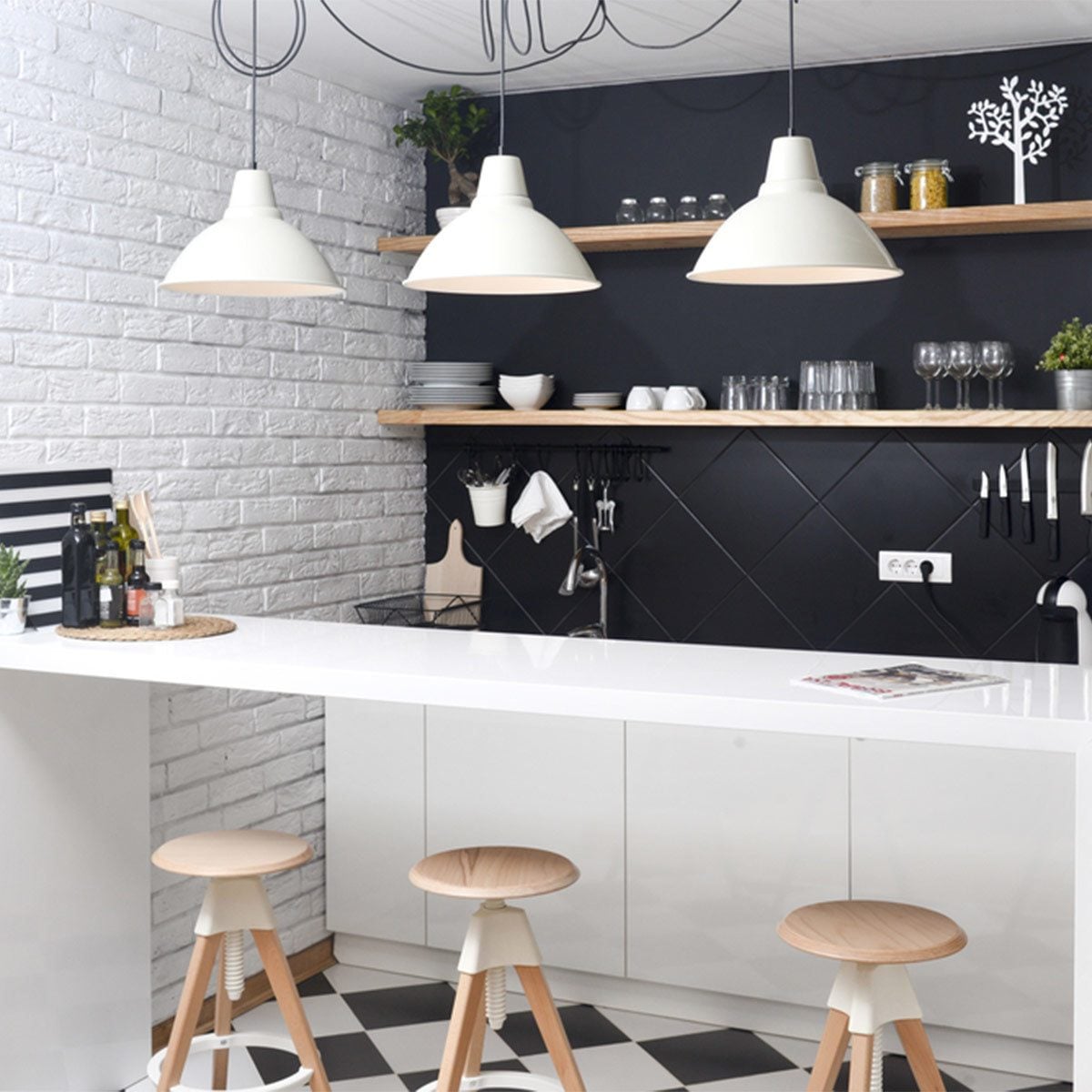
There is something wonderfully optimistic about a home bar. It says, “Yes, I know where the good glasses are,” while also whispering, “No, we do not need to pay $18 for a tiny cocktail with one heroic basil leaf floating in it.” Whether you have a finished basement, a spare wall in the dining room, a kitchen nook, a covered patio, or exactly three square feet next to a bookcase, the right home bar design can turn an ordinary corner into the most popular stop in the house.
The best home bar ideas are not just about bottles and bar stools. A great bar design combines storage, lighting, seating, prep space, durable materials, and personality. It should work for cocktails, wine, coffee, sparkling water, mocktails, game-day snacks, and that one guest who asks for “just a glass of room-temperature water” like they are ordering from a wellness retreat.
Below are 15 practical, stylish, and realistic home bar ideas to help you plan the perfect bar design. Some are DIY-friendly. Some are more polished and built-in. All of them can help you create a space that looks intentional, feels welcoming, and works beautifully when people actually show up.
1. Start With a Smart Home Bar Layout
Before choosing tile, lighting, or a dramatic paint color named something like “Midnight Martini,” start with the layout. A home bar should make serving easy, not turn the host into a stressed-out traffic director. Think about where people will stand, where drinks will be mixed, where glasses will be stored, and how guests will move through the room.
For small spaces, a straight bar against one wall is usually the simplest option. In a basement, a longer wall can support base cabinets, a beverage refrigerator, open shelves, and a countertop. If you have a larger entertainment room, an L-shaped or U-shaped bar can create a more social setup with seating on one or more sides.
A practical home bar layout should include three basic zones: storage, prep, and serving. Storage keeps bottles, mixers, glassware, napkins, and tools organized. The prep zone needs counter space for cutting citrus, stirring drinks, or setting up appetizers. The serving zone should feel open and inviting, with enough room for guests to gather without blocking the entire house like a cheerful human traffic jam.
2. Choose Between a Wet Bar and a Dry Bar
One of the biggest home bar design decisions is whether to build a wet bar or a dry bar. A wet bar includes plumbing and a sink, making it easier to rinse glasses, wash tools, dump ice, and clean up sticky spills before they become a permanent part of your floor’s personality.
A dry bar does not include a sink, but it can still be highly functional. Dry bars are often easier and less expensive to install because they do not require plumbing. They are ideal for dining rooms, living rooms, hallways, home offices, and apartments. With smart storage, a durable countertop, and a small beverage fridge, a dry bar can feel just as polished as a wet bar.
If your bar is far from the kitchen, a sink can be worth the investment. If your bar is near the kitchen or you mainly need a drink station for entertaining, a dry bar may be the better choice. The goal is not to build the most complicated bar possible. The goal is to build the one you will actually use.
3. Turn a Basement Into a Real Entertainment Bar
A basement bar is a classic for a reason. Basements usually offer more square footage, sound separation, and flexibility than main-floor rooms. They are also naturally suited to game nights, movie marathons, sports viewing, and casual gatherings where nobody worries too much about using the “good” coasters.
For the perfect basement bar design, prioritize comfort and durability. Use moisture-resistant flooring, wipeable surfaces, and layered lighting to prevent the space from feeling dark or cave-like. Add a beverage refrigerator, snack storage, a trash pullout, and enough outlets for small appliances or a TV setup.
Basement bars can lean rustic, industrial, modern, sports-themed, or lounge-inspired. Reclaimed wood, brick veneer, dark cabinetry, metal shelving, and stone countertops all work well downstairs. Just avoid making the theme so intense that guests feel like they have entered a pirate tavern unless, of course, that is exactly the mission.
4. Use a Bar Cart for Small Spaces
Not every home needs a built-in bar. Sometimes the best home bar idea is a bar cart with good wheels, pretty glassware, and enough charm to distract from the fact that it occupies the same footprint as a laundry basket.
A bar cart is perfect for apartments, condos, rentals, small dining rooms, and open-plan living areas. It is affordable, movable, and easy to restyle. Use the top shelf for bottles, a tray, and mixing tools. Use the lower shelf for glassware, cocktail napkins, sparkling water, or small bowls of snacks.
To make a bar cart look intentional rather than cluttered, limit the display. Choose a few favorite bottles, a small plant, a lamp or candle, and matching glassware. If the cart starts looking like a convenience store shelf on wheels, edit it down. A little breathing room makes even inexpensive pieces feel elevated.
5. Build a Bar Cabinet That Hides the Mess
A bar cabinet is the grown-up cousin of the bar cart. It offers the same drink-station function but with closed storage, which is excellent if your collection includes mismatched mugs, backup mixers, paper straws, and that mysterious bottle nobody remembers buying.
Bar cabinets work beautifully in dining rooms, living rooms, kitchens, and home offices. Choose a cabinet with interior shelves, drawers, stemware racks, or bottle storage. A tall cabinet can hold a full beverage setup, while a low credenza can double as a serving surface during parties.
For a custom look, place art or a mirror above the cabinet, add a pair of wall sconces, and style the top with a tray, decanter, and a few glasses. This creates the feeling of a built-in home bar without requiring demolition, plumbing, or the emotional journey of finding a contractor.
6. Add Open Shelving for Style and Convenience
Open shelves are one of the easiest ways to make a home bar feel designed. They keep glassware within reach, create vertical interest, and give you a place to show off beautiful bottles, cocktail books, pottery, or vintage finds.
The trick is balance. Open shelving should look useful, not overcrowded. Group items by type and height. Place everyday glasses on lower shelves and decorative items higher up. Mix clear glass, warm wood, metal accents, and a small amount of color for a layered look.
If your shelves are near a sink or prep area, choose materials that can handle moisture and cleaning. Wood shelves add warmth, while metal brackets bring an industrial touch. Glass shelves feel lighter and more elegant, especially in a small wet bar or dining room nook.
7. Install a Beverage Refrigerator or Wine Cooler
A beverage refrigerator is one of the most practical upgrades in any home bar design. It keeps drinks cold, frees space in the kitchen refrigerator, and prevents the classic party problem of opening the fridge and finding it packed with cans, limes, and one lonely casserole.
Undercounter beverage coolers are ideal for built-in bars, basement bars, and kitchen-adjacent drink stations. A wine cooler is useful if you regularly serve wine and want more controlled storage. If your household drinks more sparkling water, soda, juice, beer, or nonalcoholic beverages, a general beverage fridge may be more flexible.
Measure carefully before buying. Make sure the unit has proper ventilation, fits the cabinet opening, and opens in the right direction. A beverage fridge should make hosting easier, not become an expensive appliance-shaped puzzle.
8. Make Lighting the Star of the Bar
Lighting can make or break a home bar. Too bright, and the space feels like a dental office with olives. Too dim, and guests start reading bottle labels with their phone flashlights. The sweet spot is layered lighting: ambient, task, and accent.
Use recessed or ceiling lights for general illumination. Add under-shelf or under-cabinet lighting to highlight bottles and glassware. Hang pendants over a bar counter for drama and function. Wall sconces can make a bar cabinet or wet bar feel custom and high-end.
Dimmers are a small upgrade with a big payoff. They let the same bar feel bright and practical during setup, then warm and cozy when guests arrive. Nothing says “perfect bar design” like lighting that flatters both the backsplash and everyone’s forehead.
9. Pick a Backsplash With Personality
A home bar is the perfect place to take a design risk. Because the area is usually smaller than a kitchen, you can use a bold backsplash without overwhelming the whole house. Tile, stone, brick, mirror, beadboard, metal, and wallpaper-protected-behind-glass can all work beautifully.
For a classic look, try subway tile, marble, or zellige-style tile. For a modern bar, choose large-format tile, slab stone, or a dramatic dark backsplash. For a rustic basement bar, brick veneer or wood paneling adds warmth. Mirrored backsplashes reflect light and make small bars feel larger and more glamorous.
If you want a dramatic home bar idea without replacing cabinets or counters, change the backsplash first. It creates instant impact and gives the bar a focal point, which is designer language for “people will compliment this and you may casually say, ‘Oh, that old thing?’”
10. Use Durable Countertop Materials
Home bar countertops need to handle spills, citrus juice, ice buckets, snack trays, bottle rings, and the occasional enthusiastic elbow. Choose materials that are durable, easy to clean, and suited to the way you entertain.
Quartz is low-maintenance and available in many colors and patterns. Granite and natural stone offer character and durability but may need sealing. Butcher block adds warmth and works well in rustic or casual bars, though it requires more care around water. Stainless steel can create a professional feel and is excellent for serious mixing stations.
Think about contrast, too. A dark bar with a lighter countertop can feel crisp and elegant. A wood bar with a stone counter feels timeless. A bold counter on simple cabinets can turn the bar into a statement piece without making the whole room shout.
11. Design Comfortable Bar Seating
Bar seating is where many otherwise beautiful home bars go wrong. The stools look amazing, but nobody wants to sit in them longer than four minutes. Comfort matters, especially if your home bar doubles as a game-day hangout, tasting station, or late-night storytelling arena.
For a standard bar-height counter, choose bar stools with the right seat height and enough legroom. Counter-height bars need shorter stools. Leave enough space between stools so guests are not bumping elbows like they are seated on a budget airline.
Backless stools tuck neatly under the bar and save space. Stools with backs are more comfortable for longer sitting. Upholstered stools add softness, while metal or wood stools are easier to wipe clean. If kids, pets, or enthusiastic snackers are involved, choose performance fabrics or wipeable seats.
12. Create a Coffee and Mocktail Bar Combo
A modern home bar does not have to be alcohol-focused. In many homes, the most-used bar is actually a coffee, tea, sparkling water, and mocktail station. This is especially smart for households that entertain during the day, host family gatherings, or simply want a beautiful beverage center that works all week.
Include a coffee maker, electric kettle, mugs, syrups, tea canisters, flavored sparkling waters, bitters, citrus, and attractive glass bottles. Add drawers for spoons, napkins, stirrers, and filters. A small fridge can hold creamers, juices, chilled mixers, and nonalcoholic drinks.
This type of bar design makes the space useful every morning, not just on Saturday night. It also helps guests serve themselves, which is one of the great luxuries of hosting: fewer people asking where the cups are while you are trying to rescue appetizers from the oven.
13. Turn an Awkward Nook Into a Built-In Bar
Some of the best home bar ideas come from odd spaces: under the stairs, beside the dining room, inside a closet, at the end of a hallway, or in a shallow alcove. These areas are often too small for major furniture but perfect for a compact built-in bar.
Use base cabinets for storage, a small countertop for serving, and upper shelves or cabinets for glassware. Add a backsplash and lighting to make the nook feel intentional. If the space has doors, you can even create a hidden bar that opens when needed and disappears when not in use.
A built-in nook bar is especially useful in homes where square footage is precious. It turns wasted space into a functional feature and gives the room a custom look. It is also proof that awkward corners, like awkward party conversations, can be improved with good lighting and a little planning.
14. Add an Outdoor Home Bar
An outdoor home bar can turn a patio, deck, or backyard into an entertaining destination. It does not have to be elaborate. A simple counter near the grill, a weather-resistant cabinet, and a cooler or outdoor-rated fridge can make summer hosting much easier.
For outdoor bar design, choose materials that can handle weather: stainless steel, stone, concrete, tile, sealed wood, and outdoor-rated cabinetry. Shade is important, too. A pergola, umbrella, covered porch, or awning helps protect guests and surfaces from harsh sun.
Include storage for outdoor-safe glassware, serving trays, bottle openers, towels, and grilling accessories. If the bar is near the kitchen, a dry setup may be enough. If it is farther away, a sink can save many trips indoors. Either way, the best outdoor bars make hosting feel relaxed instead of like a cardio workout with ice buckets.
15. Finish With Personal Details
A perfect bar design should reflect the people who live in the home. Once the layout, storage, lighting, and surfaces are in place, add personality. Vintage signs, framed art, wallpaper, a favorite color, unusual hardware, plants, cocktail books, travel souvenirs, or handmade shelves can make the bar feel personal rather than showroom-stiff.
Choose a theme lightly. A coastal bar might use woven textures, pale wood, and blue tile. A speakeasy-style bar might use dark paint, brass hardware, low lighting, and leather stools. A modern bar might rely on clean lines, slab counters, and concealed storage. A family-friendly beverage bar might include coffee, cocoa, sparkling water, and snacks.
The best finishing touches are both attractive and useful. A tray keeps bottles organized. A small lamp adds warmth. Hooks hold towels. A bowl of citrus adds color. Good glassware makes even sparkling water feel fancy. And yes, a tiny disco ball is acceptable if your home’s design philosophy includes “why not?”
Practical Design Tips for the Perfect Home Bar
Plan for Storage Before You Buy Decor
Storage should come before styling. Count what you actually need to store: wine glasses, rocks glasses, highball glasses, mugs, bottles, mixers, towels, tools, snacks, ice buckets, trays, and small appliances. This will help you choose between open shelves, drawers, cabinets, racks, and refrigerated storage.
Keep the Work Surface Clear
A beautiful bar is only useful if you can mix, pour, slice, and serve on it. Avoid covering every inch of counter space with decorative objects. Keep a clear landing zone for drinks and food. A tray can corral bottles while still leaving the rest of the surface open.
Think About Cleanup
Design for the morning after the party, not just the glamorous “before guests arrive” moment. Include a trash bin, recycling spot, towel hook, wipeable backsplash, and easy-clean counter. If possible, place the bar near a sink or include one in the design.
Make It Work for Everyday Life
The most successful home bars are not reserved for rare events. They work for coffee, tea, water, snacks, homework breaks, movie nights, and casual hosting. A flexible beverage center will earn its space every day.
Extra Experience: What Real Home Bar Planning Teaches You
Designing a home bar sounds glamorous at first. You imagine polished counters, glowing shelves, perfect glasses, and guests laughing as if they have all been professionally directed by a lifestyle magazine. Then reality arrives with a tape measure, a budget, and the shocking discovery that your favorite wall has one outlet and absolutely no desire to cooperate.
The first lesson is that location matters more than almost anything else. A home bar tucked too far away from the action may look beautiful but go unused. A bar placed directly in the flow of traffic may become a bottleneck. The sweet spot is close enough to the gathering area that people naturally use it, but not so central that every drink order blocks the kitchen, the TV, or the path to the chips.
The second lesson is that storage disappears faster than expected. A few bottles, glasses, cocktail tools, napkins, mixers, coffee pods, tea tins, and snack bowls can fill cabinets quickly. It is smart to include at least one more drawer or shelf than you think you need. Future you will be grateful, especially when someone gifts you a novelty decanter shaped like a globe and you feel morally obligated to keep it.
The third lesson is that lighting is not optional decoration. It is function. Under-cabinet lights help you see what you are doing. Pendant lights define the bar area. Accent lights make glassware sparkle. Dimmers create mood. Without good lighting, even the nicest bar can feel flat. With good lighting, a modest cabinet and countertop can feel like a boutique hotel lounge.
The fourth lesson is to design for the drinks you actually serve. If you love wine, prioritize bottle storage and a wine cooler. If your family drinks coffee all day, build in a coffee station. If you host kids and adults, include space for sparkling water, juice, cocoa, and snacks. If you enjoy cocktails, leave prep room for tools, citrus, bitters, and ice. The perfect home bar is not the one that impresses strangers online. It is the one that fits your habits.
The fifth lesson is that closed storage is underrated. Open shelving looks fantastic when styled carefully, but not everything deserves to be on display. Backup paper towels, extra mixers, plastic cups, cleaning spray, and mismatched mugs are happier behind doors. A combination of open and closed storage gives you beauty and practicality in the same space.
The sixth lesson is to respect the cleanup. Sticky counters, melting ice, citrus juice, and red wine do not care how expensive your backsplash is. Choose surfaces that wipe clean. Keep towels nearby. Add a trash and recycling plan. If you build a wet bar, make sure the sink is large enough to be useful. A tiny sink may look cute, but if it cannot rinse a glass without splashing your shoes, it is mostly decorative plumbing.
The final lesson is to let the bar have personality. A home bar should feel like a destination, even if that destination is only six steps from the sofa. Paint it a bold color. Add wallpaper. Use interesting hardware. Hang art that makes people smile. Display a few beautiful glasses. Include a small lamp. The best bars are not perfect because they are expensive; they are perfect because they feel considered, comfortable, and a little bit fun.
When a home bar is planned well, it becomes more than a place to pour drinks. It becomes the spot where guests gather before dinner, where coffee is made on slow mornings, where game nights begin, and where a regular Friday can feel slightly more festive. And honestly, any corner of the house that can make sparkling water feel like an event deserves a round of applause.
Conclusion
The perfect home bar design blends function, comfort, and personality. Start with the right layout, choose between a wet bar and dry bar, plan storage carefully, add layered lighting, and select durable materials that can handle real entertaining. Whether you build a basement bar, style a bar cart, install a bar cabinet, create a coffee and mocktail station, or transform an awkward nook, the best home bar ideas are the ones that fit your home and your lifestyle.
A beautiful home bar does not need to be huge or expensive. It needs to be easy to use, easy to clean, and enjoyable to gather around. Add thoughtful details, keep the surface practical, and design for the way you actually host. Do that, and your home bar will be ready for cocktails, mocktails, coffee, snacks, and every “just one more drink” conversation that somehow turns into a two-hour story.
Note: This article is written in original American English for web publication and synthesized from reputable home improvement and interior design guidance, with no external source links or unnecessary reference elements included in the body.