Hotel luxury is not always a rooftop infinity pool, a gold-plated faucet, or a pillow menu long enough to require its own table of contents. Sometimes, luxury is discovering an electrical outlet exactly where your phone charger needs it. Sometimes, it is a bathroom mirror that refuses to fog up. And sometimes, it is a tiny shelf beside the bed that quietly prevents your glasses from spending the night on the floor.
Travelers regularly share clever hotel ideas online because good design produces an immediate reaction: “Why doesn’t every hotel do this?” The best solutions remove small annoyances, improve accessibility, save resources, or make an unfamiliar room easier to understand. Industry research and hotel-design initiatives increasingly emphasize functional rooms, intuitive technology, inclusive facilities, sustainability, and features that give guests greater control over their stay.
Here are 50 simple yet genius hotel solutions that deserve more than a five-star review. Several deserve to be politely stolen by every hotel on Earth.
Smart Hotel Room Ideas That Solve Everyday Problems
1. A Master Switch Beside the Bed
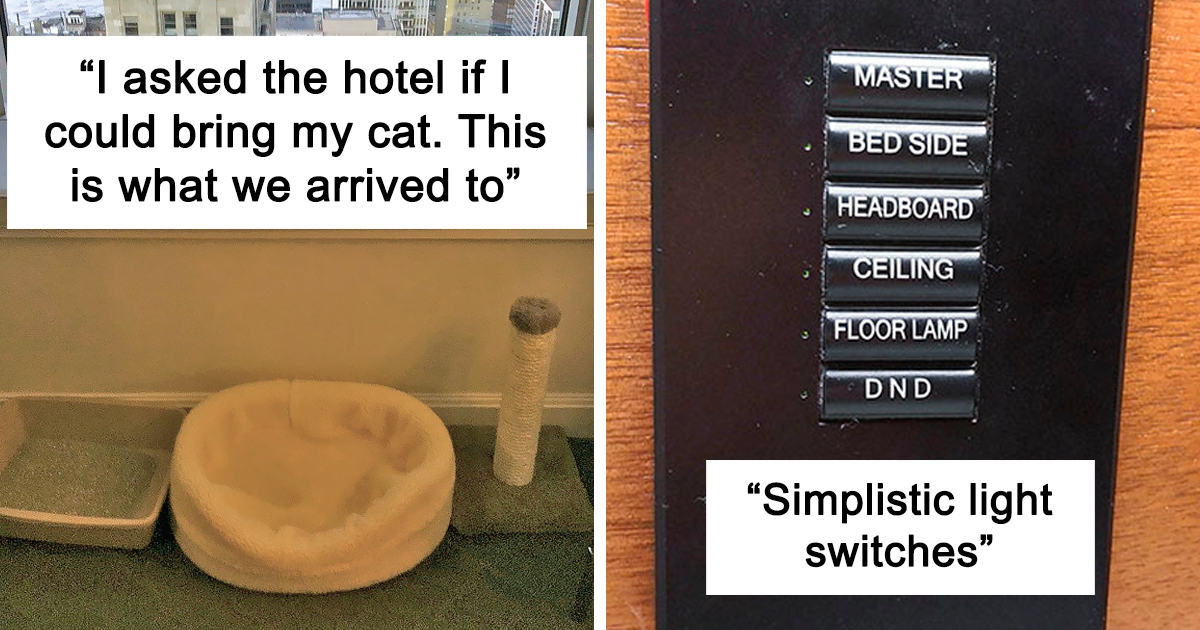
One clearly labeled switch turns off every light in the room. No midnight expedition, no accidental minibar inspection, and no wrestling with six mysterious lamps.
2. Power Outlets on Both Sides of the Bed
Couples no longer have to negotiate charging rights like diplomats dividing an electrical kingdom. Each guest gets an outlet, a USB port, and personal peace.
3. A Small Shelf for Phones and Glasses
A narrow bedside ledge provides enough room for a phone, glasses, keys, and perhaps the room-service cookie you promised to save until morning.
4. Luggage Storage Under the Bed
Raised bed frames or built-in compartments keep suitcases out of the walking area. This is especially useful in compact rooms where an open suitcase becomes an indoor obstacle course.
5. A Night-Light Under the Bed
Motion-activated lighting illuminates the floor without waking the entire room. It guides sleepy travelers to the bathroom while protecting toes from aggressively positioned furniture.
6. Curtains That Actually Meet in the Middle
Overlapping blackout curtains eliminate the famous hotel-room sunrise laser beam that always lands directly on one eyelid at 6:04 a.m.
7. A Full-Length Mirror Near Natural Light
Placing the mirror by a window lets guests inspect an outfit under realistic lighting rather than relying on a dim hallway bulb that makes everyone look mildly haunted.
8. Hooks Where Guests Need Them
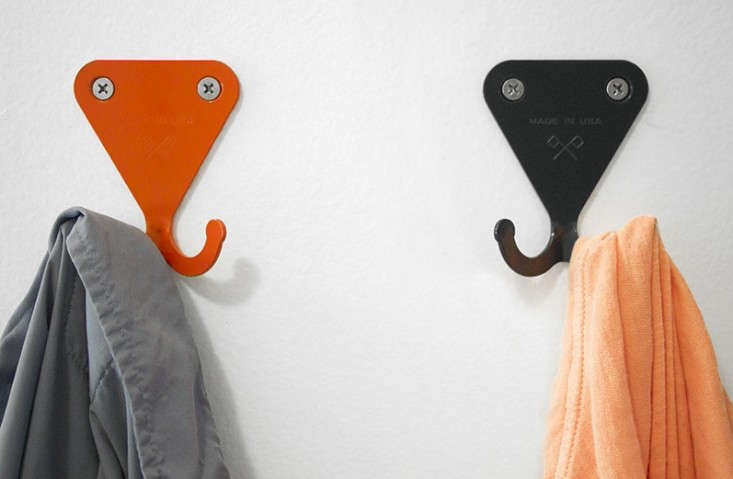
Hooks near the entrance, shower, sink, and luggage area provide homes for coats, towels, toiletry bags, and clothing that is “not dirty enough to wash.”
9. A Retractable Clothesline in the Shower
This tiny device is perfect for drying swimsuits, hand-washed clothing, or socks that underestimated the depth of a suspicious sidewalk puddle.
10. A Door That Shows the Escape Route
Some rooms place a simplified emergency map at eye level or indicate the nearest exit direction on the inside of the door, making safety information easier to process quickly.
Hotel Technology That Feels Helpful, Not Complicated
Hotels have experimented with digital keys, connected-room controls, streaming systems, voice assistance, centralized lighting, and app-based service requests. The strongest technology is almost invisible: it works quickly, requires little explanation, and still provides a manual alternative when a guest’s phone battery has entered the afterlife.
11. Digital Room Keys in a Phone Wallet
Guests can unlock the door by holding a compatible phone or watch near the lock. There is no need to hunt through a bag for a key card.
12. Clearly Labeled Charging Stations
A dedicated charging panel gathers USB-A, USB-C, and standard outlets in one visible location. Travelers should not have to unplug the lamp to revive a laptop.
13. A Television With Easy Streaming Instructions
A simple on-screen guide explains how to connect a device, stream content, and log out. Better still, the system automatically clears personal accounts after checkout.
14. One Control Panel for Lights and Temperature
A central panel replaces a collection of cryptic switches. Guests can adjust lighting zones, curtains, and room temperature without earning a certificate in building automation.
15. QR Codes for Room-Service Menus
A well-placed QR code opens a current menu with prices, operating hours, dietary information, and ordering instructions. It also prevents yesterday’s stained paper menu from becoming today’s archaeological artifact.
16. An Occupancy Indicator for Shared Bathrooms
In hostels and boutique properties, exterior lights can show whether a shared bathroom or shower is occupied, saving guests from repeated knob testing and awkward conversations.
17. A Button That Requests Housekeeping
Instead of hanging a tag that may fall from the handle, guests press a clearly labeled button to request cleaning or activate a “Do Not Disturb” indicator.
18. Elevators That Assign a Car Before Boarding
Destination-control systems ask guests to select a floor in the lobby, then direct them to a specific elevator. This can reduce unnecessary stops and crowded button panels.
19. A Nightstand Clock With Simple Controls
The display can be dimmed completely, and the alarm has obvious buttons. Nobody should need to disassemble a clock at 2 a.m. because its blue display is brighter than the moon.
20. Reliable Wi-Fi Instructions Printed in One Place
The network name, login method, support number, and checkout time appear on one card. The password is readable and does not resemble an encrypted message from another galaxy.
Bathroom Solutions Guests Wish They Had at Home
21. A Heated Section of the Bathroom Mirror
An anti-fog panel leaves a clear reflection after a hot shower. Guests can shave, apply makeup, or confirm that hotel shampoo has given them unexpected volume.
22. A Footrest in the Shower
A small corner ledge helps guests wash their feet or shave their legs without attempting a slippery one-person circus routine.
23. Shower Controls Positioned Away From the Water
Guests can turn on the shower and adjust the temperature without standing directly beneath the first blast of freezing water.
24. Dispensers With Large, Readable Labels
Shampoo, conditioner, and body wash are identified with large text, distinct colors, or tactile markings. Tiny silver lettering on three identical bottles is not a personality test.
25. A Towel Rack Within Reach of the Shower
This astonishing breakthrough prevents the post-shower shuffle across a cold floor while dripping enough water to create a small inland sea.
26. A Makeup Towel That Is Not White
A dark cloth labeled for makeup removal protects the hotel’s white towels and prevents guests from feeling as though they have committed a textile crime.
27. A Toilet-Paper Holder With a Spare Roll Built In
The replacement roll is visible and reachable rather than hidden in a cabinet across the bathroom at the least convenient possible moment.
28. A Bathroom Door That Doubles as a Full-Length Mirror
Mirroring one side of a sliding door saves wall space and gives the room an additional useful feature without adding furniture.
29. A Shelf Inside the Shower
A properly sized shelf holds personal products without forcing guests to balance bottles on the faucet, floor, or narrow edge of destiny.
30. A Child-Friendly Sink Step
Family-oriented hotels sometimes provide a sturdy pullout step, allowing younger guests to reach the sink without climbing on a wastebasket.
Inclusive Hotel Design That Benefits Everyone
Accessible design is not a decorative bonus. U.S. lodging facilities are subject to accessibility requirements, while inclusive hotel concepts increasingly combine features such as wider movement areas, reachable controls, visual alerts, adaptable furniture, and easier-to-understand room layouts. Many of these improvements also help older travelers, families, injured guests, and anyone carrying luggage.
31. Room Numbers in Large Print and Braille
High-contrast numbers and tactile information make rooms easier to identify for guests with low vision while improving hallway navigation for everyone.
32. Visual Doorbell and Alarm Signals
Flashing indicators can alert deaf or hard-of-hearing guests to a doorbell, phone call, or emergency alarm.
33. Lowered Peepholes
A second peephole at a reachable height allows wheelchair users and shorter guests to see who is outside before opening the door.
34. Controls Reachable From the Bed
Lighting, curtains, temperature, and communication controls positioned near the bed provide convenience and greater independence for guests with limited mobility.
35. Open Space Beneath the Sink
A sink with knee clearance can accommodate wheelchair users and also gives standing guests more room to move comfortably.
36. Adjustable-Height Wardrobe Rails
Pull-down clothing rails make hangers accessible without requiring guests to stretch, climb, or use the hotel ironing board as improvised construction equipment.
37. Lever Handles Instead of Round Knobs
Lever-style door and faucet handles are easier to operate for people with reduced grip strength, wet hands, or an armful of luggage.
38. Shower Seats That Fold Away
A stable folding seat supports guests who need it while preserving open shower space for those who do not.
39. 3D Room Tours Before Booking
Virtual room tours help travelers understand layouts, entrances, furniture placement, and sensory conditions before arrival, reducing uncertainty for many neurodivergent and mobility-impaired guests.
40. Connecting Rooms That Can Be Confirmed in Advance
Allowing families and groups to reserve guaranteed connecting rooms removes a major source of arrival-day stress and makes supervision easier.
Sustainable Hotel Solutions That Do Not Punish the Guest
Effective sustainability works best when it is convenient, clearly explained, and built into normal operations. The EPA has reported that towel and linen reuse programs can reduce hotel laundry loads, while major hotel groups have adopted bulk amenities, efficient fixtures, intelligent energy systems, and reusable containers to cut waste without eliminating comfort.
41. Clearly Explained Towel-Reuse Hooks
Separate labeled hooks help guests communicate which towels should be reused and which should be replaced. This is much clearer than expecting housekeeping to interpret towel origami.
42. Refillable Water Stations on Every Floor
Filtered-water dispensers allow guests to refill bottles while reducing dependence on single-use plastic containers.
43. Secure Bulk Toiletry Dispensers
Wall-mounted dispensers reduce miniature packaging waste while remaining convenient, tamper-resistant, and easy for housekeeping teams to refill.
44. Key-Card Energy Controls With a Delay
The system turns off unnecessary lights and climate equipment after guests leave, but a short delay prevents the room from becoming instantly dark.
45. Separate Recycling and Trash Bins
Clearly labeled compartments let guests sort waste without studying local recycling policy like an environmental law exam.
46. Windows That Open Slightly
Where building codes and climate allow, limited-opening windows provide fresh air while maintaining safety and energy control.
47. A Switch for Declining Housekeeping
Guests can skip routine cleaning without calling the front desk, reducing laundry, water use, chemical use, and interruptions.
48. Leftover Toiletries Donated or Recycled
Collection programs can redirect suitable soap and amenities away from landfills instead of treating every partially used item as automatic waste.
49. Local Reusable Cups and Bottles
Providing durable drinkware supports waste reduction and can showcase regional artists, turning a practical object into part of the destination experience.
50. A Simple Sign Explaining the Impact
Guests are more likely to participate when hotels clearly explain what an action saves and how the program works, rather than posting a vague message about “helping the planet.”
Why These Small Hotel Ideas Matter So Much
The common thread connecting these clever hotel solutions is not expensive technology. It is empathy. Someone imagined the guest arriving tired, carrying two bags, looking for a charger, trying not to wake a partner, or wondering whether the shower control would release warm water or an arctic surprise.
Good hospitality design anticipates questions before guests have to ask them. Where should the suitcase go? Can the room become dark enough for sleep? Is the outlet visible? Can every guest reach the controls? Is the Wi-Fi login understandable? Does the sustainability program make participation easy?
The most memorable hotel inventions often cost less than dramatic lobby sculptures. A hook, shelf, label, light, or better-positioned switch may improve a stay hundreds of times each year. It is design doing its job quietlyand without demanding applause from a chandelier.
Real-World Experiences With Clever Hotel Solutions
Anyone who travels regularly develops a personal list of hotel-room mysteries. Why is the only electrical outlet located behind a heavy desk? Why does one switch control three lamps while another appears to control nothing in this dimension? Why is the coffee maker placed in a cabinet without enough space to open its lid?
That is why a genuinely thoughtful feature can feel so satisfying. Imagine without demanding applause from a chandelier.
Real-World Experiences With Clever Hotel Solutions
Anyone who travels regularly develops a personal list of hotel-room mysteries. Why is the only electrical outlet located behind a heavy desk? Why does one switch control three lamps while another appears to control nothing in this dimension? Why is the coffee maker placed in a cabinet without enough space to open its lid?
That is why a genuinely thoughtful feature can feel arriving after a delayed flight and finding a shelf directly inside the entrance where you can place your keys, passport, and phone. It is a tiny detail, but it immediately reduces the chance that an important object will disappear beneath a jacket or migrate into the bedding.
Bedside controls create a similar moment of relief. After showering, unpacking, and finally getting comfortable, few people want to walk around the room switching off lamps individually. A master control beside the bed turns the final stage of the evening into one button press rather than a low-budget escape-room challenge.
Bathroom design produces some of the strongest reactions because poor layouts become obvious immediately. A shower control positioned beneath the showerhead guarantees that the guest receives the water before choosing its temperature. Moving that control closer to the entrance is not futuristic engineering; it is simply evidence that somebody tested the shower while wearing clothes.
Families notice thoughtful details quickly. Confirmed connecting rooms allow parents to plan sleeping arrangements before arrival. Pullout sink steps help children wash their hands independently. A small kitchen area with washable dishes can make breakfast easier and reduce the number of disposable cups circulating around the room.
Business travelers often appreciate different solutions. A chair that supports actual work, a desk near an outlet, adjustable task lighting, and a reliable streaming or presentation connection can transform a room into a temporary office. The glamorous minibar may remain untouched, but the correctly positioned USB-C port earns lifelong loyalty.
Accessibility improvements can be equally revealing. Lever handles, open floor areas, visual alerts, reachable switches, and readable signage demonstrate that the property has considered more than one type of guest. Inclusive design frequently improves convenience for everyone: parents pushing strollers, older travelers, people recovering from injuries, and guests maneuvering large suitcases all benefit from wider routes and intuitive controls.
Sustainable systems also create better experiences when hotels avoid turning conservation into homework. A refill station beside the elevator is easier to use than repeatedly requesting bottled water. A clearly labeled recycling bin is more useful than a beautiful basket whose intended purpose remains a philosophical question. Bulk toiletry dispensers are convenient when the labels are readable and the bottles are securely maintained.
The best hotel solutions are usually discovered during ordinary moments. Guests photograph them because the ideas feel obvious only after someone else has implemented them. Then the images spread online, comments fill with variations of “Every hotel needs this,” and thousands of travelers briefly unite around a shared dream: curtains that close completely.
These viral discoveries also offer a lesson for hotel operators. Guests remember friction. They remember the room where the air conditioner sounded like farming machinery and the bathroom door collided with the toilet. Fortunately, they also remember ease. They remember the free refill station, the quiet hallway, the labeled switches, the comfortable reading light, and the shelf that kept a phone safely above the floor.
A hotel does not need to reinvent travel to create a remarkable stay. It needs to observe how people actually move, sleep, work, wash, charge devices, manage belongings, and recover from long journeys. Genius hospitality often begins with a very unglamorous question: “What keeps annoying our guests?” Answer that honestly, and the next brilliant hotel solution may require nothing more complicated than a hook and two screws.
Conclusion
The 50 genius hotel solutions above prove that thoughtful hospitality lives in the details. Technology can personalize a room, sustainable systems can reduce waste, and inclusive design can welcome more travelersbut even the simplest improvement can become unforgettable when it solves a genuine problem.
The next time you enter a hotel room and discover a perfectly placed outlet, a fog-free mirror, or a master light switch, take a moment to appreciate the person who questioned the usual layout. Better yet, share the idea. Somewhere, another traveler is still crawling behind a nightstand with a phone charger and could use some hope.
Note: Amenities, accessibility features, environmental programs, and technologies vary among hotel brands and individual properties. Travelers who require a particular feature should confirm its availability directly with the hotel before booking.