Turning 50 is not a beauty emergency. It is not a signal to throw every serum, gadget, supplement, and “miracle” cream into a shopping cart while whispering, “This is fine.” Looking younger at 50 is less about chasing your 25-year-old face and more about helping your current face, body, hair, posture, and energy look rested, healthy, and alive. In other words: less time machine, more smart maintenance.
The truth is that aging shows up in layers. Skin may become drier, hair can lose density or shine, muscle tone changes, sleep gets lighter, and stress sometimes decides to move permanently into your forehead. But the good news is that many of the most effective anti-aging habits are surprisingly practical. Daily sunscreen, consistent movement, better sleep, nutrient-rich meals, flattering grooming, and a confident personal style can make a visible difference without requiring you to become a full-time beauty scientist.
This guide breaks down five realistic ways to look younger at 50, using evidence-informed advice and everyday examples. No gimmicks. No “drink celery mist under a full moon” nonsense. Just smart, sustainable steps that help you look fresher, stronger, and more vibrant.
1. Protect and Repair Your Skin Every Day
If there is one habit that deserves a standing ovation in the “how to look younger at 50” conversation, it is sunscreen. Sun exposure is one of the biggest contributors to visible skin aging, including fine lines, dark spots, uneven tone, rough texture, and loss of firmness. That does not mean you need to live like a stylish vampire. It means your morning routine should include broad-spectrum SPF, even when it is cloudy, even when you are mostly indoors, and especially when you are driving.
Build a simple morning routine
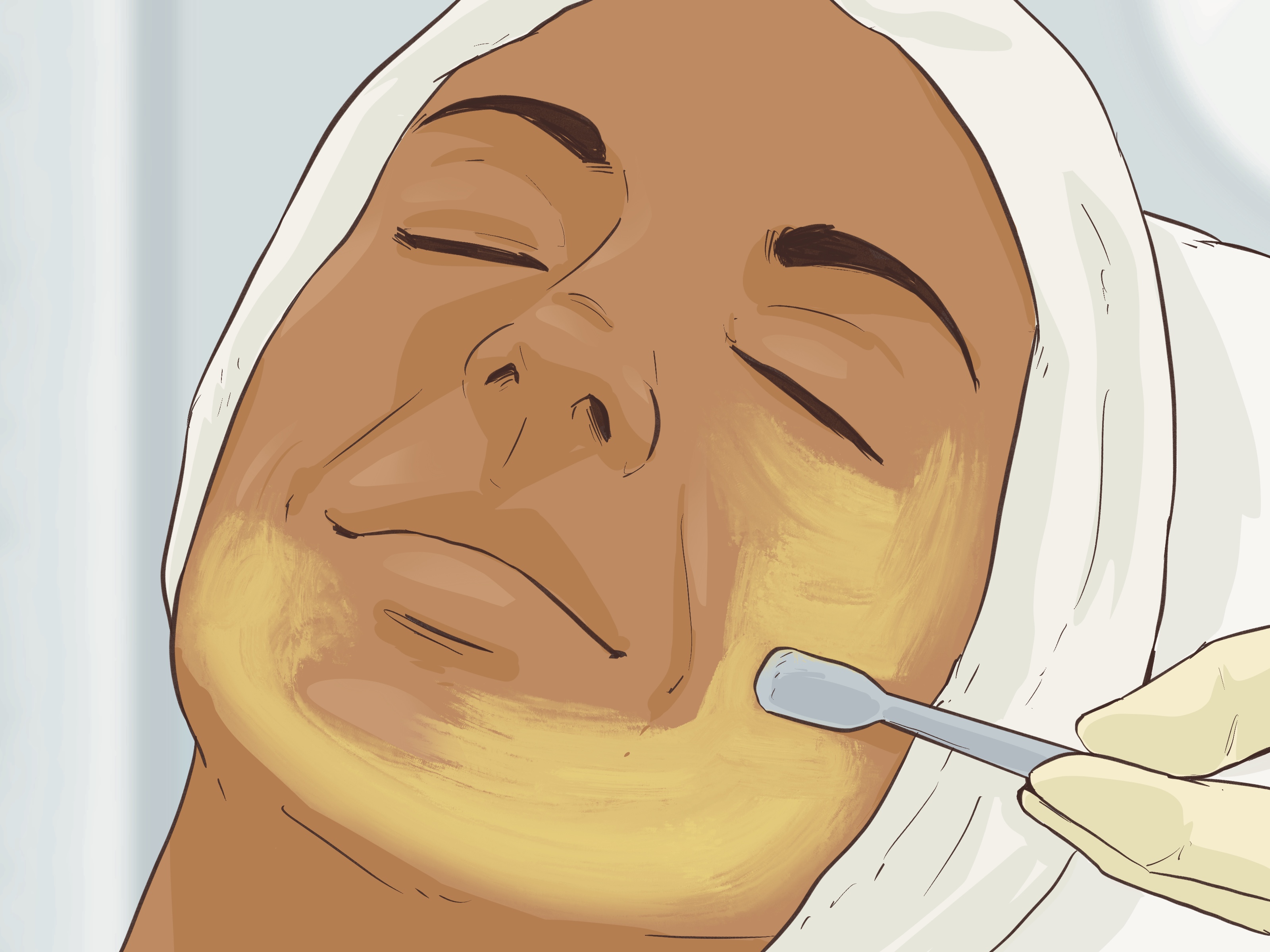
A youthful-looking skin care routine does not need 17 steps and a tiny refrigerator. In fact, skin at 50 often prefers consistency and kindness. Start with a gentle cleanser, apply a moisturizer that supports the skin barrier, and finish with broad-spectrum SPF 30 or higher. If your skin is dry, look for ingredients such as ceramides, glycerin, hyaluronic acid, and niacinamide. These help the skin hold moisture and look smoother.
Vitamin C can be useful in the morning because it helps brighten the look of uneven tone and supports antioxidant protection. The key is patience. Skin care is not instant coffee; it is more like gardening. You water, protect, wait, and avoid digging everything up every three days because TikTok found a new shrub.
Use retinoids wisely at night
Retinoids and retinol are among the best-known ingredients for softening the appearance of fine lines, improving texture, and supporting cell turnover. At 50, they can be helpful, but more is not always better. Begin slowly, perhaps two or three nights a week, and follow with moisturizer. If your skin becomes irritated, flaky, or angry enough to write a complaint letter, reduce frequency or choose a gentler formula.
For sensitive skin, a dermatologist can help you decide whether over-the-counter retinol, retinaldehyde, adapalene, or prescription tretinoin makes sense. The goal is not to peel your face into a new decade. The goal is smoother, healthier-looking skin over time.
Do not ignore your neck, chest, and hands
Many people carefully protect their face but forget the neck, chest, and hands. These areas often show sun damage and dryness because they are exposed daily. Extend your moisturizer and sunscreen below your jawline, onto your chest, and over the backs of your hands. This tiny habit can make your overall appearance look more consistent and polished.
2. Move Like Someone Who Plans to Keep Moving
At 50, looking younger is not only about skin. It is also about how you stand, walk, sit, carry groceries, climb stairs, and enter a room. Muscle tone, posture, balance, and energy all affect how youthful you appear. A person with glowing skin but stiff movement may still look older than they feel. A person who moves with strength and ease often looks more vibrant instantly.
Combine cardio, strength, and mobility
A good anti-aging fitness routine does not need to be extreme. Aim for a mix of brisk walking, cycling, swimming, dancing, or another aerobic activity you actually enjoy. Then add strength training at least two days per week. Strength work helps maintain muscle mass, supports bone health, improves posture, and makes daily life easier. It also gives the body shape, which can make clothes fit better and improve confidence.
Examples of simple strength moves include squats to a chair, wall push-ups, resistance band rows, step-ups, dead bugs, and farmer carries with light dumbbells or grocery bags. If you have not exercised in a while, start gently and consider getting professional guidance. Your knees, shoulders, and future self will appreciate not being ambushed.
Train your posture
Posture has a huge effect on perceived age. Rounded shoulders, a forward head position, and a collapsed chest can make anyone look tired. Try this quick reset: stand tall, soften your knees, lift through the crown of your head, gently draw your shoulder blades down and back, and imagine your ribs stacked over your hips. You do not need military stiffness. You want relaxed length.
Mobility exercises such as chest openers, hip flexor stretches, gentle yoga, and thoracic spine rotations can help counteract long hours at a desk. Even five minutes a day can improve how you carry yourself. Looking younger at 50 often begins with looking less like your laptop has been slowly folding you into a taco.
3. Eat for Skin, Muscle, and Steady Energy
Food will not erase wrinkles overnight, but it does influence how your skin, hair, muscles, and energy levels behave. At 50, the best anti-aging diet is not a punishment plan. It is a pattern of eating that supports collagen production, muscle maintenance, heart health, gut health, and stable blood sugar.
Focus on protein and colorful plants
Protein becomes especially important with age because the body gradually loses muscle mass if it is not challenged and nourished. Include protein at each meal from sources such as eggs, Greek yogurt, fish, chicken, turkey, tofu, beans, lentils, cottage cheese, or lean meats. Pair that with colorful fruits and vegetables, which provide antioxidants, fiber, vitamins, and minerals.
Vitamin C-rich foods such as citrus, strawberries, bell peppers, broccoli, and kiwi are especially useful because vitamin C plays a role in collagen formation. Omega-3-rich foods such as salmon, sardines, walnuts, chia seeds, and flaxseeds can support overall health and help keep meals satisfying.
Use the Mediterranean-style plate
A Mediterranean-style approach is one of the easiest frameworks for eating well at 50. Think vegetables, fruits, beans, whole grains, nuts, olive oil, herbs, fish, and moderate portions of dairy or poultry. It is colorful, flexible, and does not require you to pretend that plain steamed broccoli is a personality.
A simple anti-aging plate might include grilled salmon, roasted vegetables, quinoa, a drizzle of olive oil, and berries for dessert. Another could be lentil soup with a side salad, whole-grain bread, and yogurt. The point is not perfection. The point is giving your body enough raw material to repair, maintain muscle, and keep energy stable.
Hydrate without overcomplicating it
Dehydration can make skin look dull and fine lines more noticeable. Water, unsweetened tea, water-rich fruits, and soups can all contribute to hydration. Alcohol, on the other hand, can dehydrate the skin and disrupt sleep. You do not have to live a joyless life, but if your face looks puffy, dry, and tired after wine night, your mirror is not being dramatic. It is reporting the news.
4. Refresh Your Hair, Brows, Smile, and Makeup
Sometimes the fastest way to look younger at 50 is not a new cream; it is a better haircut, softer makeup, groomed brows, and a brighter smile. These details frame the face. When they are updated, the entire look feels fresher.
Choose hair that moves
Hair can become drier, thinner, or more textured with age. A flattering cut can add movement, volume, and softness. Layers, face-framing pieces, a modern bob, a shoulder-length cut, a textured pixie, or long healthy hair can all look youthful when they suit your face shape and hair type. The old rule that women must cut their hair short after 50 should be retired immediately and possibly given a tiny farewell cake.
Color also matters. Harsh, flat, very dark color can emphasize lines and shadows. Softer highlights, gray blending, gloss treatments, or warmer tones may brighten the face. Work with a stylist who understands your hair texture, lifestyle, and maintenance tolerance. The best haircut is the one that looks good after you style it at home, not only under salon lighting with a professional holding three brushes and a dream.
Do softer, smarter makeup
Makeup over 50 often looks best when it enhances rather than masks. Heavy matte foundation can settle into lines and make skin look dry. Try lightweight coverage, a hydrating primer, cream blush, softly defined brows, and a little brightness near the eyes. Curling lashes and using brown or charcoal liner instead of harsh black can create definition without making the eyes look smaller.
Brows are powerful. As brows thin or fade, the face can lose structure. Filling sparse areas lightly with a pencil or powder can create lift and balance. Avoid drawing severe brows that look surprised, suspicious, or permanently involved in a neighborhood dispute.
Keep your smile healthy
A healthy smile can make a person look instantly younger. Brush with fluoride toothpaste, clean between teeth daily, and keep up with dental visits. If stains bother you, ask your dentist about safe whitening options, especially if you have crowns, veneers, sensitivity, or gum issues. A natural, healthy smile often does more for youthfulness than chasing ultra-white teeth that glow like bathroom tiles.
5. Sleep, De-Stress, and Protect Your Joy
Sleep is one of the most underrated beauty tools. When sleep is poor, the face often shows it quickly: puffiness, dullness, darker under-eye circles, and a general “I have been negotiating with my pillow since 2 a.m.” expression. Most adults need seven to nine hours of sleep, and older adults generally need about the same amount, even if sleep patterns change.
Create a sleep routine your face will thank you for
Try keeping a consistent bedtime and wake time, getting morning light, limiting late caffeine, and making your bedroom cool, dark, and quiet. Put your phone away before bed if possible. Nothing says “restful evening” like reading three alarming headlines, checking a message from 2018, and accidentally watching a raccoon open a refrigerator.
If snoring, insomnia, restless legs, night sweats, or frequent waking are regular problems, talk with a healthcare professional. Poor sleep is not a personality flaw. It may be a solvable health issue.
Lower stress where you can
Chronic stress can affect sleep, appetite, posture, facial tension, and daily energy. You cannot remove every stressor, but you can build small recovery rituals. A 10-minute walk, breathing exercises, journaling, stretching, prayer, meditation, time with friends, therapy, or simply saying “no” before your calendar becomes a crime scene can help.
Joy is also anti-aging in the most human sense. People who stay curious, socially connected, and engaged tend to look more alive. Take the class. Wear the color. Dance badly in the kitchen. Try the new hairstyle. Laugh loudly. A youthful appearance is not only smooth skin; it is the spark that says you are still participating.
Real-Life Experiences: What Actually Helps After 50
One of the most common experiences people have after 50 is realizing that the old “quick fix” approach stops working. In your 30s, you might have slept badly, skipped water, eaten salty takeout, and still looked fairly normal the next morning. At 50, your face may hold a press conference about it. Puffy eyes, dry skin, stiff joints, and low energy can show up faster. That is not failure. It is feedback.
Many people find that the biggest visible improvement comes from stacking small habits rather than making one dramatic change. For example, a woman who starts using sunscreen every morning may not notice a big difference in one week. But after several months, her skin tone may look more even because she is preventing new sun damage. Add a gentle retinoid twice a week, a richer moisturizer, and fewer irritating products, and the skin often begins to look calmer and smoother. The magic is not magic. It is consistency wearing comfortable shoes.
Another real-life lesson is that exercise changes more than the body. People who begin strength training in their 50s often report standing taller, feeling steadier, and looking better in clothes. A simple routine of walking four days a week and lifting weights twice a week can create visible changes in posture and confidence. Friends may ask if you changed your hair when the real answer is, “No, I stopped moving like a folding chair.”
Hair updates can also be surprisingly emotional. Some people keep the same cut for years because it once worked beautifully. Then, one day, the shape no longer supports the face or the texture. A softer cut, brighter color placement, or healthier gray transition can feel like opening a window. The goal is not to look younger by denying age; it is to look current, intentional, and awake.
Makeup is another area where small adjustments matter. Many people over 50 discover that less foundation, more skin prep, cream blush, softer eyeliner, and defined brows create a fresher effect than the full-coverage routine they used for decades. The face changes, so the technique should evolve too. This does not mean giving up glam. It means choosing products that cooperate with your skin instead of arguing with it in public.
Sleep and stress management may be the least glamorous habits, but they are often the most noticeable. After a few weeks of better sleep, people may notice brighter eyes, fewer cravings, better workouts, and a calmer expression. Stress reduction can soften the face because tension often lives in the jaw, forehead, and shoulders. Looking younger at 50 is not about pretending life is easy. It is about creating enough recovery so life does not sit on your face rent-free.
Finally, confidence changes everything. The people who look best at 50 are not always the ones with the most expensive products. They are often the ones who have edited their routines, protected their health, updated their style, and stopped apologizing for being visible. They wear clothes that fit their current body. They choose hair that works with their real texture. They smile more because they are not waiting to become younger before enjoying themselves.
That may be the most practical experience of all: looking younger often begins when you stop fighting your age and start caring for yourself like someone worth maintaining. Because you are.
Conclusion
Looking younger at 50 is not about chasing youth with panic and a magnifying mirror. It is about protecting your skin, strengthening your body, eating in a way that supports energy and repair, refreshing the details that frame your face, and getting enough rest to actually enjoy your life. The best anti-aging strategy is balanced: sunscreen in the morning, movement during the week, protein and plants on the plate, a haircut that makes sense now, a smile you care for, and sleep that does not require a hostage negotiation.
At 50, beauty becomes less about perfection and more about vitality. You do not need to look 30. You need to look healthy, confident, comfortable, and fully present. That kind of younger-looking glow does not come from one jar. It comes from daily choices that tell your body, “We are still in this, and we are doing it well.”