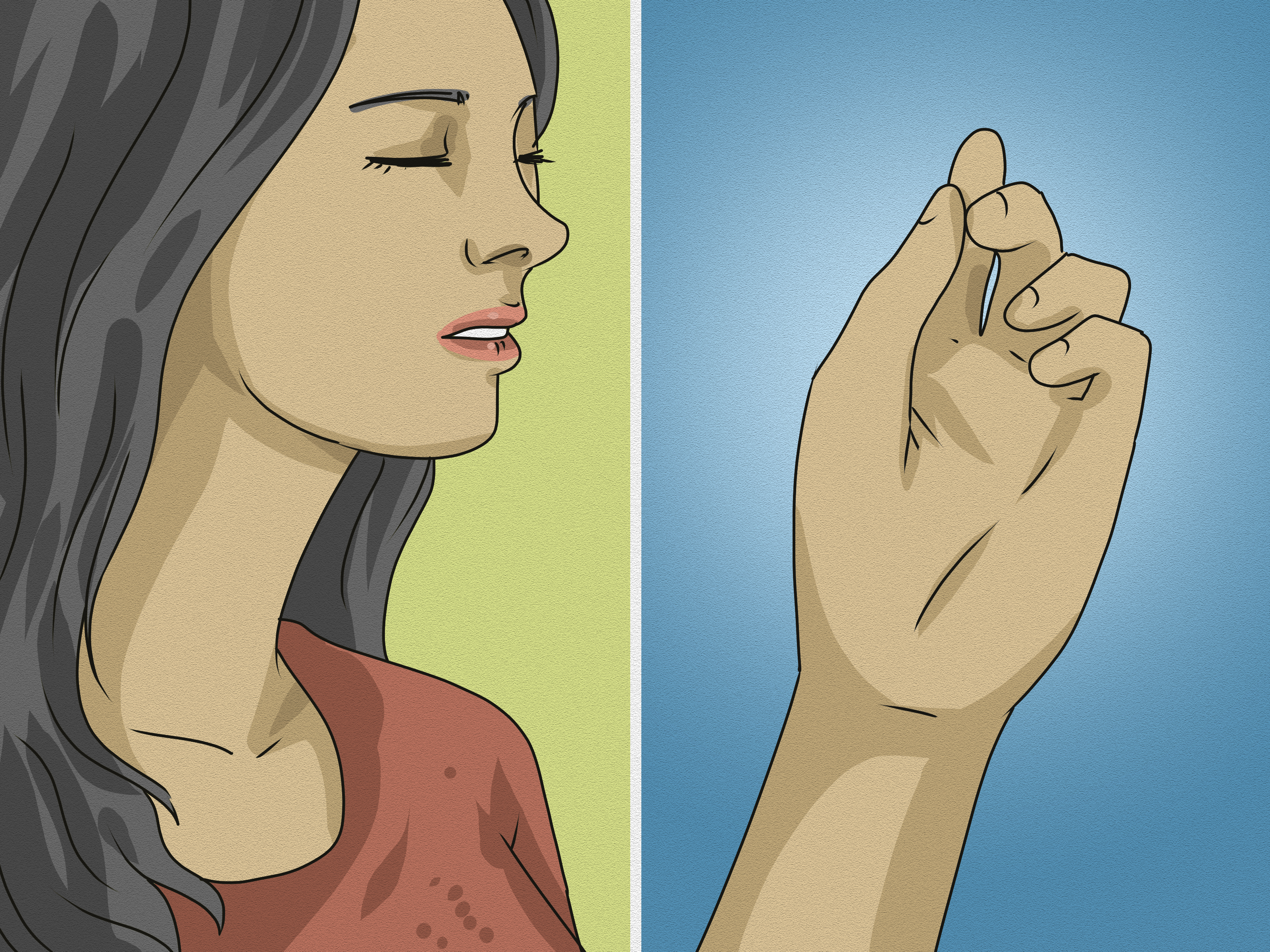
Let’s be honest: a completely stress free lifestyle sounds a little like a unicorn wearing noise-canceling headphones. Life comes with bills, traffic, deadlines, family group chats, mystery emails that begin with “just circling back,” and the occasional sock that disappears in the laundry as if it joined a witness protection program.
But here is the good news: living stress free does not mean deleting every problem from your life. It means building daily habits that lower unnecessary pressure, strengthen your body, calm your mind, and help you respond to challenges without feeling like a human browser with 47 tabs open.
The best stress management strategies are not dramatic. They are simple, repeatable, and surprisingly normal: move your body, sleep better, eat with intention, protect your peace, and stay connected to people who do not drain your emotional battery. These habits work because stress is not just “in your head.” It affects your muscles, breathing, sleep, mood, digestion, concentration, and even how you make decisions. A healthier lifestyle gives your nervous system fewer reasons to hit the panic button.
Below are five practical ways to live a calmer, healthier, and more balanced life. No luxury spa membership required. A comfortable pair of shoes, a glass of water, a bedtime routine, and the courage to say “no” are already a great start.
1. Move Your Body Every Day, Even If It Is Not a “Workout”
Exercise is one of the most reliable ways to reduce stress because it gives the body a physical outlet for tension. When you are stressed, your body prepares for action. Your heart rate rises, muscles tighten, and your brain becomes alert. That response is useful if you are escaping danger. It is less useful when the “danger” is a calendar invite titled “urgent sync.”
Movement helps complete the stress cycle. Walking, stretching, biking, dancing, swimming, gardening, and even climbing stairs can help release tension and improve mood. You do not have to train like an Olympic athlete. In fact, if your current relationship with exercise is mostly watching sports from the couch, start gently. A 10-minute walk after lunch can be more effective than a complicated fitness plan you quit by Wednesday.
Why movement works for stress relief
Physical activity supports better sleep, helps regulate mood, and gives your mind a break from repetitive worries. It also builds confidence. There is something powerful about finishing a walk, a yoga class, or a few sets of bodyweight exercises and thinking, “Look at me, being responsible with my spine.”
For a stress free lifestyle, consistency matters more than intensity. Try aiming for small daily movement and gradually build toward a weekly routine. A simple plan might include brisk walking on weekdays, gentle stretching before bed, and one fun weekend activity such as hiking, pickleball, dancing, or chasing your dog around the yard while pretending it was your idea.
Practical ways to add movement without overthinking it
Start with “movement snacks.” These are short bursts of activity throughout the day. Walk while taking a phone call. Stretch your shoulders after sitting for an hour. Park farther from the entrance. Do calf raises while brushing your teeth. Put on one upbeat song and clean the kitchen like you are auditioning for a musical about responsible adulthood.
The key is to make movement easy to begin. Keep walking shoes near the door. Choose stairs when reasonable. Schedule exercise like an appointment, but forgive yourself if life interrupts. Stress relief should not become one more stressful assignment.
2. Build a Sleep Routine That Protects Your Peace
Sleep is not laziness. Sleep is maintenance. If your body were a smartphone, sleep would be the nightly software update that prevents everything from crashing at 2 p.m. Unfortunately, stress and sleep have a tricky relationship. Stress can make it harder to fall asleep, and poor sleep can make stress feel louder the next day. It is a very rude partnership.
A stress free lifestyle requires treating sleep as a core health habit, not a leftover activity you squeeze in after scrolling, snacking, and watching “just one more episode” until your future self files a complaint.
Create a calming bedtime routine
Your brain loves patterns. A predictable evening routine tells your body that it is safe to slow down. Start by choosing a realistic bedtime and wake time. Try to keep them fairly consistent, even on weekends. Perfection is not required, but wild sleep swings can make Monday feel like a personal attack.
About 30 to 60 minutes before bed, dim the lights, lower the noise, and step away from stressful tasks. This is not the ideal time to check work email, argue online, compare yourself to strangers, or research rare diseases because your elbow made a weird clicking sound.
Try a simple wind-down routine: take a warm shower, write tomorrow’s top three priorities, stretch gently, read a calming book, or practice slow breathing. If your mind tends to race at night, keep a notebook nearby. Write down worries, reminders, and unfinished thoughts. Getting them onto paper can help your brain stop using bedtime as a staff meeting.
Design your bedroom for better sleep
Your sleep environment matters. A cool, dark, quiet room can make rest easier. If noise is a problem, try earplugs, a fan, or white noise. Keep your bed associated with sleep and relaxation as much as possible. Your mattress does not need to become a second office, snack counter, movie theater, and emotional support island all at once.
Also watch caffeine and alcohol timing. Caffeine late in the day can keep your mind alert when you want it to power down. Alcohol may make you sleepy at first, but it can disrupt sleep quality. Better sleep will not eliminate every problem, but it can make problems feel less like flaming meteors and more like manageable emails.
3. Eat and Hydrate Like Your Nervous System Matters
Stress eating is common because stress often pushes people toward quick comfort. There is nothing morally wrong with enjoying cookies, fries, or pizza. Food should not become a courtroom where every snack is put on trial. But if your daily stress plan is built entirely on caffeine, sugar, and whatever can be eaten over the sink, your body may struggle to feel steady.
A balanced eating pattern supports energy, mood, and focus. When meals include protein, fiber-rich carbohydrates, healthy fats, fruits, and vegetables, your body gets more consistent fuel. That steadiness matters because blood sugar crashes can make stress feel worse. Anyone who has become dramatically upset because lunch was delayed understands this deeply.
Use food as support, not punishment
A stress free lifestyle does not require a perfect diet. It requires a supportive one. Think less “strict rules” and more “how can I help my body handle today?” A balanced breakfast might include eggs, oatmeal with nuts, Greek yogurt with berries, or avocado toast with fruit. Lunch might be a grain bowl, soup and salad, turkey sandwich with vegetables, or leftovers that do not look emotionally suspicious. Dinner can be simple: lean protein, vegetables, whole grains, beans, or whatever nourishing meal fits your culture, budget, and schedule.
Hydration also plays a role. Even mild dehydration can affect energy and concentration. Keep water nearby, especially if you drink coffee. Coffee is wonderful, but it is not a personality, a food group, or a long-term crisis management system.
Plan ahead for stressful days
Stress often wins when there is no plan. Keep easy options available: nuts, fruit, yogurt, hummus, boiled eggs, canned tuna, prewashed greens, frozen vegetables, beans, whole-grain wraps, or healthy leftovers. The goal is not to become a meal-prep influencer with matching glass containers. The goal is to avoid reaching 3 p.m. with the emotional stability of a raccoon in a vending machine.
It also helps to notice your personal stress-food pattern. Do you skip meals and overeat later? Do you snack when bored, anxious, or tired? Do you drink too much caffeine because you slept poorly? Awareness is not judgment. It is information. Once you see the pattern, you can adjust it with kindness instead of guilt.
4. Practice Daily Relaxation Before Stress Gets Loud
Many people wait to relax until they are completely overwhelmed. That is like waiting to put gas in the car until you are already pushing it down the highway. Relaxation works best as a daily practice, not an emergency button.
Mindfulness, deep breathing, meditation, progressive muscle relaxation, yoga, tai chi, journaling, prayer, quiet reading, music, and time outdoors can all help calm the nervous system. You do not need to sit cross-legged on a mountain while a sunrise recognizes your personal growth. You can breathe slowly in your car before walking into work. That counts.
Try the one-minute reset
Here is a simple technique: pause, relax your shoulders, and breathe in slowly through your nose for four counts. Hold for one count. Exhale slowly for six counts. Repeat for one minute. This longer exhale can help signal safety to your body. It is not magic, but it is practical. It also prevents you from replying to an annoying message with the full force of your unfiltered personality.
Another option is progressive muscle relaxation. Start at your feet and gently tense a muscle group for a few seconds, then release. Move upward through your legs, abdomen, hands, shoulders, and face. This helps you notice where tension is hiding. Many people discover their shoulders have been living near their ears since 2018.
Make relaxation visible in your schedule
If relaxation is not scheduled, it often disappears. Add small recovery moments to your day. Take five minutes outside after lunch. Stretch before checking your phone in the morning. Listen to calming music while cooking. Journal before bed. Spend Sunday evening planning the week so Monday does not burst through the door wearing steel-toed boots.
Relaxation also includes digital boundaries. Constant news, notifications, and social media can keep the brain in alert mode. Consider setting phone-free times, turning off nonessential alerts, or creating a “no doom-scrolling after dinner” rule. The world will continue spinning if you do not personally monitor every headline at midnight.
5. Protect Your Time, Relationships, and Mental Space
One of the most underrated ways to live a stress free lifestyle is learning how to protect your time. Many people are not stressed because they are weak. They are stressed because their calendar has become a public park where everyone else is allowed to set up a tent.
Boundaries are not rude. Boundaries are instructions for how your time, energy, and attention should be treated. Saying “no” to something unnecessary may be saying “yes” to sleep, health, family, creativity, or simply sitting quietly without being useful for eight glorious minutes.
Simplify your commitments
Look at your weekly schedule and ask three questions: What truly matters? What can be delayed? What can be removed? Stress often grows when everything feels equally urgent. But not every task deserves VIP treatment. Some tasks are important. Some are optional. Some are just emotional spam wearing a fake mustache.
Use a short daily priority list. Choose the top three tasks that will make the biggest difference. Finish those first when possible. This prevents your day from being swallowed by tiny chores that feel productive but do not actually move your life forward.
Stay connected to supportive people
Healthy relationships are powerful stress buffers. Talking with someone you trust can help you process problems, feel less alone, and gain perspective. Connection does not always require a long heart-to-heart conversation. A quick text, a walk with a friend, dinner with family, volunteering, joining a class, or chatting with a neighbor can all create a sense of belonging.
Of course, not every relationship reduces stress. Some people are emotional treadmills: exhausting, loud, and somehow always set to incline. Pay attention to how you feel after spending time with certain people. Supportive relationships leave room for honesty, humor, rest, and mutual care. Draining relationships may require firmer limits.
How to Put These 5 Stress Free Lifestyle Habits Together
The secret is not to overhaul your entire life in one heroic weekend. That usually ends with a color-coded planner, sore legs, and a suspiciously fast return to old habits. Instead, start with one small change from each category.
For example, your first week might look like this: walk for 10 minutes after dinner, turn off screens 30 minutes before bed, drink one extra glass of water, practice one minute of breathing, and say no to one commitment that does not fit your priorities. That is not flashy, but it is sustainable. Sustainable is where the magic lives.
Track how you feel. Are you sleeping better? Snapping less? Thinking more clearly? Feeling less overwhelmed by small problems? These are signs that your stress management habits are working. Remember, progress may be quiet. Sometimes the first sign of improvement is not dramatic happiness. It is simply realizing you handled a hard day without falling apart, overreacting, or eating cereal directly from the box at 11:48 p.m. And even if you did eat the cereal, congratulations on choosing dinnerware efficiency.
Common Mistakes That Make Stress Worse
One common mistake is treating stress as something to ignore. People often say, “I’m fine,” while their eye twitches in Morse code. Ignoring stress does not make it disappear. It usually shows up later as irritability, fatigue, headaches, poor sleep, or trouble focusing.
Another mistake is trying to relax in ways that secretly create more stress. For example, scrolling social media may feel relaxing for five minutes, then leave you comparing your behind-the-scenes life to someone else’s highlight reel. Overscheduling “self-care” can also backfire. If your relaxation routine requires 19 products, three apps, and a motivational candle named “Awaken the Dragon Within,” it may be time to simplify.
A better approach is to choose habits that are low-cost, realistic, and easy to repeat. The most effective stress free lifestyle is not the fanciest one. It is the one you can actually live.
of Real-Life Experience: What Living Stress Free Looks Like in Practice
In real life, a stress free lifestyle usually begins with one honest moment: “I cannot keep running like this.” Maybe it happens on a Monday morning when the coffee maker takes too long and you feel personally betrayed. Maybe it happens when you forget an appointment, snap at someone you love, or realize you have been tired for so long that “normal” now feels like a low battery warning.
The turning point is not always dramatic. For many people, it starts with a walk. Not a perfect walk with expensive gear and a scenic trail. Just a regular walk around the block, past parked cars, mailboxes, barking dogs, and that one neighbor whose lawn looks professionally edited. At first, the walk may feel too simple to matter. But after a few days, something changes. The body loosens. Thoughts become less tangled. Problems still exist, but they stop standing quite so close to your face.
Then sleep becomes the next experiment. You decide to stop taking your phone to bed, which sounds easy until your hand reaches for it like a raccoon reaching for shiny trash. The first night feels strange. The second night feels slightly less strange. By the end of the week, your mind begins to understand the new rhythm. Bed is not a debate club anymore. It is a place to rest.
Food changes often follow. Instead of waiting until you are starving and then making dinner decisions with the urgency of a game show contestant, you keep a few simple foods ready. You drink more water. You eat breakfast before caffeine turns you into a very productive but emotionally fragile squirrel. You still enjoy treats, but they become part of life rather than the emergency repair kit for every bad mood.
Relaxation also becomes more normal with practice. At first, deep breathing may feel awkward. You may wonder if you are “doing it right.” But eventually, you realize the point is not to become a meditation expert. The point is to pause before stress drives the car. One minute of breathing before a meeting, one quiet moment before answering a difficult message, one stretch break before your back files a formal complaintthese small pauses change the tone of the day.
Boundaries may be the hardest part. Saying no can feel uncomfortable, especially if you are used to being helpful, available, and agreeable. But the first respectful no teaches an important lesson: most people survive your boundaries. The world does not collapse. The sky does not crack open. Your inbox may complain, but your nervous system quietly applauds.
Over time, these habits create a different kind of life. Not a perfect life. Not a life without deadlines, disappointment, traffic, laundry, or people who schedule meetings that could have been emails. But a steadier life. A life where stress visits, but does not move in and rearrange the furniture. That is the real goal: not to escape every challenge, but to become calmer, stronger, and more capable of meeting life without losing yourself in the noise.
Conclusion
Living a stress free lifestyle is less about avoiding life’s pressure and more about building a daily system that helps you recover from it. Movement helps your body release tension. Sleep restores your brain and mood. Balanced meals and hydration give you steady energy. Relaxation practices teach your nervous system how to calm down. Boundaries and supportive relationships protect your time and emotional space.
Start small. Choose one habit today: take a walk, breathe for one minute, prepare a nourishing meal, set a bedtime, or say no to something that does not deserve your energy. Small choices repeated over time become a calmer lifestyle. And yes, you may still have stressful days. But with the right habits, stress becomes a visitornot the landlord.
Note: This article is for general wellness education and is not a substitute for professional medical or mental health advice. If stress feels overwhelming, persistent, or connected to anxiety, depression, panic, trauma, or thoughts of self-harm, reach out to a qualified health professional or emergency support service in your area.