Interacting with children can feel wonderfully simple one minute and strangely complicated the next. A child may spend ten minutes explaining the political structure of an imaginary dinosaur kingdom, then answer “How was your day?” with the timeless classic: “Fine.”
Good interaction is not about delivering perfect speeches, planning elaborate activities, or behaving like a children’s television host before you have had coffee. It is about creating small, responsive moments in which children feel noticed, safe, respected, and involved. Warm back-and-forth exchanges support communication, emotional development, learning, and strong adult-child relationships. Research-based guidance from pediatric, psychological, and early-childhood organizations consistently emphasizes responsive attention, meaningful play, emotional support, and predictable connection.
The following four ways to interact with children can be used by parents, grandparents, teachers, babysitters, coaches, and other caring adults. The exact words and activities should change with the child’s age, personality, culture, language, and developmental needs, but the basic principle remains the same: connection comes before correction, cooperation, or conversation.
1. Listen and Respond with Genuine Attention
One of the most powerful ways to interact with children is also one of the least complicated: stop, look, and listen. Children quickly notice the difference between an adult who is physically present and an adult whose mind is answering emails, reviewing a grocery list, and wondering whether the washing machine has always made that noise.
Active listening means giving a child enough attention to understand what they are communicating before jumping in with advice, judgment, correction, or a personal story that begins, “When I was your age.” The American Academy of Pediatrics recommends putting distractions aside, focusing on the child, and listening to understand rather than merely preparing a response.
Follow the Child’s “Serve”
Young children often begin interactions through a look, gesture, sound, question, or object they want to show you. Harvard’s Center on the Developing Child describes responsive back-and-forth communication as “serve and return.” A child serves by pointing at a dog, babbling, holding up a block, or asking why the moon follows the car. The adult returns the serve by noticing, responding, and allowing the exchange to continue. These interactions support early language, social development, and learning.
For example, when a toddler points to a bird and says, “Bird!” you might respond, “Yes, that is a little brown bird. It is hopping near the tree.” You have acknowledged the child’s interest, added vocabulary, and created an opening for another response. There is no need to turn the moment into a surprise examination on North American wildlife.
Use Open-Ended Questions
Questions that can be answered with more than “yes,” “no,” or “fine” make conversation easier. Instead of asking, “Did you have fun at school?” try:
- “What made you laugh today?”
- “What was the hardest part of your morning?”
- “Who did you spend time with?”
- “What would you change about today?”
- “Tell me about what you built.”
Do not fire all five questions in rapid succession. That creates an interview, not an interaction. Ask one question, leave space, and accept that some children talk more easily while walking, drawing, riding in the car, or doing another activity beside an adult. PBS Kids and Child Mind Institute guidance similarly encourages adults to choose relaxed moments, listen without rushing, and let children take the lead when they are ready to talk.
Reflect Before You Fix
When children describe a problem, adults often reach immediately for a solution. Sometimes children need help, but sometimes they first need evidence that someone understands. A response such as, “You felt left out when they changed the game,” can be more useful than, “Here are seven things you should have done.” Reflection helps slow down the conversation and gives the child language for the experience.
Listening does not mean agreeing with every conclusion or permitting unsafe behavior. It means understanding the child’s perspective before responding. A child can be genuinely angry and still be required not to hit. Both facts can exist in the same room.
2. Enter the Child’s World Through Play and Shared Activities
Play is not merely what children do while adults complete “important” tasks. For children, play is communication, experimentation, storytelling, problem-solving, and relationship building rolled into one activityoccasionally with glitter attached.
Child-led play gives adults a chance to observe what interests a child, how the child approaches challenges, and what themes may be occupying their thoughts. Playful learning also supports language, social interaction, imagination, and development across multiple domains.
Let the Child Lead Sometimes
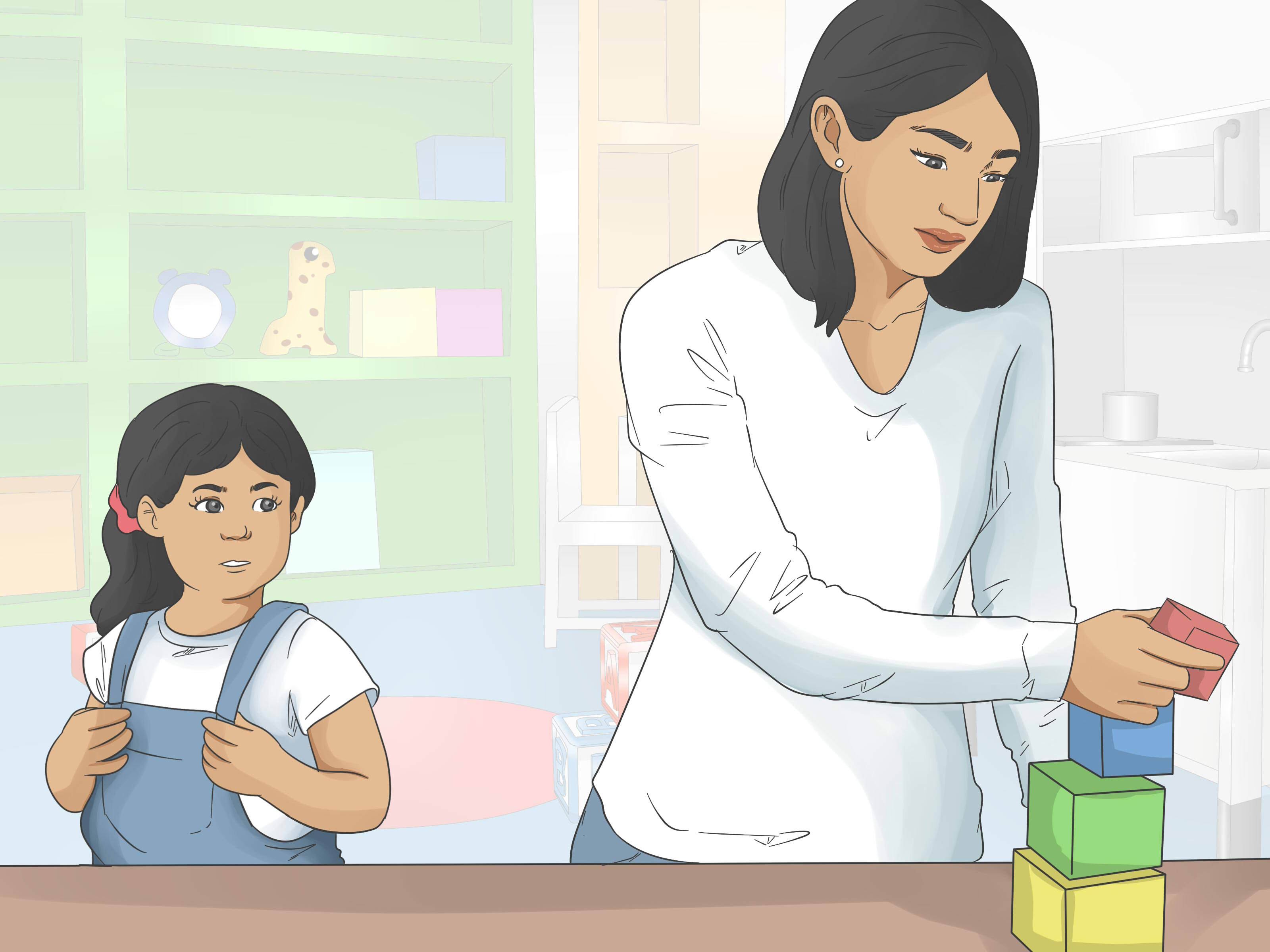
During child-led play, the adult joins without immediately taking over. If the child is building a cardboard spaceship, resist the temptation to become chief aerospace engineer. Ask what role you should play. Describe what the child is doing. Copy an action, contribute an idea when invited, and let the child make reasonable decisions.
Useful responses include:
- “You placed the wide block at the bottom to make the tower steady.”
- “What should my character do next?”
- “I wonder what will happen if we add another piece.”
- “You kept trying even when the bridge fell.”
This approach communicates respect for the child’s ideas. It also reduces the number of commands in the interaction. Responsive play works best when adults comment on the child’s focus rather than constantly redirecting attention toward an adult-designed goal.
Read as a Conversation, Not a Performance
Reading together is another valuable form of interaction. Instead of racing from the first page to the last as though the book is late for an appointment, pause to examine pictures, predict what might happen, connect the story to the child’s experiences, and discuss the characters’ feelings.
Interactive or dialogic reading allows the child to participate in telling and interpreting the story. Reading Rockets recommends asking questions, responding to the child’s ideas, and expanding on the child’s language. Reading aloud can support vocabulary, comprehension, oral language, literacy, and social-emotional conversations.
With younger children, you might ask, “Where is the red truck?” or imitate an animal sound. With older children, ask why a character made a choice or what the child might have done differently. Teenagers may prefer discussing a movie, song, game, news story, or online video. The medium matters less than the shared attention and exchange of ideas.
Use Ordinary Activities
Meaningful interaction does not require expensive toys or a color-coded activity calendar. Children can participate in cooking, gardening, sorting laundry, repairing something simple, walking the dog, organizing photographs, or planning a family meal.
During these activities, describe processes, ask for ideas, share appropriate decisions, and allow children to contribute. A preschooler can wash vegetables. A school-age child can read a recipe. A teenager can compare prices or plan part of the meal. The pancakes may not be symmetrical, but democracy is rarely tidy.
3. Name Emotions, Set Limits, and Notice Positive Behavior
Children are not born knowing how to identify frustration, tolerate disappointment, negotiate conflict, or calmly explain that someone has violated an important LEGO agreement. They learn emotional and relationship skills gradually through experience, guidance, and observation.
Adults can help by naming feelings, validating emotional experiences, modeling calm behavior, and teaching acceptable ways to act. Secure, trusting relationships support children’s developing ability to regulate emotions, while social-emotional learning includes skills such as empathy, active listening, cooperation, conflict resolution, and responsible decision-making.
Validate the Feeling Without Approving Every Action
Validation tells a child that the feeling makes sense, not that every response is acceptable. Consider the difference:
Dismissive response: “Stop crying. It is only a game.”
Validating response: “You are disappointed because you wanted another turn. It is okay to feel disappointed. It is not okay to throw the pieces.”
The second response combines empathy with a clear boundary. It also gives the child words that can eventually replace yelling, hitting, or collapsing onto the floor with the dramatic energy of a silent-film actor.
Younger children may need simple emotion labels such as happy, sad, worried, mad, excited, or frustrated. Older children can explore more precise feelings such as embarrassed, jealous, overwhelmed, excluded, relieved, or uncertain. Puppets, drawings, stories, photographs, and feeling charts can help children who struggle to answer direct questions about emotions.
Give Clear, Manageable Directions
When a child needs to do something, use specific language. “Be good” requires interpretation. “Please put the markers in the box and bring the paper to the table” explains what success looks like.
For younger children, give one or two steps at a time. Offer limited choices when both options are acceptable: “Would you like to put away the books or the blocks first?” Choices can support cooperation and a healthy sense of control, while predictable limits help children feel secure.
Use Specific, Honest Praise
Praise is most helpful when it identifies the behavior or effort being noticed. Compare “Good job” with “You waited until your sister finished speaking before you answered.” The second statement tells the child exactly what worked.
Specific praise can highlight patience, persistence, kindness, honesty, problem-solving, responsibility, or improvement. It should be genuine rather than constant. Children can usually detect praise that has been sprayed around the room like air freshener.
Guidance from the CDC, the American Academy of Pediatrics, and Child Mind Institute recommends giving positive attention to behaviors adults want to encourage and praising specific actions as children learn new skills.
4. Build Connection into Routines and Everyday Responsibilities
Children benefit from special outings and memorable adventures, but relationships are mostly built during ordinary days. Breakfast, school pickup, bath time, homework, chores, and bedtime provide repeated opportunities for interaction.
Predictable routines can help children understand what happens next, participate more independently, and feel secure. Regular family routines also reduce the need for adults to renegotiate every small task as though bedtime were an international treaty.
Create Small Connection Rituals
A ritual is a routine with emotional meaning. It can be simple:
- A special greeting after school
- Ten minutes of play after dinner
- A song during cleanup
- A bedtime question such as, “What was one good thing and one hard thing today?”
- A weekly walk with one child at a time
- A family meal without phones
Consistency matters more than length. Five attentive minutes can feel more connecting than an hour during which an adult repeatedly says, “Uh-huh,” while scrolling.
Invite Children to Contribute
Children often cooperate more readily when they feel like participants rather than passengers. Give age-appropriate responsibilities and explain how their contribution helps the group. A young child can place napkins on the table. An older child can pack part of a school lunch. A teenager can help plan transportation, manage a household task, or teach an adult how the television remote apparently became a graduate-level instrument.
Responsibilities should match the child’s age and abilities. Adults can explain the task clearly, practice it together, and gradually step back. Head Start guidance emphasizes that children learn through relationships, meaningful routines, exploration, and responsive adult support, while pediatric recommendations encourage age-appropriate chores and consistent family structure.
Adjust Your Interaction to the Child
Fair interaction does not always mean identical interaction. One child may enjoy energetic conversation, while another needs quiet time before talking. A child with a language delay may benefit from visual supports, gestures, shorter sentences, or extra response time. A child with sensory sensitivities may communicate better in a calm environment. Multilingual children should be encouraged to use their home language, which is a strength and an important part of family connection.
Age matters as well. Toddlers need short explanations, repetition, play, and immediate support. School-age children can discuss motives, consequences, friendships, and solutions. Teenagers often respond better when adults listen without sounding an internal emergency alarm every time an unfamiliar topic appears. The goal is not to communicate with every child in the same way; it is to communicate in a way that helps each child participate.
Common Interaction Mistakes to Avoid
Turning Every Conversation into a Lesson
Teaching is valuable, but children may stop sharing when every story produces a lecture. Sometimes the correct response to a child’s joke is simply to laughnot to extract a character-building objective from it.
Asking Questions Without Sharing Anything
Conversation should move in both directions. Adults can share age-appropriate experiences, mistakes, preferences, and feelings. Saying, “I felt nervous before my meeting today, so I took a few slow breaths,” models emotional awareness without making the child responsible for the adult’s emotional needs.
Correcting Feelings Instead of Behavior
A child does not need permission to experience an emotion. Adults can limit actions while accepting feelings: “You can be angry. You cannot call people names.”
Expecting Immediate Openness
Children may need time before discussing a difficult event. Keep the door open by saying, “You do not have to talk right now. I am available when you are ready.” Then behave like someone who is actually available.
Experiences That Show What Effective Interaction Looks Like
The following scenarios are composite examples based on common experiences reported by parents, caregivers, and educators. They are not descriptions of one identifiable child or family.
Experience 1: The Quiet School Pickup
An adult regularly asked an eight-year-old, “How was school?” The answer was always “Fine,” followed by silence. The adult initially assumed the child did not want to communicate. After changing the routine, a different pattern emerged.
Instead of asking questions immediately, the adult offered a snack and allowed ten minutes of quiet time. During the drive home, the adult casually said, “I made a mistake at work today and had to start something over.” The child responded with a story about getting an answer wrong in class.
The important change was not a magical question. The adult reduced pressure, chose a calmer moment, and shared something first. Over time, the car became a reliable place for conversation. Some days the child still said very little, but silence no longer felt like failure.
Experience 2: The Block Tower Disaster
A preschooler spent several minutes building a tower before another child knocked it over. The preschooler screamed, grabbed a block, and raised it as though preparing to file a very physical complaint.
The caregiver moved close, stopped the unsafe action, and said, “You are furious because your tower fell. I will not let you hit. Let us put the block down.” After the child calmed slightly, the caregiver helped both children decide whether to rebuild together or create separate building areas.
The feeling was accepted, the unsafe behavior was blocked, and the children were invited into the solution. The caregiver did not demand an immediate apology while the child was overwhelmed. The conversation happened after calm returned, when the child’s brain was more available for learning.
Experience 3: Letting the Child Direct the Game
A parent wanted more quality time with a six-year-old but found pretend play confusing and repetitive. The parent’s first instinct was to improve the game by adding rules. The child promptly lost interest.
The next time, the parent asked, “Who am I, and what is my job?” The child assigned the parent the role of a veterinarian treating a stuffed dragon with an extremely serious case of invisible hiccups. The parent followed the child’s story, asked questions, and allowed the dragon to recover according to the child’s medical protocol.
The game lasted only fifteen minutes, but the child returned to it several times that week. By surrendering control, the parent learned more about the child’s humor, worries, and imagination than would have emerged from a formal conversation.
Experience 4: Replacing General Praise
A teacher noticed that saying “Good job” produced smiles but did not always help students understand what they had done successfully. The teacher began using more specific observations: “You asked before borrowing the scissors,” “You tried three strategies before asking for help,” and “You made room so another student could join.”
Students gradually began using similar language with one another. Instead of simply saying that a drawing was nice, one child told another, “You used tiny lines to make the fur look real.” The adult’s language became a model for attention, encouragement, and respectful feedback.
Experience 5: The Bedtime Check-In
A family wanted deeper conversations but rarely found a convenient time. They introduced two bedtime questions: “What felt good today?” and “What felt difficult?” Participation was optional, and adults answered too.
At first, the children discussed dessert, lost pencils, and whose turn it was to feed the dog. Weeks later, the same routine created openings for conversations about friendship, fear, embarrassment, and school pressure. The ritual worked because it was predictable, brief, and not reserved only for moments when something had gone wrong.
These experiences reveal a practical truth: effective interaction is usually built through small adjustments rather than dramatic parenting transformations. Adults pause before solving, follow a child’s interest, describe behavior clearly, and create reliable opportunities for connection. Those choices may look ordinary, but repeated ordinary moments are how trust becomes part of everyday family and classroom life.
Conclusion
The best ways to interact with children are not complicated, but they do require intention. Listen with genuine attention. Join children in play and shared activities. Help them name emotions while maintaining clear, respectful limits. Finally, build connection into routines so communication does not occur only when there is a problem.
No adult will handle every moment perfectly. You will occasionally ask a question while staring at your phone, deliver a lecture nobody requested, or discover that your brilliant activity has been rejected in favor of the cardboard box it arrived in. What matters is the overall pattern: returning to the child, repairing misunderstandings, staying curious, and making room for the child’s voice.
Children do not need flawless interaction. They need caring adults who notice their signals, respond consistently, enjoy spending time with them, and guide them with warmth. That is how everyday conversations become stronger relationshipsand how a discussion about a crooked block tower can quietly teach trust, language, patience, and belonging.
SEO Tags
Note: This educational article synthesizes child-development guidance from reputable U.S. organizations, including the American Academy of Pediatrics, Centers for Disease Control and Prevention, Harvard Center on the Developing Child, American Psychological Association, National Association for the Education of Young Children, ZERO TO THREE, Child Mind Institute, Head Start, CASEL, Reading Rockets, PBS Kids, and the National Library of Medicine. It is not a substitute for individualized advice from a pediatrician, child-development specialist, or mental-health professional.