A Swiss Army Knife is the pocket-sized proof that good things do, in fact, come with tiny scissors, a screwdriver, and a mysterious hook you may not appreciate until the exact moment your backpack zipper betrays you. Whether you keep one in a camping kit, glove box, desk drawer, fishing tackle box, or kitchen junk drawer, this classic multitool is built around one simple idea: be prepared without carrying an entire hardware store in your pants.
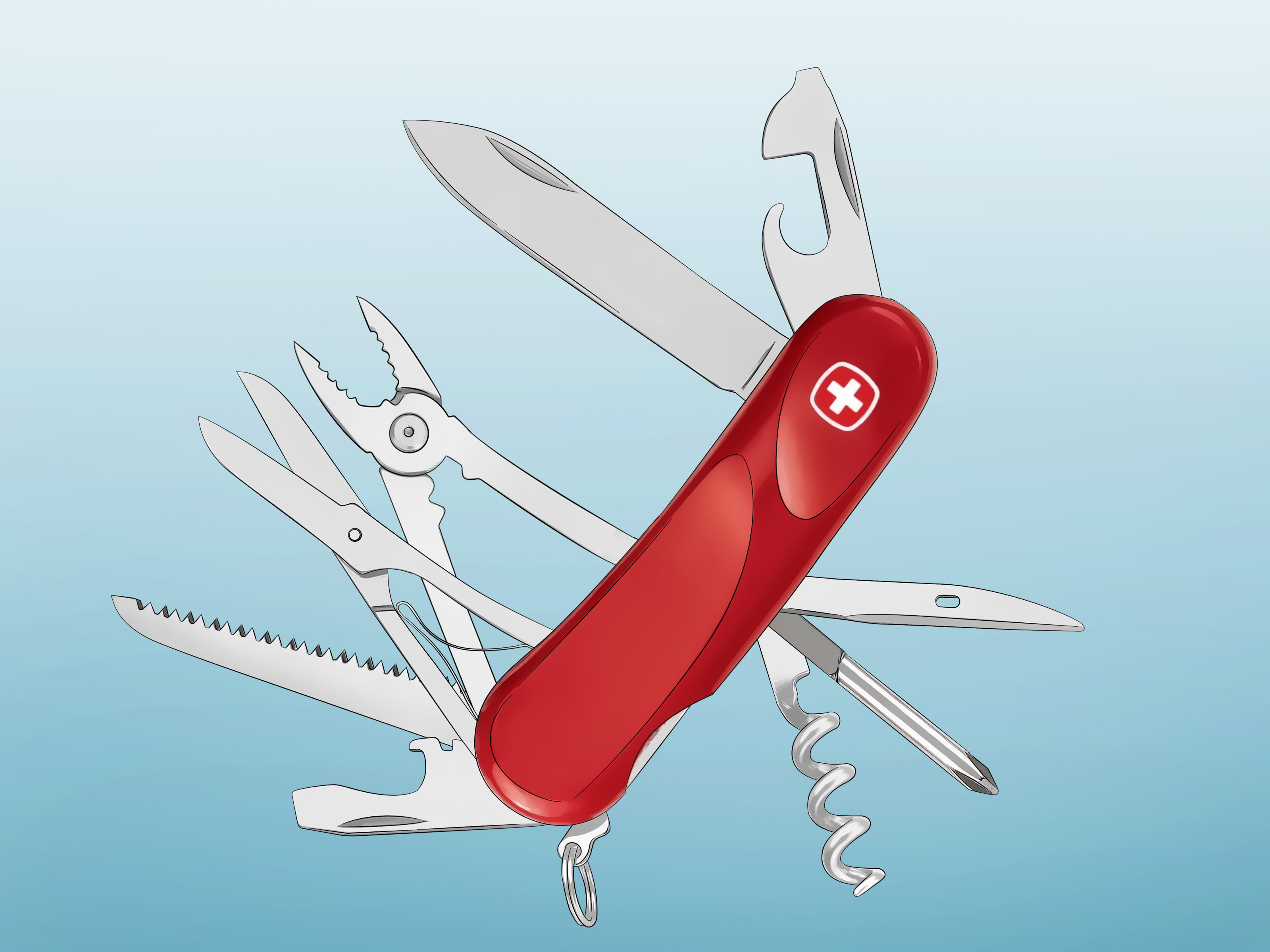
The best Swiss Army Knife is not just a knife. It is a compact problem-solving system. Depending on the model, it may include a blade, scissors, can opener, bottle opener, corkscrew, tweezers, toothpick, screwdriver, wire stripper, saw, nail file, awl, hook, pen, magnifier, and more. Some models are minimalist and keychain-friendly; others look like they could repair a bicycle, open lunch, groom a hedgehog, and negotiate peace between two stubborn tent poles.
Still, owning one is only half the story. Knowing how to use a Swiss Army Knife safely and practically is what turns it from “cool little red thing” into “why didn’t I carry this sooner?” This guide breaks the topic into three useful categories: everyday repairs, outdoor and food tasks, and personal-care or emergency fixes. Along the way, you will also learn safe handling habits, cleaning tips, and real-world examples that make this multitool more useful than a drawer full of forgotten gadgets.
Why a Swiss Army Knife Is Still Useful Today
In a world of smart devices, voice assistants, and appliances that require software updates to toast bread, the Swiss Army Knife remains wonderfully physical. It does not need Wi-Fi. It does not ask you to accept cookies. It simply sits there, ready to cut a loose thread, tighten a screw, open a package, remove a splinter, or rescue a picnic from a can with no pull tab.
Its value comes from three strengths: portability, versatility, and reliability. A full-sized toolbox is better when you are remodeling a house. A chef’s knife is better when you are chopping five pounds of onions. But when you need a small tool right now, the Swiss Army Knife often wins because it is already in your pocket or pack.
Before using one, remember the golden rule: treat every blade and tool with respect. Open only the tool you need, keep your fingers clear of the folding path, cut away from your body, and close tools when you are done. A Swiss Army Knife is friendly, but it is still made of steel, not marshmallow.
1. Use a Swiss Army Knife for Everyday Repairs
The first and most common way to use a Swiss Army Knife is for small daily fixes. These are the little problems that are too small for a toolbox but too annoying to ignore. A loose cabinet screw. A package sealed like it contains state secrets. A tag scratching your neck. A battery cover that refuses to open unless you offer it a tiny flathead screwdriver and emotional support.
Open Packages Without Destroying the Contents
The main blade is useful for opening cardboard boxes, padded envelopes, blister packs, and plastic wrapping. The key is control. Use the tip of the blade lightly and cut only the tape or outer layer. Do not plunge the blade into a box unless you enjoy discovering that you have sliced through the manual, the product, and possibly your dignity.
For safer package opening, place the item on a stable surface, keep your other hand out of the cutting path, and make short, shallow cuts. A sharp blade works better than a dull one because it requires less force. Less force means more control, and more control means fewer “well, that escalated quickly” moments.
Tighten Small Screws
Many Swiss Army Knife models include a flathead screwdriver, Phillips screwdriver, or small screwdriver built into another tool. These are perfect for eyeglass screws, battery compartments, small electronics covers, loose drawer handles, toys, travel gear, and pocket clips.
Use gentle pressure and match the tool size to the screw head. If the screwdriver is too large, it may strip the screw. If it is too small, it may slip. The goal is not to prove your upper-body strength; it is to make the screw turn. If a screw will not move, stop and use a proper screwdriver instead of forcing the multitool.
Trim Threads, Paper, and Light Materials
The scissors on many Swiss Army Knife models are surprisingly useful. They are excellent for cutting loose threads, trimming a bandage, opening snack bags, clipping coupons, cutting fishing line, or trimming a piece of tape. They are not designed for pruning trees, cutting wire, or replacing industrial shears, so do not ask them to live a life they did not choose.
For clean cuts, open the scissors fully and cut small sections at a time. If you are trimming fabric, pull the fabric flat so the scissors do not chew instead of cut. If the scissors feel sticky after cutting tape or adhesive labels, clean them before closing the tool.
Fix Zippers, Key Rings, and Small Gear
The small blade, hook, tweezers, and screwdriver can help with zipper pulls, split rings, keychains, tangled cords, and tiny knots. The multipurpose hook, found on some models, can lift packages tied with string, pull tight laces, or help carry bundled items for a short distance. It looks odd until the day it saves your fingers from a plastic shopping bag handle that has turned into a medieval torture device.
Use the right tool for the job rather than defaulting to the blade. The blade cuts; the screwdriver pries lightly; the hook pulls; tweezers grab. Choosing the right tool makes the knife last longer and keeps your fingers safer.
2. Use a Swiss Army Knife for Outdoor and Food Tasks
The Swiss Army Knife earned much of its reputation outdoors. Hikers, campers, scouts, anglers, gardeners, and travelers value it because it handles many small camp chores without taking much space. It is not a survival fantasy object. It is a practical tool for ordinary outdoor tasksthe kind that happen when you are hungry, slightly muddy, and realizing the can opener is sitting at home in the drawer next to the batteries.
Prepare Simple Camp Food
A clean Swiss Army Knife can slice fruit, cheese, sausage, bread, or vegetables during a picnic or camping trip. The can opener can help with canned beans, soup, tuna, or tomatoes. The bottle opener handles capped drinks, and the corkscrew can rescue a civilized outdoor dinner from becoming a grape-juice tragedy.
Food prep requires extra cleanliness. Wash the blade before and after cutting food, especially salty or acidic foods such as citrus, tomatoes, pickles, or cured meats. Wipe the tool dry before closing it. Moisture and food residue can make tools sticky, attract grit, and shorten the life of the knife.
Also, separate food tasks from dirty outdoor tasks. Do not scrape mud from a boot and then slice an apple unless you are trying to invent “trail seasoning.” Clean the blade properly before it touches anything you plan to eat.
Make Kindling and Camp Helpers
Some models include a small wood saw or a sturdy blade that can help prepare feather sticks, sharpen a roasting stick, trim twine, cut cord, or shape small pieces of kindling. Use these tools only on manageable materials. A Swiss Army Knife is not a hatchet, chainsaw, or magic wand. It is best for light work.
When carving or shaving wood, sit or stand in a stable position and cut away from your body. Keep people outside your safety circlean arm’s-length zone around you. If someone steps too close, stop cutting. The wilderness is large enough for everyone to keep their eyebrows intact.
Do not cut live trees unnecessarily, damage public property, or carve into picnic tables, benches, signs, or shelters. Responsible outdoor use means leaving places better than you found them.
Repair Outdoor Gear
On the trail or at camp, a Swiss Army Knife can fix small gear problems fast. Use scissors to trim frayed cord, the awl to start a hole in leather or canvas, the screwdriver to adjust a stove part, the tweezers to remove thorns, and the blade to cut tape for a temporary patch.
Common examples include cutting moleskin for a hot spot on your foot, trimming a broken shoelace, opening freeze-dried meal packaging, tightening a loose trekking pole screw, or removing a splinter from a wooden picnic table. These fixes are not glamorous, but they are exactly why the tool is useful.
Use It as Part of a First-Aid Kit
A Swiss Army Knife is not a replacement for a proper first-aid kit, but it can support one. Scissors can trim gauze, tape, or bandages. Tweezers can help remove small splinters or ticks when used carefully. The blade can cut clothing or cord in a non-emergency gear situation, though medical emergencies require calm judgment and proper first-aid knowledge.
If someone has a serious cut, deep puncture, uncontrolled bleeding, signs of infection, or an embedded object, seek medical help. Do not use a knife to explore a wound or perform dramatic movie-style medical heroics. Real first aid is less “action scene” and more “clean hands, pressure, bandage, and call for help when needed.”
3. Use a Swiss Army Knife for Personal Care and Emergency Convenience
The third way to use a Swiss Army Knife is for small personal-care and convenience tasks. These are not dramatic survival moments. They are the humble, everyday saves: trimming a broken nail before it snags your sweater, pulling a splinter, opening a stubborn key ring, or fixing a loose screw on sunglasses five minutes before a road trip.
Grooming and Travel Fixes
Many models include a nail file, nail cleaner, scissors, tweezers, toothpick, and sometimes a small pen or pin. These tools can help with quick grooming fixes, especially while traveling. The nail file smooths a sharp edge. The tweezers remove splinters or stray fibers. The scissors trim tags or hangnails.
Hygiene matters. Clean tweezers and toothpicks before use, and avoid sharing personal-care tools. If you use the tweezers for a splinter, clean them afterward. If the toothpick looks questionable, replace it if your model allows replacement. Your multitool should be useful, not a tiny museum of past lunches.
Emergency Convenience Tasks
A Swiss Army Knife can be valuable during minor inconveniences that feel major in the moment. It can cut a seat tag that scratches your neck, open a stuck battery compartment, trim duct tape for a quick repair, cut fishing line, tighten a loose license plate screw, open a bottle, or remove a thorn from a shoe sole.
In a car kit, it can help with small non-mechanical tasks. In a desk drawer, it can replace five small tools. In a backpack, it can support camping, school projects, travel, and everyday errands. The point is not that it does everything perfectly. The point is that it does many small things well enough when the “perfect” tool is nowhere nearby.
Carry It Responsibly
Responsible carry is part of responsible use. Laws and rules vary by location, school, workplace, public building, airport, and event venue. Pocket knives are generally not allowed in airplane carry-on bags in the United States, though they may be allowed in checked luggage when packed safely. Always check current rules before traveling.
Never bring a Swiss Army Knife into restricted spaces such as airports, courthouses, schools, stadiums, or secure government buildings unless you have confirmed it is allowed. When in doubt, leave it at home or pack it correctly. Losing your favorite knife at security is a uniquely sad experience: part inconvenience, part heartbreak, part “I should have checked.”
Swiss Army Knife Safety Tips Everyone Should Know
Safe use is simple, but it must become habit. Always open and close tools slowly. Keep your fingers away from the folding path. Use one tool at a time. Cut away from your body. Keep a stable grip. Do not use the blade as a pry bar. Do not throw the knife. Do not hand it to someone with the blade open. Close it first, then pass it handle-first.
Work in good light whenever possible. Many accidents happen when people rush, cut toward themselves, or use the wrong tool. A Swiss Army Knife is best at controlled, small tasks. If the job requires heavy force, a larger tool is probably safer.
Children and beginners should learn with supervision. A pocketknife can teach responsibility, patience, and practical skill, but only when safety rules are taken seriously. The tool is small, not harmless.
How to Clean and Maintain a Swiss Army Knife
A well-maintained Swiss Army Knife opens smoothly, cuts cleanly, and lasts for years. A neglected one becomes sticky, dull, rusty, and about as pleasant to use as a vending machine that eats your money.
Clean It After Dirty or Food-Related Tasks
After using the blade on food, sap, dirt, tape, or salty materials, rinse and wipe it clean. Use warm water, mild soap when needed, and a soft cloth or brush. Avoid dishwashers. Dishwashers use heat, harsh detergent, and prolonged moisture that can damage the tool, loosen parts, and dull edges.
Open and close each tool carefully while cleaning to remove grit from the joints. Dry the knife thoroughly before storing it. Moisture trapped inside the handle can cause corrosion or sticky movement over time.
Oil the Joints Lightly
If the tools become stiff, apply a tiny amount of food-safe knife oil to the pivot points. Open and close the tool a few times to distribute the oil, then wipe away the excess. More oil is not better. Too much oil attracts lint and dirt, turning your pocket tool into a dust sandwich.
Keep the Blade Sharp
A sharp blade is safer than a dull blade because it cuts with less force and more control. Use a proper sharpening tool and follow the blade angle carefully. If you are not confident, practice on a less valuable knife first or have it professionally sharpened. Avoid grinding aggressively; the goal is to restore the edge, not redesign the blade.
Common Mistakes to Avoid
The first mistake is using the blade for everything. The screwdriver exists for screws. The opener exists for bottles and cans. The scissors exist for precise cutting. Using the wrong tool can damage the knife or cause slips.
The second mistake is prying with the blade. Pocketknife blades are made for cutting, not levering open paint cans, lifting staples, or convincing stuck lids to surrender. Use a proper pry tool when leverage is required.
The third mistake is storing the knife wet or dirty. A quick wipe takes seconds and prevents long-term problems. The fourth mistake is carrying it where it is not allowed. A Swiss Army Knife is useful only if you still have it after passing through security.
Real-Life Experiences: What Carrying a Swiss Army Knife Teaches You
After you carry a Swiss Army Knife for a while, you begin noticing tiny problems differently. Before, a loose screw was a future chore. Now, it is a ten-second fix. A splinter was a full production involving bathroom lighting, dramatic squinting, and a borrowed needle. Now, the tweezers are right there. A package wrapped in industrial-strength plastic was once a battle between teeth, keys, and regret. Now, one careful slice does the job.
One of the most useful lessons is that preparedness does not have to be dramatic. You do not need to be climbing a mountain during a thunderstorm to appreciate a multitool. Sometimes the best moment happens at a family picnic when nobody remembered a bottle opener. You unfold the opener, pop the cap, and suddenly you are not just a person with a pocketknife. You are the hero of sparkling lemonade.
Camping makes the value even clearer. A Swiss Army Knife can trim cord for a tarp, slice cheese for lunch, cut moleskin for a blister, open a can of beans, and sharpen a roasting stick. None of these jobs are enormous, but together they make a trip smoother. The tool becomes part of the rhythm of camp life: cook, fix, adjust, clean, repeat.
Travel teaches a different lesson: know the rules. Many people have lost beloved pocket knives at airport security because they forgot the knife was in a backpack. The sad little tray at the checkpoint has probably collected enough multitools to build a tiny silver mountain. Before flying, check your bags carefully. If you want to bring the knife, pack it safely in checked luggage according to current rules.
Daily carry also teaches restraint. Just because you have a blade does not mean the blade is the right tool. Use the scissors for paper, the screwdriver for screws, and the tweezers for tiny grabby jobs. This habit keeps the knife in better condition and makes you safer. The more you use a Swiss Army Knife, the more you appreciate that its genius is not brute force. It is the right small tool at the right small moment.
Finally, owning one teaches maintenance. A clean, lightly oiled knife feels satisfying. The tools snap open smoothly, the blade cuts cleanly, and the whole thing feels ready. Neglect it, and it becomes stiff, sticky, and unpleasant. Take care of it, and it may last long enough to become one of those objects with stories attached: the knife that fixed the tent pole, opened the anniversary wine, trimmed the graduation robe tag, or saved the road trip snacks from impossible packaging.
Conclusion
A Swiss Army Knife is useful because life is full of small, awkward problems. You can use it for everyday repairs, outdoor and food tasks, and personal-care or emergency convenience. The secret is to use the correct tool, handle every blade safely, clean the knife after messy jobs, and carry it only where it is allowed.
It will not replace a full toolbox, chef’s knife, first-aid kit, or common sense. But it will make you more prepared for the little moments that interrupt ordinary life. And sometimes, being the person who can open the can, tighten the screw, trim the bandage, or fix the zipper is more impressive than it sounds.
Note: This article is for responsible, lawful, everyday tool use. Always follow local laws, workplace rules, school policies, venue restrictions, and current travel regulations before carrying or using a Swiss Army Knife.