A high protein low carb diet sounds simple enough: eat more protein, eat fewer carbs, and somehow become the calm, meal-prepping adult you always suspected was hiding under the hoodie. In real life, it works best when it is less about punishment and more about smart food choices. The goal is not to declare war on every potato in town. It is to build meals around satisfying protein, plenty of non-starchy vegetables, healthy fats, and fewer refined carbs that leave you hungry again before your dishes are even dry.
Protein supports muscle repair, helps you feel full, and gives meals staying power. Lowering carbs can also help some people manage appetite, blood sugar swings, and snack cravings, especially when they replace sugary or refined foods with nutrient-dense options. But quality matters. A plate full of bacon, mystery sausage, and regret is technically low carb, but it is not exactly a love letter to your heart.
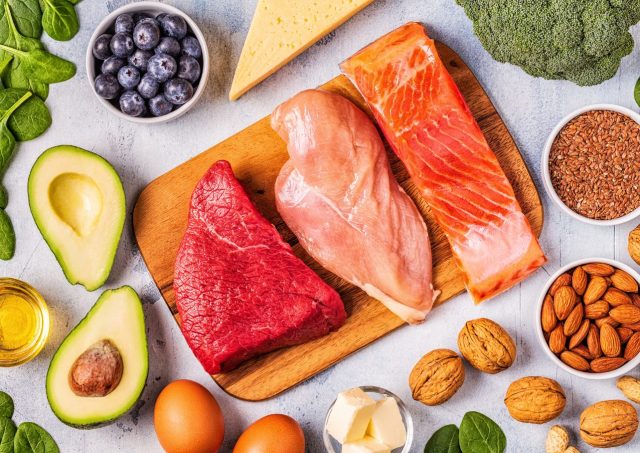
This guide breaks down 15 practical foods to eat on a high protein low carb diet, including animal-based, seafood, dairy, plant-based, and vegetable options. Think of it as a grocery list with common sense, flavor, and zero lectures from a smug broccoli.
What Makes a Food Good for a High Protein Low Carb Diet?
The best choices usually do three things well. First, they provide meaningful protein. Second, they keep carbohydrates modest. Third, they bring extra nutrition to the table, such as omega-3 fats, calcium, iron, fiber, potassium, magnesium, or antioxidants. A smart high protein low carb diet should not feel like eating plain chicken while staring sadly out a window. It should include texture, color, sauces, herbs, and enough variety that your taste buds do not file a formal complaint.
For most people, the strongest foundation includes lean poultry, fish, eggs, low-fat or unsweetened dairy, tofu, tempeh, nuts, seeds, and lots of non-starchy vegetables. Processed meats should stay in the “sometimes” category because they are often high in sodium and saturated fat. The same goes for ultra-processed protein snacks that look healthy until the label reveals they are basically candy bars wearing gym clothes.
15 Foods To Eat On A High Protein Low Carb Diet
1. Eggs
Eggs are the dependable friend of the high protein low carb world. One large egg has about 6 grams of protein and almost no carbs, making it easy to use at breakfast, lunch, dinner, or that awkward 4 p.m. snack when your stomach starts composing dramatic poetry.
Try eggs scrambled with spinach, boiled for grab-and-go snacks, baked into egg muffins, or served over avocado and greens. Whole eggs provide vitamins and minerals, while egg whites can add extra protein with fewer calories and less fat.
2. Chicken Breast
Chicken breast is popular for a reason: it is lean, versatile, and high in protein. It works in salads, lettuce wraps, soups, stir-fries, grilled plates, and meal-prep bowls. The trick is not to cook it until it has the emotional texture of cardboard.
Marinate it with lemon juice, garlic, herbs, Greek yogurt, mustard, or low-sugar hot sauce. Pair it with roasted broccoli, cauliflower rice, cucumber salad, or zucchini noodles for a filling low carb meal.
3. Turkey Breast
Turkey breast is another lean protein choice that fits beautifully into a high protein low carb eating plan. Fresh roasted turkey is usually a better choice than heavily processed deli slices, which can be high in sodium and preservatives.
Use turkey breast in lettuce cups with avocado, chopped tomatoes, and a yogurt-based sauce. You can also make turkey burgers without breadcrumbs by mixing ground turkey with egg, herbs, garlic, and a little grated zucchini for moisture.
4. Salmon
Salmon brings protein plus healthy fats, including omega-3 fatty acids. It is rich, satisfying, and flavorful enough that it does not need much help. A little salt, pepper, lemon, and olive oil can make it taste like you know what you are doingeven on a Tuesday.
Serve salmon with asparagus, sautéed spinach, cabbage slaw, or a cucumber-dill salad. For quick meals, canned salmon can be mixed with Greek yogurt, celery, herbs, and mustard for a low carb salmon salad.
5. Tuna and Sardines
Tuna and sardines are pantry heroes. They are high in protein, low in carbs, and convenient when your refrigerator is giving “empty apartment in a movie scene” energy. Sardines also provide calcium when eaten with soft bones, while tuna is mild and easy to use in simple meals.
Choose tuna packed in water or olive oil, and watch sodium levels if you eat canned seafood often. Try tuna lettuce boats, tuna-stuffed avocado, sardines over greens, or tuna salad made with Greek yogurt instead of heavy mayonnaise.
6. Shrimp
Shrimp is lean, quick-cooking, and naturally low in carbs. It is excellent for busy nights because it goes from frozen to dinner-ready faster than many people can decide what to watch on streaming.
Cook shrimp with garlic, chili flakes, lime, and olive oil. Serve it over cauliflower rice, zucchini noodles, shredded cabbage, or a big salad. Shrimp also works well in low carb tacos using lettuce leaves instead of tortillas.
7. Lean Beef
Lean beef can fit into a high protein low carb diet when portions are reasonable and cuts are chosen carefully. Look for sirloin, tenderloin, flank steak, top round, or lean ground beef. Beef provides protein, iron, zinc, and B vitamins, but it should not be the only protein in your weekly lineup.
Balance beef meals with vegetables and lighter sides. Try steak salad with arugula, cucumber, tomatoes, and blue cheese crumbles, or lean beef stir-fry with broccoli and mushrooms. Keep processed beef products like hot dogs and many sausages as occasional choices.
8. Pork Tenderloin
Pork tenderloin is leaner than many people expect and offers a satisfying protein option for low carb meals. It cooks well with herbs, smoked paprika, garlic, rosemary, or mustard. Unlike bacon, it does not bring an entire marching band of saturated fat and sodium to the plate.
Pair sliced pork tenderloin with roasted Brussels sprouts, sautéed cabbage, green beans, or cauliflower mash. Leftovers are excellent in lettuce wraps with crunchy slaw and a low-sugar dressing.
9. Plain Greek Yogurt
Plain Greek yogurt is higher in protein and lower in carbs than many regular sweetened yogurts. The key word is plain. Flavored yogurts can contain enough added sugar to make dessert jealous.
Use Greek yogurt as breakfast with chia seeds and a few berries, or make it savory with cucumber, garlic, lemon, and dill for a tzatziki-style sauce. It also works as a replacement for sour cream in bowls, dips, and dressings.
10. Cottage Cheese
Cottage cheese is a high protein low carb classic that has somehow survived every food trend from grapefruit diets to charcoal everything. It is convenient, filling, and easy to make sweet or savory.
For a savory snack, top cottage cheese with cracked pepper, cucumber, cherry tomatoes, and herbs. For a sweeter version, add cinnamon and a few berries. Choose lower-sodium varieties if salt intake is a concern.
11. Tofu
Tofu is a plant-based protein made from soybeans. It is low in carbs, adaptable, and excellent at absorbing flavor. If someone says tofu is boring, they may have eaten it plain, which is like judging music after hearing one sad kazoo note.
Use firm tofu in stir-fries, air-fried cubes, tofu scrambles, or lettuce bowls. Pressing tofu before cooking helps remove water and improves texture. Add soy sauce or coconut aminos, ginger, garlic, sesame oil, and chili for big flavor without adding many carbs.
12. Tempeh
Tempeh is another soy-based protein, but it has a firmer texture and nuttier flavor than tofu. It is slightly higher in carbs than some animal proteins, but it also brings fiber, making it a strong option for people who want more plant-based meals.
Slice tempeh thin, marinate it, and pan-sear it until crispy. Add it to salads, low carb bowls, cabbage wraps, or vegetable stir-fries. Because it is hearty, tempeh can make meatless meals feel genuinely satisfying.
13. Edamame
Edamame, or young soybeans, offers plant protein, fiber, and a pleasant snackable texture. It contains some carbs, but much of that comes with fiber, so it can still fit into many moderate low carb plans.
Steam edamame and sprinkle it with sea salt, chili flakes, or garlic powder. You can also add shelled edamame to salads, cauliflower rice bowls, or vegetable soups for a protein boost.
14. Nuts and Seeds
Almonds, walnuts, pumpkin seeds, chia seeds, hemp hearts, and flaxseeds can all support a high protein low carb diet. They provide protein, healthy fats, fiber, and minerals. They are also dangerously easy to overeat, because “just one handful” can become “apparently I live inside this almond bag now.”
Use nuts and seeds as toppings rather than unlimited snacks. Add hemp hearts to Greek yogurt, chia seeds to low carb pudding, pumpkin seeds to salads, or crushed almonds to green beans.
15. Non-Starchy Vegetables
Non-starchy vegetables may not be protein giants, but they are essential on a high protein low carb diet. Spinach, broccoli, cauliflower, zucchini, asparagus, mushrooms, peppers, cucumbers, lettuce, cabbage, and green beans add fiber, volume, vitamins, and crunch.
These vegetables help prevent the classic low carb mistake: eating protein and fat while forgetting that your digestive system enjoys fiber. Build plates with protein plus at least one or two non-starchy vegetables. Your meals will look better, taste fresher, and feel more complete.
How to Build a High Protein Low Carb Meal
A simple formula works almost every time: choose one protein, add two low carb vegetables, include a small amount of healthy fat, and season aggressively. Bland food is not a diet strategy. It is a cry for help.
- Breakfast: Eggs with spinach, mushrooms, and cottage cheese.
- Lunch: Grilled chicken salad with avocado, cucumber, pumpkin seeds, and olive oil vinaigrette.
- Dinner: Salmon with roasted asparagus and cauliflower mash.
- Snack: Plain Greek yogurt with chia seeds or tuna cucumber bites.
If you are reducing carbs, pay attention to fiber and hydration. Some people feel tired or constipated when they cut carbs too quickly, especially if they also forget vegetables. Add leafy greens, chia seeds, flaxseeds, avocado, broccoli, cauliflower, and other fiber-rich low carb foods to keep things moving in a civilized manner.
Foods to Limit on a High Protein Low Carb Diet
You do not have to live in fear of carbs, but some foods make low carb goals harder. Sugary drinks, candy, pastries, white bread, sweetened cereals, chips, large servings of pasta, and desserts can add carbs quickly without much fullness. Fruit juice is another sneaky one; it can deliver sugar fast without the fiber of whole fruit.
Also be cautious with processed meats such as bacon, hot dogs, pepperoni, and many packaged sausages. They may be low carb, but they are often high in sodium and saturated fat. If you eat them, treat them as occasional flavor boosters rather than the main character of every meal.
Common Mistakes People Make
Going Too Low on Vegetables
Some beginners hear “low carb” and accidentally translate it as “no plants allowed.” That is not the move. Non-starchy vegetables provide fiber, potassium, magnesium, vitamin C, folate, and antioxidants. They make meals bigger and more satisfying without adding many carbs.
Choosing Protein Without Checking the Full Label
Protein bars, shakes, flavored yogurts, and jerky can be useful, but the label matters. Check grams of protein, total carbs, added sugars, sodium, and saturated fat. A product with “protein” on the front may still have enough sugar to make your pancreas raise an eyebrow.
Eating the Same Three Foods Forever
Chicken, eggs, and broccoli can work, but eating only those three foods is how a diet becomes a hostage situation. Rotate seafood, poultry, lean meat, soy foods, dairy, nuts, seeds, and different vegetables. Variety improves nutrition and makes the plan easier to maintain.
Experience Section: What This Diet Feels Like in Real Life
People often imagine a high protein low carb diet as a dramatic lifestyle makeover involving spotless containers, color-coded groceries, and a refrigerator that looks like it belongs to a fitness influencer. Real life is usually messier and more useful. The first experience many people notice is that breakfast becomes more important. A meal built around eggs, Greek yogurt, cottage cheese, or leftover chicken can feel far more stable than a sweet pastry or cereal that disappears emotionally and physically within an hour.
The second experience is learning that protein needs seasoning. This sounds obvious, but it is where many people fail. Plain grilled chicken every day can turn enthusiasm into rebellion. The better approach is to keep a few low carb flavor tools ready: mustard, salsa without added sugar, hot sauce, lemon juice, vinegar, garlic, herbs, spices, pickles, pesto, Greek yogurt sauces, and olive oil dressings. With those around, the same basic protein can become Mediterranean, Tex-Mex, spicy Asian-inspired, or backyard barbecue-style without needing a pile of bread or rice.
Another common experience is realizing that snacks change. Instead of crackers, cookies, or chips, people start reaching for boiled eggs, tuna cucumber bites, cottage cheese, turkey roll-ups, edamame, almonds, or Greek yogurt. At first, it may feel strange. Snacks used to crunch loudly and leave crumbs in the keyboard. But higher protein snacks often keep hunger quieter for longer, which is very convenient if you are trying to avoid negotiating with a vending machine at 3 p.m.
Meal prep also becomes less intimidating once you stop trying to cook perfect meals from scratch every day. A practical routine might include roasting a tray of chicken thighs or breasts, boiling eggs, washing lettuce, chopping cucumbers, steaming broccoli, and keeping canned tuna or salmon in the pantry. From there, meals become assembly instead of a nightly cooking competition. A salad with chicken, avocado, pumpkin seeds, and dressing takes minutes. Shrimp with frozen cauliflower rice can be faster than delivery. Cottage cheese with tomatoes and pepper is not fancy, but it gets the job done.
Social situations can be trickier. Restaurants, parties, and family dinners often come with bread baskets, fries, desserts, and relatives who believe declining cake is a personal attack. The easiest approach is flexibility. Choose grilled fish, steak, chicken, eggs, bunless burgers, salads, or vegetable sides when possible. If you want a small portion of something higher carb, enjoy it intentionally and move on. A sustainable diet should survive birthdays, travel, and the occasional “I ate the fries” moment without collapsing into guilt.
The biggest lesson is that a high protein low carb diet works best when it feels like normal eating with smarter defaults. Keep protein ready, make vegetables automatic, use flavor generously, and avoid turning food into a math test. Consistency beats perfection, especially when perfection tastes like dry chicken and sadness.
Note: This article is for general educational purposes only and is not medical advice. People with kidney disease, diabetes, pregnancy, a history of eating disorders, or prescribed nutrition plans should speak with a qualified healthcare professional or registered dietitian before making major diet changes.