Some dinners politely ask to be served on a plate. Beef bourguignon, on the other hand, has main-character energy. It bubbles away in a Dutch oven, filling the kitchen with the kind of deep, savory aroma that makes everyone wander in “just to check.” Translation: they are hoping for a spoonful.
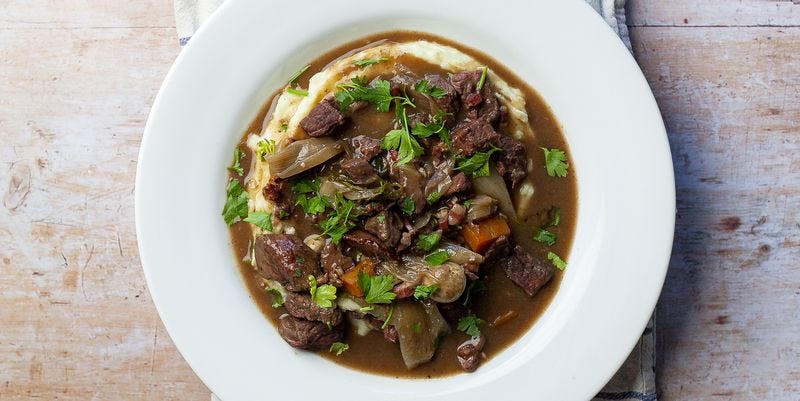
This beef bourguignon recipe is rich, glossy, and packed with tender chunks of slow-braised beef, smoky bacon, mushrooms, pearl onions, carrots, garlic, herbs, and red wine sauce. It is the kind of French beef stew that tastes like you worked far harder than you did. Yes, there are a few steps. No, this is not a dump-and-run dinner. But every bit of browning, simmering, and stirring pays rent in flavor.
Think of it as beef stew wearing a velvet jacket. Comforting? Absolutely. Elegant? Also yes. Good enough to eat straight from the pot while pretending you are “checking seasoning”? No comment, but keep a clean spoon nearby.
What Is Beef Bourguignon?
Beef bourguignon, also known as beef Burgundy or boeuf bourguignon, is a classic French red wine beef stew. Traditionally, it features beef slowly cooked with wine, stock, bacon or salt pork, onions, carrots, mushrooms, herbs, and sometimes tomato paste for depth. The dish comes from Burgundy, a French region famous for wine, which explains why the sauce tastes like it knows a thing or two about good living.
The magic comes from slow braising. A tougher cut of beef, such as chuck roast, becomes wonderfully tender as it cooks gently in a flavorful liquid. The wine mellows, the beef releases richness, the bacon adds smoky depth, and the mushrooms soak up the sauce like tiny flavor sponges. By the end, you have a pot of deeply savory comfort food that feels both rustic and restaurant-worthy.
Why This Beef Bourguignon Recipe Works
A great beef bourguignon recipe is not complicated because it wants to annoy you. It has steps because flavor is built in layers. First, bacon renders its fat. Then the beef browns in that savory base. Vegetables follow, picking up the browned bits stuck to the pot. Red wine and beef stock loosen everything into a sauce that becomes richer as it simmers.
This version keeps the classic spirit but makes the process realistic for a home kitchen. You will use accessible ingredients, simple timing, and practical tips that help avoid the two biggest stew crimes: tough beef and watery sauce. The result is tender slow-braised beef in a glossy red wine gravy with sweet pearl onions and browned mushrooms folded in near the end.
The Best Cut of Beef for Bourguignon
Choose beef chuck roast if you can. It has the right balance of meat, fat, and connective tissue, which breaks down during braising and gives you that fork-tender texture. Brisket or beef shoulder can also work well. Avoid very lean stew meat if possible; lean beef can dry out before the sauce has time to develop.
Cut the beef into large pieces, about 1 1/2 to 2 inches. Small cubes may cook too quickly and can become dry or stringy. Bigger pieces stay juicy and feel luxurious on the spoon.
What Wine Should You Use?
Use a dry red wine you would happily drink. Burgundy is traditional, but you do not need to empty your savings account into the pot. Pinot Noir, Merlot, Cabernet Sauvignon, or Côtes du Rhône can all work beautifully. Skip anything labeled “cooking wine,” which is usually salty and flat. The wine is a major part of the sauce, so give it something with character.
Ingredients
- 3 pounds beef chuck roast, cut into 1 1/2- to 2-inch chunks
- 6 ounces thick-cut bacon, diced
- 2 tablespoons olive oil, as needed
- 1 large yellow onion, diced
- 2 large carrots, sliced into thick rounds
- 4 cloves garlic, minced
- 2 tablespoons tomato paste
- 2 tablespoons all-purpose flour
- 3 cups dry red wine
- 2 cups beef stock, plus more if needed
- 1 bay leaf
- 4 sprigs fresh thyme, or 1 teaspoon dried thyme
- 1 teaspoon kosher salt, plus more to taste
- 1/2 teaspoon freshly ground black pepper
- 12 ounces mushrooms, halved or quartered
- 1 1/2 cups pearl onions, frozen and thawed or peeled fresh
- 2 tablespoons unsalted butter
- Fresh parsley, chopped, for garnish
How to Make Beef Bourguignon
Step 1: Dry and Season the Beef
Pat the beef dry with paper towels. This step may seem small, but it makes a huge difference. Wet beef steams instead of browns, and browning is where the big, beefy flavor begins. Season the pieces with salt and pepper.
Step 2: Cook the Bacon
Place a large Dutch oven over medium heat. Add the diced bacon and cook until the fat renders and the bacon is browned but not burned. Use a slotted spoon to transfer the bacon to a plate. Leave the fat in the pot. That bacon fat is not just fat; it is flavor wearing a cape.
Step 3: Brown the Beef in Batches
Increase the heat to medium-high. Add the beef in a single layer, working in batches so the pot is not crowded. Brown the pieces on several sides, then move them to the plate with the bacon. If the pot looks dry, add a little olive oil.
Do not rush this step. Browning gives the stew its deep, roasted flavor. If you pile all the meat in at once, it will steam, turn gray, and sulk. Give the beef space to shine.
Step 4: Build the Aromatic Base
Lower the heat to medium. Add the diced onion and carrots to the pot. Cook for about 5 minutes, stirring occasionally, until the onion softens and the carrots begin to pick up color. Add the garlic and tomato paste, then cook for 1 minute. The tomato paste should darken slightly, which adds body and a subtle sweetness to the sauce.
Step 5: Add Flour, Wine, and Stock
Sprinkle the flour over the vegetables and stir well. Cook for about 1 minute to remove the raw flour taste. Slowly pour in the red wine, scraping the bottom of the pot to loosen all those browned bits. Add the beef stock, bay leaf, thyme, browned beef, and bacon.
The liquid should mostly cover the beef. If it looks too low, add a splash more stock. Bring everything to a gentle simmer.
Step 6: Braise Until Tender
Cover the pot and transfer it to a 325°F oven. Cook for about 2 1/2 to 3 hours, or until the beef is fork-tender. You can also simmer it gently on the stovetop, but the oven gives more even heat and reduces the risk of scorching.
The stew is ready when the beef yields easily but still holds its shape. If it resists, give it more time. Beef bourguignon rewards patience, not panic.
Step 7: Brown the Mushrooms and Pearl Onions
About 30 minutes before the stew is done, melt the butter in a skillet over medium-high heat. Add the mushrooms and cook until browned and their moisture has evaporated. Add the pearl onions and cook for another few minutes until lightly golden.
Cooking the mushrooms separately keeps them from turning rubbery and helps them bring deeper flavor to the finished dish. Stir them into the stew during the last 15 to 20 minutes of cooking.
Step 8: Finish the Sauce
Remove the bay leaf and thyme stems. Taste the sauce and adjust with salt and pepper. If the sauce is too thin, remove the beef and vegetables with a slotted spoon, then simmer the sauce uncovered until it thickens slightly. Return everything to the pot and stir gently.
The final sauce should be silky, savory, and rich enough to coat the back of a spoon. It should not taste sharply of wine. It should taste like beef, herbs, earthiness, and one excellent life choice.
What to Serve With Beef Bourguignon
Beef bourguignon loves a cozy side dish. Creamy mashed potatoes are the classic “please pour sauce on me” option. Buttered egg noodles are wonderful, especially if you want something simple and nostalgic. Crusty bread is essential if you believe no sauce should be left behind. You can also serve it over polenta, roasted potatoes, or even cauliflower mash for a lighter plate.
For vegetables, keep things simple. A crisp green salad with vinaigrette balances the richness. Green beans, roasted asparagus, or garlicky sautéed greens also work well. This stew is bold, so the sides do not need to perform a Broadway number.
Make-Ahead and Storage Tips
Beef bourguignon is one of those magical dishes that often tastes even better the next day. After cooling, refrigerate it in an airtight container. The flavors settle, deepen, and become more harmonious overnight. It is meal prep with a French accent.
For food safety, refrigerate leftovers within 2 hours of cooking. Store them for 3 to 4 days in the refrigerator, or freeze for longer storage. Reheat gently on the stovetop over low heat, adding a splash of stock if the sauce has thickened too much.
Common Mistakes to Avoid
Skipping the Browning
Browning the beef is not optional if you want deep flavor. It creates the foundation of the stew. Give the beef space, use enough heat, and let it develop a crust before turning.
Using the Wrong Wine
The wine does not need to be expensive, but it should taste good. If you would not sip it, do not simmer three pounds of beef in it. Harsh wine makes harsh sauce.
Boiling Instead of Braising
A hard boil can make the beef tough. Keep the stew at a gentle simmer. Low and slow is the mood. This is not a race; it is dinner therapy.
Adding Mushrooms Too Early
Mushrooms are best when browned separately and added near the end. This keeps them flavorful and gives the stew better texture.
Flavor Variations
For a deeper sauce, add a splash of brandy or cognac after browning the vegetables, then let it reduce briefly before adding the wine. For a slightly sweeter, rounder flavor, add a tiny pinch of sugar if your wine tastes acidic. If you prefer a thicker gravy, mash 1 tablespoon of softened butter with 1 tablespoon of flour and stir it into the sauce at the end.
If you do not cook with wine, substitute additional beef stock with a tablespoon of balsamic vinegar or red wine vinegar for acidity. It will not be classic beef Burgundy, but it will still be a satisfying slow-braised beef stew.
Why This Recipe Feels So Special
Beef bourguignon is special because it turns humble ingredients into something memorable. Chuck roast, carrots, onions, mushrooms, bacon, and wine are not rare ingredients. But when they are cooked carefully, they become rich, tender, and layered. It is the culinary version of putting on nice shoes and suddenly feeling like you have your life together.
This is also a recipe that invites people to gather. It smells incredible long before it is served. It encourages second helpings. It makes the table quieter for a moment because everyone is busy enjoying the first bite. Then come the compliments, the questions, and at least one person asking whether there is more sauce.
Extra Kitchen Experience: The Pot-Lid Moment That Makes Beef Bourguignon Worth It
There is a specific moment in making beef bourguignon that every home cook should experience at least once. It happens when the stew has been in the oven for a couple of hours, the house smells like a tiny French bistro moved into your kitchen, and you lift the lid “just to see.” Steam rolls up, the sauce bubbles lazily, and the beef looks darker, softer, and far more confident than it did when it went in.
That is the moment when you understand why people keep returning to this recipe. It is not just dinner. It is a little ceremony. You started with raw beef, chopped vegetables, a bottle of red wine, and a pile of mushrooms. Somehow, through heat and time, the pot transformed those everyday things into something that feels generous.
The first time I made beef bourguignon at home, I underestimated the power of patience. I wanted to hurry the browning step, because standing over a pot while beef browns in batches does not seem glamorous. But the batch I rushed looked pale and dull, while the properly browned pieces had a deep crust and a smell that made the kitchen feel instantly warmer. Lesson learned: the pot knows when you are cutting corners.
Another useful experience is learning how the sauce changes. At first, the wine can smell sharp and almost too bold. Do not panic. As it cooks with stock, herbs, bacon, and beef juices, that sharpness softens. The sauce becomes rounder and deeper. By the end, it should taste savory, not boozy. If it still tastes a little too bright, a longer simmer or a small pinch of sugar can help balance it.
Mushrooms are another tiny adventure. If you toss them into the stew raw, they cook, yes, but they do not become their best selves. Brown them in butter first and they turn nutty, meaty, and beautifully concentrated. The same goes for pearl onions. When they are lightly browned before joining the stew, they add sweetness and charm. They look like little edible ornaments, which is the sort of detail that makes a pot of stew feel special.
Serving beef bourguignon also teaches you something about restraint, mainly because restraint becomes very difficult. You ladle it over mashed potatoes, watch the sauce settle into every buttery dip and valley, and suddenly understand why bread exists. A slice of crusty bread is not optional. It is a sauce rescue tool.
The best part may be the leftovers. The next day, the sauce is thicker, the flavor is deeper, and the beef seems even more tender. It becomes the kind of lunch that makes you feel slightly smug, especially if everyone else is eating a sad desk sandwich. Beef bourguignon is one of those dishes that gives more than it takes. It asks for time, but it pays you back in comfort, aroma, and the kind of flavor that makes people hover near the stove with spoons.
Conclusion
This beef bourguignon recipe is proof that slow cooking does not have to be boring. With a good cut of beef, a drinkable red wine, properly browned mushrooms, smoky bacon, and a gentle braise, you get a pot of French comfort food that tastes rich, cozy, and deeply satisfying. It is perfect for Sunday dinner, holidays, cold nights, dinner guests, or any evening when you want the kitchen to smell like you casually know French cooking secrets.
Make it once, and you will understand the danger: standing by the stove, spoon in hand, telling yourself you are only tasting the sauce one more time. Good luck with that.