The COVID-19 pandemic did not merely teach Americans how to bake sourdough, panic-buy toilet paper, and say “You’re on mute” with the emotional exhaustion of a Victorian ghost. It also pushed medicine through a digital doorway it had been politely standing in front of for years. Suddenly, routine visits moved from exam rooms to living rooms. Doctors evaluated rashes through webcams, adjusted medications over video, and asked patients to press on their own bellies while describing whether it hurt “a little, a lot, or please stop talking and call an ambulance.”
That shift raised a serious question: Will COVID-19 render the physical exam obsolete? The short answer is no. The better answer is: COVID-19 did not kill the physical exam, but it did force medicine to admit that not every clinical encounter needs a stethoscope, a paper gown, and a chair that somehow makes every patient feel like they are sitting in an airport security tray.
The physical exam is not disappearing. It is being redefined. Telemedicine, remote monitoring, artificial intelligence, home diagnostic devices, and better patient-generated data are changing what “exam” means. In the future, the best care will not be purely virtual or purely in-person. It will be hybrid, intentional, and guided by one practical question: What does this patient need today to be safe, understood, and accurately treated?
The Physical Exam Was Already Changing Before COVID-19
Long before the pandemic, physicians were debating the changing role of the physical exam. Modern medicine had already become highly dependent on lab tests, imaging, electronic health records, and specialty referrals. In many clinics, the exam had slowly shrunk from a full head-to-toe ritual into a focused check of the body system most relevant to the complaint.
That change was not always bad. A patient with stable high blood pressure may not need a full neurological exam at every visit. A person requesting a medication refill for seasonal allergies may benefit more from a careful history than from having every reflex tested like they are auditioning for a neurology textbook. Still, something important can be lost when the physical exam becomes too casual: the ability to detect unexpected findings, build trust through presence, and notice subtle clues that do not appear in a lab result.
The pandemic accelerated an existing trend. Instead of asking, “Should every visit include a traditional exam?” clinicians began asking, “Which parts of the exam actually change diagnosis, treatment, or safety?” That is a healthier question. It shifts the physical exam from tradition to purpose.
How COVID-19 Made Telemedicine Mainstream
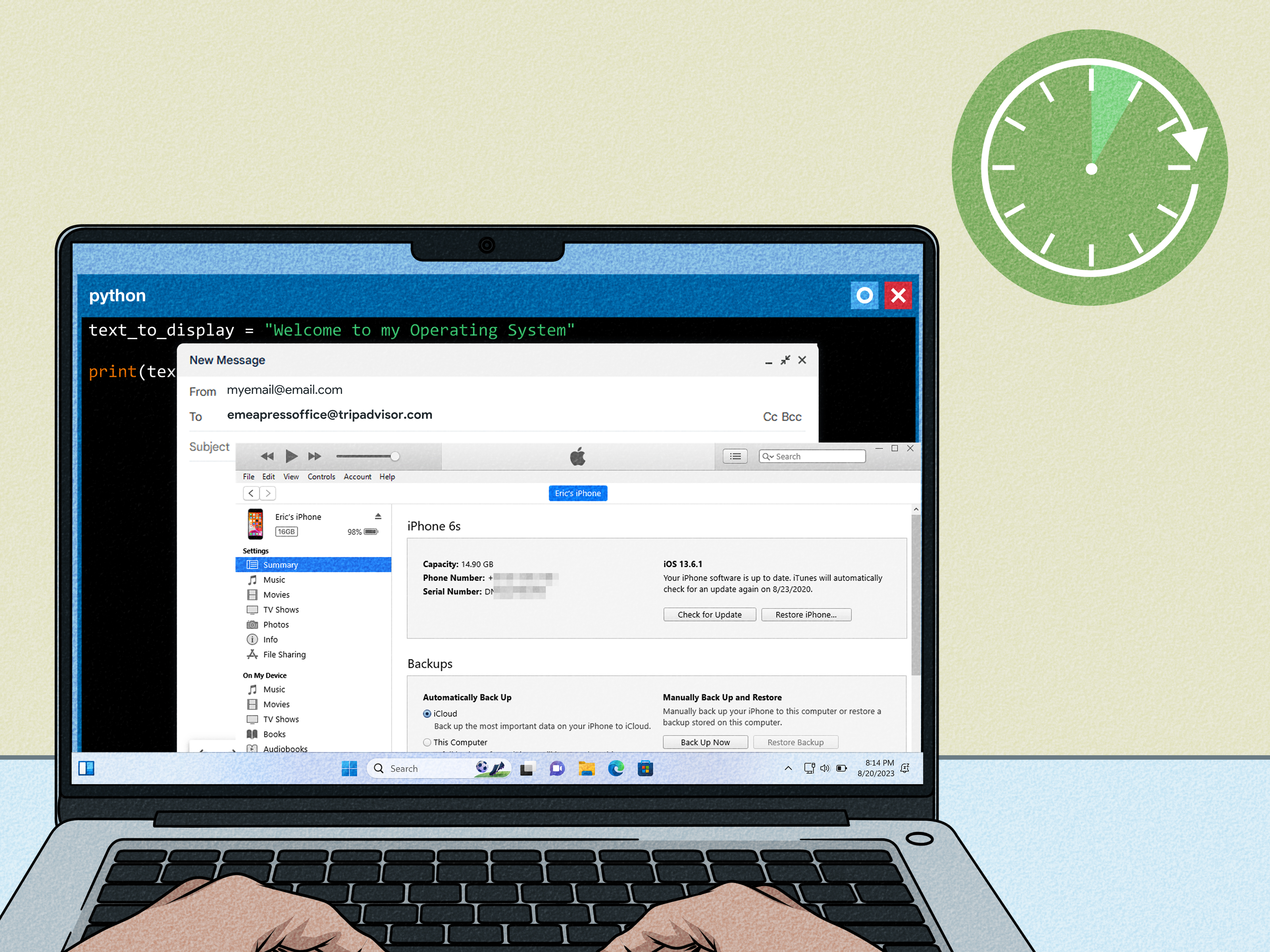
Before COVID-19, telemedicine existed, but for many patients and practices it felt like a healthcare side quest. During the pandemic, it became central. Clinics needed to keep patients away from crowded waiting rooms, protect healthcare workers, conserve personal protective equipment, and continue managing chronic diseases while hospitals were under pressure.
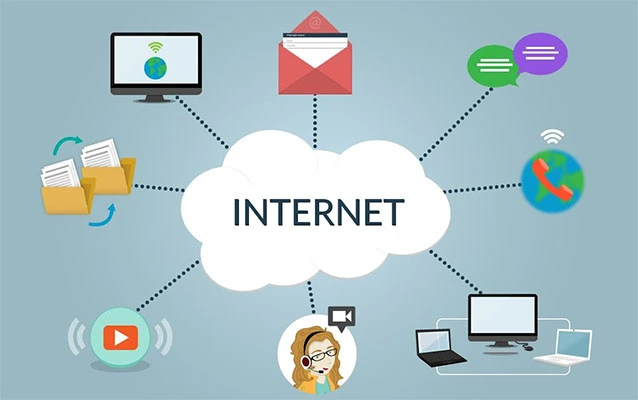
Video visits, phone visits, secure messaging, remote blood pressure logs, oxygen saturation monitoring, and home glucose data all became more important. Patients who once had to travel an hour for a ten-minute follow-up could suddenly speak with a clinician from their kitchen table. For people with mobility issues, transportation barriers, caregiving responsibilities, anxiety, rural access problems, or immunocompromising conditions, telehealth was not just convenient. It was a doorway.
But telemedicine also exposed the obvious limitation: doctors cannot palpate an abdomen through Wi-Fi. Even the strongest broadband connection cannot check for rebound tenderness. A video camera can show breathing effort, skin color, swelling, tremor, gait, facial symmetry, and general appearance, but it cannot fully replace touch, auscultation, or certain hands-on maneuvers. The virtual visit is powerful, but it is not magic. It is medicine, not Hogwarts.
What a Virtual Physical Exam Can Actually Do
A virtual physical exam is more than “look at the patient and hope for the best.” Done well, it is structured, practical, and surprisingly useful. A clinician can assess whether a patient appears ill or comfortable, observe breathing, evaluate speech, watch movement, inspect visible rashes, guide range-of-motion tests, check facial drooping, and ask the patient to measure temperature, pulse, blood pressure, weight, oxygen saturation, or glucose using home devices.
For many common problems, that information is enough to make a safe plan. Medication follow-ups, mental health visits, diabetes check-ins, hypertension management, contraception counseling, acne follow-up, stable thyroid disease, sleep concerns, mild respiratory symptoms, and many post-hospital check-ins can often begin virtually. In pediatrics, some studies have found that remote examination tools can produce measurements that compare reasonably well with in-person assessments in selected situations. Digital otoscopes, electronic stethoscopes, smartphone cameras, wearable sensors, and connected devices are also expanding what can be done from home.
However, the key phrase is selected situations. A good virtual exam depends on the complaint, the patient’s risk level, the quality of the technology, the patient’s ability to participate, and the clinician’s judgment. A high-resolution video visit with a cooperative adult using a validated blood pressure cuff is one thing. A blurry phone call about severe abdominal pain in a patient with multiple medical problems is quite another. One belongs in the telehealth success folder. The other belongs in the “please be seen in person” folder, preferably with flashing lights around it.
What Telemedicine Still Cannot Replace
The physical exam remains essential when touch, sound, smell, precise measurement, or immediate testing may change the diagnosis. Chest pain, severe shortness of breath, sudden weakness, concerning abdominal pain, new neurological symptoms, possible fractures, testicular pain, severe dehydration, rapidly worsening infections, and many urgent pediatric complaints often require hands-on evaluation.
Some findings are subtle. A clinician may detect a new heart murmur, fluid in the lungs, an enlarged liver, a concerning lymph node, a rigid abdomen, poor circulation, or a neurological deficit that the patient did not notice. Physical examination can also help decide whether imaging, blood work, emergency care, or watchful waiting is appropriate.
There is also a human element. Touch can reassure. Sitting at the bedside can communicate seriousness, compassion, and attention. For some patients, the physical exam is part of feeling cared for. A thoughtful hand on the shoulder, a careful listen to the lungs, or a calm explanation during an exam can do what no portal message can: remind the patient that they are not just a data stream with a copay.
The Real Question: Which Exam, for Which Patient, at Which Time?
The future is not a battle between “telemedicine” and “real medicine.” Telemedicine is real medicine when used appropriately. In-person care is also real medicine when used appropriately. The weak model is pretending one format can do everything. The strong model is matching the format to the clinical need.
For example, a patient with well-controlled hypertension may have a virtual follow-up if they can provide reliable home blood pressure readings. But a patient with dizziness, chest discomfort, fainting, or very high readings needs in-person evaluation. A teenager with mild acne may do well with photo-based dermatology follow-up. A changing mole, widespread rash with fever, or painful skin infection may require a clinic visit. A patient with stable depression may benefit from virtual therapy or medication management. A patient in crisis or with complex safety concerns needs a more urgent and carefully coordinated response.
In other words, COVID-19 did not make the physical exam obsolete. It made lazy scheduling obsolete. The visit type should not be chosen simply because a slot is available. It should be chosen because it fits the medical question.
How the Pandemic Changed Patient Expectations
Patients learned something during the pandemic: not every healthcare interaction needs to involve parking garages, waiting rooms, clipboard forms, and a magazine from 2017. Many people discovered that a quick virtual follow-up can be more efficient, less stressful, and easier to fit into work or family life.
This expectation will not disappear. Patients now ask reasonable questions: Why come in just to review normal labs? Why take half a day off work for a medication adjustment? Why expose a frail grandparent to a crowded clinic for a stable chronic disease check that could be handled remotely?
At the same time, patients also learned the limits of virtual care. Some felt rushed. Some struggled with technology. Some did not have privacy at home. Some worried that important findings might be missed. Older adults, people with limited internet access, low-income families, people with disabilities, and non-English-speaking patients may face additional barriers. Telemedicine can improve access, but if designed poorly, it can widen inequality. A virtual door is not helpful if the patient does not have the key.
Why the Physical Exam Still Matters for Diagnosis
Diagnosis begins with the story. A careful history often provides most of the clues. But the physical exam tests the story against the body. It helps clinicians confirm, challenge, or refine their thinking. The patient says the pain is “just indigestion,” but the exam may reveal sweating, low blood pressure, or abnormal heart sounds. A cough may seem routine until the clinician hears crackles. A headache may sound like stress until the neurological exam raises concern.
The exam also prevents overreliance on testing. Without physical findings, clinicians may order more imaging or lab work “just to be safe.” Sometimes that is appropriate. Sometimes it leads to incidental findings, unnecessary costs, anxiety, and more appointments. A good exam can narrow the possibilities and reduce medical guesswork.
It can also catch silent problems. A patient coming in for fatigue may have pale conjunctiva suggesting anemia, thyroid enlargement, swollen legs, abnormal gait, or skin changes. None of these findings is guaranteed to appear through a webcam, especially if the lighting makes everyone look like they are calling from inside a potato.
The Rise of the “Augmented” Physical Exam
The physical exam of the future may be less about replacing the clinician’s senses and more about extending them. Home blood pressure cuffs, pulse oximeters, digital scales, continuous glucose monitors, smart watches, smartphone cameras, portable ECG devices, and remote respiratory monitoring can provide useful data between visits. These tools can turn a single clinic snapshot into a longer movie of the patient’s health.
For chronic disease management, that is a major advantage. A blood pressure reading in the office may be distorted by anxiety, caffeine, traffic, or the emotional trauma of seeing the scale. A two-week home log may tell a more accurate story. A person with heart failure may be monitored through daily weight trends and symptoms. A person with diabetes may share glucose patterns instead of relying only on occasional lab values.
Still, more data is not automatically better care. Devices can be inaccurate, poorly used, or misinterpreted. Patients can become anxious from constant monitoring. Clinicians can be overwhelmed by streams of numbers. The future physical exam must therefore include not only better devices, but better judgment about what data matters.
Medical Education Has to Adapt
COVID-19 also changed how medical students and residents learn. Bedside teaching was disrupted. Many trainees had fewer opportunities to practice traditional exam skills during intense pandemic periods. At the same time, they had to learn new skills: conducting a video visit, coaching patients through self-examination, recognizing red flags remotely, and deciding when virtual care is unsafe.
Future clinicians need both skill sets. They should know how to listen to lungs in person and how to assess respiratory distress over video. They should know how to examine a knee in clinic and how to guide a patient through range-of-motion testing at home. They should know when a virtual exam is enough and when it is pretending to be enough.
The danger is not that technology will replace the physical exam. The danger is that clinicians may become undertrained in hands-on diagnosis while also being undertrained in virtual diagnosis. That would give us the worst of both worlds: less touch, more screens, and a lot of confused clicking. Medical education must treat the physical exam and the virtual exam as complementary tools, not rival religions.
When Virtual Care Works Best
Virtual care tends to work best for follow-ups, medication management, counseling, chronic disease monitoring, behavioral health, preventive care discussions, lifestyle coaching, reviewing test results, and evaluating visible or mild symptoms when the patient is otherwise stable. It is especially useful when the main value of the visit is conversation, pattern recognition, education, shared decision-making, or data review.
For example, a clinician can safely review cholesterol results, discuss side effects, adjust a stable medication, explain vaccine timing, evaluate sleep habits, or follow up after a resolved infection without necessarily bringing the patient into the office. In such cases, telemedicine does not cheapen care. It respects the patient’s time.
The best virtual visits are not casual. They are prepared. Patients know what measurements to have ready. Clinicians review records before the call. Both sides understand what symptoms require in-person care. A strong telehealth system includes triage, documentation, escalation pathways, privacy protections, and equity planning.
When In-Person Care Is Nonnegotiable
In-person care remains nonnegotiable when the diagnosis depends on detailed examination, procedures, testing, urgent assessment, or direct intervention. Vaccinations, Pap tests, biopsies, wound care, sutures, many orthopedic evaluations, ear exams, abdominal exams, pelvic exams, eye pressure checks, and emergency assessments cannot be fully replaced by video.
Some symptoms should trigger immediate in-person or emergency evaluation: severe chest pain, sudden shortness of breath, signs of stroke, fainting, confusion, severe allergic reactions, heavy bleeding, severe abdominal pain, serious injury, or rapidly worsening illness. No patient should feel pressured to “telehealth their way through” a medical emergency. A webcam is not a crash cart.
This is where good healthcare systems must be clear. Telemedicine should not become a barrier that patients must pass through before receiving appropriate care. It should be an entry point, not a locked gate.
Will Artificial Intelligence Change the Physical Exam?
Artificial intelligence may help interpret images, detect patterns in symptoms, identify patients at risk, summarize records, and support triage. AI tools may eventually improve remote exams by analyzing cough sounds, breathing patterns, facial movement, skin images, or gait videos. That could make virtual care more precise.
But AI does not eliminate the need for clinicians. Diagnosis is not only pattern matching. It involves context, uncertainty, values, communication, and responsibility. A model may flag a rash as concerning, but a clinician must decide what to do next. A device may detect an irregular pulse, but a care team must confirm it, explain it, and treat the person attached to it.
The future physical exam may include AI, but the goal should not be to make medicine colder and more automated. The goal should be to give clinicians better tools so they can spend more time thinking, listening, and caring.
Experience-Based Reflections: What COVID-19 Taught Us About the Exam
One of the clearest lessons from the pandemic is that patients are often capable partners in their own examination. Many learned to take temperatures, use pulse oximeters, check blood pressure, track symptoms, upload photos, and describe changes with surprising accuracy. The old model sometimes treated patients as passive recipients of examination. The pandemic showed that patients can collect meaningful information when they are taught how.
Imagine a patient with asthma during the pandemic. Instead of automatically coming into a clinic, they might report peak flow readings, oxygen levels, rescue inhaler use, nighttime symptoms, and triggers. A clinician could adjust treatment remotely and still identify when the patient needed urgent care. That is not the death of the physical exam. It is the exam moving beyond the walls of the clinic.
Or consider a person with high blood pressure. A single office reading may be high because the patient rushed through traffic, drank coffee, and then saw a cuff approaching like a small inflatable python. A home log taken over two weeks may provide better information. In this case, the remote model may improve care because it captures real life, not just clinic life.
Dermatology offers another practical example. A clear photo of a stable acne flare, eczema patch, or medication reaction can be very useful. But a suspicious mole, rapidly spreading redness, severe pain, fever, or unclear image still needs direct evaluation. The lesson is not “photos replace exams.” The lesson is “photos can help decide who needs which exam.”
For older adults, the experience is mixed. Telehealth can spare exhausting travel and reduce exposure to infections. But it can also be frustrating when technology fails, hearing is limited, or multiple conditions make the visit too complex for a small screen. In these cases, hybrid care works best. A caregiver may help with the video visit, home devices may provide data, and periodic in-person exams can catch what the screen misses.
For clinicians, COVID-19 was a crash course in humility. Many discovered that a careful conversation can solve more than expected. They also discovered that some visits feel incomplete without touch, measurement, or the silent information gathered by being in the room. The smell of infection, the way a patient walks from the chair to the exam table, the effort of breathing, the texture of swelling, the warmth of a jointthese details still matter.
The pandemic also reminded healthcare systems that convenience should never be confused with quality. A virtual visit that saves time and solves the problem is excellent. A virtual visit that delays necessary care is dangerous. The difference depends on triage, training, technology, and clinical judgment.
Patients, meanwhile, learned to ask smarter questions. “Can this be handled virtually?” is now a normal and useful question. So is “Do I need to be seen in person?” The best answer may change depending on symptoms, age, medical history, risk factors, and access to reliable devices. Medicine is becoming more personalized not only in treatment, but in visit format.
The most encouraging experience from the pandemic is that healthcare can change quickly when it has to. Systems that once treated telemedicine as a futuristic extra adopted it almost overnight. The challenge now is to keep the good parts without keeping the chaos. That means preserving access, improving safety, protecting privacy, training clinicians, supporting patients, and refusing to pretend that every problem fits neatly into a video box.
So, will COVID-19 render the physical exam obsolete? No. But it may render the automatic, unfocused, habit-driven exam obsolete. It may push clinicians to examine with more intention. It may encourage patients to participate more actively. It may expand the exam from a ten-minute office ritual into an ongoing partnership that includes home data, virtual observation, in-person assessment, and shared decision-making.
Conclusion: The Physical Exam Is Not DeadIt Got a Promotion
COVID-19 did not make the physical exam obsolete. It made healthcare more honest about when the physical exam is essential, when it is optional, and when it can be partly replaced by careful history, video observation, remote monitoring, or patient-generated data.
The physical exam still matters because bodies still matter. Human touch, direct observation, bedside judgment, and hands-on diagnosis remain irreplaceable in many situations. But the exam is no longer limited to what happens in a clinic room. It can now include home blood pressure readings, oxygen levels, photos, wearable data, video movement checks, and ongoing communication.
The future is not physical exam versus telemedicine. The future is smarter care. Sometimes that means a video visit. Sometimes it means an office visit. Sometimes it means the emergency department. And sometimes it means a patient, a clinician, a blood pressure cuff, and a laptop working together beautifullyassuming, of course, everyone remembers to unmute.