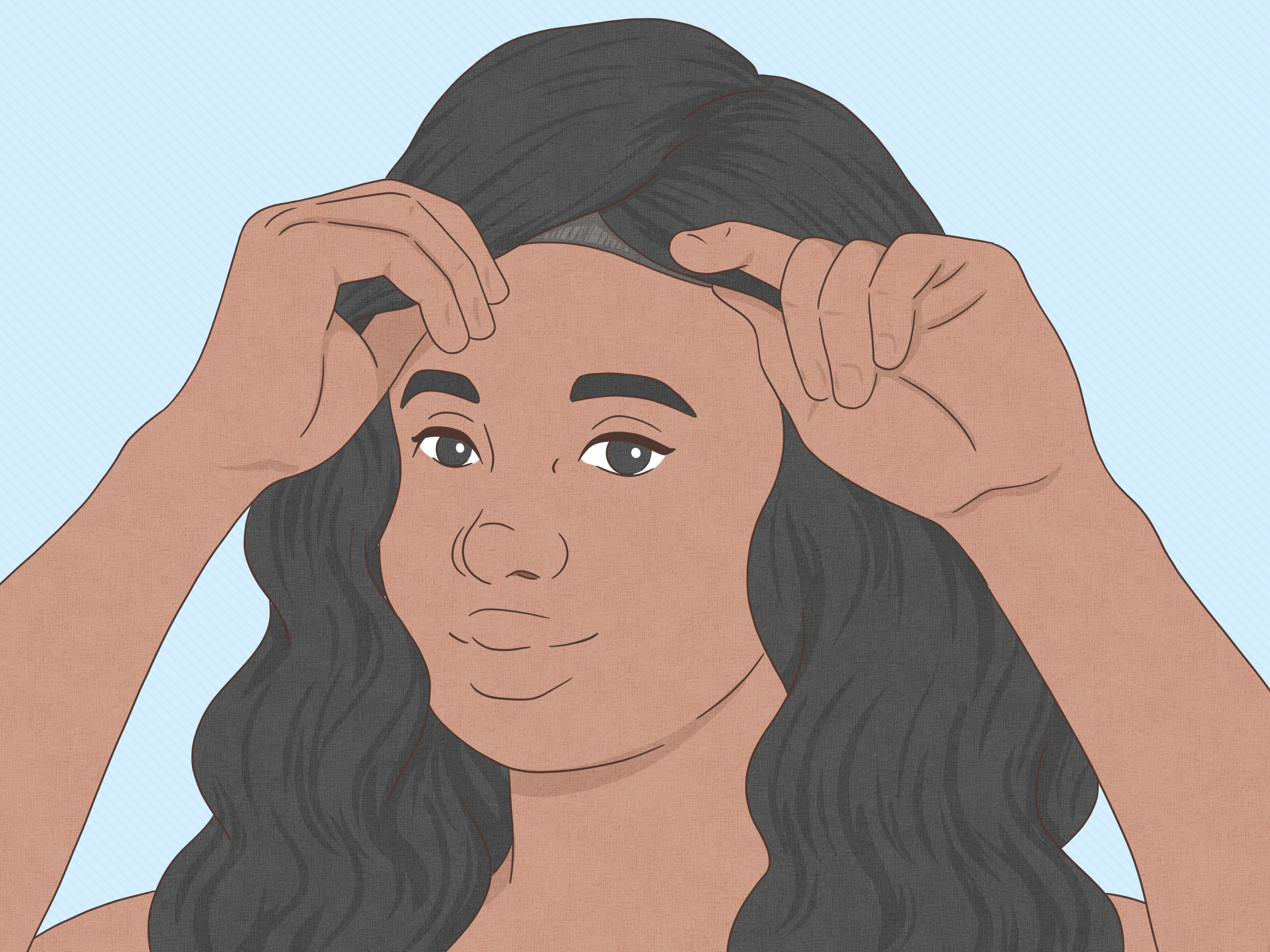
If relaxed hair had a group chat, it would probably say the same thing every morning: “Please stop yanking me, frying me, and pretending dry ends are a personality trait.” Chemically processed hair can look sleek, polished, and downright fabulous, but it also tends to be more vulnerable to dryness, split ends, and breakage. That is why choosing the right protective hairstyle for relaxed hair is less about chasing trends and more about finding styles that are gentle, low-tension, and actually realistic for everyday life.
So, what’s the best protective hairstyle for relaxed hair? The honest answer is this: there is no one magical style for every head of hair, but the best overall option is a loose low bun or tucked chignon. Why? Because it protects the ends, requires very little heat, does not need death-grip tension, and can be dressed up or down without turning your edges into a tragic news story. Still, one style alone gets boring fast, so below you’ll find 12 easy and simple hairstyles that work beautifully for relaxed hair when done the right way.
What Makes a Protective Hairstyle Actually Protective?
Let’s settle something before we start pinning, twisting, and wrapping. A hairstyle is not “protective” just because it looks neat or takes two hours to finish. For relaxed hair, a truly protective style should do four things: keep manipulation low, reduce heat exposure, protect the ends, and avoid excessive tension on the scalp and hairline.
That means a style can be cute and still be a terrible idea if it is too tight, too heavy, too dry, or too dependent on daily hot-tool touch-ups. Relaxed hair usually thrives when it is moisturized, tucked away gently, and left alone long enough to recover from all the nonsense modern beauty standards throw at it.
The Quick Answer: The Best Protective Hairstyle for Relaxed Hair
If you want the safest, simplest, most repeatable answer, go with a loose low bun. It is the overachiever of low-manipulation hairstyles. It hides fragile ends, keeps your hair off your shoulders and clothing, works for the office, brunch, weddings, errands, and “I just don’t feel like doing my hair today” days. Most importantly, it can be done without pulling too hard.
A close second is the tucked chignon, which gives the same benefits with a slightly more polished finish. Think of it as the low bun’s elegant cousin who drinks iced coffee and never seems stressed.
12 Easy and Simple Protective Hairstyles for Relaxed Hair
-
1. Loose Low Bun
This is the gold standard for a reason. Gather the hair at the nape, smooth it gently with your hands, secure it loosely, and tuck the ends under. Use a silk scrunchie or a snag-free band instead of a tight elastic. The goal is sleek-ish, not scalp surgery. Add a little serum or light leave-in to keep the ends soft.
-
2. Tucked Chignon
The tucked chignon is ideal when you want your relaxed hair to look polished without using a curling iron like it owes you money. Create a low ponytail, twist the length, and pin the ends inward. This style protects the oldest and most fragile part of your hair: the ends. It is elegant, timeless, and surprisingly easy once you do it twice.
-
3. Classic Wrap Style
A wrap is one of the smartest styles for relaxed hair because it helps maintain a smooth shape with minimal daily fuss. Instead of reheating your hair every morning, wrap it at night and secure it with a satin scarf. By morning, you usually need just a few minutes of finger styling. Less heat, less breakage, less drama.
-
4. Pin-Curl Bob
If your relaxed hair is in a bob or shoulder-length cut, pin curls can be a lifesaver. They create soft movement without the constant use of hot rollers or a flat iron. Pin curls also help preserve body and shape while keeping manipulation low. Bonus: they make you look like you have your life together, even if your laundry says otherwise.
-
5. Flexi-Rod Set
Flexi-rods are a great low-heat or no-heat option when you want definition without stressing relaxed strands. They add bounce and help you stretch the time between direct heat styling sessions. The trick is not to roll the hair too tightly. Keep the tension gentle, use a setting lotion sparingly, and let the rods do the heavy lifting.
-
6. Satin Roller Set
A roller set is old-school in the best possible way. It gives relaxed hair shape, body, and movement while reducing the need for repeated flat-ironing. Satin-covered rollers are especially helpful because they create less friction than rougher materials. If your hair responds well to sets, this style can become your weekly reset button.
-
7. Loose Flat Twist Crown
Flat twists can work on relaxed hair beautifully when they are done with a light touch. A loose flat twist crown or side twist style keeps the front neat and the ends tucked while avoiding the heavy pull that comes with many braided looks. This is a good choice for anyone who wants something a little more styled without committing to salon-level tension.
-
8. Two Loose Braids with Tucked Ends
Two simple braids can be protective when they are soft, not tight, and when the ends are moisturized and tucked. This style is especially useful for sleeping, lounging, travel days, or those weekends when you are committed to “hair rest” and not “hair performance.” Add a satin scarf or bonnet at night and call it a win.
-
9. Low Ponytail with Wrapped Ends
Yes, a ponytail can be protective, but only if it is low, loose, and not worn in the exact same spot every single day. Smooth the hair gently, secure it at the nape, then wrap or pin the ends into a mini bun or tuck. Rotating the placement matters because repeated tension in one area can make your hairline and crown very unhappy.
-
10. Claw-Clip French Twist
The claw clip has made a glorious comeback, and relaxed hair says thank you. A French twist secured with a large claw clip is quick, chic, and far gentler than tight elastic-heavy updos. It works best when your ends are tucked and the clip is not clamped too close to the scalp. This style is ideal for workdays, meetings, and pretending you absolutely did not get ready in four minutes.
-
11. Wig Over a Moisturized, Low-Tension Base
A wig can be a protective option for relaxed hair, but only if the hair underneath is clean, moisturized, and braided or molded without tight tension. The mistake many people make is treating the wig as the whole plan. It is not. The real plan is caring for the hair underneath. If your base is dry, strained, or neglected, the wig is just fancy camouflage.
-
12. Satin-Lined Scarf Updo
Some days, your hair wants a break and your schedule wants speed. Enter the satin-lined scarf updo. Tuck the hair into a low bun or loose roll, then wrap a satin-lined scarf around it for style and protection. It is practical, stylish, and especially helpful in dry weather, on casual days, or when your ends need a vacation from the outside world.
How to Make Any Protective Style Safer for Relaxed Hair
Moisturize Before You Style
Protective styling works best when the hair is already in decent condition. If your strands are dry before styling, they will simply be dry in a bun. Use a moisturizing shampoo, follow with conditioner, and add a leave-in or lightweight cream before styling. Pay special attention to the ends because they are usually the first part to get crunchy and complain.
Go Easy on the Heat
Relaxed hair has already been chemically altered, so repeated high heat can push it from “silky” to “why is this section snapping off?” very quickly. Use low or no-heat styling methods whenever possible. If you do use heat, keep it controlled, use a protectant, and stop acting like every touch-up needs to be salon-flat.
Protect Your Hair at Night
A good style can lose half its protective power overnight if you sleep on rough cotton and wake up looking like you fought a pillow and lost. Use a satin or silk bonnet, scarf, or pillowcase to reduce friction and help maintain moisture. Night care is not extra. Night care is where the real plot twist happens.
Do Not Wear Tight Styles on Repeat
This is where people accidentally sabotage their progress. A style that is fine once in a while can become a problem when worn too tight, too often, or for too long. That includes buns, ponytails, braids, and extension styles. Rotate your looks, shift your part, change your bun position, and give your edges some peace.
Mistakes That Turn “Protective” Styles Into Breakage Factories
The biggest mistake is assuming all tucked-away hair is protected hair. Not true. Hair hidden under a wig, scarf, or bun can still dry out, mat up, or snap if you ignore it. Another mistake is styling wet hair too aggressively. Relaxed hair can be especially fragile when damp, so detangle patiently and use slip-friendly products.
Also, please resist the temptation to glue everything down with ultra-hold styling products and then comb through it like you are trying to solve a personal issue. Hard-hold products, rough combing, excessive brushing, and daily re-smoothing can undo the benefits of the style itself. Protective should feel gentle, not punishing.
How Often Should You Switch Protective Styles?
For relaxed hair, simple daily or weekly styles such as buns, wraps, roller sets, and claw-clip twists can be rotated regularly as long as they are not tight. The real rule is not the calendar; it is your hair’s condition. If your scalp feels sore, your hairline looks stressed, or your ends feel crispy, that style is no longer serving you.
Watch for signs of trouble: increased shedding, short broken pieces on your sink, thinning around the edges, or a tender scalp. If those show up, scale back immediately. If hair loss seems sudden, patchy, or more severe than usual, it is smart to check in with a dermatologist or licensed professional instead of relying on wishful thinking and a new edge control.
Real-Life Experiences With Protective Hairstyles for Relaxed Hair
One of the most common experiences people with relaxed hair talk about is the moment they realize that “protective” does not always mean “better.” Plenty of women try a super-tight braided style, a heavy weave, or a slick ponytail expecting growth, only to discover that their edges are filing a formal complaint two weeks later. The lesson usually comes fast: relaxed hair does not like being pulled for sport.
Another familiar experience is falling in love with low-manipulation styling after years of overdoing heat. Many people describe a cycle that sounds something like this: flat iron on Monday, touch-up curls on Wednesday, emergency press on Friday, deep regret by Sunday. Then they switch to wraps, buns, pin curls, or roller sets and suddenly notice fewer broken hairs on the bathroom counter. The hair often looks fuller too, not because it magically multiplied overnight, but because it finally stopped snapping off in tiny little protest pieces.
There is also the overnight routine revelation. For some, the biggest improvement does not come from a daytime hairstyle at all. It comes from sleeping with a satin bonnet, wrapping the hair properly, or swapping a cotton pillowcase for a satin or silk one. That small change often leads to less frizz, better moisture retention, and fewer tangles by morning. In other words, the “best protective hairstyle” sometimes begins while you are unconscious.
Many relaxed-hair wearers also talk about learning to love simpler styles. At first, a low bun can feel too plain, too basic, too “I did not try.” But over time, simple styles win people over because they are easy to maintain and do not demand constant correction. A tucked bun that still looks decent at 5 p.m. is honestly a public service.
Another shared experience is discovering that scalp comfort matters just as much as hair appearance. If a style gives you headaches, feels tight at the roots, or makes your scalp sore, people often find that breakage soon follows. On the flip side, styles that feel comfortable tend to last better because you are not constantly touching them, adjusting them, or taking them down early in frustration.
And then there is the emotional part, which is very real. Relaxed hair often carries years of habits, expectations, and trial-and-error stories. People learn through experience that healthy hair is rarely built on one miracle product or one viral hairstyle. It usually comes from boring but effective consistency: washing regularly, conditioning deeply, trimming when needed, limiting heat, and choosing soft, low-tension styles that respect the hair instead of fighting it.
That is why the best results usually come from a calm routine, not a complicated one. A loose bun, a wrap, a pin-curl set, a satin scarf, a weekly moisture routine, and a little patience can do more for relaxed hair than a dozen trendy styles done too tight. It may not sound glamorous, but healthy hair has a funny way of becoming its own flex.
Final Thoughts
If you have been wondering what the best protective hairstyle for relaxed hair is, start with this simple truth: the best style is the one that protects your ends, minimizes tension, limits heat, and fits your real life. For most people, that means a loose low bun, tucked chignon, wrap style, or roller-based set will beat a tight, high-maintenance look every time.
Relaxed hair does not need punishment to look good. It needs moisture, gentleness, and a little strategic laziness. Choose easy protective hairstyles that let your hair rest, and your strands will usually thank you by sticking around longer.