Note: This article is written in standard American English and is based on real fabric-care, laundry, and household pest-control guidance from university extensions, public health resources, appliance-care guides, and home-care experts.
You pull a favorite T-shirt from the dryer, admire its heroic softness, and thenthere it is. A tiny hole. Maybe two. Maybe a whole constellation of little fabric craters right near the hem. Suddenly, your laundry basket feels less like a household chore and more like a crime scene.
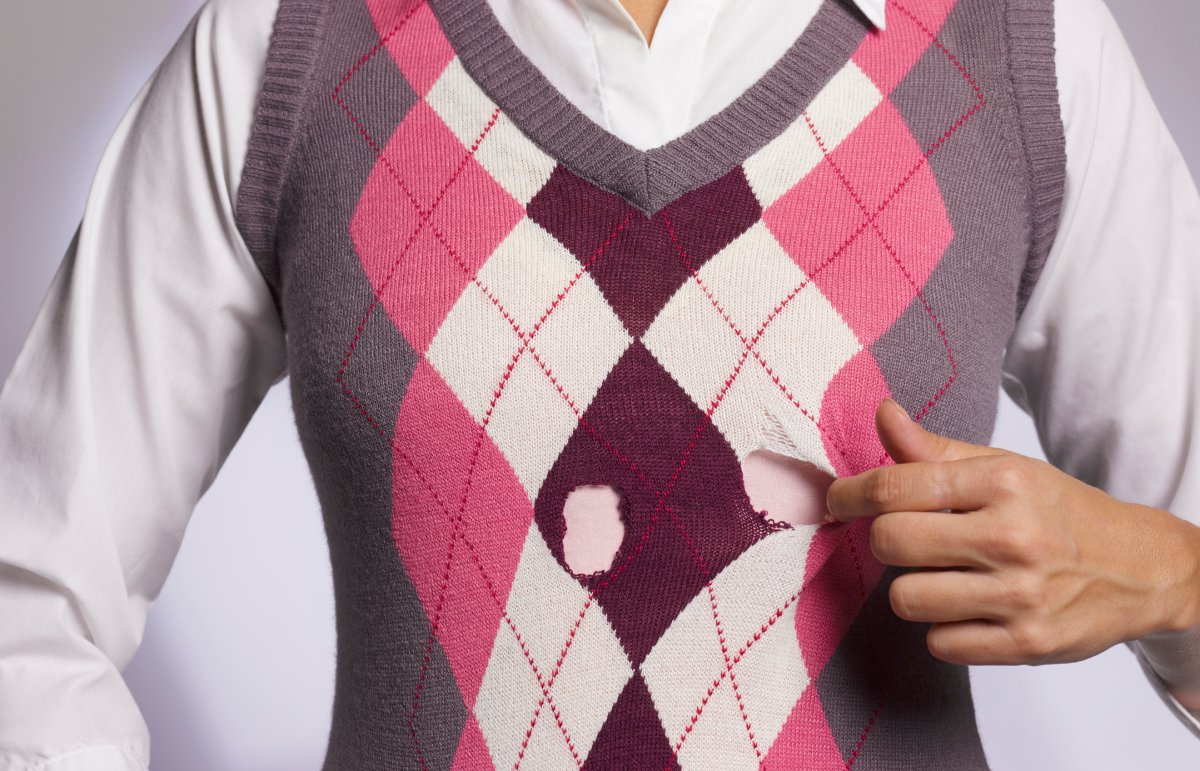
If you’ve ever asked, “What’s making holes in my clothes?” you are not alone. The frustrating part is that holes in clothing can come from several different culprits: insects, washing habits, sharp hardware, chemical damage, or simple everyday friction. And no, the washer is not always guiltyalthough it should definitely remain under questioning.
The key is to look at the pattern. Are the holes scattered across wool sweaters? Do they show up near the waistband of cotton shirts? Are they appearing after every wash? Are only stored clothes affected? Once you know where and how the holes appear, you can usually identify the villain and stop the damage before your wardrobe starts looking like it lost a fight with a cheese grater.
1. Clothes Moths: The Classic Closet Criminal
When people discover holes in clothes, clothes moths are usually the first suspect. They deserve the reputationbut with one correction: adult moths are not the ones chewing your sweaters. The real damage comes from larvae, the tiny caterpillar-like young that feed on natural animal fibers.
Clothes moth larvae are especially attracted to wool, cashmere, mohair, silk, fur, feathers, felt, and leather. These materials contain keratin, a protein that certain fabric pests can digest. That means your cozy winter sweater may look like fashion to you, but to a clothes moth larva, it is basically a buffet with sleeves.
How to spot clothes moth damage
Moth damage often appears as small, scattered holes, thin patches, or surface grazing on wool or other animal-based fabrics. You may also see silky webbing, tiny tubes, or grain-like debris in folds, seams, pockets, or dark corners of a closet. Clothes moths prefer quiet, undisturbed places, which is why the sweater you wear weekly may survive while the one stored “for special occasions” becomes lunch.
They are also drawn to garments with sweat, body oils, food stains, or spills. A clean wool coat is less tempting than one stored after a season of coffee splashes, perfume, skin oils, and that one mysterious party dip incident nobody wants to discuss.
How to prevent moth holes
Before storing woolens, wash or dry-clean them according to the care label. Store them in airtight containers, garment bags, or sealed bins. Vacuum closets regularly, especially baseboards, corners, and under shelves. If you suspect an infestation, remove everything from the closet, clean the area thoroughly, and treat affected garments by laundering, dry cleaning, or freezing items that can safely tolerate it.
Be careful with mothballs. They are pesticides, not magic closet candy. They must be used only according to the label, typically in tightly sealed containers, and kept away from children and pets. For everyday prevention, cleanliness and sealed storage are safer and more practical than turning your bedroom closet into a chemical fog chamber.
2. Carpet Beetles: The Sneaky Impersonators
Carpet beetles are often blamed on moths because their larvae damage many of the same materials. In fact, carpet beetles are one of the most common causes of mysterious holes in clothing, rugs, upholstery, and stored textiles.
Adult carpet beetles are small, oval insects that may wander near windows because they are attracted to light. The larvae, however, are the real fabric wreckers. They are usually brownish, fuzzy, bristly, or carrot-shaped, depending on the species. If you find tiny hairy larvae or shed skins near damaged fabric, carpet beetles should move to the top of your suspect list.
What carpet beetles eat
Carpet beetle larvae feed on animal-based materials such as wool, silk, fur, feathers, hair, leather, and dead insects. They may also be attracted to lint, pet hair, dust, and food residue. This is why infestations can start in closets, under furniture, along baseboards, inside air vents, beneath rugs, or in boxes of stored clothing.
Unlike clothes moths, carpet beetle damage may appear in a larger patch on one area of a garment or carpet. You might notice one sleeve, one folded edge, or one corner of a rug looking especially chewed. Their cast skins are another clue: brown, shell-like, and bristly.
How to control carpet beetles
Start with deep cleaning. Vacuum carpets, rugs, upholstered furniture, closet floors, baseboards, and under heavy furniture. Empty the vacuum immediately, especially if you find larvae or shed skins. Wash washable fabrics in hot water when safe for the fabric, and dry-clean delicate animal-fiber garments.
Pet owners should be extra alert. Pet hair and lint can feed larvae, so regular vacuuming is more than a “nice clean-house habit.” It is pest prevention with a motor. Store vulnerable items in sealed containers after cleaning, and check rarely used blankets, wool coats, and vintage clothing every few months.
3. Silverfish, Roaches, Crickets, and Other Fabric Nibblers
Not every clothing hole comes from moths or beetles. Other household insects can damage fabric, especially when clothing is stained with food, sweat, starch, or body oils. Silverfish, firebrats, cockroaches, and crickets may chew on fabrics or the organic material stuck to them.
Silverfish are especially fond of starchy materials, paper, glue, and some plant-based fibers. They may damage cotton, linen, rayon, or fabrics with sizing or starch. Cockroaches are not sitting around craving your blouse as haute cuisine, but they may chew on food stains, perspiration, or residue. Crickets can also chew holes in soiled fabrics, particularly if clothes are left on floors, in basements, or in damp storage areas.
Signs insects are involved
If holes appear in stored garments, around stains, or in clothes left in dark, humid, or cluttered spaces, insects may be involved. Look for droppings, shed skins, webbing, larvae, or live insects. Also inspect nearby areas: closet corners, laundry rooms, cardboard boxes, under rugs, and behind furniture.
The solution is not glamorous, but it works: clean the area, reduce humidity, remove clutter, seal food sources, and store clean clothes properly. Insects love neglect. A tidy closet gives them fewer hiding places and fewer midnight snack options.
4. Laundry Damage: When the Washer Is an Accomplice
Sometimes the culprit is not alive at all. Holes in clothes after washing can happen because of rough laundry habits, sharp items, overloading, high spin speeds, or mechanical issues inside the washer or dryer.
Thin cotton T-shirts, delicate knits, underwear, athletic fabrics, lace, and lightweight blends are especially vulnerable. These fabrics may snag on zippers, hooks, bra clasps, metal buttons, Velcro, or rough embellishments. A single open zipper can act like a tiny saw during a wash cycle. It is not dramatic. It is laundry physics with teeth.
Common laundry habits that cause holes
Overloading the washer can force clothes to rub aggressively against one another, the agitator, or the drum. Washing delicate shirts with jeans, towels, jackets, or garments with metal hardware can also create tears and pinholes. High spin speeds may stress lightweight fabrics, especially if the load is unbalanced or packed too tightly.
Sharp objects left in pockets are another classic cause. Keys, coins, screws, hair pins, and forgotten mystery objects can puncture fabric during washing or drying. If you regularly find holes after laundry day, inspect pockets, zip all zippers, fasten hooks, turn delicate garments inside out, and use mesh laundry bags.
When the machine itself may be the problem
If holes appear across different fabrics and loads, inspect the washer drum and dryer interior. A chipped drum, rough spot, damaged agitator, exposed metal edge, or loose dryer part can snag fabric. Run your hand carefully along the drum surface or use a flashlight to look for burrs. If you find a rough area, stop using the machine for delicate clothing until it is repaired.
Also check bras and garments with underwires. A loose bra wire can escape and create havoc inside a washer or dryer. That small metal arc may look harmless, but inside a spinning machine it becomes a tiny laundry ninja.
5. Bleach, Chemicals, Friction, and Everyday Wear
Some holes begin as invisible weakness. Chlorine bleach, harsh detergents, stain removers used incorrectly, and chemical splashes can weaken fibers long before a hole appears. The garment may look fine after one wash, then suddenly tear weeks later. By the time you notice the damage, the original cause may be hiding in the past like a very annoying plot twist.
Undiluted bleach is especially risky. Direct contact can weaken fabric, causing rips, tears, holes, and color loss. Even if the damage does not show immediately, repeated washing and wearing can reveal the weakened area later.
Friction holes near the waistline
If tiny holes appear near the lower front of T-shirts, the cause may be friction rather than insects. This area often rubs against belt buckles, jeans buttons, countertops, desks, seat belts, crossbody bags, or rough surfaces. Lightweight cotton and jersey knits are especially prone to these small holes.
Think about where the holes appear. If they cluster around the belly button area, your shirt may be getting pinched between your waistband and a hard surface. Kitchen counters are repeat offenders. So are belt buckles and metal jeans buttons. Your shirt is not cursed; it is being sandwiched daily between fabric and hardware.
How to reduce wear-and-tear holes
Turn shirts inside out before washing. Use gentle cycles for lightweight fabrics. Avoid washing thin knits with heavy denim or towels. Fasten zippers and hooks. Use less bleach, and only when the garment label allows it. If friction is the problem, try smoother belts, untucked shirts, softer waistbands, or simply paying attention to where your shirt rubs against counters and desks.
How to Diagnose Holes in Clothes Like a Laundry Detective
Before you throw away half your closet or accuse the washing machine of treason, study the damage. The location, fabric type, and pattern can tell you a lot.
If holes appear in wool, cashmere, silk, fur, or feathers
Suspect clothes moths or carpet beetles. Look for larvae, webbing, shed skins, or damage in stored garments. Clean and seal vulnerable items.
If holes appear after washing
Check laundry habits and machine surfaces. Look for open zippers, hooks, overloading, rough drum edges, loose wires, or sharp objects in pockets.
If holes cluster near the lower front of shirts
Think friction. Belt buckles, jeans buttons, countertops, and seat belts can all wear down thin fabric over time.
If holes appear around stains
Food, sweat, body oil, and starch can attract insects. Wash clothes before storage, even if they look “basically clean.” In the insect world, “basically clean” is apparently a five-star review.
Practical Prevention Checklist
To stop holes in clothes, combine pest prevention with better laundry habits. You do not need to live in fear of every tiny moth or zipper, but you do need a system.
- Wash or dry-clean clothes before storing them.
- Store wool, cashmere, silk, and other vulnerable fabrics in airtight containers.
- Vacuum closets, baseboards, rugs, and under furniture regularly.
- Fasten zippers, hooks, buttons, and Velcro before washing.
- Turn delicate garments inside out.
- Use mesh bags for lightweight knits, lingerie, and delicate fabrics.
- Avoid overloading the washer.
- Keep bleach diluted and use it only according to label directions.
- Inspect washer and dryer drums for rough spots.
- Do not leave worn, sweaty, or food-stained clothing sitting in dark piles.
When to Call a Professional
If you keep finding larvae, shed skins, webbing, or recurring damage despite cleaning, it may be time to call a pest-control professional. Fabric pests can hide in wall voids, old bird nests, vents, attics, rugs, upholstered furniture, or forgotten storage boxes. A professional can help identify the pest and target the source instead of treating random closet corners and hoping for the best.
You may also need appliance repair if new holes appear after almost every wash and you have ruled out sharp clothing hardware. A damaged washer drum, rough agitator, or dryer defect can quietly ruin load after load.
Personal Experience: The Case of the Tiny T-Shirt Holes
Here is a very common real-life scenario: someone buys a stack of soft cotton T-shirts, washes them normally, wears them constantly, and within a few months notices tiny holes near the lower front hem. The first reaction is usually panic. Is it moths? Is it the washing machine? Is the closet haunted by a fabric-eating goblin with expensive taste?
In many cases, the answer is far more ordinary: friction. Lightweight shirts often rub against jeans buttons, belt buckles, desk edges, kitchen counters, or seat belts. The damage starts as fiber thinning. Then one day, after a wash cycle, the weakened area opens into a visible hole. The washer gets blamed because the hole appears after laundry, but the fabric may have been weakening for weeks.
A practical test is to compare the hole location. If most holes appear in the same lower-front area, especially on shirts worn with jeans, friction is likely. Try wearing the shirt with sweatpants or a smoother waistband for a few weeks. If new holes stop appearing, congratulations: you have solved a mystery without needing a magnifying glass or dramatic detective music.
Another common experience involves stored sweaters. A wool sweater looks perfect in March, gets folded into a closet bin, and emerges in November looking like it hosted a bug banquet. The owner swears the sweater was clean, but “clean enough” is risky for long-term storage. Tiny traces of sweat, skin oil, food, or perfume can attract fabric pests. The fix is simple but strict: clean first, store airtight, and check periodically.
Then there is the laundry-room culprit. Many people discover holes only after washing because delicate clothes are mixed with jeans, hoodies, towels, and zippered jackets. The rougher items scrape and pull at softer fabrics. A mesh bag can feel like an unnecessary extra step until it saves your favorite shirt. After that, it becomes less of a laundry accessory and more of a tiny bodyguard.
One useful habit is to create a “high-risk clothing” routine. Anything lightweight, stretchy, lacy, wool, silk, cashmere, or expensive gets special treatment. Turn it inside out. Use a gentle cycle. Avoid hot water unless the care label allows it. Keep it away from metal zippers and heavy denim. For storage, clean it first and seal it away from dust, pet hair, and closet pests.
The biggest lesson from dealing with holes in clothes is that the cause is usually a pattern, not a mystery. Moths and beetles target animal fibers and stored garments. Laundry damage often appears after mixed loads or rough cycles. Bleach causes weakened spots and discoloration. Friction creates holes in repeat locations. Once you read the clues, your closet becomes much less confusingand your clothes last longer.
Conclusion
So, what’s making holes in your clothes? The answer could be clothes moths, carpet beetles, other fabric-feeding insects, laundry damage, chemical weakening, or everyday friction. The good news is that each culprit leaves clues. Scattered holes in wool point toward moths. Larger damaged patches and bristly shed skins suggest carpet beetles. Holes after washing may mean zippers, overloading, or a rough washer drum. Tiny holes near the waistline often come from friction.
The best defense is a mix of clean storage, smart laundry habits, regular closet inspection, and quick action when you spot damage. Your clothes work hard. They survive coffee spills, long commutes, snack accidents, and being shoved into drawers with the emotional support of absolutely no folding. Give them a fighting chance, and they will reward you by staying hole-free longer.