Answer: It is the quiz show spinoff that finally lets your encyclopedic knowledge of movies, music, TV, Broadway, memes, celebrity lore, superheroes, sports entertainment, and “wait, why do I know this?” internet trivia feel academically respectable.
Question: What is Pop Culture Jeopardy!?
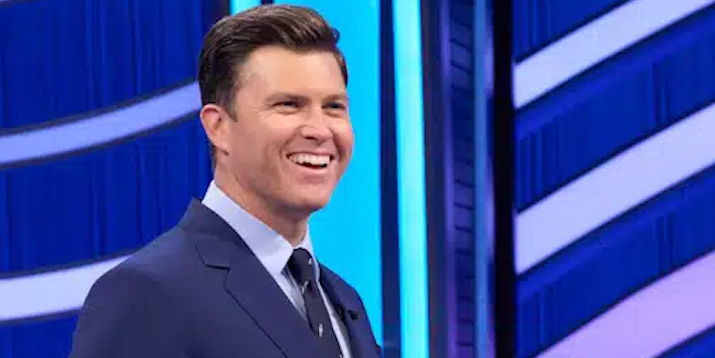
Pop Culture Jeopardy! is a streaming spinoff of the legendary Jeopardy! franchise, designed for fans who can name Oscar winners, Marvel heroes, sitcom catchphrases, Taylor Swift Easter eggs, reality TV villains, and maybe that one actor who was “in that thing with the guy from the other thing.” Hosted by Colin Jost, the show keeps the classic answer-and-question structure of Jeopardy! but swaps broad general knowledge for pop culture categories and team-based strategy.
The result is familiar, fast, funny, and slightly chaotic in the best possible way. It is still Jeopardy!, meaning contestants must respond in the form of a question, manage wagers, survive Daily Doubles, and keep calm during Final Jeopardy. But it also feels like trivia night wandered onto a soundstage, got a professional lighting package, and discovered prize money.
What Is Pop Culture Jeopardy!?
Pop Culture Jeopardy! is a quiz competition that focuses on entertainment, celebrity culture, music, film, television, Broadway, sports-adjacent culture, internet trends, and generational references. Instead of three solo contestants standing behind the podiums, the show features teams of three players. That one change gives the spinoff a totally different rhythm from the original game.
The main show rewards individual recall, buzzer timing, and broad academic knowledge. This version rewards all of that plus chemistry. A strong team might include one person who knows 1980s pop music, one who can identify every prestige TV actor from a blurry screenshot, and one who has somehow stored the entire internet in their brain. In other words, the best team is not just smart. It is balanced.
The spinoff launched on Prime Video and quickly became a conversation piece among game show fans because it offered something both familiar and fresh. Longtime viewers recognized the board, the clues, the wagering, and the nervous energy of Final Jeopardy. Newer viewers, especially people who love pop culture quizzes, found a version of Jeopardy! where knowing Zendaya’s career timeline could be just as useful as knowing the capital of Estonia.
Who Hosts Pop Culture Jeopardy!?
Colin Jost, best known as a longtime writer and “Weekend Update” co-anchor on Saturday Night Live, hosts the spinoff. His presence makes sense. Pop Culture Jeopardy! needs a host who can respect the rules while also reacting naturally when a category veers from Oscar history to boy bands to viral internet chaos.
Jost brings a dry, quick style that fits the format. He is not there to turn the show into stand-up comedy, and that is a good thing. The best game show hosts know when to move the game along, when to let contestants shine, and when to toss in a tiny joke before the scoreboard starts sweating. Jost’s humor gives the spinoff a lighter feel without making it unserious.
How Is It Different From Regular Jeopardy!?
The core DNA is still classic Jeopardy!. Players select clues from categories, respond in question form, gain or lose points, and try not to make a face that becomes a GIF. But Pop Culture Jeopardy! changes several important pieces.
1. Contestants Play in Teams of Three
The team format is the biggest difference. Instead of one contestant handling everything alone, three players compete together. That creates more personality on screen and more room for specialized knowledge. One teammate might dominate music categories, another might be deadly on film, while the third knows internet slang with the calm authority of a person who has spent too much time on group chats.
However, the team setup does not mean contestants can chat constantly. On regular clues, players generally need to buzz in and answer individually. That keeps the game fast and prevents it from turning into a committee meeting with buzzers.
2. The Categories Are All About Pop Culture
Instead of geography, literature, science, history, and wordplay forming the backbone of the board, the spinoff leans into movies, TV, music, celebrities, Broadway, sports entertainment, comic book culture, internet trends, and generational references. Categories can range from clever and nostalgic to “how did the writers even think of this?”
That makes the show more accessible for viewers who might feel intimidated by regular Jeopardy!. You may not know 19th-century European treaties, but you might absolutely know which actor played a superhero, hosted a sketch show, and appeared in a streaming drama your friend will not stop recommending.
3. The Game Uses a Special “Triple Play” Element
Triple Play is one of the spinoff’s signature twists. It is built for the team format and gives all three members a chance to contribute. A Triple Play clue has multiple correct responses, and teammates may need to supply them in sequence. When it works, it feels like a pop culture relay race. When it fails, it feels like watching someone drop the baton while the audience collectively whispers, “Oh no, not the obvious one.”
This feature adds strategy because teams must know not only the answer but also which teammate should respond and how confidently they can complete the set. It rewards depth, communication, and the ability to stay calm under bright studio lights, which is basically an Olympic event for trivia people.
4. The Tone Is More Playful
Regular Jeopardy! has its own charm: clean, crisp, brainy, and iconic. Pop Culture Jeopardy! keeps that structure but loosens the tie a bit. The team names, category themes, and Colin Jost’s hosting style make the show feel more social. It is still competitive, but it has the energy of smart friends battling over a shared obsession.
What Was the Season 1 Format?
Season 1 was structured as a large tournament. It featured 81 teams of three competing for a $300,000 grand prize and, naturally, bragging rights that could make any group chat unbearable for months.
The early rounds worked like a bracket. Teams advanced by winning games, and the competition narrowed until the final teams faced off for the championship. The finale aired as the deciding match, with the last three teams competing for the title of Pop Culture Jeopardy! Champion.
The prize structure gave the season stakes beyond “I would like to prove I know more about pop culture than my cousins.” A six-figure grand prize is enough to make even a confident trivia fan suddenly forget the name of the lead singer of a band they have loved since middle school.
Where Can Fans Watch It?
Season 1 premiered on Prime Video. Season 2, however, is moving to Netflix. That platform shift is one of the biggest updates fans should know because it changes where new episodes will live going forward.
The Netflix season is scheduled to premiere on May 11, 2026, with new episodes released every weekday through June 5, 2026. That weekday rollout is especially interesting because it makes the streaming spinoff feel more like traditional daily Jeopardy!. Instead of dropping everything at once, Netflix is turning it into a recurring appointment. In streaming terms, that is practically a rotary phone, and honestly, it may be exactly what a quiz show needs.
What Is Changing in Season 2?
Season 2 is not just changing platforms. It is also adjusting the rhythm of the competition. Reports indicate that the Netflix edition will lean into a more daily-friendly structure, with regular-season-style games followed by a tournament stage. That means viewers can follow winning teams over multiple episodes, similar to how fans track champions on the classic syndicated show.
This could be a smart move. The massive Season 1 bracket was exciting, but a daily format can help viewers build attachments to teams. If a group wins Monday, returns Tuesday, and survives Wednesday, suddenly the audience has a rooting interest. By Friday, fans may be yelling advice at the screen like unpaid assistant coaches.
For Netflix, the schedule also encourages repeat viewing. For Jeopardy! fans, it feels natural. The franchise was built on the habit of showing up regularly, answering from the couch, and pretending the remote control is a buzzer.
Why the Spinoff Works
The genius of Pop Culture Jeopardy! is that it understands pop culture is not “easy trivia.” Good pop culture knowledge is layered. It includes memory, context, taste, timing, and pattern recognition. Knowing the title of a song is useful. Knowing the artist, the era, the movie trailer it appeared in, the TikTok trend it revived, and the celebrity breakup it was rumored to reference? That is graduate-level nonsense, and America is full of scholars.
The spinoff also benefits from the way pop culture crosses generations. A category might reward someone who grew up on classic sitcoms, another who knows 2000s teen movies, and another who has memorized current streaming hits. Teams must bridge those gaps. That makes the show feel broader than a simple “young people know memes” competition.
It also creates great couch play. Viewers can shout answers with friends and family, and everyone gets a moment to be the expert. Dad may crush a classic rock clue. A teenager may rescue the room on a social media category. Someone’s aunt may unexpectedly know everything about Broadway. Nobody saw it coming, but now she is the household champion.
What Kinds of Categories Appear?
The show’s category range is one of its biggest hooks. Fans can expect questions related to film, television, music, celebrities, theater, sports culture, comic book franchises, viral moments, and entertainment history. Official descriptions have teased areas such as Alternative Rock, The Avengers, Broadway, MMA, Gen Z, and Zendaya. That combination alone sounds like a playlist created by a trivia-loving octopus.
Strong categories are not just lists of famous names. The best ones ask players to connect clues across eras and formats. A clue might test whether a contestant recognizes a film role, a song lyric reference, an awards-show moment, or a streaming hit. The fun comes from realizing that pop culture knowledge is a web. Pull one thread and suddenly you are connecting a superhero movie to a Broadway performer to a viral meme from three years ago.
Is Pop Culture Jeopardy! Easier Than Regular Jeopardy!?
Not necessarily. It is different, not automatically easier. A viewer who dominates regular Jeopardy! literature categories may freeze when asked about reality TV. A pop culture fan who knows every celebrity couple may still struggle with a clue about older films or theater history.
The spinoff’s difficulty comes from breadth. Pop culture moves quickly. It also reaches backward. Contestants may need to know classic cinema, 1990s sitcoms, 2000s pop stars, modern streaming series, internet personalities, award winners, comic book universes, and music genres. That is a lot of mental tabs to keep open. Eventually, even the most confident fan discovers a blind spot shaped exactly like a category they hoped would never appear.
Who Should Watch Pop Culture Jeopardy!?
This show is ideal for longtime Jeopardy! fans who want a lighter spinoff, trivia night regulars, entertainment junkies, families, friend groups, and anyone who has ever paused a movie to say, “Wait, that actor was also in…” while everyone else begged them to let the scene continue.
It is especially fun as a group watch. Because the questions cover so many corners of culture, different people can shine at different moments. The show turns watching TV into a team sport, which is fitting since the contestants are also playing in teams.
What Fans Should Know Before Watching
First, do not expect a watered-down version of Jeopardy!. The format still rewards quick thinking and precise recall. Second, pay attention to team dynamics. The best teams are not always the loudest or most confident. They are the ones with complementary knowledge and smart risk management.
Third, remember that the spinoff is designed to be fun. Regular Jeopardy! can feel like a mental decathlon. Pop Culture Jeopardy! is more like a trivia party with serious rules and real money. It wants viewers to play along, laugh, groan when they miss an obvious clue, and feel deeply proud when they nail a response before the contestants do.
Experience Section: Watching Pop Culture Jeopardy! Like a Real Fan
The best way to experience Pop Culture Jeopardy! is not silently, politely, or with the emotional restraint of a library statue. This is a show built for participation. Watch it with friends, family, roommates, or the kind of person who insists they “do not care about celebrities” but somehow knows every detail of a 2007 awards-show controversy.
A great viewing setup starts with teams. Split your living room into groups of two or three and keep score casually. You do not need a studio buzzer system, although someone will absolutely try to use a phone app and take it too seriously. A simple rule works fine: first person to say the correct response gets the point. If someone forgets to phrase it as a question, subtract imaginary dignity.
Part of the fun is discovering everyone’s secret knowledge zone. One person may be useless during music categories but unbeatable when the board turns to animated films. Another may have no idea what happened in prestige dramas but can identify every former Disney Channel star at lightning speed. Someone else may quietly dominate Broadway and then act humble, which is suspicious behavior and should be monitored.
The team-based format also makes the show feel more forgiving than classic solo trivia. When contestants work together on certain clues, viewers can see how different brains approach the same question. One teammate may recognize the actor, another may remember the title, and the third may connect the clue to the correct response at the last second. That collaborative spark is what makes the spinoff feel fresh.
For casual fans, Pop Culture Jeopardy! is a reminder that pop culture is shared memory. It is the songs heard in cars, the movies quoted at parties, the shows watched during school breaks, the memes sent at midnight, and the celebrity moments that somehow became national conversation. The show turns all of that into a game board.
For serious trivia fans, the spinoff offers a new kind of challenge. You cannot prepare only by reading almanacs or memorizing capitals. You need range. You need entertainment history, current trends, and the ability to connect clues quickly. It rewards people who pay attention to culture without pretending culture is neat or orderly. Pop culture is messy. That is why it is fun.
One practical tip: watch with a “no judgment” rule. Everyone has gaps. A person who can explain the Marvel timeline may not know a single Broadway composer. A music expert may blank on a famous reality show. A film buff may confuse two actors with similar names and spend the next three minutes defending the mistake like a lawyer in a courtroom drama. Let it happen. That is part of the experience.
Another tip is to use the show as a springboard. After an episode, look up the categories that stumped you. Build your own mini trivia night. Make a playlist from music clues. Rewatch a movie mentioned in Final Jeopardy. The best quiz shows do more than test what you know; they make you curious about what you missed.
Ultimately, Pop Culture Jeopardy! works because it respects fans. It does not treat entertainment knowledge as silly. It treats it as a real form of memory, connection, and cultural literacy. Yes, the clues may involve superheroes, sitcoms, pop stars, and memes. But the game underneath is still about recall, speed, confidence, and strategy. That is why the spinoff can appeal to both classic Jeopardy! loyalists and viewers who usually prefer their trivia with snacks.
Conclusion
Pop Culture Jeopardy! is more than a novelty spinoff. It is a smart expansion of a classic format, built around the way people actually talk, watch, stream, quote, debate, and obsess over entertainment. With Colin Jost as host, teams of three at the podiums, a $300,000 prize at stake, and a move to Netflix for Season 2, the show has carved out a lively identity of its own.
For fans, the appeal is simple: it feels like Jeopardy!, but with categories that might reward your years of watching movies, arguing about TV finales, recognizing song intros, and remembering celebrity facts your brain saved without permission. Finally, all that “useless” knowledge has found a home. Your brain was not wasting storage space. It was training.
Note: This article is based on real, currently available information from official platform announcements, the Jeopardy franchise, and reputable U.S. entertainment reporting as of April 26, 2026.