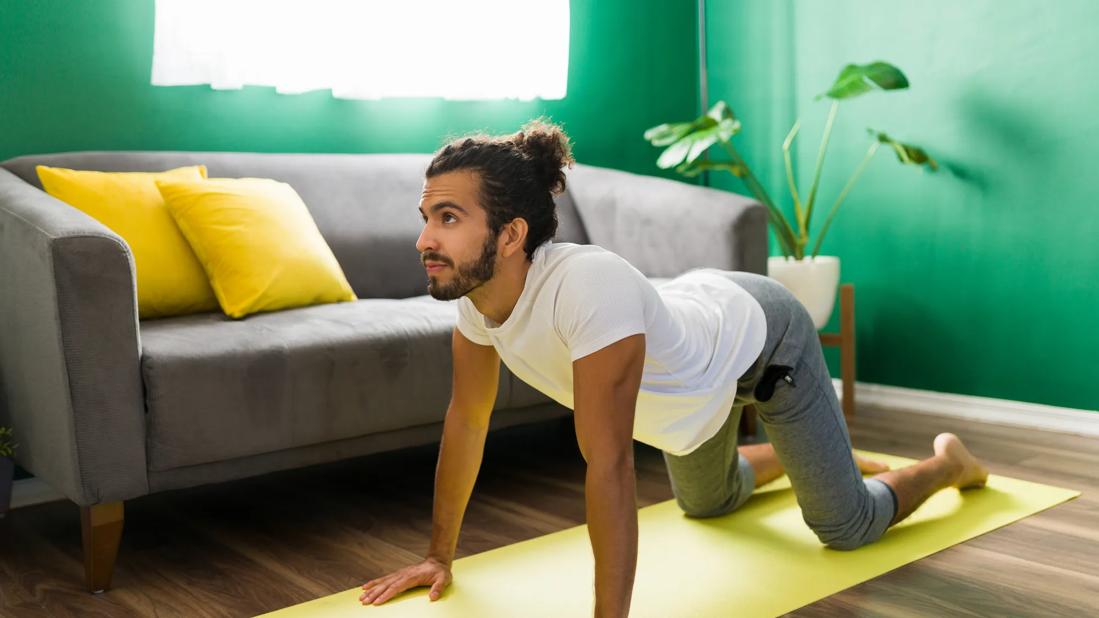
Somatic yoga sounds like something you might hear from a calm instructor wearing linen pants and speaking in the voice of a spa waterfall. But behind the soothing name is a practical, body-aware approach to movement that can help people slow down, notice tension, breathe better, and reconnect with their bodies without trying to twist themselves into a human pretzel.
At its core, somatic yoga combines traditional yoga principles with somatic movement: gentle, mindful movement guided by internal sensation rather than external appearance. In regular yoga, you might focus on whether your Warrior II looks strong, your spine is long, or your heels are inching toward the floor in Downward Dog. In somatic yoga, the main question is different: What do I feel while I move?
This shift may sound small, but it changes the whole experience. Somatic yoga is less about performance and more about awareness. It invites you to move slowly, breathe intentionally, release habitual tension, and listen to the nervous system’s quiet little notifications before they become full-body pop-up ads.
What Is Somatic Yoga?
Somatic yoga is a gentle form of yoga that emphasizes body awareness, internal sensation, breath, and nervous system regulation. The word “somatic” comes from “soma,” meaning the living body as experienced from within. In simple terms, somatic yoga asks you to pay attention to your body from the inside out.
Instead of pushing deeper into a stretch or aiming for perfect alignment, you explore movement with curiosity. You may notice how your shoulders respond to a slow arm circle, how your lower back feels during a pelvic tilt, or how your breathing changes when you soften your jaw. Yes, your jaw. That tiny stress-storage unit you carry around all day.
Somatic yoga often includes elements such as:
- Slow, mindful movement
- Breath awareness
- Body scanning
- Gentle stretching
- Releasing muscle tension
- Noticing sensations without judgment
- Restorative or floor-based poses
The goal is not to “win” at yoga. There is no trophy for the deepest forward fold, and frankly, your hamstrings did not sign up for a competition. The goal is to become more aware of how your body feels, moves, protects itself, and responds to stress.
How Somatic Yoga Is Different From Traditional Yoga
Traditional yoga includes many styles, from vigorous Vinyasa flows to slow Yin practices. Somatic yoga can overlap with gentle yoga, restorative yoga, trauma-informed yoga, and therapeutic yoga, but it has a distinctive focus: internal experience comes first.
1. It Focuses on Sensation, Not Shape
In many yoga classes, students are guided into poses with visual alignment cues: stack the knee over the ankle, lengthen the spine, square the hips, and so on. Those cues can be useful. But somatic yoga asks you to notice what happens inside the body during the movement.
For example, instead of trying to make Cat-Cow look graceful, you might move through the spine slowly and ask: Where does movement feel easy? Where does it feel sticky? Does the breath stop? Does the belly tighten? Does the neck want to take over like an overachieving group-project partner?
2. It Moves Slowly on Purpose
Somatic yoga is usually slow because the nervous system needs time to notice, process, and adapt. Fast movement can be helpful for fitness, but slow movement is often better for awareness. It gives the brain a chance to update its map of the body.
Many somatic exercises use small, repeated motions rather than long-held stretches. You might gently contract and release muscles, rock the pelvis, rotate the shoulders, or move the head side to side while observing subtle changes.
3. It Encourages Choice and Comfort
Somatic yoga is highly adaptable. You are encouraged to reduce intensity, pause, change position, use props, or skip a movement. This is especially important for beginners, older adults, people with chronic pain, and anyone whose body has ever said, “Absolutely not,” during a fitness class.
The Science Behind Somatic Yoga
Research specifically on somatic yoga is still developing, so it is important not to oversell it as a miracle cure wrapped in a yoga mat. However, its foundations are supported by research in related areas: yoga, mindfulness, breathwork, somatic therapy, pain science, interoception, and stress regulation.
Three concepts help explain why somatic yoga may feel so effective: interoception, proprioception, and nervous system regulation.
Interoception: Listening to Internal Signals
Interoception is your ability to sense internal body signals, such as breathing, heartbeat, muscle tension, hunger, warmth, or discomfort. Somatic yoga trains this skill by asking you to notice sensations instead of ignoring them until they send a strongly worded complaint.
Better interoceptive awareness may help people recognize stress earlier. For example, instead of realizing you are overwhelmed only after snapping at your laptop, you may notice shallow breathing, tight shoulders, or a clenched stomach sooner. That awareness can create space for a calmer response.
Proprioception: Knowing Where Your Body Is
Proprioception is your body’s sense of position and movement. It helps you walk without staring at your feet, reach for a coffee mug without launching it across the kitchen, and balance in yoga poses without turning Tree Pose into Falling Branch Pose.
Somatic yoga often uses slow, controlled movement to improve body mapping. By moving with attention, you may become more aware of how your joints, muscles, and posture interact.
Nervous System Regulation: Shifting Out of High Alert
Stress can keep the body in a state of alertness. The breath becomes shallow, muscles tighten, digestion slows, and the mind starts acting like it has 47 browser tabs open. Somatic yoga uses slow movement, breathing, and present-moment awareness to encourage relaxation and downshift the body from “fight-or-flight” toward a calmer state.
This does not mean one session magically deletes stress. It means consistent practice may help the body become more familiar with calm, which is a surprisingly useful skill in modern life.
Benefits of Somatic Yoga
Somatic yoga offers several potential benefits for physical, mental, and emotional well-being. The exact results vary from person to person, but many people practice it to reduce stress, ease tension, improve mobility, and feel more at home in their bodies.
1. May Reduce Stress and Anxiety
One of the most common reasons people try somatic yoga is stress relief. By combining breath, slow movement, and mindful attention, somatic yoga may help calm the nervous system and reduce the physical signs of stress.
Unlike workouts that distract you from stress, somatic yoga gently teaches you to notice stress in the body and respond with care. You may learn that your shoulders rise when you are anxious, your breath shortens when you are rushed, or your hips tighten after long hours at a desk. Awareness is not the whole solution, but it is often the first useful doorway.
2. Supports Mind-Body Connection
Somatic yoga is essentially a mind-body connection workout, minus the dramatic soundtrack and boot-camp yelling. It helps you understand how thoughts, emotions, posture, breath, and muscle tension influence one another.
For example, a person who constantly braces their abdomen may discover that softening the belly allows deeper breathing. Someone who habitually tightens the neck may notice that gentle shoulder movement creates relief. These small discoveries can change how you move through daily life.
3. May Help Ease Muscle Tension
Many people carry chronic tension in the neck, shoulders, jaw, lower back, hips, or chest. Somatic yoga does not force muscles into submission. Instead, it uses gentle awareness-based movement to help the body release unnecessary holding patterns.
A common somatic approach is to gently contract a muscle, notice the sensation, and then slowly release it. This can help the brain recognize the difference between tension and relaxation. Think of it as teaching your muscles that they are allowed to clock out.
4. May Improve Flexibility and Mobility
Traditional stretching often focuses on lengthening muscles. Somatic yoga may improve flexibility in a different way: by reducing protective tension and improving neuromuscular awareness. When the nervous system feels safer, the body may allow more comfortable movement.
This makes somatic yoga especially appealing for people who feel stiff but dislike aggressive stretching. Instead of yanking the body into a shape, you move slowly and let the body negotiate. It is diplomacy for your hamstrings.
5. May Support Better Posture
Poor posture is not always about weakness. Sometimes it is about habit, stress, fatigue, repetitive work, or lack of body awareness. Somatic yoga helps you notice how you sit, stand, breathe, and hold tension.
Small practices such as shoulder rolls, spinal waves, pelvic tilts, and mindful standing can help you feel the difference between collapsed posture, rigid posture, and relaxed upright support. The goal is not military-straight posture. The goal is ease, balance, and enough freedom to move without feeling like office furniture.
6. Can Be Helpful for Chronic Pain Management
Yoga has been studied for chronic low back pain and other pain conditions, with evidence suggesting it may help improve function and reduce discomfort for some people. Somatic yoga may be useful because it is gentle, adaptable, and focused on awareness rather than intensity.
For people with chronic pain, the body may become guarded. Movement can feel threatening, even when it is safe. Somatic yoga may help rebuild trust by using small, comfortable movements that do not trigger fear or flare-ups. However, anyone with persistent or severe pain should work with a qualified healthcare provider or experienced instructor.
7. May Improve Sleep Quality
Many people struggle to sleep because their body is tired but their nervous system is still hosting a midnight strategy meeting. Somatic yoga may help by lowering physical tension, slowing the breath, and creating a bedtime transition ritual.
Gentle practices such as body scanning, supported Child’s Pose, legs on a chair, slow pelvic rocking, or extended exhalations can signal that the day is ending. Your brain may still try to replay that awkward conversation from 2018, but at least your body gets a vote.
8. Encourages Emotional Awareness
Emotions often show up in the body. Stress may feel like a tight chest. Grief may feel heavy. Anxiety may feel buzzy or restless. Somatic yoga gives you a safe, slow way to notice these sensations without needing to analyze everything immediately.
This does not replace therapy, especially for trauma, anxiety disorders, depression, or PTSD. But it can complement mental health care by helping people develop grounding skills and body-based self-awareness.
9. Accessible for Beginners
Somatic yoga is beginner-friendly because it does not require advanced flexibility, fancy equipment, or the ability to pronounce Sanskrit pose names with confidence. Many practices can be done on a mat, in a chair, or even in bed.
If you can breathe, notice, and move gently within your comfort range, you can begin. That said, “gentle” does not mean careless. People with injuries, balance issues, pregnancy, recent surgery, osteoporosis, or medical conditions should seek guidance before starting.
Common Somatic Yoga Exercises
Somatic yoga practices are usually simple. The magic is not in the complexity; it is in the attention. Below are a few beginner-friendly examples.
Pelvic Tilts
Lie on your back with knees bent and feet on the floor. Slowly tilt your pelvis so your lower back gently presses toward the mat, then release and allow a small arch. Move slowly and notice how the spine, belly, hips, and breath respond.
Shoulder Melting
Sit or lie comfortably. Lift your shoulders slightly toward your ears, pause, then slowly let them melt down. Repeat several times. Notice the difference between holding and releasing.
Cat-Cow With Curiosity
On hands and knees, slowly round and arch the spine. Instead of trying to make the movement big, make it smooth. Notice where the spine moves easily and where it feels quieter.
Constructive Rest
Lie on your back with knees bent and feet on the floor, hip-width apart. Let the body settle. Notice the contact points with the ground, the movement of breath, and areas of tension. This simple position can be surprisingly powerful, even if it looks like you are doing absolutely nothing. Sometimes “nothing” is exactly the assignment.
Slow Neck Turns
Lie down or sit comfortably. Slowly turn your head to one side and back to center, staying within an easy range. Pay attention to the jaw, throat, shoulders, and breath. Keep the movement gentle, especially if you have neck pain.
Who Can Benefit From Somatic Yoga?
Somatic yoga may be useful for many people, especially those who want a slower, more mindful approach to movement. It may be a good fit for:
- Beginners who feel intimidated by traditional yoga classes
- People with stress-related tension
- Desk workers with tight shoulders, hips, or backs
- Older adults seeking gentle mobility work
- People recovering from burnout
- Individuals interested in nervous system regulation
- Those who want a more compassionate relationship with their body
It may not be ideal as a stand-alone approach for serious medical, mental health, or trauma-related conditions. In those cases, somatic yoga may be supportive, but it should be part of a broader care plan.
How to Start Somatic Yoga Safely
Starting somatic yoga does not require a dramatic life makeover. You do not need a Himalayan retreat, a $90 candle, or leggings with mystical compression technology. Begin simply.
Start With 10 Minutes
A short daily practice can be more helpful than one intense weekly session. Try 10 minutes of pelvic tilts, shoulder releases, body scanning, or gentle breath awareness.
Move Below Your Maximum
Somatic yoga works best when you stay within a comfortable range. Avoid forcing stretches or chasing strong sensations. Mild sensation is fine; sharp pain, numbness, dizziness, or emotional overwhelm is a sign to stop and seek support.
Use Props
Blankets, pillows, bolsters, yoga blocks, chairs, and walls can make practice more comfortable. Props are not cheating. They are excellent little support employees.
Choose Trauma-Informed or Therapeutic Teachers
If you are practicing because of trauma, chronic pain, anxiety, or emotional stress, look for instructors with training in trauma-informed yoga, therapeutic yoga, somatic movement, or related fields. A good teacher should encourage choice, consent, and body autonomy.
Talk With a Healthcare Professional When Needed
If you have a medical condition, recent injury, surgery, pregnancy, severe pain, dizziness, or a history of trauma that may be activated by body-based practices, speak with a qualified professional before beginning.
Somatic Yoga vs. Somatic Therapy
Somatic yoga and somatic therapy are related but not the same. Somatic therapy is a mental health approach used by trained professionals to address trauma, stress, and emotional patterns through body awareness. Somatic yoga is a movement practice that may borrow similar principles, such as noticing sensations, grounding, breath, and self-regulation.
In other words, somatic yoga can be therapeutic, but it is not automatically therapy. A yoga teacher is not a substitute for a licensed therapist, just as owning a stethoscope does not make someone a cardiologist. Stylish, perhaps. Qualified, no.
Real-Life Examples of Somatic Yoga in Daily Life
Somatic yoga becomes especially useful when it leaves the mat and follows you into ordinary life. Imagine you are sitting at your desk, shoulders creeping toward your ears while your inbox multiplies like a science experiment. A somatic approach might be to pause, feel your feet on the floor, notice your breath, gently lift and release your shoulders, and let your jaw soften. That tiny reset may not answer your emails, but it can stop your body from treating them like a tiger attack.
Another example: You wake up with a stiff lower back. Instead of immediately forcing a deep stretch, you lie on your back with knees bent and slowly rock your pelvis. You notice that the left side feels tighter than the right. You move gently for five minutes, breathe, and stand up with more awareness. The goal is not instant perfection. The goal is a better conversation with your body.
Or maybe you feel emotionally overwhelmed. A somatic yoga practice might include placing one hand on your chest and one on your belly, noticing the breath, and slowly turning the head from side to side. These movements are small, but they can help orient you to the present moment.
Personal Experience Section: What Practicing Somatic Yoga Can Feel Like
For many people, the first experience with somatic yoga is surprisingly quiet. If you are used to high-energy workouts, the beginning may feel almost too simple. You lie down, breathe, tilt your pelvis a few millimeters, and wonder whether you accidentally joined a class called “Advanced Resting.” Then, slowly, you begin to notice things.
You may notice that your right shoulder never fully relaxes. You may discover that your breathing gets shallow when you move your hips. You may realize that your lower back has been bracing all day, not because anything dramatic happened, but because you sat in traffic, answered messages, drank too much coffee, and forgot that your body is not just a transportation device for your head.
One of the most common experiences in somatic yoga is the feeling of “coming back” into the body. Many people spend the day thinking, planning, scrolling, worrying, and solving problems. The body becomes background noise. Somatic yoga turns the volume back up gently. Instead of ignoring signals, you learn to notice them while they are still whispers.
A simple evening practice might begin with constructive rest. You lie on the floor, knees bent, feet grounded. At first, your mind may complain: “Are we done yet? Should we check the phone? Did we pay that bill?” But after a few minutes, the breath settles. The back spreads into the floor. The face softens. You notice how much effort you were using to do absolutely nothing.
Then you add slow pelvic tilts. The movement is small, almost boring in the best way. You are not trying to stretch aggressively. You are sensing. You notice the lower back flattening and releasing. You notice the belly tightening, then softening. You notice that when you move slower, you feel more. This can be humbling because many of us assume harder means better. Somatic yoga politely disagrees.
Over time, the practice may affect ordinary moments. You might catch yourself clenching the steering wheel and soften your hands. You might notice your shoulders rising during a tense conversation and take a slower breath. You might realize that your body says “I need a break” before your brain says “I am burned out.” That is one of the real benefits: somatic yoga can make body awareness practical.
People who practice consistently often describe feeling less at war with their bodies. Instead of seeing stiffness as failure, they see it as information. Instead of treating pain as an enemy to defeat, they approach discomfort with curiosity and appropriate care. Instead of forcing relaxation, they create conditions where relaxation has a chance to appear.
There can also be emotional surprises. A gentle chest-opening movement may bring sadness. A hip release may create unexpected restlessness. A quiet body scan may reveal fatigue you have been outrunning for weeks. This does not mean the practice is doing something wrong. It means the body and emotions are connected. The key is to go slowly, stay grounded, and seek professional support if anything feels overwhelming.
The best part is that somatic yoga does not demand a perfect lifestyle. You can practice for five minutes in pajamas. You can do shoulder releases at your desk. You can breathe slowly before bed. You can modify everything. The practice meets you where you are, which is refreshing in a wellness world that often acts like self-care requires a color-coded morning routine and a blender powerful enough to frighten the neighbors.
Somatic yoga is not flashy. It will not make you instantly enlightened, immune to stress, or capable of levitating above your laundry pile. But it can help you build a kinder relationship with your body, one slow breath and gentle movement at a time.
Conclusion: Is Somatic Yoga Worth Trying?
Somatic yoga is a gentle, mindful approach to movement that focuses on internal awareness rather than external performance. It blends yoga, breathwork, body scanning, and somatic principles to support relaxation, mobility, emotional awareness, and nervous system regulation.
Its benefits may include reduced stress, improved body awareness, less muscle tension, better mobility, improved sleep, and a more compassionate relationship with the body. While research specifically on somatic yoga is still growing, related evidence on yoga, mindfulness, breathwork, and body-based practices supports many of its potential advantages.
If traditional yoga feels too fast, too competitive, or too focused on flexibility, somatic yoga may be a refreshing alternative. It is slow. It is subtle. It does not care whether you can touch your toes. It cares whether you can notice your breath, soften unnecessary tension, and listen to what your body has been trying to say.
Note: This article is for informational and educational purposes only. Somatic yoga can support well-being, but it should not replace medical care, physical therapy, or mental health treatment when those are needed.