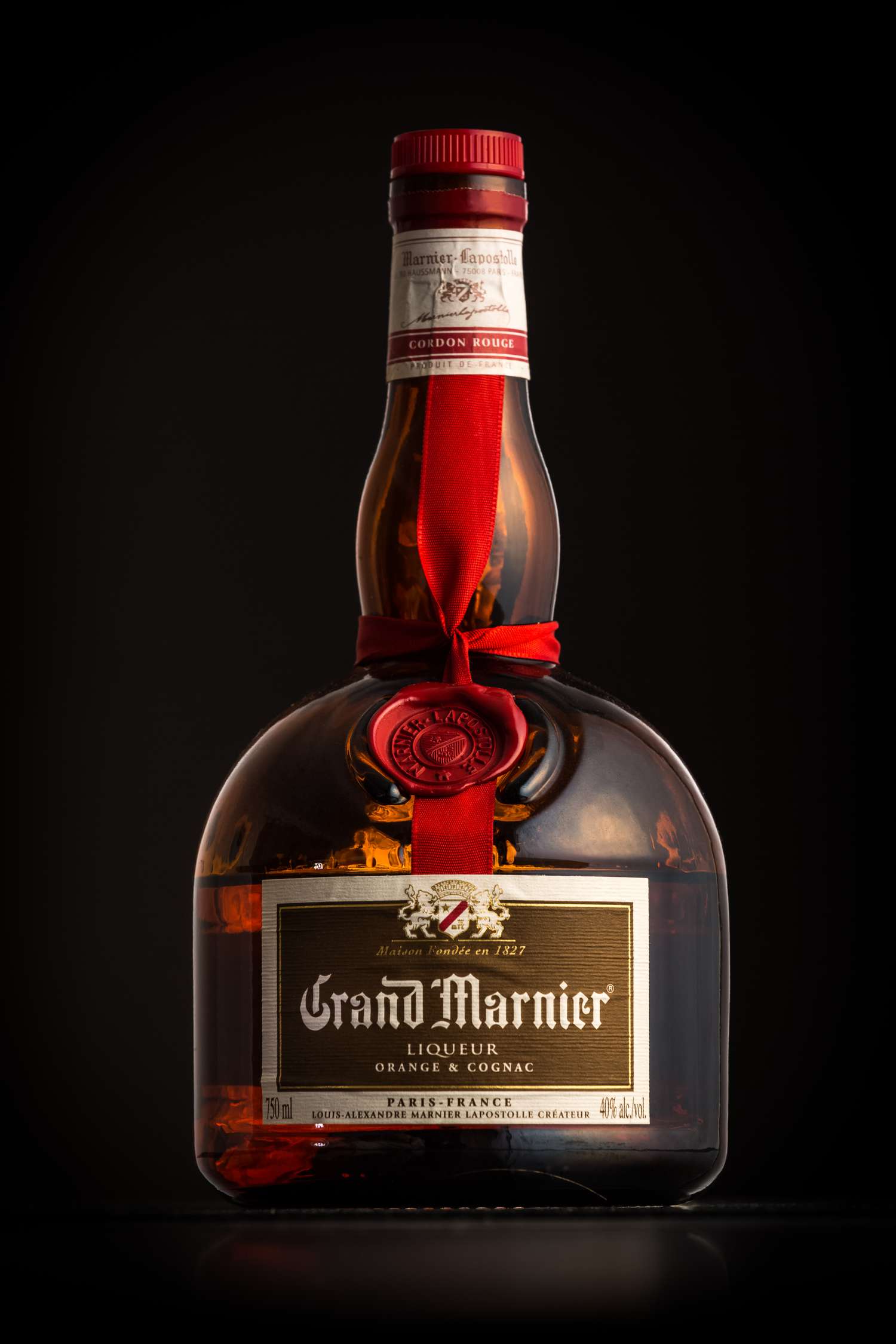
Grand Marnier Cordon Rouge Liqueur is one of those bottles that looks like it belongs in a fancy hotel bar, a French dessert cart, and your uncle’s “special occasion” cabinet all at the same time. It is a premium French orange liqueur made by blending Cognac with bitter orange liqueur and a touch of sugar. The result is rich, aromatic, citrusy, warming, and just dramatic enough to make a margarita feel like it put on a dinner jacket.
In simple terms, Grand Marnier Cordon Rouge is a Cognac-based orange liqueur. But that description undersells it a little. Many orange liqueurs are bright, sweet, and straightforward. Grand Marnier Cordon Rouge adds depth from Cognac, giving it flavors of candied orange peel, vanilla, oak, caramel, spice, and a softly bitter citrus finish. It is equally at home in cocktails, desserts, sauces, and slow sipping after dinner.
What Exactly Is Grand Marnier Cordon Rouge?
Grand Marnier Cordon Rouge is the original and best-known expression from the Grand Marnier brand. “Cordon Rouge” means “red ribbon” in French, referring to the signature red ribbon wrapped around the bottle. It was created in 1880 by Louis-Alexandre Marnier Lapostolle, who had the bold idea to combine French Cognac with distilled bitter orange essence and sugar. At the time, pairing an aged grape spirit with exotic orange flavor was an unusually elegant move. Today, it feels like the kind of idea everyone pretends they would have thought of first.
The liqueur is bottled at 40% alcohol by volume, or 80 proof in the United States. That makes it stronger than many sweet liqueurs and closer in strength to spirits like whiskey, rum, or gin. This higher ABV is one reason Grand Marnier performs so well in cocktails: it brings sweetness and orange flavor without disappearing into the drink like a shy guest at a loud party.
What Is Grand Marnier Made From?
The core ingredients of Grand Marnier Cordon Rouge are Cognac, bitter orange liqueur, and sugar. Its personality comes from the balance between those elements. The Cognac contributes body, warmth, oak, dried fruit, and subtle vanilla-like notes. The bitter orange element adds brightness, perfume, citrus peel intensity, and a slightly pithy edge that keeps the liqueur from tasting flat or syrupy.
Cognac: The Rich Foundation
Cognac is a protected French brandy produced in the Cognac region of France. It is distilled from wine, aged in oak, and blended for complexity. In Grand Marnier Cordon Rouge, the Cognac gives the liqueur its plush texture and grown-up flavor. This is the main difference between Grand Marnier and many standard triple sec options, which are often made with a neutral spirit base.
Bitter Orange: The Bright Signature
The orange flavor in Grand Marnier is not just simple orange candy sweetness. It leans into bitter orange, peel, zest, and marmalade. That slight bitterness is important because it gives the liqueur structure. Think of it like adding lemon zest to cake batter: without it, everything is sweet; with it, the flavor suddenly stands up straight and introduces itself properly.
Sugar: The Smooth Connector
Sugar rounds the edges, softens the alcohol, and helps the Cognac and citrus flavors feel seamless. Grand Marnier Cordon Rouge is sweet, but it is not one-dimensional. Its sweetness carries orange peel, oak, spice, and caramel-like depth rather than tasting like melted hard candy.
What Does Grand Marnier Cordon Rouge Taste Like?
Grand Marnier Cordon Rouge tastes like bitter orange peel, candied citrus, Cognac, vanilla, toasted oak, light caramel, and warm spice. On the nose, it is highly aromatic, with orange zest and brandy notes arriving first. On the palate, it is smooth and silky, with a sweet entry followed by citrus brightness and a lingering orange-peel finish.
If you taste it neat, you may notice flavors similar to orange marmalade, dried apricot, honey, toffee, baking spice, and a gentle nuttiness. The Cognac base gives it a rounder, deeper character than clear orange liqueurs. This is why it works beautifully in cocktails that benefit from extra richness, such as margaritas, sidecars, and Old Fashioned-style variations.
Grand Marnier vs. Triple Sec: What Is the Difference?
Grand Marnier is often compared with triple sec, and the confusion is understandable. Both are orange liqueurs. Both appear in cocktails. Both can rescue a dull drink from tasting like citrus took the day off. But they are not identical.
Triple sec is generally a clear orange liqueur made with a neutral spirit base and orange peel flavoring. It tends to taste bright, clean, sweet, and citrus-forward. Grand Marnier, on the other hand, is Cognac-based, amber-colored, richer, deeper, and more complex. It has orange flavor, but it also has brandy-like warmth and oak-aged character.
In many recipes, you can substitute Grand Marnier for triple sec, but the drink will change. It may become richer, slightly darker, warmer, and more luxurious. In a margarita, Grand Marnier creates a “Grand Margarita” style with more body. In a cosmopolitan, it adds depth. In a sidecar, it feels especially natural because the cocktail already includes Cognac or brandy.
Grand Marnier vs. Cointreau: Which One Should You Use?
Cointreau is another famous orange liqueur, and it is typically classified as a premium triple sec. It is clear, crisp, dry, and intensely orange. Grand Marnier is amber, rounder, Cognac-based, and more dessert-like in its complexity. Neither is automatically “better.” They simply play different roles.
Use Cointreau when you want a bright, clean orange note that does not change the color or weight of a cocktail too much. Use Grand Marnier when you want orange flavor plus richness, warmth, and a slightly more luxurious mouthfeel. If Cointreau is a sharp linen shirt, Grand Marnier is a velvet dinner jacket. Both have their moment; one just looks more dramatic near candlelight.
How to Drink Grand Marnier Cordon Rouge
Grand Marnier Cordon Rouge is versatile enough to drink neat, on the rocks, in cocktails, or mixed into hot drinks. Because it is 40% ABV, a little goes a long way. You do not need to pour it like lemonade at a picnic.
Drink It Neat
For a simple tasting experience, pour a small amount into a snifter or rocks glass. Let it sit for a minute so the aroma opens. Sip slowly and look for orange peel, Cognac, vanilla, spice, and oak. It makes a refined after-dinner drink, especially if dessert is nearby and behaving itself.
Serve It Over Ice
Ice softens the alcohol and brings out the citrus sweetness. This is a good option for people who enjoy the flavor but prefer a cooler, smoother drink. A wide orange twist over the glass makes it feel intentional rather than “I found this bottle behind the blender.”
Top It With Soda
Grand Marnier and soda is simple, refreshing, and underrated. Add one part Grand Marnier to a tall glass with ice, top with club soda, and garnish with orange. The bubbles lighten the liqueur while keeping its orange-Cognac personality intact.
Best Cocktails With Grand Marnier
Grand Marnier Cordon Rouge is famous for cocktails because it adds orange flavor, sweetness, alcohol strength, and structure. Here are several classic and modern ways to use it.
Grand Margarita
A Grand Margarita swaps standard triple sec for Grand Marnier. Mix tequila, fresh lime juice, and Grand Marnier, then shake with ice. The Cognac base gives the margarita extra richness and a smoother finish. It is the cocktail equivalent of upgrading from economy to “I found legroom.”
Sidecar
The Sidecar is a natural home for Grand Marnier because the drink traditionally combines Cognac, orange liqueur, and lemon juice. Using Grand Marnier doubles down on the Cognac character and creates a round, elegant cocktail with citrus brightness.
Cosmopolitan
Grand Marnier can replace triple sec in a cosmopolitan for a deeper version of the vodka, cranberry, lime, and orange liqueur classic. The result is slightly warmer and less sharp, with a richer orange backbone.
Grand Old Fashioned
Add a small splash of Grand Marnier to an Old Fashioned for orange sweetness and brandy-like complexity. It pairs especially well with bourbon or rye, where the orange notes complement vanilla, oak, and spice.
Cooking and Baking With Grand Marnier
Grand Marnier is not just for cocktails. It is a beloved ingredient in desserts, sauces, marinades, glazes, and fruit dishes. Its orange-Cognac flavor can make a basic dessert feel restaurant-worthy, even if your “plating style” is mostly controlled chaos.
Desserts
Grand Marnier works beautifully in chocolate mousse, orange cakes, cheesecakes, truffles, custards, bread pudding, and whipped cream. It can also be brushed onto cake layers to add moisture and flavor. A small amount brings a grown-up citrus note without overpowering the dessert.
Crêpes Suzette
One of the most famous culinary uses for Grand Marnier is crêpes Suzette, a French dessert featuring thin crêpes with orange-butter sauce. Grand Marnier adds aroma, warmth, and depth to the sauce. If flambéed, it also adds tableside drama, which is excellent as long as the drama stays in the pan and not on the curtains.
Sauces and Glazes
Grand Marnier can be reduced with orange juice, sugar, stock, vinegar, or butter to create sauces for duck, chicken, pork, salmon, or desserts. It pairs naturally with rich foods because citrus cuts through fat while Cognac adds body. A splash in cranberry sauce can also make a holiday table taste more polished.
Is Grand Marnier Sweet?
Yes, Grand Marnier Cordon Rouge is sweet, but it is balanced by bitter orange peel and Cognac. It is less like syrup and more like orange marmalade with oak and spice. That balance is why it can work both in sweet desserts and spirit-forward cocktails.
If you are using it in a recipe, remember that it adds both alcohol and sugar. In cocktails, you may need less simple syrup or agave nectar. In desserts, you can often reduce other sweeteners slightly if Grand Marnier is used in a meaningful amount.
How to Store Grand Marnier
Store Grand Marnier Cordon Rouge in a cool, dark place away from direct sunlight and heat. It does not need refrigeration because of its alcohol content. Keep the cap tightly closed to preserve aroma and prevent oxidation. While it will not spoil quickly like dairy or fresh juice, its best flavors are most vibrant when the bottle is stored properly and used within a reasonable time after opening.
Is Grand Marnier Worth It?
Grand Marnier is usually more expensive than basic triple sec, but it also brings more complexity. If you only need a tiny splash of orange sweetness in a large punch bowl, a cheaper orange liqueur may do the job. But if you are making margaritas, sidecars, sipping cocktails, crêpes Suzette, chocolate desserts, or orange sauces, Grand Marnier earns its place.
It is especially worth buying if you enjoy ingredients that serve multiple purposes. One bottle can upgrade cocktails, flavor desserts, enhance sauces, and work as a neat after-dinner pour. That kind of versatility is useful in a home bar or kitchen, where shelf space is precious and bottles should do more than look mysterious.
Common Substitutes for Grand Marnier
If you do not have Grand Marnier, the best substitute depends on the recipe. Cointreau is a good option for cocktails that need bright orange flavor. Triple sec works in casual mixed drinks, though it may taste simpler and sweeter. Curaçao can be suitable in classic cocktails, especially if the recipe already calls for it. For cooking, a mixture of orange juice, orange zest, and a small amount of brandy can mimic some of Grand Marnier’s flavor, though it will not be identical.
For non-alcoholic cooking, use orange juice concentrate, orange zest, a little sugar, and perhaps a splash of vanilla extract. The result will not have Cognac warmth, but it can still add citrus aroma to cakes, sauces, and desserts.
Experience Notes: Living With a Bottle of Grand Marnier Cordon Rouge
The first thing you notice about Grand Marnier Cordon Rouge is that it feels special before you even open it. The bottle has that old-world look: heavy glass, red ribbon, wax-like seal, elegant label. It does not scream for attention. It stands there quietly like it owns a château and is too polite to mention it.
In real home use, Grand Marnier shines because it is not a one-trick bottle. Some liqueurs are exciting for exactly one cocktail, then retire to the back of the cabinet like forgotten gym equipment. Grand Marnier keeps finding jobs. A splash in a margarita adds richness. A teaspoon in whipped cream makes berries feel fancy. A drizzle into hot chocolate turns a winter drink into something that should be served beside a fireplace, even if the fireplace is just a video on your television.
One of the best experiences with Grand Marnier is tasting it beside a basic triple sec. The difference is immediate. Triple sec often delivers a direct orange note: sweet, bright, and useful. Grand Marnier feels layered. You get orange first, then warmth, then oak, then a lingering citrus peel finish. It is like comparing orange soda to orange marmalade spread on toasted brioche. Both can be delicious, but one clearly brought luggage.
In cocktails, Grand Marnier is most rewarding when the drink has enough acidity or structure to balance it. In a margarita, fresh lime juice is essential. Bottled sour mix makes the drink taste dull and overly sweet. Fresh lime wakes everything up and lets the Cognac-orange flavor show its charm. In a Sidecar, Grand Marnier can make the cocktail smoother and rounder, especially if the Cognac is bold enough to stand beside it.
In the kitchen, Grand Marnier behaves like a flavor amplifier. Add a little to orange glaze for pound cake, and suddenly the cake tastes less like “Tuesday snack” and more like “someone had a plan.” Stir it into cranberry sauce, and the tart fruit gains perfume and depth. Add it to chocolate ganache, and the orange note cuts through the richness without shouting. It is particularly good with dark chocolate, vanilla, berries, duck, pork, and citrus-based desserts.
The trick is restraint. Grand Marnier is powerful, sweet, and aromatic. Too much can dominate a recipe, turning dessert into a liqueur commercial. Start small, taste, and adjust. In whipped cream, one or two teaspoons may be enough. In a sauce, a tablespoon or two can change the whole personality. In cocktails, measure carefully. Free-pouring Grand Marnier is how a balanced drink becomes a sticky orange handshake.
Grand Marnier also makes an excellent “guest bottle.” Not everyone knows exactly what it is, but many people recognize the name. It can be served simply over ice, mixed into sparkling wine, added to coffee, or used in a quick dessert sauce. That makes it useful for entertaining, especially when you want something that feels elegant without requiring twelve ingredients and a bartender with suspenders.
Overall, the experience of Grand Marnier Cordon Rouge is about balance: sweet but not childish, strong but not harsh, citrusy but not thin, luxurious but still practical. It is a bottle that rewards curiosity. Try it neat, then in a margarita, then in a dessert. By the time you spoon Grand Marnier orange sauce over vanilla ice cream, you may understand why this liqueur has lasted since 1880. Some classics survive because they are old. This one survives because it still tastes good.
Conclusion
Grand Marnier Cordon Rouge Liqueur is a premium French orange liqueur made from Cognac, bitter orange liqueur, and sugar. Created in 1880, it remains famous for its rich balance of candied citrus, oak, spice, sweetness, and warming Cognac depth. It is stronger and more complex than many orange liqueurs, making it a favorite for cocktails like margaritas and sidecars as well as desserts such as crêpes Suzette, cakes, sauces, and chocolate treats.
If you want a simple orange liqueur for casual mixing, triple sec may work. But if you want an orange liqueur with character, history, and enough elegance to make your home bar feel slightly more French, Grand Marnier Cordon Rouge is an excellent choice. It is not just a cocktail ingredient; it is a flavor upgrade in a red ribbon.