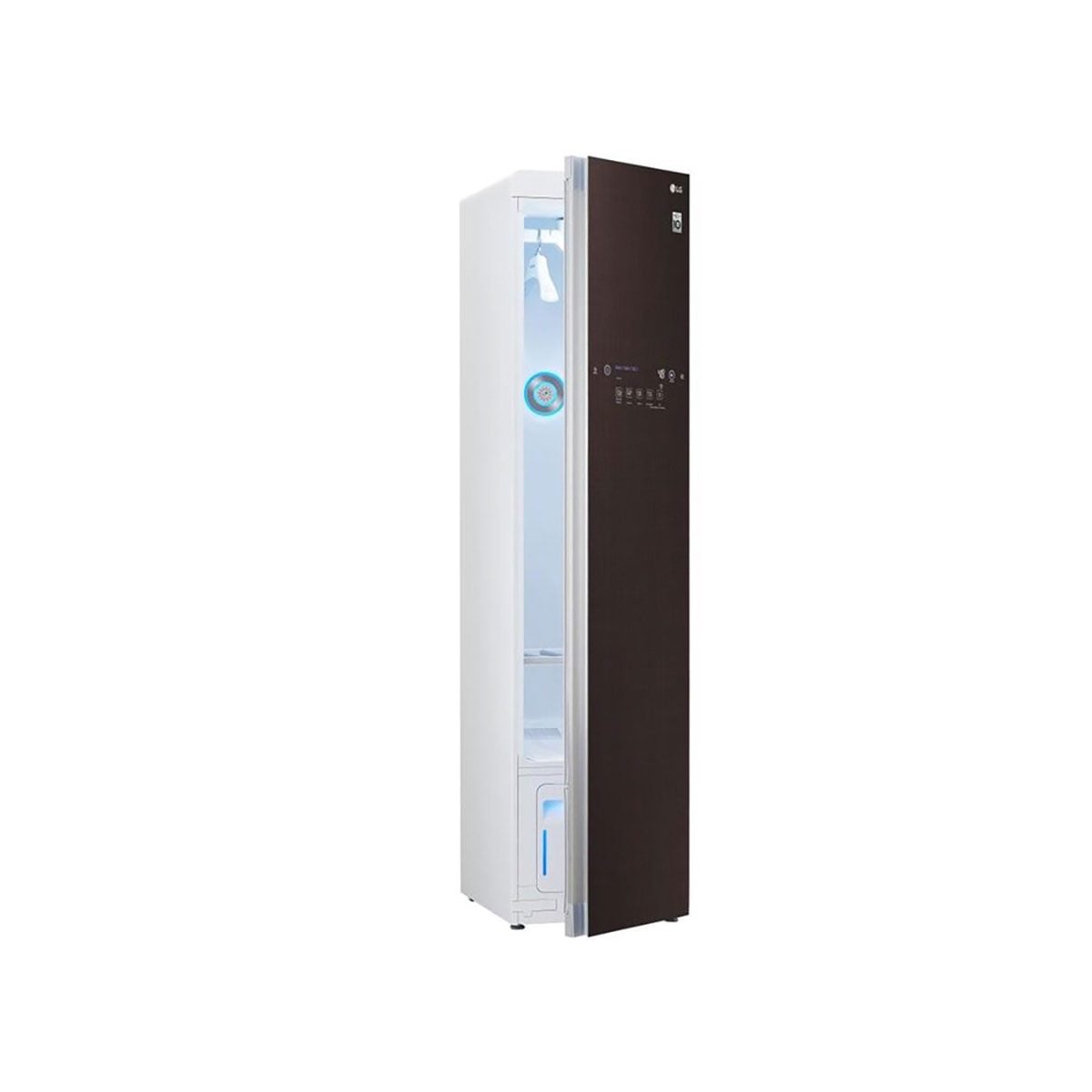
A styler appliance looks like a futuristices to make tired clothing look respectable again. Open the tall cabinet, hang up a wrinkled jacket, select a cycle, and the machine uses steam, moving air, gentle heat, or vibrating hangers to refresh it.
That sounds suspiciously like laundry without the laundry. No detergent measuring, no socks stuck inside fitted sheets, and no mysterious tissue turning an entire load into papier-mâché. Naturally, this raises an important question: Can a clothing styler replace your washing machine?
For most households, the answer is no. A styler appliance can reduce unnecessary washing, improve the appearance of lightly worn clothes, and provide specialized care for suits, coats, dresses, uniforms, and delicate garments. However, it does not perform the deep soil-removal work of a conventional washer.
Think of a garment styler as a valuable supporting actor rather than the star of the laundry room. It may steal a few scenes, especially when your blazer smells like last night’s restaurant, but the washing machine still gets top billing.
What Is a Styler Appliance?
A styler appliance is a tall, enclosed garment-care cabinet designed to refresh clothing between full washes or professional cleanings. It is also known as a steam closet, clothing care system, garment care cabinet, or wardrobe refresher.
Popular examples include the LG Styler and Samsung AirDresser. Although designs and cycle names vary, these appliances generally combine steam, controlled airflow, low-temperature drying, and gentle garment movement.
Instead of placing clothes in a rotating drum, you hang them inside the cabinet. The appliance then circulates steam and air around the fabric. Some models shake or move the hangers to loosen dust and help steam reach more of the garment. Others direct air through specialized hangers, filters, shelves, or vents.
Current styler systems are marketed primarily for refreshing, deodorizing, reducing light wrinkles, gently drying delicate items, and running model-specific sanitary cycles. Manufacturers explicitly position them for use between washes or dry-cleaning visits rather than as total replacements for conventional laundering. >How Does a Clothing Styler Work?
Although a styler appliance may resemble a narrow refrigerator, its internal process is closer to a combination of a garment steamer, drying cabinet, and automated clothes brush. Steam penetrates fabric and relaxes fibers that have become creased during wear or storage. This can soften light wrinkles in shirts, pants, skirts, dresses, and jackets. The result is usually a more polished garment, but not necessarily one that looks professionally pressed. Sharp dress-shirt collars, deeply wrinkled linen, and stubborn trouser creases may still require an iron, handheld steamer, or professional finishing. Air circulation helps carry away odor molecules caused by cooking, smoke, enclosed storage, or brief everyday wear. Certain models also include deodorizing filters intended to capture odor-causing compounds rather than simply covering them with fragrance. This is especially useful after sitting in a restaurant where the menu was delightful but the grilled-onion aroma followed your jacket home like an overly loyal pet. Some garment stylers use moving or vibrating hangers. The motion can loosen surface dust, lint, pollen, and other particles while helping air and steam circulate around the clothing. It is a gentle process compared with the tumbling, rubbing, and spinning that occur in a washer. That gentleness is one reason stylers are attractive for structured or delicate garments. Many models use a heat-pump drying system rather than blasting clothing with the intense heat associated with some tumble dryers. This can be useful for gently drying a hand-washed sweater, damp raincoat, scarf, or other care-label-approved item. Capacity is limited, however. A styler cabinet may accommodate a handful of hanging garments, not a week’s worth of family laundry. Selected machines include cycles designed to reduce certain tested bacteria, allergens, dust mites, or viruses under specific operating conditions. These claims depend on the appliance model, selected cycle, load arrangement, fabric type, and laboratory test method. For example, LG explains that its sanitary cycle maintains an elevated internal temperature for a defined period and uses more steam than a standard refresh cycle. A sanitary setting should therefore be treated as a specialized cycle, not proof that every quick refresh sterilizes everything placed inside. >What Can You Put in a Styler Appliance?
A clothing styler is most useful for garments that are lightly worn, difficult to wash frequently, prone to wrinkles, or expensive to replace. Depending on the model and care label, suitable items may include: Always read both the garment’s care label and the styler’s instructions. The Federal Trade Commission requires clothing manufacturers to provide at least one satisfactory care method, and those instructions should remain your primary guide. Steam is not an all-purpose permission slip for every fabric, adhesive, embellishment, or leather trim. >What a Styler Appliance Cannot Do
The biggest misunderstanding about steam closets is the belief that “refreshed” means “washed.” It does not. A washing machine combines water, detergent, temperature, and mechanical movement to lift soils from fabric and carry them away in the wash and rinse water. A styler does not submerge clothing in a detergent solution or perform a true rinse. That means body oils, ground-in dirt, spilled beverages, makeup, sauces, mud, and greasy stains may remain even when the garment smells better. A shirt can therefore emerge from a styler looking smoother and smelling fresher while still containing the physical residue that made it dirty. It is the clothing equivalent of spraying air freshener after burning dinner: the atmosphere improves, but the lasagna is still charcoal. Visible stains usually need prompt pretreatment followed by an appropriate wash or professional cleaning method. Detergent molecules are formulated to interact with oils and soils so they can be removed and suspended in wash water. Applying heat or steam to an unidentified stain may also make certain residues harder to remove. Check the garment before running a refresh cycle. If you see a stain, address it first rather than giving it a warm spa appointment. >It Cannot Handle Full Laundry Loads
A washer can clean multiple shirts, pants, towels, undergarments, and other items in one cycle. A styler usually handles only a small number of hanging pieces. Overloading the cabinet can interfere with steam circulation and garment movement. Even if twelve shirts physically fit after an enthusiastic game of closet Tetris, that does not mean they will be refreshed effectively. Underwear, socks, towels, washcloths, sweaty workout clothes, children’s play clothes, kitchen linens, and visibly dirty bedding generally need actual laundering. These items collect body oils, skin cells, food residue, moisture, and substantial soil that should be removed rather than merely deodorized. Public-health guidance also distinguishes cleaning from sanitizing. Cleaning physically removes soils and many germs, while sanitizing reduces germs to a defined level. For ordinary household laundry, water, detergent, washer action, rinsing, and proper drying remain the foundation. >Styler Appliance vs. Washing Machine
A styler appliance cannot replace a washing machine in a typical household. It does not offer the capacity, detergent-based cleaning, soil suspension, or rinsing needed for routine laundry. It may, however, replace some unnecessary wash cycles. Suppose you wear a wool blazer for three hours in an air-conditioned office. It has no stains, but it picked up light restaurant odor during lunch. Washing it may be inappropriate, and dry cleaning it after every wear would be expensive and hard on the fabric. A styler cycle is a logical middle option. Now suppose you wear a cotton T-shirt during a summer workout. The fabric contains sweat, skin oils, deodorant residue, and possibly dirt. The T-shirt needs a washer, not a steam-powered pep talk. The most accurate way to describe a styler is as a “between-cleanings appliance.” It helps maintain garments until they genuinely require washing or professional care. For the right wardrobe, this may be the appliance’s strongest benefit. Suits, dress pants, formal dresses, structured jackets, wool coats, and other specialty garments are often dry-cleaned because of their construction or fabric. Yet many of these pieces do not become deeply dirty after a single short wear. Refreshing them at home may help extend the interval between professional cleanings. That can reduce cost, save travel time, and limit repeated exposure to cleaning processes that may gradually affect color, texture, interfacing, or shape. However, a styler does not eliminate professional cleaning. Stains, embedded soil, heavy perspiration, damaged linings, and care-label requirements still call for proper cleaning. The cabinet keeps your suit presentable; it does not earn a secret certification in textile chemistry. A short refresh cycle can improve lightly wrinkled garments before work, dinner, a presentation, or an event. Newer models may offer quick programs lasting around twenty minutes, although exact cycle times vary. Garments hang vertically instead of tumbling in a drum. This reduces friction and may help protect delicate surfaces, decorative details, and tailored shapes when the item is approved for steam care. Cooking smells, smoke, stale-closet odors, and the general scent of “I wore this, but not enough to wash it” are ideal targets. Several styler appliances use a refillable clean-water tank and a separate drain tank. They can often operate from a standard electrical outlet without a dedicated water connection, making placement more flexible. People sometimes wash clothing simply because they lack a convenient middle option. A styler makes it easier to separate “dirty” from “slightly rumpled,” potentially reducing avoidable washing of specialty pieces. You still need a washer, access to a laundry service, or both. A styler adds capability but does not remove the main laundry requirement. A cabinet full of hanging hardware occupies considerable floor space while caring for relatively few garments at once. Small-apartment residents may decide that a collapsible drying rack and handheld steamer are more practical. Steam responds beautifully on some materials and modestly on others. Deep creases, thick cotton, densely woven linen, and complex pleats may resist automated wrinkle reduction. Owners must refill the water supply, empty collected water, clean filters, wipe the cabinet, and follow descaling or maintenance instructions. It is easier than scrubbing a washboard beside a river, but it is not maintenance-free magic. Do not assume every cycle sanitizes every item. Follow capacity limits, cycle instructions, care labels, and manufacturer guidance. Bulky loads or incorrect placement can restrict airflow and reduce performance. A garment styler makes the most sense for people who regularly wear clothing that is expensive, structured, delicate, or inconvenient to wash. It may be valuable for: It may be less compelling for someone who mostly wears machine-washable T-shirts, jeans, casual clothing, and athletic gear. In that situation, a quality washer, drying rack, iron, and handheld steamer may deliver more value. Imagine a two-person household in which one person works in an office and the other wears a customer-facing uniform. Monday evening, a blazer comes home with no visible dirt but a faint mix of coffee-shop air and downtown traffic. It goes into the styler with a pair of dress pants. After the refresh cycle, both pieces smell neutral and have fewer wrinkles. The blazer returns to the closet instead of joining the dry-cleaning pile. On Tuesday, a silk blouse looks slightly creased after being packed in a drawer. The care label and appliance guide allow an appropriate gentle cycle. The blouse comes out smoother, although the collar still needs thirty seconds with a handheld steamer. This is a useful reminder that a clothing styler improves presentation but does not always produce department-store perfection. Wednesday brings a less successful experiment. A white shirt has a small salad-dressing mark near the cuff. The cabinet reduces the shirt’s wrinkles but does nothing meaningful to the oily spot. The shirt still needs stain pretreatment and a proper wash. The household learns the central rule of styler ownership: inspect first, refresh second. On Thursday, a rain-damp jacket is placed inside on a suitable drying program. It emerges dry without the aggressive tumbling of a conventional dryer. This feels like a genuine luxury, especially when the alternative is hanging a dripping jacket over the shower rod and pretending the bathroom floor was always meant to be a shallow lake. Friday evening produces the appliance’s perfect assignment. Dinner at a Korean barbecue restaurant leaves two coats smelling delicious enough to attract anyone within ten feet. Neither coat is stained, and neither needs full cleaning. A deodorizing refresh makes them wearable again for the weekend. Saturday demonstrates what the styler cannot replace. The household has towels, socks, underwear, workout clothes, pajamas, and bedsheets waiting for attention. None of these belong in a small garment cabinet as a substitute for washing. They need detergent, water, mechanical action, rinsing, and drying. The washing machine runs several full loads while the styler handles one wool coat. By Sunday, the pattern is obvious. The styler has not eliminated laundry day. What it has eliminated are several unnecessary cleaning decisions: washing a barely worn blouse, rushing a blazer to the dry cleaner, leaving a damp jacket hanging for a day, and tolerating restaurant odors on outerwear. Owners with formal wardrobes may use such an appliance several times a week and quickly appreciate the convenience. Owners who live in workout clothing may discover that it functions mainly as a very elegant cabinet with excellent manners. The experience depends less on technological excitement and more on what is already hanging in your closet. A styler appliance is a specialized clothing-care cabinet that uses steam, airflow, gentle movement, and controlled drying to refresh lightly worn garments. It can reduce odors, relax modest wrinkles, dry selected delicate items, and help extend the time between full washes or professional cleanings. It cannot replace a washing machine because it does not wash clothing in detergent, remove substantial soil, rinse away loosened debris, or handle large mixed loads. Underwear, towels, bedding, workout gear, stained clothing, and genuinely dirty everyday garments still belong in a washer. The best laundry setup is not “styler versus washing machine.” It is a washing machine for real cleaning and a styler for careful maintenance between cleanings. One tackles dirt; the other helps your wardrobe recover from meetings, travel, storage, drizzle, and restaurants with ambitious ventilation systems. Note: Features, compatible materials, sanitary performance, cycle times, and capacity vary by model. Always follow the appliance manual and the care label attached to each garment.Steam Relaxes Fabric Fibers
Moving Air Helps Remove Odors
Hangers Shake Loose Dust
Low Heat Can Dry Delicate Items
Sanitary Cycles Use Controlled Steam and Heat
It Does Not Rinse Away Dirt
It Does Not Replace Stain Treatment
It Is Not Ideal for Heavily Soiled Essentials
Feature
Styler Appliance
Washing Machine
Primary purpose
Refresh and maintain lightly worn garments
Remove dirt, oils, stains, and everyday soil
Cleaning method
Steam, air, gentle heat, and garment movement
Water, detergent, temperature, rinsing, and mechanical action
Visible stain removal
Very limited
Effective with the correct cycle and pretreatment
Wrinkle reduction
Good for light wrinkles
Limited unless paired with steam or careful drying
Odor reduction
Useful for light food, smoke, and storage odors
Better when odor comes from removable soil or body oils
Load capacity
A few hanging garments
Full household loads
Delicate garment care
Excellent when approved for the fabric
Possible with delicate cycles and proper handling
Installation
Many models use refillable tanks and a standard outlet
Requires water connections, drainage, and electricity
Can a Styler Replace Your Washing Machine?
Can a Styler Reduce Dry-Cleaning Trips?
Advantages of Owning a Garment Styler
It Helps Clothing Look Presentable Quickly
It Is Gentle on Structured Clothing
It Can Control Everyday Odors
Many Models Need No Permanent Plumbing
It May Encourage Better Garment Care
Disadvantages to Consider
It Is a Secondary Appliance
Capacity Is Small
Results Depend on the Fabric
Maintenance Still Exists
Sanitizing Claims Require Context
Who Should Consider Buying a Styler Appliance?
How to Use a Styler Effectively
A Realistic Ownership Experience: One Week With a Styler
Conclusion