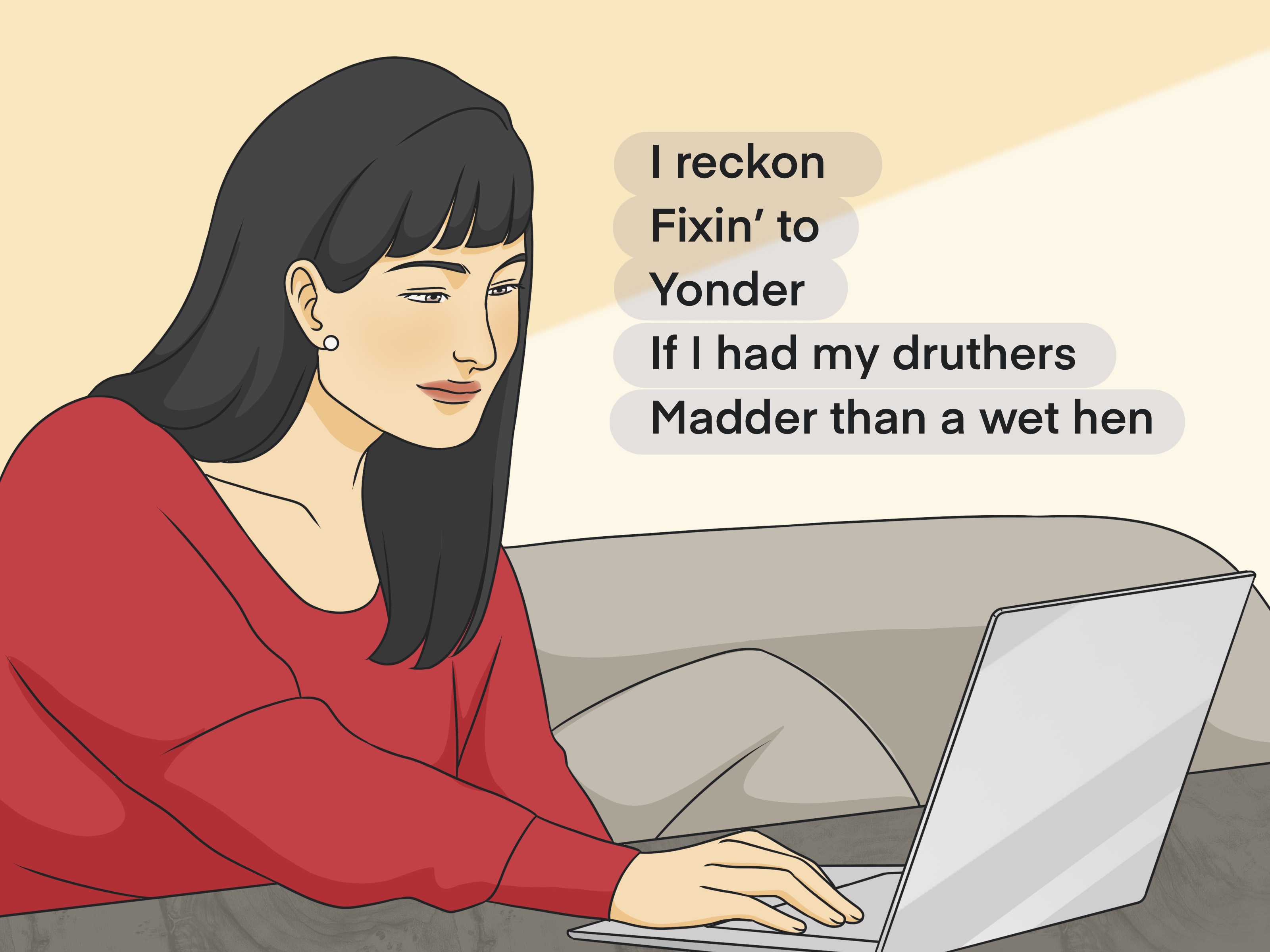
“Bless your heart” is one of the most famous Southern expressions in American English, and it is also one of the most misunderstood. On paper, it looks sweet enough to put on a church bulletin, a tea towel, or your aunt’s decorative kitchen sign. In real life, however, it can mean anything from “I’m so sorry you’re going through that” to “Well, that was the dumbest thing I’ve heard all week, but I was raised too well to say so directly.”
That is the magicand dangerof the phrase. What does bless your heart mean? The honest answer is: it depends on tone, context, relationship, region, and facial expression. A warm “Bless your heart” after someone loses a pet is compassion. A slow, smiling “Bless your heart” after someone explains that they microwaved aluminum foil because “it seemed faster” is probably not compassion. It is Southern diplomacy wearing pearls.
This guide explains the meaning of “bless your heart,” how people use it, when it is sincere, when it is sarcastic, and how to respond without accidentally starting a front-porch cold war.
What Does “Bless Your Heart” Mean?
At its simplest, “bless your heart” means an expression of sympathy, affection, pity, encouragement, or polite criticism. It is especially associated with the American South, though people across the United States recognize it today because of movies, memes, social media, and good old-fashioned family gossip.
The phrase comes from the ordinary meanings of “bless” and “heart.” To bless someone can mean to wish them care, protection, happiness, or divine favor. The “heart” represents the person’s feelings, spirit, or emotional center. So, literally, “bless your heart” sounds like a kind wish: “May your heart be comforted.”
But language is rarely that tidy. In Southern culture, where manners, indirectness, humor, and social grace often matter, the phrase developed layers. It can soften hard news, comfort someone, end an awkward conversation, or wrap a criticism in a polite little bow. Think of it as a verbal casserole: warm on top, complicated underneath.
The Main Meanings of “Bless Your Heart”
1. Genuine Sympathy
This is the sincere version. Someone is tired, grieving, overwhelmed, embarrassed, sick, or simply having one of those days when the universe seems personally committed to tripping them in the parking lot.
Example: “You were up all night with the baby and still had to work today? Bless your heart.”
In this context, the phrase means “I feel for you,” “I’m sorry,” or “That sounds really hard.” The speaker is not making fun of anyone. They are offering warmth, concern, and emotional support.
2. Affection or Appreciation
Sometimes “bless your heart” is a sweet thank-you. It can sound old-fashioned, but in the right mouth, it feels sincere and charming.
Example: “You brought soup when I was sick? Bless your heart, that was so kind.”
Here, the phrase shows gratitude. It is similar to saying, “You’re wonderful,” “That means a lot,” or “You didn’t have to do that, but I’m glad you did.”
3. Pity
This is where things start getting slippery. “Bless your heart” can express pity, which may be gentle or slightly condescending depending on delivery.
Example: “He wore cowboy boots to a beach wedding, bless his heart.”
That might mean the person tried his best but missed the mark. It is not always cruel, but it does place the speaker in a position of judgment. The phrase becomes a polite way to say, “Poor thing.”
4. Sarcasm or a Backhanded Insult
This is the meaning most people outside the South love to talk about. Yes, “bless your heart” can be an insult. It can mean “You are clueless,” “That was ridiculous,” “You really don’t understand, do you?” or “I am choosing manners over violence.”
Example: “You think sweet tea is just iced tea with sugar added later? Bless your heart.”
This version depends heavily on tone. If the speaker pauses before saying it, smiles too tightly, or adds a tiny head tilt, take cover. You may have just been verbally patted on the head.
5. A Polite Conversation Ender
Sometimes the phrase is used to close a topic without creating conflict. It can mean, “I have heard enough,” “There’s no point arguing,” or “Let’s move along before this gets ugly.”
Example: “Well, bless your heart. Anyway, how’s your mama?”
That “anyway” is doing heavy lifting. The speaker is shifting the conversation back to safer ground, such as family, weather, or whether the potato salad has enough mustard.
Is “Bless Your Heart” Always Rude?
No, “bless your heart” is not always rude. That is one of the biggest misunderstandings about the phrase. In fact, many Southerners use it sincerely more often than sarcastically. The internet has turned it into a meme for passive-aggressive politeness, but real-life usage is more balanced.
When someone says it with a soft voice, concerned eyes, and a caring tone, it is probably kind. When someone says it after you proudly describe a terrible idea, it may be less kind. When someone says it while smiling like a church lady who knows exactly what you did last summer, you are in advanced territory.
The phrase is best understood as context-sensitive Southern English. It does not carry one fixed meaning. It behaves more like “Really?” or “Interesting.” Depending on tone, those words can express curiosity, disbelief, judgment, boredom, or the beginning of an argument.
How to Tell If “Bless Your Heart” Is Sincere or Sarcastic
Listen to the Tone
Tone is the main clue. A gentle, warm tone usually signals sympathy. A slow, exaggerated, syrupy tone may signal sarcasm. If the phrase sounds like it has been dipped in honey and sharpened on a whetstone, proceed carefully.
Look at the Situation
If you have experienced something difficult, the phrase is likely sincere. If you have just said something foolish, bragged too much, misunderstood a basic custom, or made an avoidable mistake, the phrase may be teasing or critical.
Consider Your Relationship
A grandmother, aunt, close friend, or neighbor may use “bless your heart” warmly. A stranger using it after you make a social mistake may be giving you a polite warning. A rival using it in a meeting? That is not a blessing; that is a memo with lipstick on it.
Watch the Follow-Up
The words after the phrase often reveal the meaning.
- Sincere: “Bless your heart. Can I bring you dinner?”
- Affectionate: “Bless your heart, you remembered my birthday.”
- Teasing: “Bless your heart, you really thought that was homemade?”
- Cutting: “Bless her heart, she tries.”
Common Uses of “Bless Your Heart”
Use It to Comfort Someone
If someone is struggling, “bless your heart” can sound compassionate and personal.
Example: “You’ve been taking care of your dad and working full time? Bless your heart. That’s a lot to carry.”
Use It to Show Gratitude
It can also express appreciation, especially when someone does something thoughtful.
Example: “You saved me a seat? Bless your heart, I needed that today.”
Use It to Soften Criticism
This is risky unless you understand the culture and the person. It can sound humorous among friends but rude in professional or unfamiliar settings.
Example: “Bless your heart, you cannot call instant grits a family recipe.”
Use It Playfully
Among close friends, it can be affectionate teasing.
Example: “You wore white pants to a barbecue? Bless your brave little heart.”
Use It About Yourself
People also say “bless my heart” when they make a mistake, feel overwhelmed, or want to laugh at themselves.
Example: “I walked into the pantry and forgot why I was there. Bless my heart.”
This self-directed version is often humble, funny, and harmless. It says, “I am a human being held together by coffee, memory lapses, and hope.”
How to Respond to “Bless Your Heart”
If It Sounds Sincere
Respond with appreciation. Keep it simple and warm.
- “Thank you. That means a lot.”
- “I appreciate that.”
- “That’s kind of you to say.”
- “Thank you for understanding.”
If It Sounds Playful
Play along if the relationship allows it.
- “I know, I need all the blessings I can get.”
- “Fair enough. I walked right into that one.”
- “Please bless the rest of me while you’re at it.”
- “That was deserved.”
If It Sounds Sarcastic
You do not have to return the energy. A calm response often works best.
- “I’ll take that in the spirit it was intended.”
- “Thanks. I think.”
- “Sounds like there’s more behind that.”
- “I’m open to feedback if you want to be direct.”
If You Are Not Sure
When in doubt, smile and move on. Not every “bless your heart” needs a courtroom investigation.
- “Thank you.”
- “I appreciate it.”
- “Well, there we go.”
- “You may be right.”
Examples of “Bless Your Heart” in Real Conversations
Example 1: Genuine Concern
Person A: “My flight got canceled, my luggage is missing, and I have a meeting in two hours.”
Person B: “Oh, bless your heart. That is a rough morning.”
Example 2: Gentle Teasing
Person A: “I tried to make biscuits, but they came out like hockey pucks.”
Person B: “Bless your heart. At least the gravy was brave.”
Example 3: Polite Criticism
Person A: “I told everyone at the cookout that barbecue sauce is basically ketchup.”
Person B: “Bless your heart. You said that out loud?”
Example 4: Backhanded Compliment
Person A: “She sang the national anthem with confidence.”
Person B: “She sure did, bless her heart.”
Translation: Confidence was present. Musical accuracy may have left early.
Why the Phrase Is So Popular in Southern Culture
The American South has a rich tradition of expressive, indirect, and colorful language. Many Southern sayings combine humor, politeness, religion, family values, and social observation. “Bless your heart” fits perfectly into that tradition because it lets the speaker communicate emotion without always being blunt.
In a culture where direct insult may be considered rude, indirect phrasing can do the job with more style. That does not mean Southerners are always passive-aggressive. It means language often carries social choreography. The words matter, but so do timing, tone, hospitality, manners, and whether someone has just offered you a slice of pie.
“Bless your heart” also survives because it is flexible. It can comfort, tease, judge, praise, or dismiss. Few phrases can attend a funeral, a church potluck, a family reunion, a football tailgate, and a group chat without changing clothes.
Should You Use “Bless Your Heart” If You Are Not Southern?
You can, but use it carefully. If you are not familiar with Southern speech patterns, the phrase may sound forced or accidentally insulting. It is a little like borrowing someone’s grandmother’s cast-iron skillet: possible, but you better know what you are doing.
If you want to use it sincerely, make the context clear. Say it with warmth and follow it with supportive words.
Better: “Bless your heart. I’m so sorry you had to deal with that.”
Riskier: “Bless your heart.”
The shorter version can sound ambiguous. Adding a sentence of care removes confusion.
In professional settings, avoid using “bless your heart” as criticism. It can sound condescending, especially in email or chat where tone is missing. Instead of saying, “Bless your heart, this report needs work,” try “Thanks for the draft. I added comments to help strengthen the final version.” Same message, fewer emotional potholes.
Similar Southern Expressions
“Bless your heart” belongs to a family of Southern expressions that sound gentle but may carry several meanings. Here are a few related phrases:
- “God love ’em” – Often affectionate, sometimes pitying.
- “Aren’t you precious?” – Can be sweet or deeply dangerous.
- “That’s nice” – May mean approval, boredom, or “please stop talking.”
- “Well, I declare” – Surprise, amusement, or mild disbelief.
- “Don’t be ugly” – A warning to behave kindly, not a comment on appearance.
These phrases remind us that language is not just vocabulary. It is culture, rhythm, relationship, and sometimes a tiny social weather system.
of Experience: Learning the Phrase in Real Life
The first time many people hear “bless your heart,” they take it literally. That is understandable. It sounds gentle, almost ceremonial, like something someone would say while handing you a warm biscuit or helping you through a hard day. And often, that is exactly what it means. But the phrase becomes fascinating when you experience its many shades in real conversation.
Imagine visiting a small Southern town for the first time. You stop at a diner, order unsweet tea, and ask for sugar packets because you plan to sweeten it yourself. The server pauses, looks at you with the tenderness usually reserved for lost puppies, and says, “Bless your heart.” In that moment, you have not been attacked. You have been educated. The lesson is simple: sweet tea is not merely tea plus sugar; it is a cultural institution, and you have arrived late to class.
Another experience might happen at a family gathering. Someone drops a plate, laughs at themselves, and says, “Bless my heart, I can’t take me anywhere.” Everyone laughs because the phrase softens embarrassment. It turns a small mistake into a shared human moment. No one needs to feel ashamed. The words create a cushion.
Then there is the more dangerous version. A person brags loudly about being the best cook in the county, only to bring a dry casserole that tastes like cardboard made a wish. Someone at the table smiles and says, “Well, she worked hard on it, bless her heart.” That is not exactly praise. It is mercy with eyebrows. The speaker is acknowledging effort while quietly escorting quality out the back door.
In daily life, “bless your heart” often works because it gives people room. It lets someone show sympathy without sounding dramatic. It lets friends tease each other without being cruel. It lets a community correct behavior without throwing a brick through the window of politeness. Of course, it can also be misused. When said with contempt, it becomes a velvet-covered insult. The velvet does not make the insult disappear; it just makes it harder to prove in court.
The best way to understand the phrase is to watch how people respond to it. If the room softens, it was probably kind. If people laugh, it was probably playful. If everyone suddenly gets very interested in their iced tea, something sharp just happened. Context is the compass.
Over time, the phrase teaches a bigger lesson about American English: meaning does not live only in definitions. It lives in eyebrows, pauses, shared history, regional habits, and the emotional temperature of the room. “Bless your heart” is not just a saying. It is a social instrument. Played gently, it comforts. Played with a smirk, it stings. Played by an expert, it can do both before you realize your napkin is still in your lap.
Conclusion
So, what does bless your heart mean? It can mean sympathy, affection, gratitude, pity, teasing, or polite criticism. The phrase is famous because it refuses to stay in one lane. It is warm enough for comfort, sharp enough for sarcasm, and flexible enough to survive generations of Southern conversation.
If someone says it to you kindly, accept it with thanks. If someone says it playfully, laugh and enjoy the moment. If someone says it with a smile that feels a little too polished, keep your manners, protect your peace, and remember: sometimes the sweetest words carry the most seasoning.
Note: This article is written for web publication in standard American English and synthesizes real dictionary meanings, American regional usage, Southern culture commentary, and common conversational examples without source links or unnecessary reference markers.