One minute you are microwaving leftovers, charging your phone, streaming a show, and pretending you will fold the laundry. The next minuteclick. Darkness. Silence. The Wi-Fi vanishes like a magician with commitment issues. A power outage can feel sudden, but behind that blank TV screen is usually a very real cause: weather, equipment trouble, animals, accidents, or a stressed electrical grid trying to keep up with modern life.
Power outages happen when the normal flow of electricity from power plants, substations, transmission lines, or local distribution equipment is interrupted. Sometimes the problem is small and local, such as a squirrel getting into a transformer. Other times it affects thousands or millions of customers, especially during hurricanes, ice storms, heat waves, wildfires, or major grid disturbances.
This guide explains the most common causes of power outages, why they happen, what homeowners can do to reduce risks, and how to stay safe when the lights go out. No panic requiredjust a flashlight, a little preparation, and maybe fewer candles shaped like pineapples.
What Is a Power Outage?
A power outage is a temporary loss of electrical service. It may affect a single house, one neighborhood, an entire city, or a large region. The outage can last seconds, minutes, hours, orin major disastersseveral days. Utilities generally classify outages by the part of the system affected and the cause, such as weather damage, equipment failure, vegetation contact, animal interference, vehicle accidents, planned maintenance, or supply shortages.
Most homeowners only see the final result: the lights are off. But the electric system is a giant chain. Electricity may travel from a generating station through high-voltage transmission lines, step down through substations, move along local distribution lines, and finally reach your service panel. If one key link fails, your refrigerator suddenly becomes a race against time.
What Causes Power Outages? 8 Possibilities
1. Severe Weather: Wind, Thunderstorms, Tornadoes, and Hurricanes
Severe weather is one of the biggest causes of power outages in the United States. High winds can knock trees into power lines, snap utility poles, damage transformers, and send debris flying into electrical equipment. Thunderstorms can produce straight-line winds strong enough to topple trees and tear down lines. Tornadoes and hurricanes can cause even wider damage, especially when they hit transmission corridors, substations, and coastal infrastructure.
Lightning is another dramatic troublemaker. A lightning strike can damage transformers, trip protective equipment, burn wires, and cause power surges. Sometimes the outage is immediate. Other times protective devices shut down a circuit to prevent a larger fire or equipment failure. In plain English: the grid would rather take a quick nap than explode.
Homeowners cannot stop thunderstorms, but they can prepare. Trim risky branches, install surge protection, keep battery-powered lights handy, and charge phones before storms arrive. If you rely on medical equipment, talk to your utility and doctor about backup power options before storm season.
2. Ice, Snow, and Extreme Cold
Winter weather is especially hard on overhead power lines. Ice can build up on wires and tree limbs, adding enormous weight. A line that normally hangs safely can sag, break, or touch nearby branches. Ice-coated tree limbs can snap and fall onto wires. Snow can block access roads, slowing repair crews. Extreme cold can also affect power plants, fuel supplies, and mechanical equipment that was not properly winterized.
Cold-weather outages are particularly dangerous because homes can lose heat quickly. Pipes may freeze, indoor temperatures can become unsafe, and people may be tempted to use grills, camp stoves, or generators indoors. That is a life-threatening mistake. Fuel-burning devices produce carbon monoxide, an invisible gas that can kill without warning. Generators belong outside, far from doors, windows, vents, garages, and enclosed spaces.
Before winter, homeowners should insulate exposed pipes, know how to shut off water, stock blankets, keep flashlights ready, and have a safe heat plan. A power outage is annoying in July. In January, it can become an emergency.
3. Trees and Overgrown Vegetation
Trees are beautiful, useful, shade-giving, bird-hosting wonders. They are also one of the grid’s most persistent enemies when planted too close to power lines. Branches can rub against wires, fall during storms, or grow into electrical clearance zones. In major events, vegetation contact can damage distribution lines and transmission equipment, causing outages that spread beyond one street.
Utilities spend a lot of time and money on vegetation management because tree-related outages are common and preventable. This work may include trimming branches, removing hazardous trees, and maintaining clear space around lines. Homeowners can help by planting the right tree in the right place. Small ornamental trees may be suitable near distribution lines, while tall-growing trees should be planted far away from overhead wires.
Never prune trees near power lines yourself. Even a “tiny branch” can be dangerous if it touches energized equipment. Call your utility or a qualified tree professional. Saving a few dollars is not worth turning your ladder into a lightning rod with shoes.
4. Flooding and Water Damage
Water and electricity have a famously bad relationship. Flooding can damage underground cables, substations, transformers, meters, and service panels. Coastal storm surge can push salt water into equipment, accelerating corrosion and creating unsafe conditions. Heavy rain can wash out poles, erode soil around underground infrastructure, or flood basements where electrical panels are located.
After a flood, power may stay off even after the storm passes because utilities and inspectors need to confirm that equipment is safe to energize. Turning electricity back on too soon can cause fires, shocks, or equipment explosions. If floodwater reached outlets, wiring, appliances, or your electrical panel, do not simply flip the breaker and hope for the best. Have the system inspected by a qualified electrician.
Homeowners in flood-prone areas should elevate critical equipment when possible, install sump pump backup power, keep important documents in waterproof storage, and understand whether their home’s electrical system is vulnerable to water intrusion.
5. Equipment Failure and Aging Infrastructure
Sometimes the cause of a power outage is not dramatic weather or a heroic squirrel mission. It is simply equipment wearing out. Transformers, breakers, switches, insulators, underground cables, and substations all age. Heat, corrosion, vibration, heavy loads, and decades of use can weaken components. When equipment fails, protective devices may shut down part of the system to prevent more serious damage.
Utilities constantly inspect, repair, and replace grid components, but the electric system is enormous. In many communities, older infrastructure must serve far more devices than it was originally built for: air conditioners, computers, EV chargers, smart appliances, security systems, and the mysterious second refrigerator in the garage that contains three sodas and ambition.
For homeowners, the lesson is simple: maintain your own electrical system too. Flickering lights, buzzing outlets, warm breaker panels, frequent tripped breakers, or burning smells should never be ignored. Those may be signs of overloaded circuits, loose connections, or faulty wiring. A local outage is one thing; an electrical fire is quite another.
6. Animals Getting Into Electrical Equipment
Animals cause more outages than many people realize. Squirrels, birds, raccoons, snakes, and other creatures can climb into substations, transformers, and overhead equipment. If an animal bridges two energized parts, it can cause a short circuit. The result may be a blown fuse, tripped breaker, damaged transformer, or neighborhood outage.
Animal-related outages are often small and short-lived, but they can still affect thousands of customers if the animal reaches the wrong piece of equipment. Utilities use guards, covers, fencing, and other wildlife protection measures to reduce these incidents. Still, nature has a way of finding openings. Squirrels, in particular, appear to have a suspiciously advanced understanding of infrastructure.
Homeowners can reduce animal-related electrical hazards by keeping trees trimmed away from service lines, securing trash, sealing openings around exterior electrical equipment, and calling professionals if animals nest near utility equipment. Do not touch a transformer, meter, or downed line because an animal incident may leave equipment damaged or energized.
7. Vehicle Accidents and Construction Damage
A car hitting a utility pole can knock out power to a block, a neighborhood, or a larger area, depending on the equipment attached to the pole. Crashes can break poles, drop wires, damage transformers, and create dangerous road conditions. Even if the lights only flicker, the utility may need to cut power while crews repair the damage safely.
Construction work can also cause outages. Excavators, fence installers, landscapers, and homeowners digging without checking utility locations can hit underground electrical cables. Contact with underground utilities can be dangerous, expensive, and highly inconvenient. Before digging, call 811 so underground lines can be marked. This applies whether you are installing a mailbox, planting trees, building a fence, or beginning a backyard project that started as “just a quick Saturday thing” and somehow became a trench.
During an outage caused by an accident, stay away from downed wires and damaged poles. A power line does not have to spark, smoke, or dance dramatically to be deadly. Always assume it is energized.
8. High Demand, Heat Waves, and Grid Stress
During extreme heat, electricity demand can surge as millions of air conditioners run at the same time. If demand approaches or exceeds available supply, grid operators may ask customers to conserve energy. In rare cases, controlled outages or rolling blackouts may be used to protect the larger grid from uncontrolled failure.
High demand is not only a summer issue. During extreme cold, electric heating loads can rise sharply while power plants and fuel systems face freezing-related problems. The grid must balance supply and demand every second. When that balance becomes difficult, operators use emergency tools such as demand response, voltage reductions, reserve generation, public conservation requests, and, as a last resort, temporary service interruptions.
Homeowners can help during grid alerts by raising the thermostat a few degrees in summer, delaying laundry or dishwasher use, turning off unnecessary lights, and charging devices before peak periods. These actions may seem small, but multiplied across thousands of homes, they can reduce strain on the system.
Other Less Common Causes of Power Outages
Beyond the eight major possibilities, outages can also come from wildfires, planned maintenance, vandalism, cyberattacks, operational mistakes, transformer explosions, power surges, and problems at generating plants. Some outages are intentional for safety. For example, utilities in wildfire-prone regions may shut off power during extreme wind and dry conditions to reduce the chance of electrical equipment igniting a fire.
Planned outages are usually announced in advance and allow utilities to repair or upgrade equipment safely. They may be inconvenient, but they are far better than surprise failures. Think of them as the grid’s version of going to the dentist: not exactly fun, but useful if you enjoy long-term stability.
What to Do When the Power Goes Out
Check Whether It Is Just Your Home
First, see whether nearby homes and streetlights are also dark. If only your house is affected, check your breaker panel. A tripped main breaker, overloaded circuit, or problem with your service equipment may be the cause. If you smell burning, hear buzzing, or see sparks, stay away from the panel and call an electrician or emergency services.
Report the Outage
Report the outage to your utility through its app, website, phone line, or text system. Do not assume someone else has already done it. Utilities use outage reports and smart meter data to locate problems more quickly.
Protect Food and Appliances
Keep refrigerator and freezer doors closed. A refrigerator can typically keep food cold for about four hours if unopened, while a full freezer can usually hold safe temperatures much longer if the door stays shut. Unplug sensitive electronics to protect them from surges when power returns. Leave one light switched on so you know when service is restored.
Use Generators Safely
Portable generators should be used only outdoors, away from windows, doors, vents, and attached garages. Never run a generator inside a home, basement, shed, or garage. Use properly rated outdoor extension cords, keep the generator dry, and let it cool before refueling. For whole-home backup systems, use a professionally installed transfer switch to prevent dangerous backfeeding into utility lines.
How to Prepare Before the Next Outage
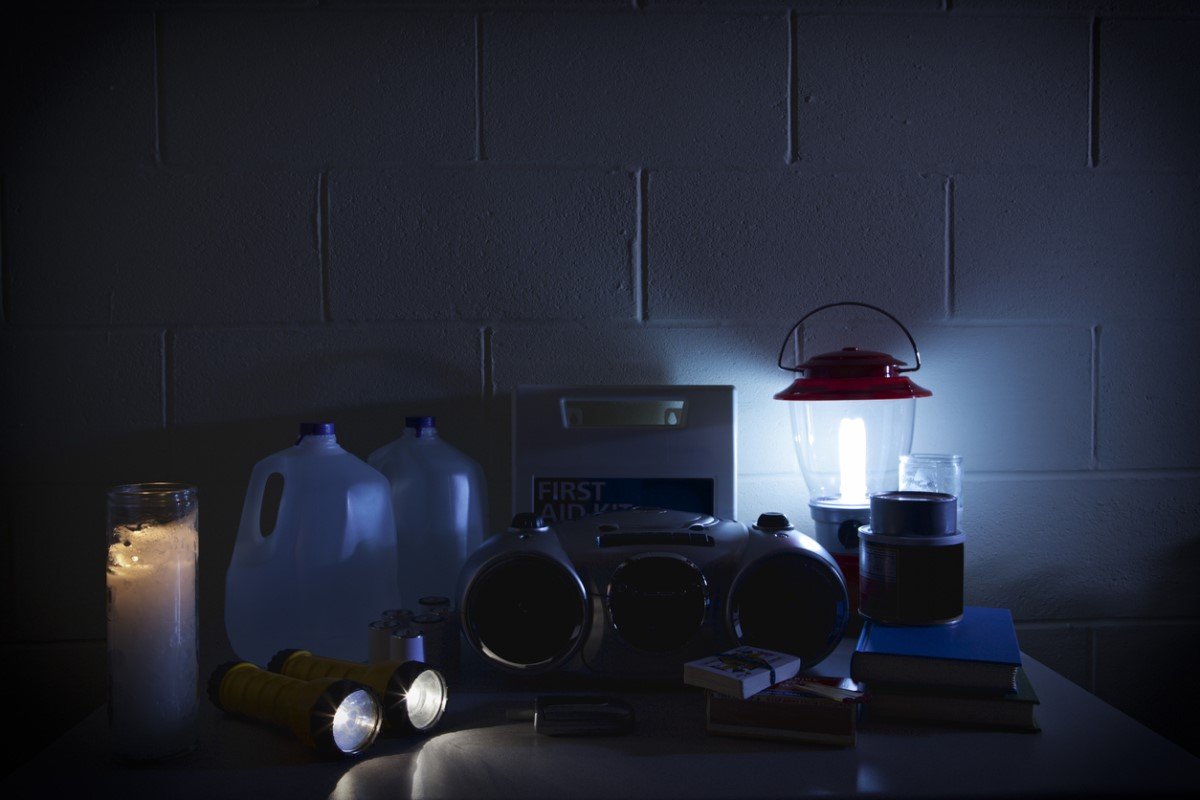
A little preparation makes a power outage far less stressful. Build a basic kit with flashlights, batteries, a battery-powered radio, power banks, bottled water, nonperishable food, a manual can opener, essential medications, pet supplies, and first-aid items. Keep your vehicle fueled or charged when severe weather is forecast. Download important phone numbers and outage maps before you need them.
For longer outages, consider backup options such as portable power stations, battery backup for medical devices, solar chargers, or a properly installed generator. Homeowners in storm-prone areas may also benefit from surge protection, sump pump backup, tree maintenance, and a family communication plan.
Real-Life Experiences: What Power Outages Teach Homeowners
Power outages have a way of turning ordinary houses into tiny survival classrooms. The first lesson usually arrives within five minutes: everyone suddenly remembers how many things need electricity. The garage door will not open. The Wi-Fi is gone. The electric stove becomes decorative. The phone battery drops from 61 percent to “I should have respected you more.”
One common homeowner experience is the storm outage. The wind starts howling, tree limbs scrape the siding, and the lights flicker like the house is trying to send Morse code. Then everything goes black. In that moment, preparation matters. Families that know where the flashlights are can move calmly. Families that do not may spend twenty minutes opening kitchen drawers and accusing each other of “moving the batteries,” which is apparently a universal emergency ritual.
Another familiar situation is the summer blackout during a heat wave. The air conditioner stops, indoor temperatures climb, and suddenly the refrigerator becomes the most important appliance in the house. People learn quickly not to open the fridge every ten minutes “just to check.” Cold air is not a museum exhibit. Keeping doors closed can buy valuable time and prevent food waste. A cooler with ice, a thermometer, and a simple food plan can make the difference between saving groceries and holding a sad memorial service for the chicken breasts.
Winter outages teach different lessons. Heat becomes the priority. Homeowners who have blankets, safe backup heat, charged phones, and insulated pipes feel much more in control. Those who do not may find themselves layering socks, hats, and every hoodie they own while watching their breath indoors. The biggest safety lesson is also the most serious: never use outdoor cooking or heating equipment inside. Carbon monoxide is invisible, odorless, and deadly. No amount of cold weather makes indoor generator use safe.
Some outages are oddly small but memorable. A transformer pops down the street, a car hits a pole, or an animal gets into equipment. The power may return quickly, but the event still reveals weak spots. Maybe there is no working flashlight near the bedroom. Maybe the backup battery is dead. Maybe the only manual can opener disappeared during a kitchen “decluttering” project. These little outages are useful practice runs.
Homeowners also learn that communication matters. When power fails, local utility alerts, emergency notifications, and neighborhood updates become extremely helpful. A charged phone and a backup power bank can reduce anxiety. So can knowing how to report an outage and where to find restoration estimates. During large events, restoration can take time because crews must prioritize hazards, hospitals, main circuits, and repairs that bring back the most customers safely.
The best experience-based advice is simple: prepare before the sky turns green, the wind gets weird, or the heat index makes your porch feel like soup. Keep supplies in predictable places. Test flashlights. Maintain generators. Trim risky trees. Save emergency numbers. Teach everyone in the home what to do. Power outages may be unpredictable, but your response does not have to be.
Conclusion
Power outages can be caused by storms, lightning, ice, flooding, trees, animals, accidents, old equipment, construction damage, or high demand on the electrical grid. Some outages are brief and local; others are widespread and serious. The good news is that homeowners can reduce risk and improve safety with smart preparation.
Keep trees maintained, protect electronics, prepare an emergency kit, use generators safely, and follow official guidance during severe weather or grid emergencies. Electricity is easy to take for granted until it disappears. A little planning keeps a blackout from becoming a full household dramaalthough someone will still ask if the Wi-Fi is working. They always do.