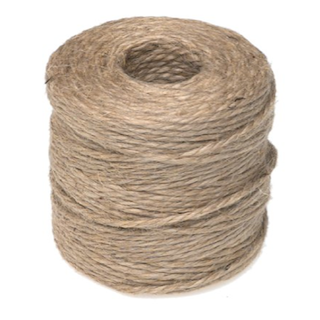
Wellington Cordage Jute Twine is one of those humble household items that looks almost too simple to deserve attentionuntil you need it. Then, suddenly, this modest ball or roll of natural fiber becomes the hero of the garden, the craft table, the gift-wrapping station, and the “why is this tomato plant lying sideways?” emergency. It is not glamorous. It does not beep, glow, connect to Wi-Fi, or require a firmware update. That is precisely its charm.
At its core, Wellington Cordage Jute Twine is a natural-fiber twine designed for everyday tying, bundling, wrapping, gardening, decorating, and light household use. Depending on the specific model or package, shoppers may see versions such as natural 4-ply household jute twine, green 3-ply garden jute twine, or jute twine in a dispenser with a built-in cutter. The common threadpun absolutely intendedis that the product is practical, affordable, easy to handle, and made for jobs where a soft, biodegradable, plant-friendly tie is better than plastic, wire, or synthetic cord.
What Is Wellington Cordage Jute Twine?
Wellington Cordage Jute Twine is a twisted natural fiber string commonly used for gardening, crafts, package wrapping, and light household organization. Jute itself is a plant-based bast fiber, meaning it comes from the stem area of the jute plant. The fiber is known for its earthy color, slightly rough texture, and traditional use in rope, burlap, sacks, twine, and rustic decorative materials.
The Wellington Cordage name has long been associated with rope and twine products sold through hardware stores, farm supply shops, home centers, online marketplaces, and general retailers. Product listings commonly describe Wellington jute twine as biodegradable, gentle on plants, easy to tie, and suitable for general-purpose use. That combination explains why it still shows up in garden sheds and junk drawers even in a world overflowing with plastic zip ties.
Key Features of Wellington Cordage Jute Twine
Natural Jute Fiber
The main appeal of jute twine is its natural fiber construction. Unlike nylon or polypropylene twine, jute has an organic look and feel. It blends beautifully into garden beds, rustic packaging, farmhouse décor, handmade crafts, and eco-conscious projects. If plastic twine is the neon tracksuit of the tying world, jute is the linen shirt: simple, textured, and much easier on the eyes.
Biodegradable Material
Jute is widely valued because it can break down more naturally than synthetic twine. For gardeners, that matters. A short piece of jute used to tie tomatoes, beans, flowers, or vines can be removed at the end of the season and composted when it is clean and untreated. This does not mean every dyed or treated twine should be tossed into compost without checking the label, but natural jute is generally a better choice than plastic for many temporary outdoor ties.
Gentle on Plant Stems
One of the biggest mistakes gardeners make is tying plants with materials that are too sharp, too narrow, or too rigid. Wire, fishing line, and tight plastic ties can cut into soft stems as plants grow. Jute twine has a softer grip and a little natural give, making it useful for supporting climbing plants, securing stems to stakes, bundling herbs, or guiding vines up a trellis.
Multiple Ply Options
Wellington Cordage jute twine is available in different forms. A natural 4-ply version is often associated with heavier household use and may be listed around 147 feet with a light working load rating. A green 3-ply garden version is commonly listed around 208 feet and designed for general garden and package-wrapping tasks. Some dispenser-style versions provide shorter lengths but add convenience with a reusable case and cutter.
Easy to Tie and Cut
Good twine should not require a wrestling match. Wellington jute twine ties easily, holds a knot well, and can be cut with household scissors, garden snips, or the built-in blade on dispenser packaging. It is not as slippery as some synthetic strings, which makes it easier to knot securely without needing a sailor’s certification.
Common Uses for Wellington Cordage Jute Twine
Gardening and Plant Support
This is where Wellington Cordage Jute Twine shines. It can be used to tie tomato stems to cages, secure pea vines to supports, guide cucumbers along a trellis, bundle harvested herbs, or train young flowers before they flop over like dramatic actors in a rainstorm. For seasonal plants, jute is especially practical because it lasts long enough for many garden tasks but does not leave behind plastic waste when used responsibly.
For best results, tie plant stems loosely. A good rule is to leave enough room for growth and airflow. The tie should support the plant, not interrogate it. Use a figure-eight loop when attaching stems to stakes: one loop around the stake, one loop around the stem, and a gentle crossing between them. This reduces rubbing and gives the plant room to move in the wind.
Gift Wrapping and Packaging
Jute twine is a favorite for rustic gift wrapping. A plain kraft-paper package wrapped with Wellington Cordage Jute Twine looks intentional, stylish, and slightly more thoughtful than a gift bag grabbed from the closet five minutes before leaving the house. Add a sprig of rosemary, dried orange, pine, lavender, or a small gift tag, and the package suddenly says, “I have my life together,” even if your car keys are currently in the refrigerator.
It also works well for bundling small boxes, tying bakery bags, securing party favors, labeling jars, or wrapping handmade products for craft fairs. Because jute has a natural texture, it photographs well for online shops and social media product displays.
Crafts and DIY Décor
Wellington jute twine fits naturally into DIY projects. Use it for handmade garlands, photo displays, rustic ornaments, mason jar decorations, wreath accents, bottle wrapping, scrapbook details, or homemade labels. It pairs especially well with wood, clay, glass, burlap, cotton, kraft paper, dried flowers, and neutral-colored fabrics.
For a quick craft, wrap jute twine around a clean jar, secure it with a small dab of hot glue, and add a simple tag. In ten minutes, you have a pencil holder, flower vase, candle sleeve, or kitchen utensil cup. The jar has gone from “leftover salsa evidence” to “farmhouse chic.” That is personal growth.
Household Organization
Jute twine can help organize lightweight items around the home. It is useful for tying extension cords before storage, bundling kindling, labeling pantry jars, securing rolled fabric, grouping small tools, hanging tags, or creating temporary markers. In the garage or workshop, it works well for jobs where appearance matters less than simplicity but where plastic ties feel wasteful.
Floral Arrangements
Florists and home decorators often use jute twine because it has a soft, natural appearance. It can bind bouquets, secure stems, wrap vase necks, tie dried flower bundles, and finish arrangements for weddings or seasonal displays. The earthy texture works beautifully with wildflowers, eucalyptus, wheat, lavender, baby’s breath, sunflowers, and dried grasses.
Wellington Cordage Jute Twine vs. Synthetic Twine
The biggest difference between jute twine and synthetic twine is material behavior. Synthetic twine, such as nylon or polypropylene, is usually stronger, more resistant to moisture, and better for tasks that require long-term durability. Jute, however, wins in appearance, biodegradability, plant-friendliness, and rustic charm.
If you are tying up a climbing rose for one season, bundling herbs, wrapping a gift, or decorating mason jars, jute is usually the better fit. If you are securing a heavy load, tying down equipment, hanging anything overhead, or working on a task involving safety, jute twine is not the correct tool. Wellington jute twine is designed for light-duty use, not climbing, lifting, towing, or supporting human weight. It may be hardworking, but it is not auditioning for a superhero movie.
Important Safety and Use Limits
Because jute is a natural fiber, it can weaken with moisture, sunlight, soil contact, abrasion, and age. That is part of what makes it useful in gardens and compost-friendly applications, but it also means users should respect its limits. Many product descriptions for jute twine clearly warn that it is not recommended for personal safety applications. That includes climbing, load suspension, pet restraint, playground equipment, towing, or any situation where failure could cause injury or property damage.
Use Wellington Cordage Jute Twine for tying, wrapping, bundling, labeling, crafting, and temporary plant support. Do not use it as a rope substitute for heavy-duty work. For load-bearing applications, choose a properly rated rope, chain, strap, or cord designed for that exact purpose.
How to Choose the Right Wellington Jute Twine
Choose Natural 4-Ply for Rustic Household Projects
The natural 4-ply version is a strong choice for package wrapping, crafts, labeling, and general household tying. Its natural tan color gives projects a classic handmade look. It is especially useful when you want the twine to be visible as part of the design.
Choose Green 3-Ply for Garden Blending
Green jute twine is popular in gardens because it blends with stems and foliage. It is useful for tying plants without creating a highly visible grid of tan strings across the garden. If your tomato bed already looks like a botanical obstacle course, green twine can keep things looking calmer.
Choose a Dispenser for Convenience
A dispenser-style roll is useful for gardeners who are constantly cutting short pieces. Instead of hunting for scissors every three minutes, the built-in cutter makes the process faster. This is especially helpful during planting season, when your hands are muddy, your plants are impatient, and your scissors have mysteriously joined the witness protection program.
Best Practices for Gardening With Jute Twine
When using Wellington Cordage Jute Twine in the garden, avoid tying too tightly. Plants grow, sway, thicken, and shift. A tight knot around a young stem can become a problem later. Use loose loops and check ties every few weeks, especially on fast-growing plants like tomatoes, beans, cucumbers, dahlias, and sunflowers.
For vertical growing, run twine from a top support down to the base of the plant, then gently twist the plant around the twine as it grows. This method works well for indeterminate tomatoes and certain climbing plants, but the twine should be anchored securely and replaced if it becomes frayed or weakened by weather.
For herb bundles, cut a short piece of jute, wrap it around the stems several times, and knot it firmly. Hang the bundle in a dry, airy place. Jute’s natural texture gives dried herbs a charming, old-world look, which is a polite way of saying your kitchen will appear more organized than it actually is.
Creative Project Ideas
Rustic Jar Labels
Wrap jute twine around pantry jars and attach small kraft-paper labels. This works for flour, rice, beans, spices, coffee, tea, or homemade mixes. It is inexpensive and visually warm.
Seed Packet Bundles
Bundle seed packets by season or plant type. Tie spring vegetables together, summer flowers together, and herbs together. This makes planning easier and prevents seed packets from disappearing into the mysterious drawer where rubber bands go to retire.
Wedding and Party Décor
Use jute twine for place cards, favor bags, napkin wraps, menu cards, or small floral arrangements. It works especially well for outdoor, barn, garden, woodland, farmhouse, and minimalist events.
Holiday Ornaments
Jute twine can become ornament hangers, garland string, wreath accents, or wrapping for handmade decorations. Pair it with dried citrus, cinnamon sticks, pinecones, wood beads, or small bells for a cozy seasonal look.
Care and Storage Tips
Store Wellington Cordage Jute Twine in a dry place away from standing water and direct long-term sunlight. Moisture can encourage mildew, odor, and fiber weakening. If you use twine in the garden, keep the roll in a shed, tool box, jar, basket, or dispenser between uses. A dry roll lasts longer and is much more pleasant to handle than a damp one that smells like a basement auditioning for a swamp documentary.
If the twine becomes dusty, shake it gently before use. If it gets wet, let it dry fully before storing. Avoid placing natural jute directly against delicate fabrics unless you are sure it will not shed fibers or transfer color. Like many rustic materials, jute has texture, and texture occasionally likes to leave souvenirs.
Buying Considerations
When shopping for Wellington Cordage Jute Twine, check the package details carefully. Look for length, ply count, color, working load limit, and intended use. Product titles and retailer descriptions may vary slightly, especially when the same UPC appears across local hardware stores, online marketplaces, and independent retailers. The most important details are the material, length, thickness, and whether it is intended for gardening, household tying, or decorative use.
For most homes, one ball or roll of jute twine is enough for many small projects. Serious gardeners may want multiple rolls: one near the potting bench, one in the garage, and one in the kitchen drawer that has somehow become the command center for batteries, tape, birthday candles, and mystery keys.
Real-World Experience With Wellington Cordage Jute Twine
In real everyday use, Wellington Cordage Jute Twine feels like the kind of product that earns its keep quietly. It does not look impressive sitting on a shelf, but once you start using it, the roll seems to migrate around the house because every room suddenly has a job for it. In the garden, it is especially satisfying for quick plant support. A tomato stem leaning into the walkway can be gently pulled back to a cage. A young bean vine can be guided toward a trellis. A floppy sunflower can be tied to a stake before the next windy afternoon turns it into garden drama.
The texture is a big part of the experience. Jute has grip. It does not slide around the way some plastic strings do, and knots stay put without needing to be tied with excessive force. This makes it friendly for quick work, especially when wearing gloves. The downside is that jute can shed tiny fibers, and it can feel rough if you are handling it for a long crafting session. That is not a deal-breaker; it is simply the personality of natural fiber. Jute is not trying to be satin ribbon. It has dirt-under-the-fingernails energy.
For gift wrapping, the twine adds instant charm. A plain cardboard box or kraft-paper package looks warmer with two or three loops of jute tied in a simple bow. It is especially effective for homemade gifts: jam jars, candles, soap bars, cookies, seed packets, spice blends, or small potted plants. The result feels handmade without looking messy. It is the design equivalent of saying, “Yes, I planned this,” even when you wrapped the gift ten minutes before the party.
In craft projects, Wellington jute twine is easy to cut and glue. It wraps well around glass jars, cardboard shapes, wooden tags, wreath frames, and small baskets. Hot glue holds it quickly, though it helps to work in short sections so the twine stays tight and even. For clean-looking projects, pull gently as you wrap and keep the rows close together. For a more relaxed farmhouse look, let the spacing be slightly imperfect. Jute forgives imperfection better than shiny ribbon does; ribbon notices everything and judges silently.
The most important lesson from using jute twine is to match the twine to the job. It is excellent for temporary support, rustic decoration, bundling lightweight items, and eco-minded household tasks. It is not ideal for wet, heavy, permanent, or safety-critical uses. If left outside all season, it will weather. If pulled too hard, it can snap. If used on a fast-growing stem and forgotten, it may become too tight. The best experience comes from treating it as a flexible seasonal helper rather than a permanent structural material.
Overall, Wellington Cordage Jute Twine is the kind of small, inexpensive tool that rewards practical people. Gardeners appreciate it because it is gentle and natural. Crafters like it because it looks good without trying too hard. Home organizers like it because it solves little problems quickly. It belongs in the same category as masking tape, scissors, rubber bands, and a good permanent marker: ordinary, useful, and somehow always missing when you need it most.
Conclusion
Wellington Cordage Jute Twine is a simple product with a surprisingly wide range of uses. It is natural, biodegradable, easy to tie, gentle on plants, and attractive enough for crafts, gifts, floral work, and rustic décor. Its best role is light-duty support and everyday tyingnot heavy lifting, safety work, or permanent outdoor load-bearing tasks. For gardeners, makers, decorators, and practical households, it remains a dependable roll of “I can fix that” energy.
Whether you choose natural 4-ply jute twine for crafts and packaging, green garden twine for plant support, or a dispenser version for quick cutting, Wellington Cordage Jute Twine proves that small tools can make daily projects easier. It may not be fancy, but it is useful, affordable, and wonderfully low-tech. Sometimes the best tool is not the smartest one in the room. Sometimes it is just a ball of string that knows exactly what it is doing.
Note: This article is written for web publication and synthesizes real product characteristics, garden-use practices, and natural-fiber twine knowledge without inserting source links or citation artifacts into the publishable HTML.