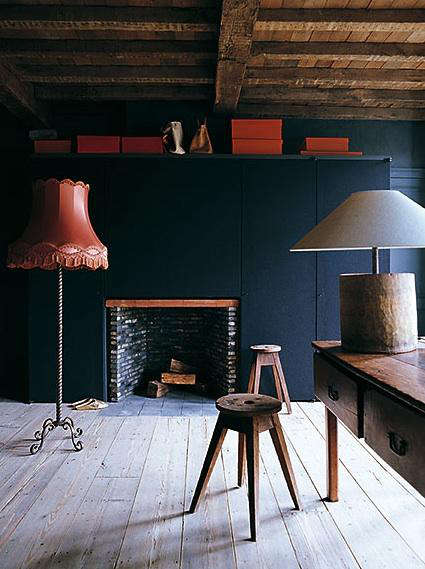
Victorian lampshades are the home decor equivalent of entering a room with a velvet cape, a dramatic pause, and possibly a small chandelier following behind. They are romantic, theatrical, deeply textured, and wonderfully unafraid of being noticed. In a world where many interiors have spent years worshipping beige boxes and quiet corners, Victorian lampshades arrive with fringe, beads, silk, pleats, color, and the confidence of someone who absolutely packed too many trunks for a weekend trip.
But these lampshades are not just pretty antiques or “grandma-core” curiosities. They are design tools. A Victorian lampshade can soften harsh light, add architectural shape to a room, introduce pattern without wallpapering an entire wall, and make even a plain table feel intentional. Whether made from silk, velvet, brocade, lace, stained glass, or layered trim, Victorian-style lampshades bring warmth and personality into modern homes in a way that feels both nostalgic and surprisingly current.
The best part? You do not need to live in a historic mansion, own a fainting couch, or address your guests as “my dear” to use one well. Victorian lampshades work beautifully in apartments, cottages, townhomes, bedrooms, dining rooms, reading nooks, boutique-style bathrooms, and even modern living rooms that need one bold conversation piece. The trick is knowing how to balance their drama with the rest of your decor.
What Makes a Lampshade “Victorian”?
The Victorian era is most closely associated with Queen Victoria’s reign from 1837 to 1901, a period known for industrial progress, expanding middle-class domestic life, and a major appetite for decorative detail. In home interiors, that translated into layered fabrics, carved furniture, patterned wallpapers, ornate metalwork, botanical motifs, and lighting that did more than simply illuminate. Lighting became part of the room’s emotional atmosphere.
A Victorian lampshade is usually defined by several recognizable features: sculptural shape, rich fabric, decorative trim, and a soft, filtered glow. Unlike a plain drum shade or simple cone shade, a Victorian lampshade often has panels, scalloped edges, bell shapes, pagoda forms, dome silhouettes, crescent sections, or asymmetrical flourishes. It may include fringe, tassels, braiding, beads, embroidery, lace overlays, rosettes, pleated silk, or patterned fabric.
In short, a Victorian lampshade does not whisper, “I provide task lighting.” It says, “I have arrived, and I brought mood lighting.”
A Brief History of Victorian Lampshades and Decorative Lighting
Lampshades began as practical objects. Their job was to diffuse glare, protect the eyes, and control light from candles, oil lamps, gas lamps, and eventually electric bulbs. As lighting technology evolved, lampshades became more than shields; they became decorative surfaces. The late 19th century was especially important because homes were changing quickly. The arrival of more reliable domestic lighting gave designers, artisans, and homeowners new ways to shape atmosphere after dark.
During the Victorian period, the home was often treated as a display of taste, comfort, and social identity. Rooms were layered with textiles, furniture, collections, art, and decorative objects. Lampshades naturally joined the party. Silk shades, fringed edges, tinted glass, and embellished frames softened bright light while adding color and texture. A lamp could be a practical necessity, but it could also behave like jewelry for the room.
By the late 19th and early 20th centuries, American makers such as Louis Comfort Tiffany helped transform lamps into collectible works of decorative art. Tiffany’s leaded-glass lamps, often inspired by flowers, water lilies, peonies, dragonflies, and natural landscapes, were technically Art Nouveau rather than strictly Victorian. Still, they belong to the broader decorative conversation that followed Victorian taste: handcrafted detail, nature-inspired ornament, and lighting as beauty rather than mere utility. Their enduring popularity shows why elaborate lampshades continue to charm homeowners today.
Why Victorian Lampshades Still Work in Modern Decor
Victorian lampshades remain appealing because they solve one of the most common decorating problems: rooms can look finished but still feel flat. A sofa, rug, coffee table, and bookshelf may check every functional box, yet the space can lack soul. Add a fringed silk shade on a brass lamp, and suddenly the room has a story. It feels collected instead of purchased in one afternoon.
Modern interiors often rely on clean lines, neutral colors, and simple surfaces. That restraint can be beautiful, but it also creates the perfect stage for one ornate piece. A Victorian lampshade adds contrast. Against a minimalist wall, it looks sculptural. On a sleek console table, it becomes a witty interruption. Beside a modern bed, it brings softness and romance without requiring a full period-style makeover.
Another reason these lampshades work today is the growing love for maximalism, vintage decor, and layered interiors. Many homeowners are moving away from overly perfect rooms and toward spaces that feel personal, collected, and slightly eccentric. Victorian lampshades fit that mood perfectly. They carry history, but they also invite play. A burgundy fringed lampshade can lean gothic. A pale pink silk shade can feel romantic. A green beaded shade can look bohemian. A black scalloped shade can become dramatic and modern.
Popular Victorian Lampshade Styles
Fringed Lampshades
Fringed lampshades are perhaps the most recognizable Victorian-inspired style. Fringe softens the lamp’s outline, filters light, and adds movement. In a bedroom, a fringe shade can create a cozy, glamorous glow. In a living room, it can make a side table feel more intentional. The key is proportion. Long fringe looks best when it has space to breathe; if it drags against books, picture frames, or houseplants, the effect becomes less “elegant parlor” and more “lamp wearing a mop.”
Beaded Lampshades
Beaded Victorian lampshades bring sparkle and delicacy. Glass beads, crystal drops, and decorative strands catch light beautifully, especially in the evening. They work well in bedrooms, dressing areas, dining corners, and entryways where atmosphere matters. A beaded shade can feel romantic, moody, or even theatrical depending on color and shape.
Silk and Pleated Lampshades
Silk lampshades are elegant because they diffuse light gently and give color depth. Pleating adds rhythm and texture, making even a small lamp feel handcrafted. A cream pleated shade can be subtle and classic, while jewel-toned silk in emerald, ruby, aubergine, or sapphire creates a richer Victorian effect. Pleated shades also pair beautifully with brass, ceramic, carved wood, and painted bases.
Stained Glass and Tiffany-Style Shades
Stained glass shades are ideal for homeowners who want color and craftsmanship without fabric trim. Tiffany-style lamps often feature botanical patterns, dragonflies, vines, and mosaic-like glass pieces. They can anchor a reading nook, brighten a dark hallway, or serve as the artistic centerpiece of a room. Because stained glass shades are visually strong, they usually look best when nearby patterns are kept under control.
Lace and Brocade Lampshades
Lace and brocade shades lean into the softer, more romantic side of Victorian decor. Lace creates delicate shadows, while brocade introduces woven pattern and richness. These shades suit bedrooms, guest rooms, vintage vanities, and small sitting areas. They also pair well with painted furniture, floral wallpaper, antique mirrors, and old books.
How to Decorate With Victorian Lampshades Without Overdoing It
The secret to decorating with Victorian lampshades is simple: let one lamp be dramatic, then make the rest of the room support it. If every object in the room has fringe, tassels, carved feet, floral upholstery, and gold trim, your home may begin to resemble a very fancy attic. That can be fun, but it is not always relaxing.
Start with one statement lamp. Place it on a side table, nightstand, writing desk, console, or small cabinet. Give it enough negative space so its shape can be appreciated. If the shade is heavily embellished, keep the lamp base simpler. If the base is ornate, choose a shade with strong shape but fewer dangling details. Balance is not about making everything plain; it is about giving the eye a place to rest.
Color is another important tool. Victorian-style lampshades often come in deep, saturated tones such as burgundy, forest green, amber, navy, plum, bronze, and rose. These colors are gorgeous, but they should connect to something else in the room. A burgundy shade might echo a rug border, velvet pillow, artwork, or book spine. A green shade might relate to plants, botanical prints, or painted trim. When the color appears at least twice, the lampshade feels intentional rather than random.
Best Rooms for Victorian Lampshades
Living Rooms
A Victorian lampshade can instantly warm up a living room. Place one on a side table beside a sofa or armchair to create a cozy evening zone. If your living room has modern furniture, choose a lampshade with vintage shape but a controlled color palette. A black, cream, or amber shade can bridge old and new styles without overwhelming the room.
Bedrooms
Bedrooms are natural homes for Victorian lampshades because soft light matters. A fringed or pleated shade on a nightstand creates a gentle glow that feels restful and romantic. For symmetry, use a matching pair. For a more collected look, use two different lamps with related colors or finishes. Just make sure the shades are similar in scale so the room does not look lopsided.
Dining Rooms
A small Victorian lamp on a buffet, bar cart, or sideboard can make a dining room feel intimate. This is especially effective when overhead lighting feels too bright. During dinner, a warm table lamp creates a softer mood and makes the room feel less like a meeting and more like an occasion.
Entryways
An entryway lamp is a first impression. A Victorian lampshade on a narrow console tells guests that your home has personality before they even remove their shoes. Choose a compact shade if the entry is small, and avoid long fringe in tight walkways where bags, coats, and elbows may attack it.
Reading Nooks
A Victorian-style lamp beside a reading chair creates the kind of corner that practically demands tea, a blanket, and a novel with at least one mysterious relative. For actual reading, choose a shade that diffuses light but does not block too much of it. Dark fabric shades are atmospheric, but pale silk or glass may be more functional.
Choosing the Right Size and Shape
Proportion is everything. A shade that is too small can make a lamp look nervous. A shade that is too large can make it look like it is wearing a hat borrowed from a parade float. As a general decorating rule, the lampshade should usually be wider than the widest part of the base, and its height should feel balanced with the lamp body. Many designers use the idea that the shade should be roughly two-thirds the height of the base or about one-third of the lamp’s total height, depending on the lamp type.
Victorian lampshades complicate this slightly because fringe, beads, and scallops visually extend the shade. Always measure the full drop, including trim. A shade may look perfect in diameter but become too tall once the fringe is included. Also consider the harp and bulb position. The bulb should not glare directly into your eyes when you are seated. Victorian lampshades are about glow, not interrogation-room brightness.
Materials That Create the Victorian Look
The material of a lampshade changes the entire mood of a room. Silk offers sheen and elegance. Velvet adds depth and drama. Brocade introduces pattern and old-world richness. Lace creates a delicate, airy effect. Stained glass adds color, craft, and structure. Beads and fringe bring motion and sparkle. Metal frames provide the skeleton that makes unusual Victorian shapes possible.
If you want a subtle Victorian touch, choose pleated silk in a neutral shade. If you want drama, go for jewel-toned velvet with fringe. If your room already has many fabrics and patterns, stained glass may be the better option because it adds color without adding more textile texture. If your room is simple and modern, a beaded or fringed shade can become the single decorative flourish that keeps everything from feeling too plain.
How to Mix Victorian Lampshades With Other Decor Styles
Victorian lampshades are surprisingly flexible. In a traditional room, they reinforce the mood. In a modern room, they create contrast. In a bohemian room, they feel layered and artistic. In a cottage-style room, they add charm. In a dark academia interior, they are practically required by imaginary law.
For modern interiors, pair a Victorian lampshade with clean-lined furniture, simple walls, and one or two vintage accents. For farmhouse or cottage interiors, choose softer colors such as cream, blush, sage, or faded gold. For glam interiors, use black, burgundy, emerald, crystal beads, and brass. For eclectic rooms, let the lampshade join a mix of art, books, plants, and textiles. The goal is not historical accuracy; the goal is atmosphere.
Care and Cleaning Tips
Victorian lampshades often include delicate materials, so cleaning requires patience. Dust fabric shades regularly with a lint roller, soft brush, or vacuum brush attachment on a gentle setting. Use a small clean paintbrush to remove dust from pleats, fringe, and beadwork. Avoid soaking antique silk, lace, or fragile trims unless you know the material can handle it. Moisture can stain, shrink, loosen glue, or damage old fabric.
Glass shades are usually easier to clean, but they still deserve care. Let the bulb cool, remove the shade if safe to do so, and wipe it with a soft cloth and mild soap solution. Dry thoroughly to avoid streaks. For antique or valuable lamps, consider professional cleaning or restoration. A rare shade is not the place to test your most enthusiastic DIY instincts.
Common Decorating Mistakes to Avoid
The first mistake is choosing a shade only because it is beautiful. Beauty matters, but the shade must also fit the lamp, the bulb, and the room. Check height, diameter, attachment style, and how the shade sits on the base. The second mistake is using a bulb that is too bright or too hot. Many vintage-style shades look best with warm LED bulbs that provide glow without excess heat.
The third mistake is ignoring the room’s existing color story. A Victorian lampshade can be bold, but it should still connect to the space. The fourth mistake is crowding it. Ornate lampshades need breathing room. Do not bury one behind a tall plant, a stack of mail, and three remote controls. Let the lamp have its moment. It has fringe; it clearly came prepared.
Real-Life Decorating Experiences With Victorian Lampshades
One of the most useful lessons from decorating with Victorian lampshades is that they change how a room feels at night more than during the day. In daylight, a fringed silk shade may read as a decorative object. After sunset, it becomes an atmosphere machine. The trim casts small shadows, the fabric warms the bulb’s color, and the entire corner feels softer. This is why many people first fall in love with Victorian lampshades in bedrooms, boutique hotels, old restaurants, theaters, or historic homes. They create a sense of occasion without requiring anyone to formally announce, “This is now an occasion.”
In a small apartment, a Victorian lampshade can work like portable architecture. For example, a simple white rental bedroom with plain walls and basic furniture can feel unfinished. Add a small brass lamp with a pleated cream shade and short fringe, and suddenly the nightstand looks designed rather than temporary. Add a vintage mirror or framed botanical print nearby, and the room begins to develop a point of view. The lampshade becomes the bridge between ordinary furniture and a more personal style.
In a larger living room, a Victorian-style lampshade can help divide space emotionally. A fringed lamp beside one armchair says, “This is the reading corner.” A stained glass lamp on a console says, “This wall matters.” A pair of small beaded lamps on a sideboard says, “Dinner will not be served under the emotional lighting of a grocery store.” These are small choices, but lighting has a powerful effect on how people gather, relax, and move through a home.
Another experience many decorators discover is that Victorian lampshades encourage slower, more thoughtful decorating. Because they are distinctive, you cannot always buy one and instantly match everything around it. Instead, you begin noticing colors, textures, and shapes. Maybe the amber beads connect to a wooden frame. Maybe the burgundy fringe picks up a stripe in the rug. Maybe the scalloped edge repeats the curve of an archway or mirror. This is the pleasure of layered decor: the room starts to feel assembled over time, not delivered in a box.
There is also a practical lesson: not every Victorian lampshade needs to be large or expensive. A small clip-on shade for a wall sconce, a modest pleated shade on a thrifted lamp, or a simple fabric shade with added trim can create the mood without taking over the room. Handmade and vintage-inspired options vary widely in price, and even a budget-friendly shade can look charming when the proportions are right. The magic is not only in luxury materials; it is in silhouette, glow, and placement.
Finally, decorating with Victorian lampshades teaches confidence. These pieces are not invisible. They ask you to enjoy detail, softness, color, and a little drama. At first, that may feel risky if you are used to safe decor. But once the lamp is switched on and the room turns warmer, the risk usually feels worth it. A Victorian lampshade reminds us that homes do not have to be perfect to be beautiful. They can be expressive, humorous, romantic, and slightly theatrical. In fact, sometimes a room does not need a full makeover. Sometimes it just needs one excellent lampshade behaving as though it owns the place.
Conclusion
Victorian lampshades are more than decorative accessories. They are mood-setters, history carriers, and design shortcuts for adding warmth, texture, and personality to a room. Whether you choose silk fringe, beaded trim, lace, brocade, or stained glass, the right shade can make a home feel layered and alive. The key is balance: pair ornate details with thoughtful placement, connect colors to the rest of the room, use warm bulbs, and let the lampshade have enough space to shine.
In modern decor, Victorian lampshades work best when they are treated not as museum pieces but as expressive design partners. They can soften minimalist rooms, enrich traditional interiors, and add romance to everyday spaces. They prove that lighting is not just about seeing clearly. Sometimes, it is about feeling beautifully at home.