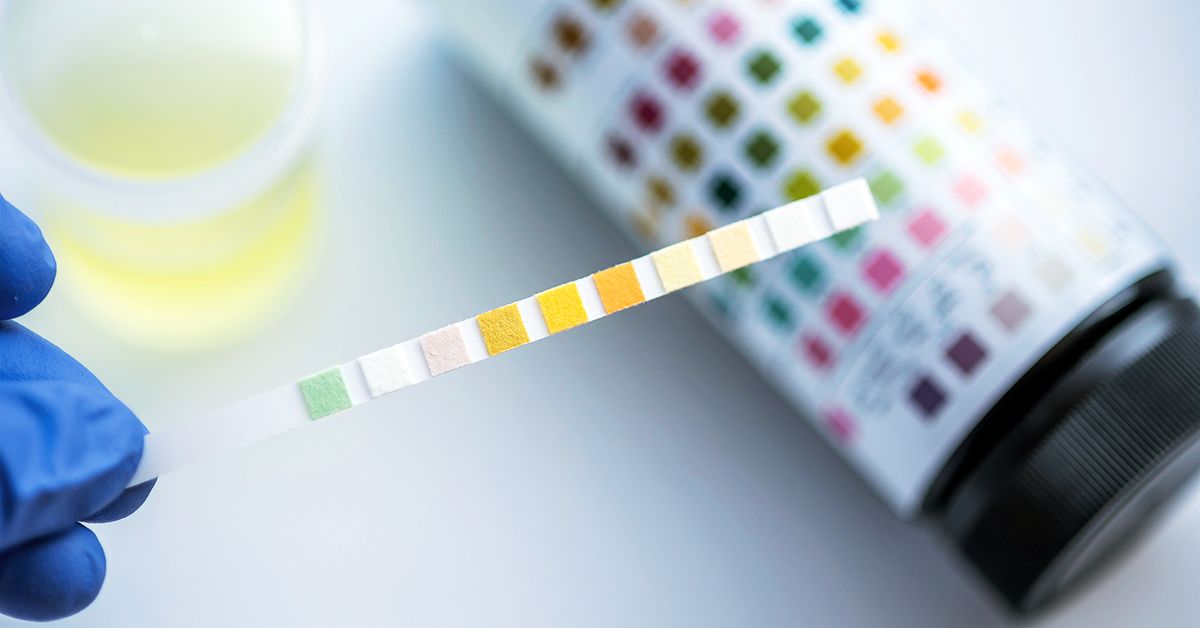
A urine protein creatinine ratio test may sound like a complicated laboratory equation invented to keep ordinary humans humble. In reality, it is a simple urine test that gives healthcare professionals important information about how well the kidneys are protecting the proteins circulating in your blood.
The test is commonly called a urine protein-to-creatinine ratio, protein creatinine ratio, UPCR, or urine PCR. It compares the amount of protein in a urine sample with the amount of creatinine, a waste product produced by normal muscle activity. By using creatinine as a reference point, the laboratory can adjust for whether your urine happens to be unusually concentrated or diluted.
A UPCR can help detect kidney damage, estimate the severity of proteinuria, monitor an existing kidney condition, and evaluate possible preeclampsia during pregnancy. The test is quick, painless, and considerably easier than carrying around a 24-hour urine container like an extremely unglamorous thermos.
What Is a Urine Protein Creatinine Ratio Test?
The urine protein creatinine ratio test measures two substances in the same urine sample:
- Urine protein: The total amount of protein detected in the sample, including albumin and other proteins.
- Urine creatinine: A waste product released during normal muscle metabolism and removed from the blood by the kidneys.
The laboratory divides the urine protein concentration by the urine creatinine concentration. Depending on the laboratory, the result may be reported as milligrams of protein per gram of creatinine, milligrams per milligram, grams per gram, or milligrams per millimole.
For example, a UPCR of 0.2 mg/mg is numerically equivalent to approximately 200 mg/g. A value of 3.5 mg/mg may also be written as 3.5 g/g or 3,500 mg/g. This unit-switching can make a laboratory report look more dramatic than it is, so always check the units before comparing your number with a reference range.
Why measure creatinine too?
The amount of protein in a single cup of urine depends partly on hydration. If you have not had much to drink, the urine may be concentrated. After drinking a large amount of water, it may be diluted. Comparing protein with creatinine helps correct for this variation and provides a rough estimate of how much protein might be lost over an entire day.
This is why a spot UPCR often replaces a 24-hour urine protein collection. The spot test is easier, faster, and less vulnerable to the classic 24-hour collection problem: forgetting one bathroom trip and having to start the whole adventure again.
UPCR Versus UACR: What Is the Difference?
The abbreviations UPCR and UACR look similar, but they do not measure exactly the same thing.
- UPCR measures total urine protein. This includes albumin plus other proteins that may appear in the urine.
- UACR measures urine albumin specifically. Albumin is the main blood protein that leaks through damaged kidney filters.
A urine albumin-to-creatinine ratio, or UACR, is especially useful for detecting early kidney damage in people with diabetes or high blood pressure. Small increases in albumin may appear before a total protein test becomes clearly abnormal.
A UPCR may be preferred when a clinician wants to quantify a larger amount of protein, monitor a known glomerular disease, evaluate nephrotic-range protein loss, or assess proteinuria during pregnancy. In some situations, both tests are ordered because kidneys rarely follow a one-test-fits-all policy.
Why Is the Test Ordered?
A healthcare professional may order a urine protein creatinine ratio after protein is discovered on a routine dipstick test. It may also be ordered because of symptoms, pregnancy concerns, or a medical condition that raises the risk of kidney damage.
Common reasons for testing include:
- Diabetes
- High blood pressure
- Chronic kidney disease
- Blood or persistent foam in the urine
- Swelling around the eyes, hands, ankles, or feet
- Lupus or another autoimmune condition
- Glomerulonephritis or nephrotic syndrome
- IgA nephropathy
- Kidney infection or inflammation
- Reduced kidney function on blood tests
- Monitoring after a kidney transplant
- High blood pressure or concerning symptoms during pregnancy
Early kidney disease often causes no obvious symptoms. Someone may feel completely normal while a urine test quietly raises its laboratory hand and says, “We should probably look at this.” Detecting persistent protein loss early can create an opportunity to manage blood pressure, diabetes, inflammation, medications, and other contributing factors before more kidney damage occurs.
How to Prepare for a UPCR Test
Most people do not need to fast or make major changes before providing a spot urine sample. Follow the instructions from your clinic or laboratory, because preparation may differ depending on why the test was ordered.
Tell your healthcare professional about prescription medicines, over-the-counter pain relievers, supplements, recent illnesses, pregnancy, menstruation, urinary symptoms, and strenuous exercise. Do not stop medication unless the prescribing clinician specifically tells you to do so.
Factors that may temporarily increase urine protein
A single high result does not always mean permanent kidney disease. Temporary proteinuria may occur with:
- Strenuous exercise
- Dehydration
- Fever or acute illness
- Emotional or physical stress
- Urinary tract infection
- Inflammation elsewhere in the body
- Menstrual blood contaminating the sample
- Pregnancy
- Prolonged standing in people with orthostatic proteinuria
A first-morning sample is sometimes preferred because it is less affected by recent exercise, posture, food, and fluid intake. It is also conveniently available before the day has had time to become complicated.
What to Expect During the Test
The UPCR usually requires a clean-catch urine sample. The collection is noninvasive and should not hurt.
- Wash your hands.
- Clean the genital area with the wipe provided by the laboratory.
- Begin urinating into the toilet.
- Without stopping the stream, move the collection cup into position.
- Collect the requested amount of midstream urine.
- Finish urinating into the toilet.
- Secure the lid without touching the inside of the cup.
- Return the container according to the laboratory’s instructions.
The laboratory measures urine protein and urine creatinine, calculates the ratio, and sends the result to your healthcare professional. Results may be available the same day or within a few business days, depending on the facility.
There are no meaningful medical risks from collecting an ordinary urine sample. The main challenge is practical: aiming accurately while holding a tiny plastic cup that suddenly feels much smaller than it looked on the counter.
Urine Protein Creatinine Ratio Levels
For many nonpregnant adults, a UPCR below 0.2 mg/mg, or below approximately 200 mg/g, is generally considered within the expected range. However, laboratories may use a lower cutoff, a different unit, or a reference interval tailored to age, sex, medical history, or the testing method.
| Approximate UPCR | Common Interpretation | What May Happen Next |
|---|---|---|
| Below 0.2 mg/mg | Generally considered normal or not significantly elevated in many adults | Routine follow-up based on overall risk |
| 0.2 mg/mg or higher | Proteinuria may be present | Repeat testing and evaluation of possible causes |
| 0.3 mg/mg or higher during pregnancy | May meet the proteinuria threshold used when evaluating preeclampsia | Prompt assessment of blood pressure, symptoms, and additional laboratory results |
| Around 3.5 mg/mg or higher | Often described as nephrotic-range proteinuria in adults | Timely kidney evaluation and tests for associated complications |
These categories are general educational guideposts, not self-diagnosis zones. A UPCR of 0.21 is not automatically a disaster, and a value below 0.2 does not erase every possible kidney concern. Trends, associated findings, and the clinical situation matter more than treating one decimal point like a courtroom verdict.
What does a low UPCR mean?
A low ratio usually means that little protein is being lost in the urine. In most cases, that is reassuring. Nevertheless, a clinician may order a UACR if early albumin leakage is suspected, particularly in someone with diabetes, hypertension, cardiovascular disease, or another kidney risk factor.
What does a mildly elevated UPCR mean?
A mild elevation may be temporary or may represent early kidney damage. The clinician may repeat the test after exercise, fever, infection, dehydration, or menstrual contamination has resolved. A first-morning urine sample may provide a more reliable comparison.
If the result remains elevated, follow-up may include a UACR, urinalysis, urine microscopy, blood creatinine, estimated glomerular filtration rate, blood pressure measurement, blood glucose testing, and a review of medications.
What does a very high UPCR mean?
A markedly elevated result suggests substantial protein loss and warrants prompt medical evaluation. A ratio near or above 3.5 g/g is commonly considered nephrotic range in adults. Nephrotic-range proteinuria can occur with disorders affecting the kidney’s filtering units, including diabetic kidney disease, minimal change disease, membranous nephropathy, focal segmental glomerulosclerosis, lupus nephritis, and other glomerular diseases.
Heavy protein loss may be accompanied by low blood albumin, swelling, high cholesterol, weight gain from fluid retention, and an increased risk of infection or blood clots. A high ratio indicates the amount of protein loss; it does not reveal the exact cause. Blood tests, imaging, specialized immune tests, or a kidney biopsy may be needed.
Urine Protein Creatinine Ratio During Pregnancy
During pregnancy, a spot UPCR is frequently used to check for significant proteinuria when a patient develops high blood pressure or symptoms concerning for preeclampsia.
A UPCR of 0.3 mg/mg, equivalent to about 300 mg/g, is commonly used as the threshold for significant proteinuria in this setting. However, preeclampsia is not diagnosed from protein alone. Clinicians consider blood pressure readings, gestational age, platelet count, liver function, kidney function, breathing symptoms, neurologic symptoms, and the health of the fetus.
Pregnant or recently postpartum patients should seek urgent medical care for severe or persistent headache, vision changes, pain in the upper right abdomen, chest pain, shortness of breath, sudden swelling, severe nausea, confusion, or a blood pressure reading in the severe range. Preeclampsia can develop after delivery as well as during pregnancy.
What Can Cause Protein in the Urine?
Proteinuria is a finding, not a disease. It can result from temporary physical stress or from conditions involving the kidneys, blood vessels, immune system, metabolism, pregnancy, or urinary tract.
Temporary or reversible causes
- Dehydration
- Intense physical activity
- Fever
- Acute infection
- Severe stress
- Cold exposure
- Orthostatic proteinuria, particularly in adolescents and young adults
Possible medical causes
- Diabetic kidney disease
- Long-standing high blood pressure
- Glomerulonephritis
- Lupus nephritis
- IgA nephropathy
- Nephrotic syndrome
- Kidney infection
- Heart failure
- Preeclampsia
- Multiple myeloma or other disorders producing abnormal proteins
- Certain medications, including some drugs that can injure the kidneys
The pattern of urine protein can help narrow the possibilities. Albumin-dominant protein loss often points toward damage in the glomeruli. Other types of protein may suggest tubular kidney injury or excess production of abnormal proteins. This is one reason a clinician may order albumin testing, protein electrophoresis, or additional laboratory studies.
Can Food or Protein Supplements Raise the Result?
Eating a protein-rich meal is not the same as leaking protein through damaged kidney filters. A steak does not normally travel directly from the dinner plate into the urine specimen wearing a fake mustache.
Diet, supplements, hydration, exercise, and muscle mass may influence urine measurements in some circumstances, but persistent proteinuria generally requires medical evaluation rather than an assumption that yesterday’s protein shake caused everything. Tell your healthcare professional about high-protein diets, creatine supplements, bodybuilding routines, and recent strenuous exercise so the result can be interpreted in context.
What Happens After an Abnormal Result?
The next step depends on how high the ratio is, whether it has been elevated before, and whether you have other concerning findings. A clinician may:
- Repeat the UPCR using a first-morning sample
- Order a urine albumin creatinine ratio
- Perform a complete urinalysis and urine microscopy
- Check for a urinary tract infection
- Measure serum creatinine and calculate eGFR
- Check blood pressure, blood glucose, and A1C
- Measure blood albumin and cholesterol
- Review prescription and nonprescription medications
- Order autoimmune or infection-related blood tests
- Request kidney imaging
- Refer you to a nephrologist
- Recommend a kidney biopsy when the cause remains uncertain
Chronic kidney disease is generally based on abnormalities that persist for more than three months or other clear evidence of chronic kidney damage. One elevated urine result, particularly during an illness, usually needs confirmation before a long-term diagnosis is made.
When Should You Contact a Healthcare Professional?
Arrange medical follow-up if a laboratory report shows elevated urine protein, especially if the finding is repeated or accompanied by diabetes, high blood pressure, pregnancy, autoimmune disease, or abnormal kidney blood tests.
Seek prompt care for:
- Rapidly increasing swelling
- Shortness of breath
- Very little urine
- Visible blood in the urine
- Severe weakness or confusion
- Chest pain
- One-sided leg swelling or sudden leg pain
- Severe high blood pressure
- Pregnancy-related headache, vision changes, upper abdominal pain, or sudden swelling
What the UPCR Testing Experience Is Really Like
Although the science involves kidney filtration, protein molecules, creatinine correction, and several possible units, the patient experience is usually much less dramatic. Most people arrive at a clinic, receive a labeled cup, provide a sample, and leave within minutes. No needles are involved unless blood tests have also been ordered.
One common experience begins with an unexpected finding during a routine physical. Imagine a patient named Marcus, who feels well and has no urinary symptoms. A dipstick test shows protein, so his clinician orders a UPCR. Marcus immediately searches the internet, encounters the phrase “kidney failure” within approximately six seconds, and mentally begins dividing his belongings among relatives. His UPCR is mildly elevated, but he had completed a long, intense workout the previous evening and arrived dehydrated. A repeat first-morning sample two weeks later is normal. The lesson is not that elevated protein should be ignored; it is that a single result needs context and, often, confirmation.
Another common experience involves monitoring a known condition. Consider Elena, who has diabetes and high blood pressure. Her urine protein ratio remains elevated on repeat testing, and her blood pressure is above the target recommended by her clinician. Her healthcare team reviews her medications, kidney function, glucose management, and dietary sodium intake. Over time, the ratio becomes part of a trend rather than a stand-alone number. A decrease may suggest that the kidney-protection plan is helping, while an increase may prompt closer evaluation. For Elena, the test functions less like a pass-or-fail exam and more like a dashboard warning light.
Pregnancy creates a different emotional experience because testing may happen quickly. A pregnant patient with a headache and rising blood pressure may provide a urine sample while clinicians check blood pressure repeatedly and order blood tests. A UPCR below 0.3 may be reassuring regarding significant proteinuria, but it does not automatically rule out every hypertensive disorder of pregnancy. A result at or above 0.3 supports significant proteinuria, but the full diagnosis still depends on the broader clinical picture. The waiting can feel stressful, which is why asking what is being checked and what symptoms should be reported immediately can be helpful.
People undergoing a 24-hour urine collection often have a more memorable tale. The collection starts after discarding the first morning urine, then includes every urination for the next 24 hours. The container may need refrigeration or storage in a cooler. Missing one collection can invalidate the result. Compared with this process, a spot UPCR is the minimalist version: one sample, one cup, considerably fewer scheduling negotiations with the bladder.
The most useful habit after receiving any UPCR result is to write down the exact number and unit. Ask whether it was total protein or albumin, whether the test should be repeated, and how it compares with previous results. Also ask about blood creatinine, eGFR, blood pressure, and urinalysis findings. Those details turn an intimidating laboratory ratio into a clearer picture of kidney health.
Conclusion
The urine protein creatinine ratio test is a convenient way to estimate protein loss without requiring a full 24-hour urine collection. For many nonpregnant adults, a result below approximately 0.2 mg/mg is considered normal, while higher values may warrant repeat testing and further evaluation. During pregnancy, a ratio of 0.3 mg/mg or higher is commonly used as evidence of significant proteinuria when clinicians are evaluating possible preeclampsia. Ratios near or above 3.5 g/g may represent nephrotic-range protein loss.
The number is only one piece of the puzzle. Temporary illness, exercise, dehydration, infection, pregnancy, medications, and sample contamination can affect results. Persistent elevation is more concerning and may point toward kidney damage or another underlying condition. The most accurate interpretation comes from combining the UPCR with repeat urine testing, blood pressure, eGFR, blood creatinine, symptoms, and medical history.